REVIEW · VENICE
Venice: City Wonders Group Walking Tour with a Local Expert
Book on GetYourGuide →Operated by Pink Umbrella Tours · Bookable on GetYourGuide
Venice can feel like a maze of canals and stone. This 2-hour small-group walking tour helps you make sense of it fast, with big sights like the Rialto Bridge and St. Mark’s Square plus real local context along the way. I like that it stays compact, so questions don’t get lost in a crowd, and the guide connects landmark stories to everyday Venice.
One heads-up: it’s an outdoor walking tour with no entrance stops, so you’ll cover ground on foot and you need to be on time at the meeting point. If you’re late, you may not be able to join once the walk has started.
In This Review
- Key points
- Where the tour starts in Dorsoduro: Campiello dei Squerini by Ca’ Foscari
- Rialto Bridge and the Grand Canal crossing: the big Venice moment in motion
- Churches you can actually slow down for: San Pantalon and Basilica dei Santi Giovanni e Paolo
- St. Mark’s Square with context, not just crowd-watching
- Why this Venice tour feels like good value at $41
- The pace and practical tips that make or break the walk
- Who should book this and who might not love it
- Should you book this Venice City Wonders group walking tour?
- FAQ
- How long is the Venice walking tour?
- How big is the group?
- Where exactly is the meeting point?
- Are entrance tickets included for churches or other sights?
- Is the tour suitable for wheelchair users?
- What should I bring and how early should I arrive?
- Is there a cancellation option if my plans change?
Key points
- Small group size (max 15–20): easier to hear your guide and ask questions
- Prime sights in only 2 hours: Rialto Bridge, St. Mark’s Square, plus major churches
- Cross the Grand Canal: you get the Venice skyline moment, not just photos
- English-speaking local expert: guides like Gianmarco, Daisy, Denise, Sophia, and Fosca are described as fun and question-friendly
- No entrances included: you’re paying for the walking route and on-street storytelling, not ticket lines
Where the tour starts in Dorsoduro: Campiello dei Squerini by Ca’ Foscari
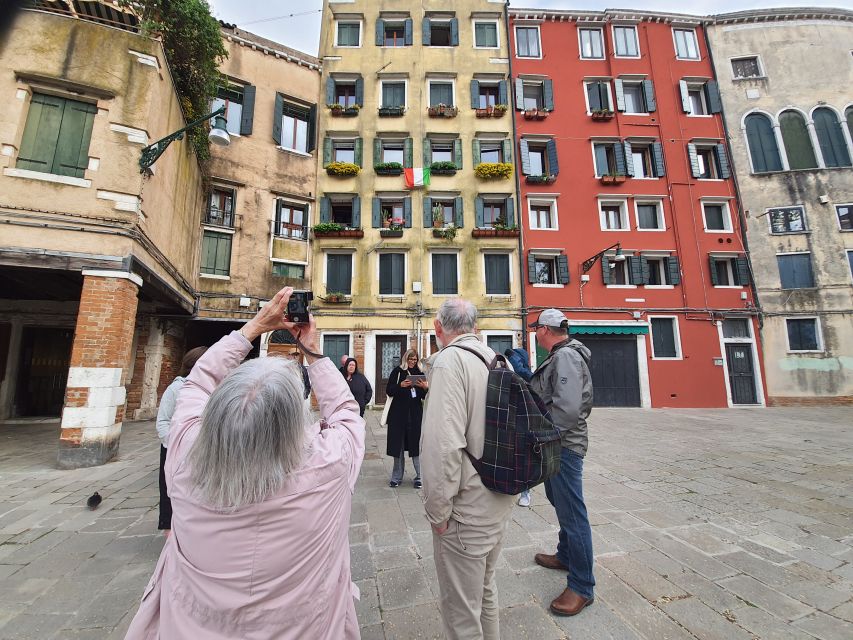
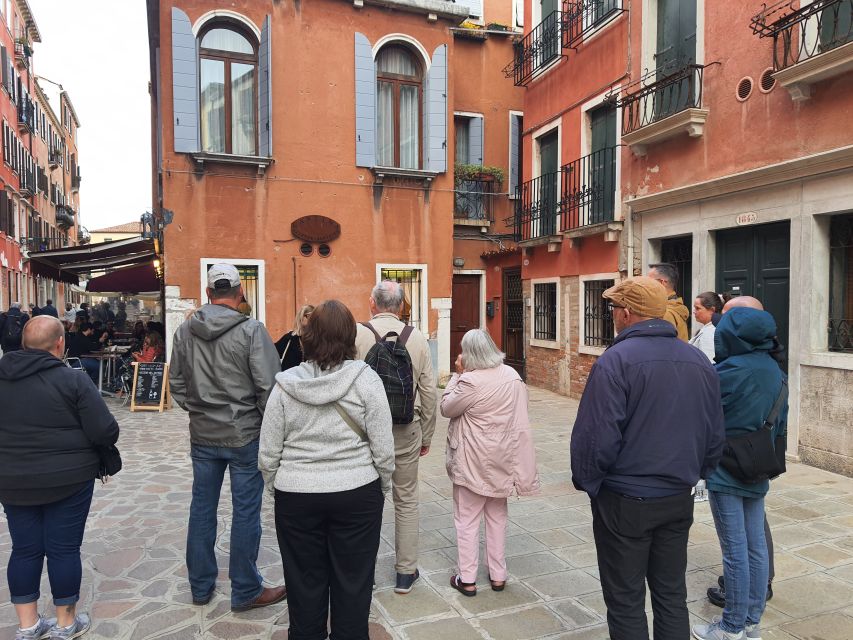
The tour meets at Campiello dei Squerini, near Ca’ Foscari University in the Dorsoduro district, by the colored wall. For Venice, that specific neighborhood matters. You’re not starting in the busiest postcard bottlenecks. Instead, you’re beginning in a part of town where you can actually hear yourself think for a few minutes before the main sights get crowded.
Here’s how I’d plan it: arrive 10 minutes early. The tour can’t wait more than 5 minutes, and once it’s started, you won’t be able to jump in mid-walk. If you’re coming from St. Mark’s Square, plan on about a 20-minute walk—that timing has been real for people before.
Also, no hotel pick-up is included. You’re expected to show up at the meeting point and start walking like a local. If you’re using a water bus or arriving by boat, build in extra buffer time. One visitor described missing a boat connection and then nearly missing the tour because Venice timing is… competitive.
You can also read our reviews of more walking tours in Venice


Rialto Bridge and the Grand Canal crossing: the big Venice moment in motion
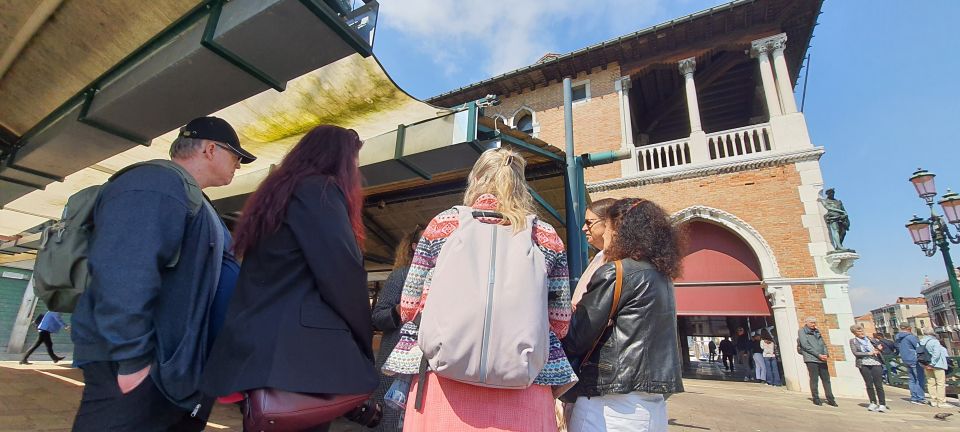
The headline stop is the walk to Rialto Bridge, followed by a crossing over the Grand Canal. This is the best kind of sightseeing: you don’t just see a monument, you move through the scene, watching how the canals frame the city.
What I like about this part is that the guide can point out details you’d normally miss when you’re just trying to get a clear photo. When you cross the canal, the whole geometry of Venice clicks: the narrow buildings, the waterlines, and the way streets connect into the canal world. It’s a fast lesson in why Venice built itself upward and outward instead of spreading like most cities.
Practical note: Venice sidewalks can be uneven, and crowds can compress the path. A small group helps. With a max 15–20 people, your guide can steer you around bottlenecks and keep the pace manageable rather than herding everyone like luggage on wheels.
Churches you can actually slow down for: San Pantalon and Basilica dei Santi Giovanni e Paolo
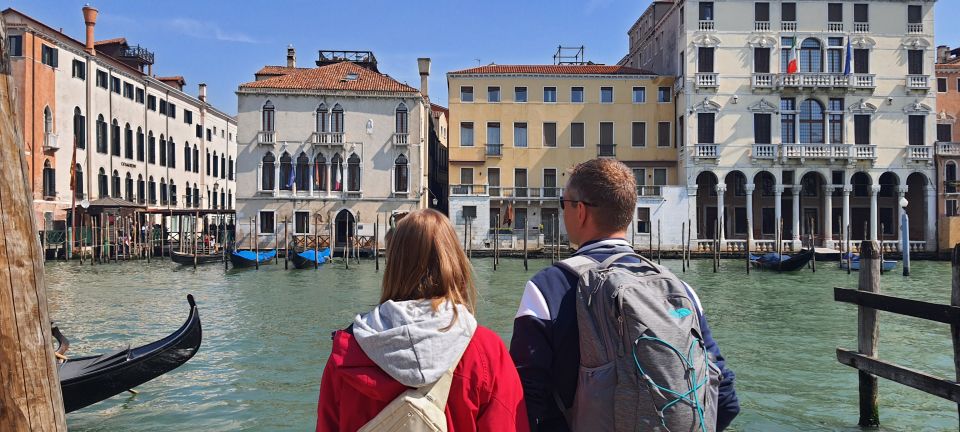
You’ll also visit churches as part of the route—specifically San Pantalon and the Basilica dei Santi Giovanni e Paolo. This is a smart choice for a 2-hour format. In Venice, churches often act like time machines. They show you what people valued, who had influence, and how faith shaped city life.
Why these stops work on a short walk:
- You get iconic architecture without needing ticketed entry.
- You learn what to notice from the street—facades, placement, and what role these buildings played in Venice’s social fabric.
- The guide can explain connections that don’t show up in a quick guidebook skim.
From the experience reports, the guides really leaned into storytelling. People highlighted how the guides were able to answer lots of questions and talk about both past and present Venice. That matters here. A church is more than a photo backdrop when someone explains how it fits into the city’s rhythms.
If you’re the type who enjoys history but doesn’t want a lecture, these church moments are a good compromise. You get enough context to make the buildings meaningful, then you move on.
St. Mark’s Square with context, not just crowd-watching
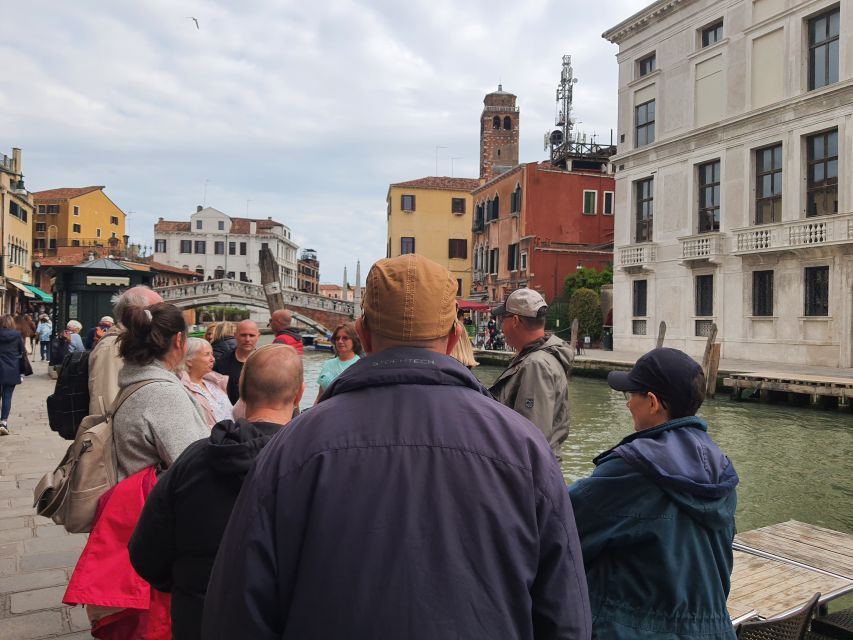
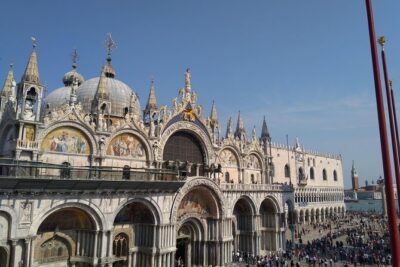
The tour includes St. Mark’s Square, described as one of Venice’s most important symbols. This stop is often where first-time visitors feel overwhelmed. It’s crowded, it’s photogenic, and it can turn into a sea of heads.
That’s exactly why a guided approach helps. Your local expert can slow your attention down and tell you what to look for in the square—how it became the stage for Venice’s identity, and how its presence shaped the city’s direction. Even without going inside paid sites, the square still gives you a lot to interpret.
What to watch for in your own walk:
- How the space works for gatherings (Venice does public space differently than most cities).
- How different building styles and details signal different eras and power centers.
- How the square connects back to the rest of the city you’ve been walking through.
One extra bonus: you’ll likely leave with practical restaurant ideas. Several people mentioned their guide offered food recommendations afterward, which is useful on a first trip when everything looks good but you don’t know what’s worth the money.
Why this Venice tour feels like good value at $41
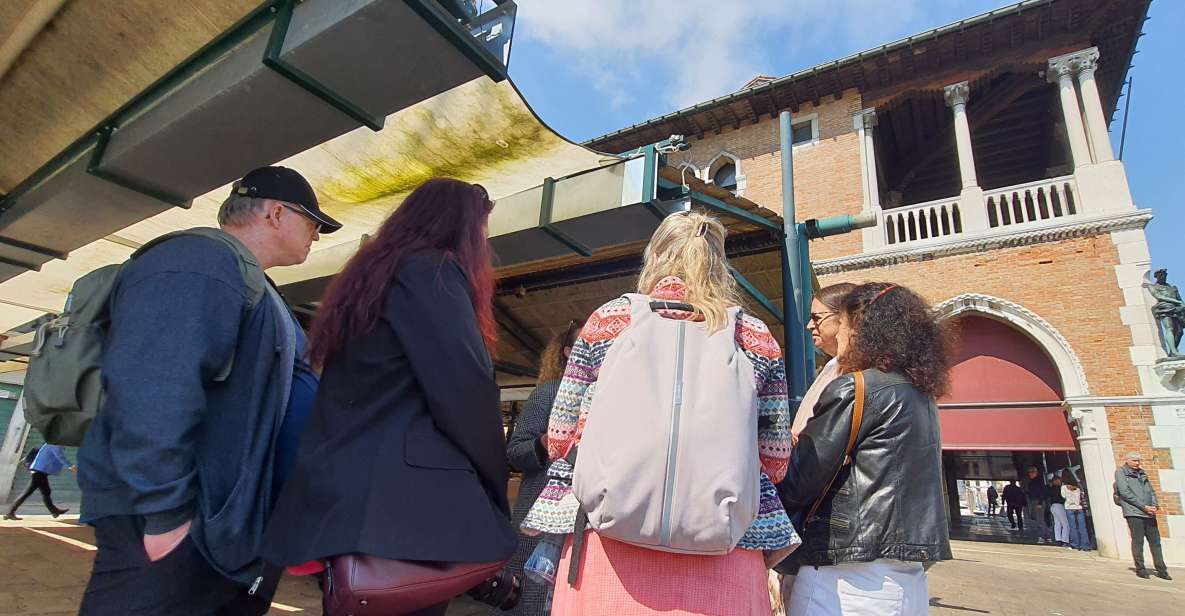
At $41 per person for 2 hours, you’re not buying entrance tickets. You’re buying a local guide’s time and a guided route that hits major anchors—Rialto Bridge, Grand Canal crossing, key churches, and St. Mark’s Square—without getting stuck in decision-making.
That distinction matters. If you’re traveling with limited time, a paid entry tour can feel like you’re spending half your day in lines or ticket logistics. This one stays outdoors and focuses on orientation plus storytelling. You’re essentially paying for:
- getting from point to point efficiently,
- knowing what details are worth noticing,
- and having someone answer your questions in real time.
The small group size also feeds the value. When it’s capped at 15–20, your guide can adjust on the fly. People repeatedly praised guides for being friendly and helpful, and for keeping the tone relaxed rather than formal.
The trade-off is also clear: there are no entrances included, and you’re expected to walk. So if you’re hoping to get inside big-name sites, you’ll want to pair this with other ticketed experiences later.
You can also read our reviews of more city tours in Venice





The pace and practical tips that make or break the walk
This tour is designed as an outdoor walking tour. You’ll cover the city center on foot for about two hours, and the route doesn’t include extra add-on stops. That’s why one “simple” tip shows up again and again: bring water.
Venice isn’t forgiving if you’re unprepared—especially in warmer months. And because the tour does not pause for extra breaks, you’ll feel every gap between cooling moments.
Also, be ready for the time-pressure version of Venice. The guide can’t wait long. In one situation described by a visitor, an arrival delay nearly caused them to miss the start, and they ended up running to the meeting point. It worked out for them, but it’s not the kind of stress you want on a holiday.
If you’re planning your day, I suggest treating this tour as a morning or early afternoon orientation. People specifically recommended doing it early because it gives you a framework for everything you’ll see afterward. Once you understand where landmarks sit relative to each other, the city stops feeling random.
Who should book this and who might not love it
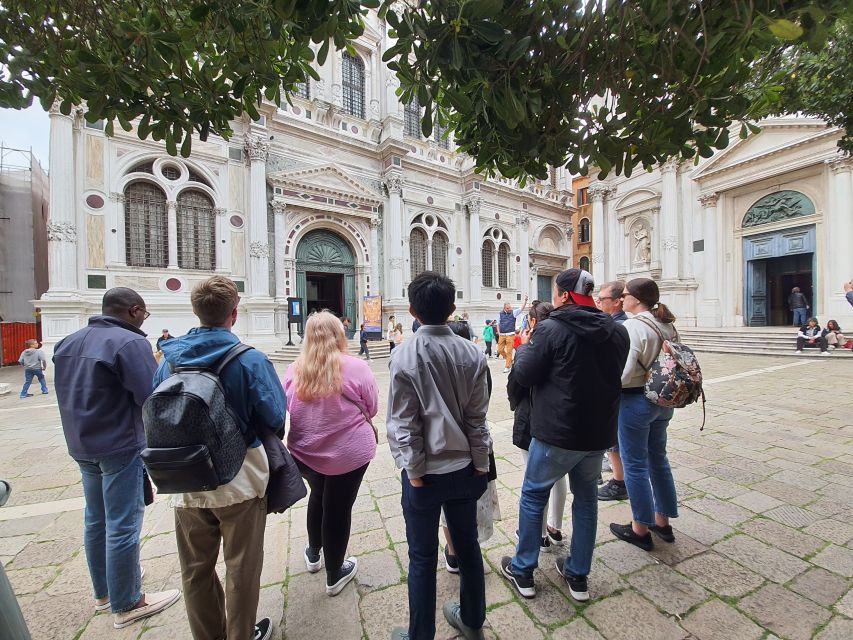
This is a great fit if you:
- want a first-timer overview of Venice’s major sights,
- like history told through streets and buildings, not just museums,
- enjoy asking questions and getting direct answers,
- and prefer a small-group pace.
It’s less ideal if you:
- need wheelchair accessibility (it’s not suitable for wheelchair users, based on the activity info),
- dislike walking in crowds or on uneven stone,
- or were hoping for a ticketed “inside the big sites” experience (entrances are not included).
If you’re the kind of traveler who enjoys local life context, you’ll probably appreciate the way guides in these experiences talk about daily Venice, including challenges locals face. That street-level perspective often turns a sightseeing loop into a city you can actually understand.
Should you book this Venice City Wonders group walking tour?
I’d book it if you’re short on time and want a smarter first pass through Venice. At $41 for a 2-hour, small-group walk with an English-speaking local expert, the value comes from orientation and interpretation, not ticket access.
Skip it (or consider another option) if you need wheelchair access, if you can’t commit to being at the meeting point on time, or if your priority is entering major sites. Also, if you’re arriving late in the day, you’ll want to avoid the “almost missed it” scenario—give yourself breathing room.
Bottom line: this is a solid choice for getting your bearings fast, learning what to notice, and enjoying the iconic Venice moments—Rialto Bridge, Grand Canal crossing, San Pantalon, Basilica dei Santi Giovanni e Paolo, and St. Mark’s Square—without spending extra time in ticket lines.
FAQ
How long is the Venice walking tour?
The tour lasts about 2 hours.
How big is the group?
It’s a small group with a maximum of about 15–20 people.
Where exactly is the meeting point?
The meeting point is at Campiello dei Squerini, near Ca’ Foscari University in the Dorsoduro district, by the colored wall.
Are entrance tickets included for churches or other sights?
No. It’s an outdoor walking tour and no entrances are included.
Is the tour suitable for wheelchair users?
No, it’s not suitable for wheelchair users.
What should I bring and how early should I arrive?
Bring a bottle of water since stops can’t be added. Arrive about 10 minutes early, because the guide can’t wait more than 5 minutes after the start time.
Is there a cancellation option if my plans change?
Yes. You can cancel up to 24 hours in advance for a full refund.