REVIEW · VENICE
Venice Street Food Tour with a Native & Top Rated Expert
Book on Viator →Operated by Tours of Pompeii with Lello & Co. · Bookable on Viator
Venice has a street-food heartbeat. This Venice Street Food Tour pairs food tastings with an easy walking route through famous spots, so you’re learning where locals actually snack while you’re seeing the city at the same time. I especially like the small eateries that don’t require reservations, and how the guide ties what you taste to the everyday rhythm of Venice.
The one drawback to note is diet limits and weather reality. This tour does not accommodate gluten-free, dairy-free, or vegan participants, and it runs rain or shine, so you’ll want to dress for the day you get. If that works for you, the payoff is big: you leave with a clearer sense of what to order next, plus practical ideas for bars and restaurants along your route.
In This Review
- Key highlights you’ll feel fast
- Why $59.26 for a 2.5-hour Venice food walk can be good value
- Your route: from Campo San Bortolomio to Campo Santa Margherita
- Stop-by-stop: what you’ll do and what it means
- Grand Canal: the city’s heart, with food context
- Campo San Polo: the largest campo and an open-air cinema feel
- Basilica dei Frari: Venetian Gothic while you keep eating
- Casa di Marco Polo: where the legend connects to everyday streets
- What the tastings are really doing for you
- Guides: why names like Tony, Ana, and Neele matter
- Group size and tour flow: small enough to ask questions
- Weather, pacing, and practical prep
- The €5 Venice access fee: one more thing to check
- FAQ
- How long is the Venice Street Food Tour?
- Where does the tour start and end?
- What is the price per person?
- Is the tour offered in English?
- Do I get a mobile ticket?
- Are drinks included?
- Is the tour vegetarian-friendly?
- Can the tour accommodate gluten-free, dairy-free, or vegan diets?
- What’s the group size?
- Is the tour canceled if it rains?
- Should you book this Venice street-food tour?
Key highlights you’ll feel fast
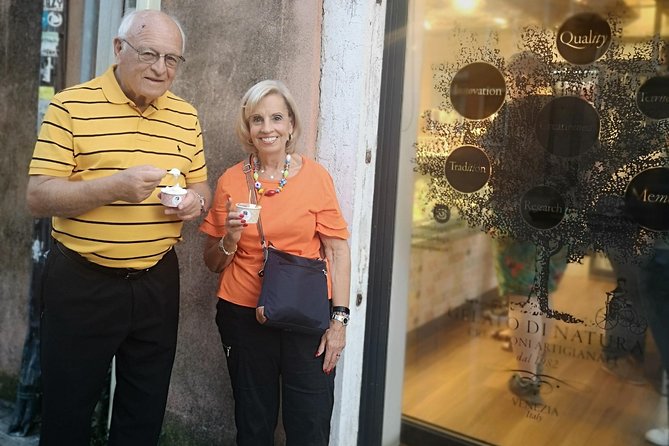
- Local tastings at places Venetians actually use, paired with the stories behind them
- Architecture stops that matter, including the Basilica dei Frari and Marco Polo’s house area
- A small group size (max 14), which keeps questions flowing
- Guides who connect food to daily life, with examples like Tony, Ana, and Neele from past groups
- No reservations needed for the tastings, which makes the whole experience smoother
- A mobile ticket in English, helpful when you’re bouncing around a maze of streets
Why $59.26 for a 2.5-hour Venice food walk can be good value
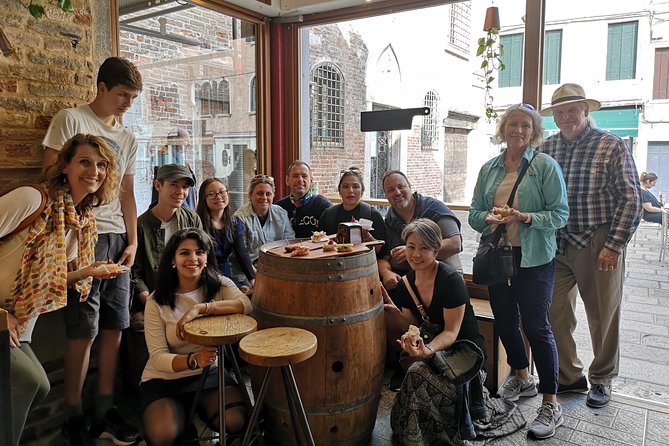
At $59.26 per person for about 2 hours 30 minutes, this isn’t a “buy a sandwich and wander” kind of tour. You’re paying for three things that matter in Venice: a tight route, expert guidance, and built-in tastings at multiple stops so you’re not guessing what to try.
Where the value really shows is the balance between food and place. You’re not stuck in one room or one restaurant. Instead, you taste along the way while the guide points out what makes each neighborhood feel Venetian, including practical cues like where people tend to linger and how different areas of the city connect.
Also, with an average booking window around 63 days in advance, it’s a good bet you’ll get a consistent, organized experience rather than a last-minute scramble. That calm structure matters more than it sounds when you’re walking canalside streets.
You can also read our reviews of more food & drink experiences in Venice
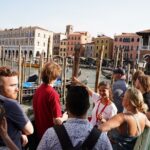
Your route: from Campo San Bortolomio to Campo Santa Margherita
The tour starts at Campo San Bortolomio (Campo S. Bortolomio, 30124 Venezia VE) and ends at Campo Santa Margherita (30123 Venezia VE). That matters because both are real squares you can orient yourself around, and ending near Campo Santa Margherita can be an easy springboard for an evening wander or dinner planning.
You won’t have hotel pickup or drop-off, so you’ll want to be comfortable navigating on your own to the meeting point. The good news: it’s near public transportation, so you’re not stuck hoofing it across the whole city before you even eat.
Fitness level is listed as moderate, which is fair for Venice. Expect walking between stops and some uneven pavement—nothing extreme, but it’s not a sit-and-watch experience either. If that part of Venice can handle you, the rest is straightforward.
Stop-by-stop: what you’ll do and what it means
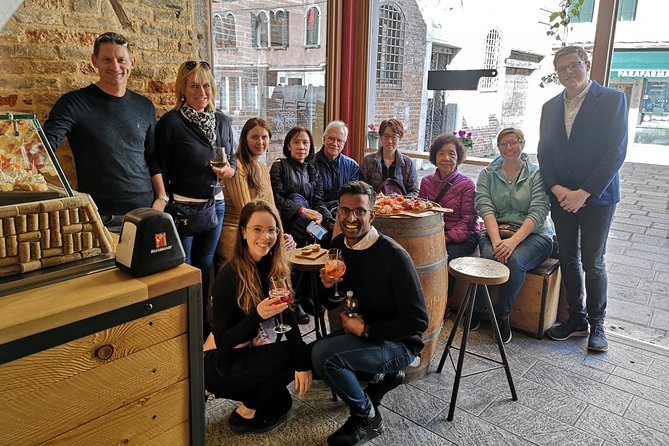
Grand Canal: the city’s heart, with food context
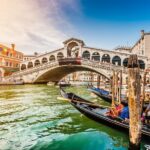
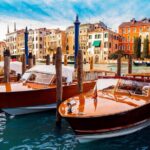
The first big anchor is the Grand Canal, described as the true heart of Venice. The practical point isn’t just the scenery—it’s the setup. This is your early moment to understand that Venice’s layout isn’t random. The canal network shapes movement, trade, and where everyday life concentrates.
As you start, you’ll get tastings tied to local ingredients, which helps you avoid the common mistake in Venice: eating “pretty tourist food” that’s not connected to what you see around you.
One small caution: Grand Canal areas can attract crowds. That’s normal here. The tour format keeps you moving, so you’re not trapped standing in one spot for long.
Campo San Polo: the largest campo and an open-air cinema feel
Next comes Campo San Polo, labeled as the largest campo in the city. This is a great stop for getting your bearings because a campo is where people gather, not just a view you photograph.
The tour uses this area to connect food habits to the setting. You’ll likely see how an open square changes the tempo of a meal—where people pause, where conversations happen, and how easy it is to pop into small places without a big production.
Also, the guide’s commentary helps you notice the details that make a campo feel Venetian, not generic. Even if you’ve seen photos of Venice before, this is where you start reading the city like a local.
You can also read our reviews of more tours and experiences in Venice
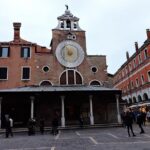

Basilica dei Frari: Venetian Gothic while you keep eating
Then you reach the Basilica dei Frari, a Venetian Gothic church dedicated to the Assumption of Mary. This stop adds a visual and historical spine to the tour, but it’s not just a sightseeing pause. It helps you understand why certain neighborhoods feel distinct—and why food culture can shift from one area to the next.
For me, the value of a church stop on a street-food tour is simple: it gives you an emotional reset. You taste, you walk, you look, then you taste again. That rhythm keeps the experience from blending into one long food blur.
One consideration: if you’re trying to speed through Venice’s major landmarks, this tour won’t be the fastest route. It’s designed for paced walking and tastings, not sprinting.
Casa di Marco Polo: where the legend connects to everyday streets
The itinerary also includes a look at Casa di Marco Polo. This is one of those stops where the famous name can make you expect big spectacle, but the real payoff is how the guide connects the figure to Venice’s street-level identity.
As you move through the area, it also reinforces the bigger theme of the tour: food isn’t separate from culture here. It’s part of the same story.
If you’re a Marco Polo fan, this is a satisfying way to anchor the legend to a real place you can point to while you’re chatting about what you ate.
What the tastings are really doing for you
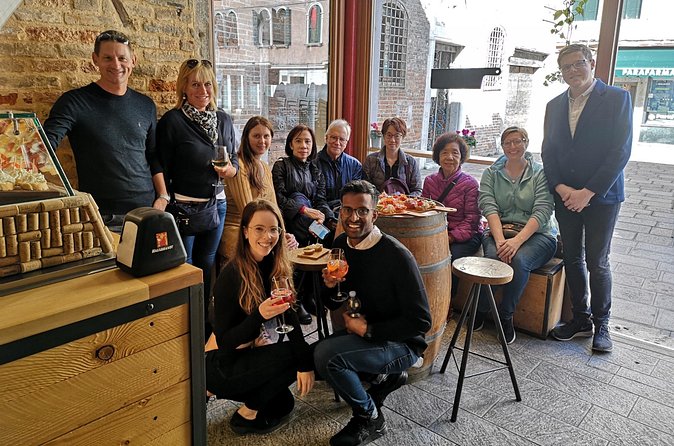
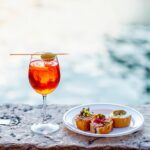
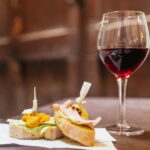
This tour includes food tastings, and the highlight promise is clear: you’ll enjoy tastings while discovering local ingredients. The bigger benefit is what that does to your future decisions.
After a tour like this, your next meal stops being a guessing game. You’ll start thinking in terms of ingredients and local preferences, not just “what looks good in the window.” And you’ll get insider recommendations for bars and restaurants along the way, which is one of the best uses of paying for a guide in a city that can overwhelm you fast.
Drinks are not included, and that’s something to plan for. If you know you’ll want a beverage during tastings, bring spending sense for that. The tour keeps the focus on food samples and the walking route, not on turning into a long sit-down bar crawl.
Guides: why names like Tony, Ana, and Neele matter
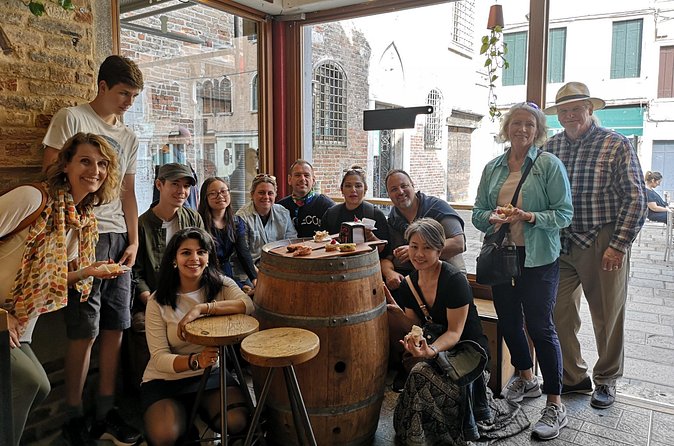
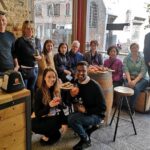
The strongest feedback pattern is about the guide. People mentioned learning food plus history plus architecture plus how Venetians live day to day.
I like that kind of “translator” role. A good guide doesn’t just say what you’re eating. They explain why it fits Venice, what to watch for in the streets, and where locals go next. In past groups, guides named Tony, Ana, and Neele were specifically credited for sharing lots of insight, and one review noted follow-up tips by email after the tour.
That follow-up can be genuinely helpful because Venice evenings need a plan. Even a short list of where to go next—based on what you just tasted—can save you from wandering until you find a place you like.
Group size and tour flow: small enough to ask questions
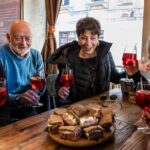
This tour caps at 14 travelers, which is a big deal for Venice. Smaller groups move more smoothly around tight lanes and get more personal attention when questions come up.
The tour is offered in English and uses a mobile ticket, so you’re not juggling paper confirmations. Places visited are subject to change, which is normal in Venice where weather, crowds, and access can shift. The key is that the structure stays consistent: tastings, expert guidance, and a route built around major landmarks and local squares.
Weather, pacing, and practical prep
It runs rain or shine. That’s not a dealbreaker, but you should show up ready. Venice rain can be light or dramatic, and wet stone sidewalks are slippery. Bring a jacket you can move in, and consider shoes that aren’t going to fight you on uneven pavement.
You should also think about dietary needs early. Vegetarians can be accommodated if you advise in advance using the special requirements field at booking. But it does not accommodate gluten-free, dairy-free, or vegan participants, so if any of those are your non-negotiables, this may not be the right fit.
The tour also doesn’t include hotel pickup/drop-off or transportation to the attractions. You’ll want to arrive at the start point ready to walk, and you’ll likely want to finish with enough time to reposition for dinner since you end in a different square.
The €5 Venice access fee: one more thing to check
On certain dates, people staying outside Venice and visiting for the day may need to pay a €5 access fee. The info and exemptions are handled through cda.ve.it, so check before you commit if you’re doing a day trip.
This isn’t a reason not to book the tour, but it is a reason to avoid surprise costs.
FAQ
How long is the Venice Street Food Tour?
It lasts about 2 hours 30 minutes.
Where does the tour start and end?
It starts at Campo San Bortolomio (Campo S. Bortolomio, 30124 Venezia VE, Italy) and ends at Campo Santa Margherita (30123 Venezia VE, Italy).
What is the price per person?
The price is $59.26 per person.
Is the tour offered in English?
Yes, it’s offered in English.
Do I get a mobile ticket?
Yes, the tour uses a mobile ticket.
Are drinks included?
No. Drinks are not included.
Is the tour vegetarian-friendly?
Vegetarians can be accommodated if you advise in advance in the special requirements field on booking.
Can the tour accommodate gluten-free, dairy-free, or vegan diets?
No. This tour does not accommodate gluten-free, dairy-free, or vegan participants.
What’s the group size?
The tour has a maximum of 14 travelers.
Is the tour canceled if it rains?
No. The tour takes place rain or shine.
Should you book this Venice street-food tour?
I’d book it if you want a smarter way to eat in Venice: you like guided tastings, you enjoy walking between recognizable landmarks, and you want practical recommendations for what to order next. The small group size helps, and the “no reservations needed” approach makes the whole flow feel easy.
I wouldn’t book it if your diet requires gluten-free, dairy-free, or vegan options. I’d also think twice if you hate walking on uneven ground, since the tour requires moderate physical fitness.
If you’re juggling first-time questions like where to eat and what’s worth trying, this tour is designed exactly for that moment. Get the tastings, absorb the context from the guide (like Tony, Ana, or Neele in past groups), then use the food knowledge right away for your next stop.