REVIEW · VENICE
Eating Venice Food & Drinks Tour
Book on Viator →Operated by Eating Europe Food Tours Rome · Bookable on Viator
One walk, then you taste Venice. I love the off-the-beaten-path stops where locals actually eat, and I love the spritz-and-cicchetti style of aperitivo. The only catch: this is a tasting tour, so if you want big restaurant portions, plan on grabbing something more after.
What makes this one stand out is how the food connects to neighborhoods. You’re not just sampling sweets and seafood; you’re learning what makes Venetian cooking different, from street-food crunch to creamy risotto and classic sandwiches. If you catch a guide like Giulia, Daniela, Ana, or Cecilia (names that come up often), you’ll get a friendly mix of food talk plus real city geography you can use later.
Another practical consideration: tastings and stops can change by day and season, and the dessert switch depends on when you go. On top of that, if you have severe or life-threatening food allergies, you’ll need to skip this one for safety reasons.
In This Review
- Key highlights you’ll feel fast
- Where the tour starts (and why that matters)
- Rizzo Venezia: street-food comfort with Venetian roots
- Calle San Felice: DOCG Prosecco and the sweet-savor mix of saor
- Cannaregio stroll: Ponte Chiodo and postcard-less Venice
- The Jewish Ghetto at Campo de Gheto Novo: resilience with context
- Cantina Aziende Agricole: creamy artichoke risotto and a drink pairing
- A La Vecia Papussa: spritz-making demo and cicchetti classics
- Pasticceria Nobile or Bacaro del Gelato: your seasonal sweet finale
- Price and value: $125.77 for a lot more than snacks
- What you’ll actually learn (and what to do with it)
- Pace, portions, and who should book
- Should you book this Venice food-and-drink tour?
- FAQ
- What’s the starting point and how long is the tour?
- What food and drinks are included?
- Is the tour offered in English?
- Can the tour accommodate dietary requirements?
- What dessert do I get—tiramisu or gelato?
- Is there an extra fee for day visitors outside Venice?
Key highlights you’ll feel fast
- Quiet Cannaregio walking with a chance to spot Ponte Chiodo, Venice’s only bridge without railings
- Historic bites at long-running places like Rizzo Venezia (serving locals since 1905)
- Aperitivo training via a spritz-making demo, then you sip and snack the Venetian way
- Jewish Ghetto time at Campo de Gheto Novo, with context beyond the obvious sights
- Seasonal finish: tiramisù in winter months, gelato in warmer ones
- Small groups capped at 10, with an English-speaking local guide and insider Food & the City tips
Where the tour starts (and why that matters)
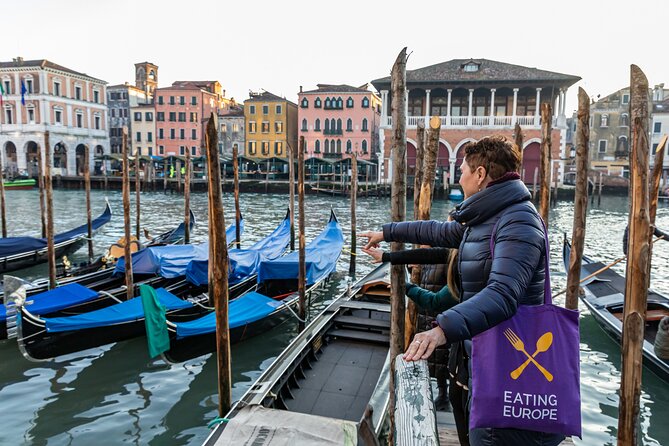
The experience begins at Campo Santi Apostoli in Venice. That’s a helpful starting point because you can get there using public transport, and you’re not stuck in a far-flung corner before you even eat.
The tour runs about 3 hours 30 minutes. You’ll finish in a different location than you started, so I suggest checking where your next plan is before you set off—Venice moves you around fast, and you don’t want to lose time backtracking.
This is a mobile-ticket tour, and it’s offered in English. It’s also limited to a maximum of 10 travelers, which keeps the pace lively but not hectic.
You can also read our reviews of more food & drink experiences in Venice


Rizzo Venezia: street-food comfort with Venetian roots
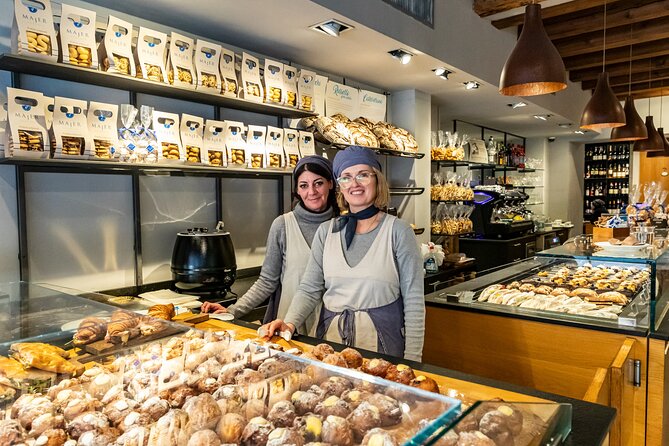
One of your first stops is Rizzo Venezia, a historic bakery and street-food spot serving locals since 1905. The point isn’t just that it’s old—it’s that it’s still doing what Venetians buy when they want something quick and satisfying.
You’ll taste a mix of classic flavors, including mortadella, pesto, and buffalo mozzarella pizza (a proper Venetian-style street lunch). This is a great early stop because it sets the tone: Venice eats in small bursts, not just formal sit-down meals.
Possible downside? Even though it’s flavorful and memorable, it’s still a small sample. Think of it as a warm-up, not a full lunch.
Calle San Felice: DOCG Prosecco and the sweet-savor mix of saor
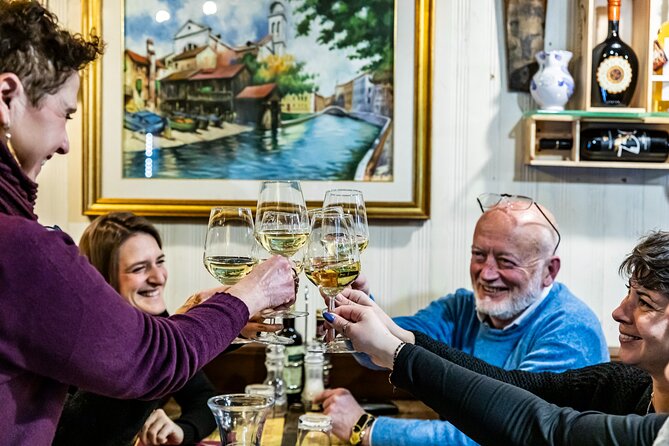
Next up is a slower, more social moment in Calle San Felice. You’ll enjoy a glass of DOCG Prosecco with two traditional Venetian bites.
One of the standout pairings is a meatball and polenta topped with shrimp in saor. Saor matters here. It’s that Venetian sweet-and-sour angle—often involving onions and vinegar—meant to balance rich, salty seafood. Add a sparkling glass and suddenly those flavors feel even more “Venice.”
This stop lasts about 45 minutes, so it gives you time to actually chat, not just do a grab-and-go. Just remember: alcohol shows up early in the flavor game, so pace yourself if you plan to walk more after.
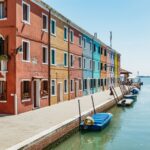
Cannaregio stroll: Ponte Chiodo and postcard-less Venice
Between food stops, you get a panoramic stroll through Cannaregio. The walking portion is where Venice stops feeling like a museum and starts feeling like a neighborhood you could live in.
You’ll pass Ponte Chiodo, Venice’s only bridge without railings, plus the historic Misericordia. It’s the kind of detail that’s easy to miss on your own because it’s not the headline attraction.
This is also a smart part of the tour because it builds context before the heavier historical stop. You get quiet canals, small alleys, and the sense of everyday Venice—less line-waiting, more noticing.
The Jewish Ghetto at Campo de Gheto Novo: resilience with context
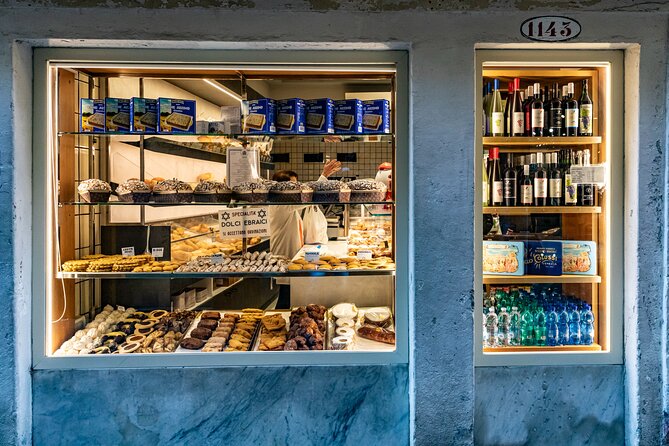
Then you move into the Jewish Ghetto, specifically around Campo de Gheto Novo. The framing here is important: it’s not treated like a quick photo stop.
You’ll hear that the area is described as the world’s first ghetto, and you’ll also get its standing as one of the oldest in Europe. The message is about resilience and how different communities shaped Venice over time.
I like this part because it makes the city feel more honest. Venice’s beauty is real, but so is the complicated human story beneath it. If you enjoy history that connects to place, you’ll appreciate how the walk supports the lessons.
You can also read our reviews of more tours and experiences in Venice



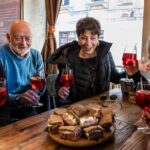
Cantina Aziende Agricole: creamy artichoke risotto and a drink pairing
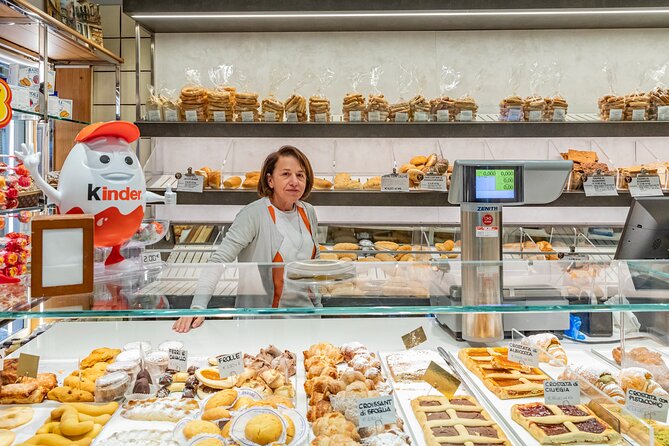
Next, you step into Cantina Aziende Agricole, where tradition meets a slightly more modern dining rhythm. The tasting here is a creamy artichoke risotto paired with a local wine or beer.
This is where the tour turns from snacks into something closer to comfort food. Artichoke risotto is a classic choice because it shows off technique: creamy texture, herbal notes, and a flavor that doesn’t need heavy sauces to shine.
A practical note: risotto is filling, even in tasting portions. If you’re someone who gets full fast, save your biggest appetite for the final dessert stop—or plan a lighter meal later that day.
A La Vecia Papussa: spritz-making demo and cicchetti classics
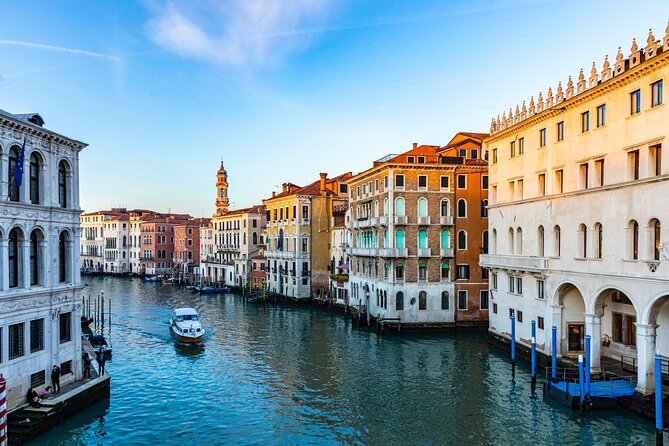
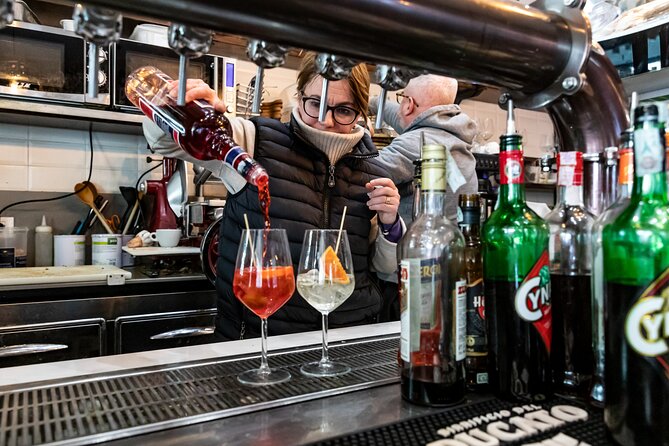
Your next stop is A La Vecia Papussa, a cozy bacaro—Venice’s snack bar culture in a nutshell. If you love the idea of aperitivo as a ritual, this is the part that will feel most “Venetian” to you.
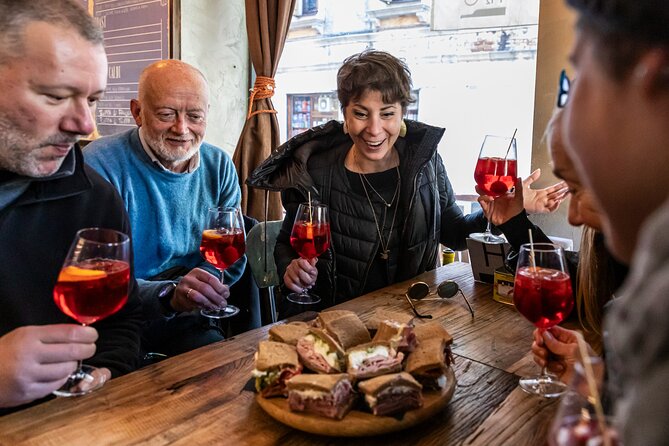
You’ll get a spritz-making demo, including the history behind the drink. Then you’ll sip a classic spritz and taste two traditional cicchetti (tiny Venetian sandwiches/snacks).
The cicchetti selections include options like codfish with sadrines or shrimp in saor. These are the flavors Venetians actually repeat because they work: salty seafood, bright tang, and that small-bite format that keeps you tasting instead of settling.
This is also where the tour’s small-group size really helps. You’re close enough to ask questions during the demo, and you don’t feel rushed through the tastings.
Pasticceria Nobile or Bacaro del Gelato: your seasonal sweet finale
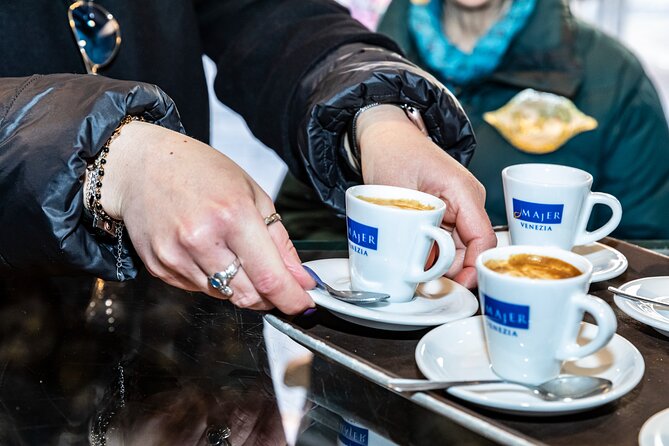
The finish depends on when you travel, which is a nice touch in a city where seasonal menus matter.
- November to February: you end at Pasticceria Nobile for tiramisù.
- March to October: you finish at Bacaro del Gelato for gelato.
Either way, this closing stop gives you something memorable to anchor the day. Tiramisu feels like a warm, coffee-and-cream “Venice at winter speed” dessert. Gelato in warmer months is simpler and lighter, and it works well after all the salty bites and spritz.
If you’re the type who always orders dessert anyway, good news: this tour plans for it.
Price and value: $125.77 for a lot more than snacks
At $125.77 per person for about 3 hours 30 minutes, the big question is value.
Here’s why it can feel like a good deal: you’re not paying for a single meal. You’re paying for multiple tastings across several venues—bakery-style pizza, Prosecco pairings, risotto with a wine/beer option, cicchetti with a spritz demo, plus a seasonal dessert.
You also get an English-speaking local guide and Food & the City insider tips, which matters in Venice. If you learn where to go next (beyond just what you ate today), the tour can pay back fast.
Extra drinks beyond what’s included aren’t covered, and gratuities aren’t included either. But the core experience already includes a mix of food + regional drinks, so you’re not guessing what the day will cost once you start.
Also, the tour is limited to small numbers (max 10). In Venice, that can be the difference between a fun walk and a slow-moving group shuffle.
What you’ll actually learn (and what to do with it)
The best part of this tour is how it turns “taste” into “knowledge you can use.” You’re learning the logic behind Venetian flavors—like why saor shows up, how small cicchetti fit into aperitivo culture, and what classic dishes feel like when they’re served in their home environment.
You’ll also come away with practical tips for eating and drinking around Cannaregio and nearby areas. Guides like Giulia and Daniela are noted for mixing history with street-level food facts, which helps the city stick in your mind—not just in your stomach.
If you’re the kind of traveler who likes to plan dinners in advance, this is a confidence-builder. You’ll start recognizing patterns: which foods are meant to be shared, which pairings work, and what to look for when you’re choosing a bacaro on your own.
Pace, portions, and who should book
The pace is built around short stops and walking time, so it feels like a moving evening (even if you’re not out late). You should wear comfortable shoes—Venice is Venice—and expect a fair amount of alley navigation.
Portions are tasting-size. That’s usually a plus because you get variety. But if you’re hungry-hungry, you might want to treat the tour as a “big snack + two meals worth of bites,” then add a proper dinner later.
This works best if you:
- want to eat where locals actually go
- enjoy food + neighborhood context
- like sampling several small places instead of one big restaurant
It might not be ideal if you:
- need large portions for satisfaction
- have severe allergies that can’t be safely accommodated
It also helps that you’ll be in a small group, and in some cases the group can run very small on quieter dates, which makes the guide experience feel more personal.
Should you book this Venice food-and-drink tour?
I’d book it if you want a Venice day that mixes real eating culture with walking through neighborhoods you might skip when chasing the big-name sights. The combo of historic food stops, a spritz-making demo, and time in Cannaregio plus the Jewish Ghetto makes it more than a snack parade.
I wouldn’t book it if your top priority is a full meal experience or if you need strict allergy safety guarantees. Also, remember that dessert and some stop details shift by season, so arrive with flexibility.
If you like tasting your way through a city and learning how locals eat, this one is a strong choice.
FAQ
What’s the starting point and how long is the tour?
The tour starts at Campo Santi Apostoli, 30100 Venezia VE, Italy, and it lasts about 3 hours 30 minutes. It ends in a different location than where it begins.
What food and drinks are included?
The tour includes multiple tastings such as cicchetti paired with a glass of local DOCG prosecco or regional wine, plus a typical main dish like seafood risotto with Veneto white wine. You’ll also do an aperitivo experience with a spritz and tastings, and you’ll finish with tiramisu (Nov–Feb) or gelato (Mar–Oct) depending on the season.
Is the tour offered in English?
Yes. The guide is local and English-speaking.
Can the tour accommodate dietary requirements?
If you have dietary requirements like vegetarian or gluten-free, you can email or note it at booking and they’ll do their best to accommodate. The tour isn’t suitable for severe or life-threatening food allergies, and the provider can’t take responsibility for allergies or intolerances.
What dessert do I get—tiramisu or gelato?
From November to February, you end at Pasticceria Nobile for tiramisù. From March to October, you close at Bacaro del Gelato for gelato.
Is there an extra fee for day visitors outside Venice?
On certain dates, some visitors staying outside Venice who are visiting for the day may need to pay a €5 access fee. Exemptions and applicable dates are listed on https://cda.ve.it.