REVIEW · VENICE
Leonardo da Vinci Museum and San Polo Private Tour
Book on Viator →Operated by Rosotravel - Italy City Tour · Bookable on Viator
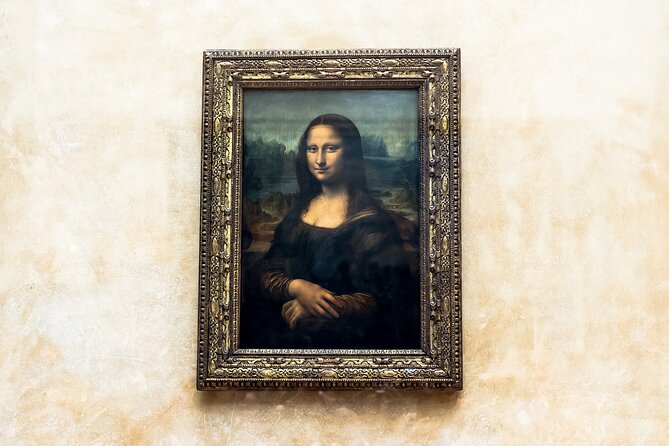
San Polo and Leonardo in the same walk is a smart combo. You get a private guide focused on Leonardo da Vinci’s links to Venice, plus a neighborhood stroll that shows you Rialto-side Venice beyond the usual photo stops. I love that the Leonardo da Vinci Museum ticket is skip-the-line, so you’re not stuck wasting time at ticket counters. I also like how the museum leans hands-on with interactive exhibits and high-resolution digital reproductions of da Vinci’s work. One possible drawback: the sights are tightly packed, so if you hate “on-your-feet” tours, you may want to choose the shorter option.
If you’re traveling with kids or you simply learn better by doing, this tour format works. The museum’s interactive mechanics and physics displays are built for questions, not just passive looking. You’ll also get extra context about the Venetian Golden Age and why this part of town mattered for trade.
In This Review
- Key highlights worth planning around
- Why San Polo + Leonardo works better than a museum-only day
- Start at Il Gobbo di Rialto: a meeting point that also sets the mood
- The Leonardo da Vinci Museum: digital reproductions, hands-on learning, and real momentum
- San Polo on the move: Rialto Bridge to the oldest church charm
- Ponte di Rialto and the market atmosphere: real Venice energy
- Chiesa di San Barnaba: the Leonardo machine room in an 18th-century church (optional stop)
- Your time window: 2 to 4 hours, and how to choose the right option
- Value and price: what $280.68 per person is really buying
- What you’ll likely learn (and why it’s more than trivia)
- Logistics that actually matter in Venice (without getting overly fussy)
- Should you book this private Leonardo and San Polo tour?
- FAQ
- What’s included in the Leonardo da Vinci Museum ticket?
- Is the Chiesa di San Barnaba ticket included?
- Where does the tour start and end?
- How long is the tour?
- What languages are offered?
- Is this a private tour?
Key highlights worth planning around
- Skip-the-line museum entry at your booked time, so you can walk straight in
- Private guide time for Leonardo, Venice, and the small details you’d miss alone
- San Polo street-level Venice, not just landmarks on a checklist
- Interactive exhibits featuring machines and inventions (good for adults and families)
- Optional Chiesa di San Barnaba stop with Leonardo-inspired mechanical displays in a small church
- Rialto Bridge and Rialto Market area for classic views and local atmosphere
Why San Polo + Leonardo works better than a museum-only day
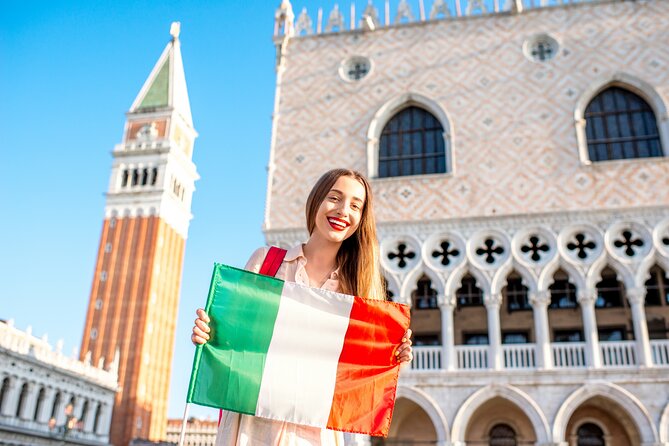
Venice can feel like two different cities. There’s the postcard Venice—big monuments, big views. Then there’s the Venice you actually need to understand: the neighborhoods, the trade routes, and the everyday pathways people used long before smartphones.
This tour brings you both. You start in San Polo and move through the Rialto area, then you slow down at the Leonardo da Vinci Museum where the story becomes physical: reproductions of his famous works plus inventions presented in ways that make you think like a maker. The walk also helps because you’re not just reading about Venice—you’re standing in the streets connected to the city’s commercial heart.
You can also read our reviews of more private tours in Venice

Start at Il Gobbo di Rialto: a meeting point that also sets the mood
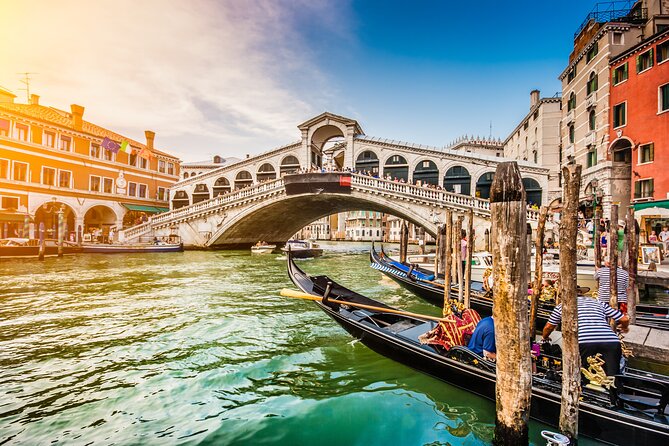
The tour begins by the statue of Il Gobbo di Rialto in Campo S. Giacomo di Rialto (30125 Venezia). It’s an easy anchor point, and it has that helpful Venice vibe: small squares, direct sightlines, and locals moving around like the city is just… doing its thing.
From the start, the tour is clearly built for flow. You head into the museum experience quickly, then you circle back out to Rialto landmarks and the market zone. That matters because Venice doesn’t do “wasted time” well. If you’re paying for a private guide, you want the schedule to feel intentional—and this one largely does.
The Leonardo da Vinci Museum: digital reproductions, hands-on learning, and real momentum
The centerpiece is the DA VINCI INTERACTIVE MUSEUM in the area of Campo S. Rosso. The big practical win is the museum ticket strategy: skip-the-line entry at your booked time, without waiting in the ticket-office line. In a city where lines can eat half a good morning, that’s not a minor perk. It’s the difference between feeling efficient and feeling stuck.
Inside, the museum focuses on Leonardo’s creations in a way that’s easy to follow:
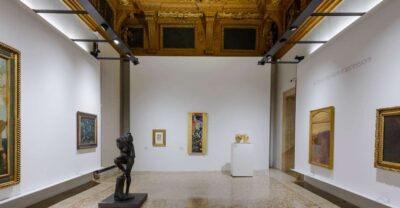
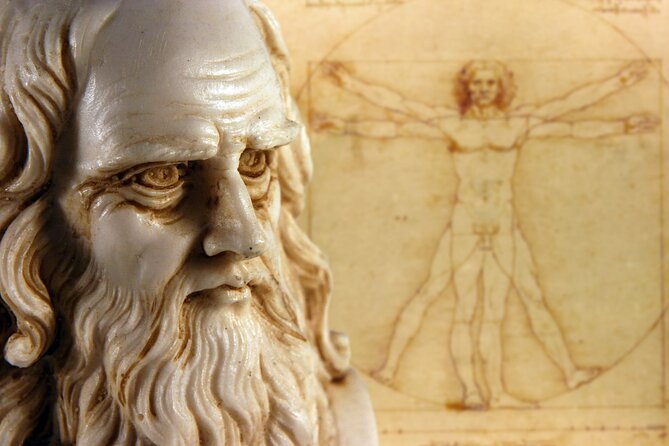
- High-resolution digital reproductions of Leonardo’s famous paintings and writings
- Machines and inventions presented so you can understand what the ideas were trying to do
- Interactive exhibits where you can play with concepts tied to mechanics and physics
For me, the best part is how the museum doesn’t treat Leonardo like a distant genius behind glass. You get repeated moments where you can push buttons, test ideas, and connect drawings to functions. If you like explanations that make sense on your feet—rather than long lectures—this museum format fits.
A note on pacing: the museum stop is listed as about 2 hours. That’s enough time to actually use interactive displays without rushing through everything. If you’re the type who wants to read every placard, you’ll probably want the extra time option later on.
San Polo on the move: Rialto Bridge to the oldest church charm

After the museum, you step back outside for classic landmarks. You’ll pass Rialto Bridge and San Giacomo di Rialto, described as the oldest church in Venice. Even if you don’t go inside, the guide context can change how you see these spots.
This is one of those “walk-through” segments that can either feel pointless or useful—depending on what your guide does with it. Here, the tour is designed to use the walking moments to connect Leonardo’s ideas to Venice’s older commercial world. You’re in the neighborhood that historically sat at the city’s trade center during the Venetian Golden Age, so the bridge and church landmarks become more than scenery.
Practical tip: these areas get busy, so if you’re photographing, expect to work around crowds. Your best bet is to pause when your guide stops, not when you personally feel like it.
Ponte di Rialto and the market atmosphere: real Venice energy
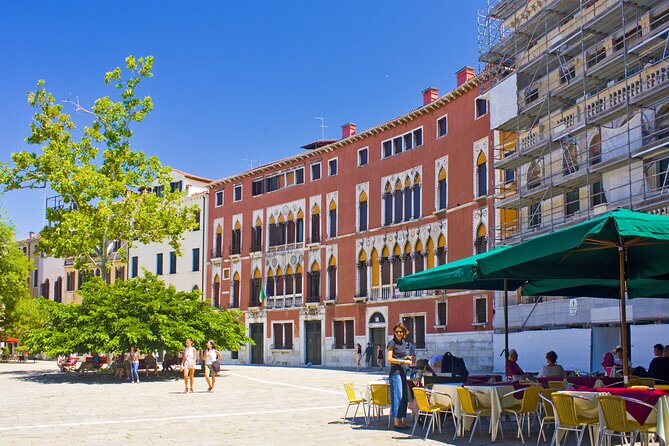
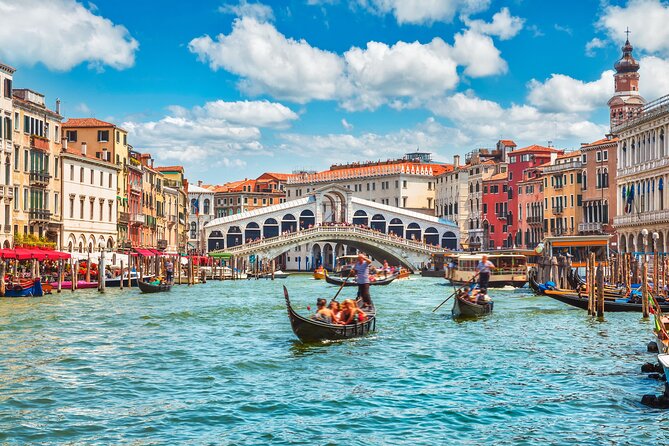
You’ll head toward Ponte di Rialto and then spend time around the Rialto Market area and Campo San Polo, with the Basilica of Santa Maria Gloriosa dei Frari in view during this stretch.
This is where Venice feels most alive, because markets are still markets. You’re not just looking at buildings—you’re walking through an area where people buy, sell, and pass time. The tour doesn’t promise a museum-level experience here, and that’s fine. The goal is atmosphere and orientation. If you’ve never visited Rialto before, this stop helps you understand where things are and why the neighborhood still matters.
One consideration: if you’re sensitive to crowds, plan your expectations. Market zones are lively, and Venice crowds don’t always thin out neatly just because you scheduled a private tour.
You can also read our reviews of more museum experiences in Venice


Chiesa di San Barnaba: the Leonardo machine room in an 18th-century church (optional stop)
If you select the longer option, you’ll add Chiesa di San Barnaba, a small 18th-century church in the Dorsoduro artsy district. This church is known for interactive mechanical, aerospace, and hydraulic machines invented by Leonardo—so yes, you get more of that “hands-on invention” feeling, just in a different setting.
Two reasons this stop is worth it:
- The setting is intimate. A small church changes the vibe from “museum hall” to “quiet workshop curiosity.”
- It connects Leonardo’s imagination to display concepts that make sense visually, not just academically.
There’s also a fun film connection. The church is well known for appearing in Indiana Jones and the Last Crusade, so if movies are your thing, you’ll likely get that extra spark when you see the space.
Important logistics detail: tickets to the church are included only in the 3 or 5-hour option. In the shorter 2.5-hour option, you won’t have those tickets included.
Your time window: 2 to 4 hours, and how to choose the right option

The experience runs about 2 to 4 hours, depending on which attractions you include. For most people, this tour is a smart way to combine:
- a major museum experience
- a neighborhood walk in San Polo
- a Rialto segment for orientation and atmosphere
- and, optionally, a second Leonardo-focused stop at San Barnaba
Here’s how I’d choose:
- Choose the shorter option if you want the museum highlight plus a taste of Rialto/San Polo without extending your day.
- Choose the longer option if you want more hands-on Leonardo ideas, especially if you enjoy the idea of seeing machines in a smaller, unusual setting like San Barnaba.
Value and price: what $280.68 per person is really buying
At $280.68 per person, you should view this as a “pay for time and guidance” purchase—not just a ticket bundle. You’re covering:
- a private walking format
- a licensed guide fluent in your chosen language
- skip-the-line museum admission
- and (depending on the option) regular tickets to San Barnaba
The skip-the-line piece matters most for value. If you show up to museums in peak Venice periods, time lost to lines can turn a great itinerary into an okay one. Here, the tour is designed so you enter the Leonardo museum at your booked time, avoiding that common frustration.
Is it expensive compared with a basic walking tour? Yes. But it’s also not the same product. If you care about Leonardo’s inventions and you want a guide to connect them to Venice’s context while you walk through San Polo, you’re paying for that specific “put it all together” experience.
What you’ll likely learn (and why it’s more than trivia)
This tour isn’t only about machines for machine’s sake. You also get explanation of Leonardo’s connection to Venice, plus context about the Venetian Golden Age—when the neighborhood of San Polo sat at the center of the city’s commercial trade.
That framing helps. Leonardo didn’t create in a vacuum, and Venice’s history affects how you interpret places and ideas around Rialto and its surrounding streets. When the guide connects a bridge, a church, and a neighborhood trade story to Leonardo-themed museum content, the city feels less like separate stops and more like a single story.
Also, the guide approach is clearly designed for questions. In past feedback, guides have been praised for making Venice history and cultural beginnings clear and easy to follow—one name that comes up is Stefania.
Logistics that actually matter in Venice (without getting overly fussy)
- Meeting and ending: the tour starts at Il Gobbo di Rialto and ends back at the meeting point. So you’re not left figuring out your next move from across town.
- Public transport nearby: it’s marked as near public transportation, which is useful if you’re combining this with other Venice plans.
- Mobile ticket: you’ll use a mobile ticket, so you’re not digging around for paper in a rainy minute.
Also, remember to check your email the day before the tour for important information. In Venice, small details can save you real time.
Should you book this private Leonardo and San Polo tour?
If you want a Venice day that blends a guided neighborhood walk with a major Leonardo-focused museum visit, this is a strong choice. The skip-the-line museum entry alone makes it more efficient than many “wing it” plans. And if you’re the kind of person who enjoys learning through interactive displays—especially mechanics and physics concepts—this tour format fits your style.
I’d skip it (or shorten it) only if you strongly dislike structured routes or you prefer a fully self-paced Venice day. The itinerary is built to move. It’s not a slow wander with zero timing.
If you’re deciding between a general walking tour and a Leonardo add-on, this one is better when you want both: context on the streets and hands-on Leonardo learning indoors.
FAQ
What’s included in the Leonardo da Vinci Museum ticket?
Skip-the-line tickets to the Leonardo da Vinci Museum are included, which means you can enter immediately at your booked time without waiting in line at the ticket office.
Is the Chiesa di San Barnaba ticket included?
It depends on the option. Tickets to the Church of San Barnaba are included in the 3 and 5-hour options, but not included in the basic 2.5-hour option.
Where does the tour start and end?
The tour starts at Il Gobbo di Rialto in Campo S. Giacomo di Rialto (30125 Venezia) and ends back at the meeting point.
How long is the tour?
The duration is listed as approximately 2 to 4 hours, depending on the selected option.
What languages are offered?
The tour is offered in English, and it also notes that the guide is fluent in the language of your choice.
Is this a private tour?
Yes. It’s a private tour/activity, so only your group participates. The tour also notes a guide-per-group size standard for guest comfort.