REVIEW · VENICE
Private tour on Murano Island: discover the art of Artisanal Glassblowing
Book on Viator →Operated by CITY TOURS CO. LTD · Bookable on Viator
Murano glass is one of those Venice things that looks like magic. This tour lets you watch the process up close on Isola di Murano, then pair it with a guided island walk that adds real context, including San Donato. I like that it’s private (so your guide can pace things for your group), and I also love the way the itinerary connects glassmaking with Murano’s stories, myths, and sights—like notes from guides such as Syria. One consideration: the factory stop often includes a showroom, so if you hate shopping pressure, go in with a plan before you’re led toward the purchase tables.
You’ll start in central Venice, glide out by boat, and spend the afternoon (about 3 hours total) learning how high-end Murano glass is made. I’d also flag timing: San Donato’s visit windows are limited, and a few guides can adjust the schedule, which can affect how long you have for walking and photos. If your day is tight, build in a little slack for boat timing and getting back to St. Mark’s.
In This Review
- Key things to know before you go
- Why this Murano glassblowing tour feels different from a quick shop stop
- From St. Mark’s area to Murano: the boat ride that sets the mood
- Isola di Murano: the glass demonstration and what to look for
- San Donato Church and Murano’s story: why the walking tour is the second half that matters
- Lagoon views and San Michele: the quiet payoff between stops
- About the factory showroom: how to enjoy it without getting steamrolled
- If you add Burano: lace and cookies as a second artisan spotlight
- Price and value: what $108.23 gets you in real terms
- What to wear and plan for: heat, timing, and what to expect on your feet
- Who this tour is best for (and who might prefer something else)
- Should you book it?
- FAQ
- How long is the Murano glassblowing private tour?
- Where does the tour start and end?
- What’s included in the tour?
- What does the tour include besides glassblowing?
- When can you visit San Donato?
- Is there an access fee for Venice visitors?
- Can I get a refund if plans change?
Key things to know before you go
- Private glassblowing demo at a working factory so you see hands-on technique, not just a shop display
- Boat time counts: a watertaxi ride to Murano and back is built into the experience
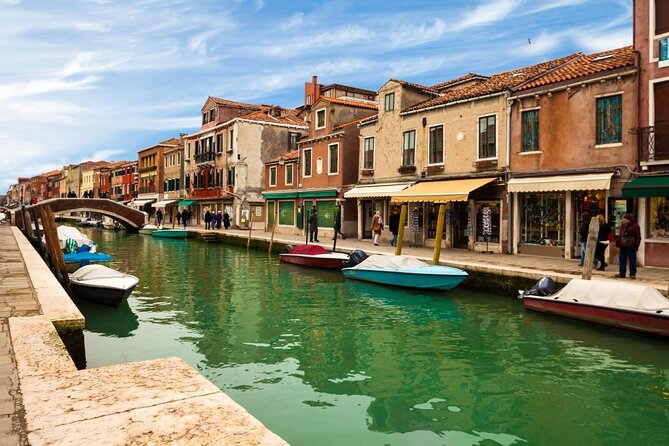
- Murano walking tour with major stops including the Church of San Donato and a Murano cathedral highlight
- Lagoon scenery as part of the tour with views past San Michele (Venice’s cemetery island)
- Optional Burano add-on for another artisan craft stop, if you choose that option
- San Donato opening hours vary by day, so your visit may be scheduled within set time blocks
Why this Murano glassblowing tour feels different from a quick shop stop
If you’ve only done the classic glass-shopping loop around Venice, you already know the problem: you can buy beautiful objects without ever understanding the work behind them. This tour is built around the work, not just the products. You get a close look at how molten glass becomes shaped, finished, and turned into something that can sit on a table at home and still feel like art from Venice.
The best part is the pairing. The glass demonstration is only the centerpiece; the guided walking tour afterward gives you the why—Murano’s artisan culture, the stories tied to the island, and the important churches you can actually visit. Guides like Nicola, Vittorio, and Giovanni are often singled out for explaining Venice life and the trade in a way that makes the whole island feel less like a theme park and more like a real working community.
There’s one trade-off. Murano is also a shopping destination, and the factory experience typically funnels you through a showroom where purchases are the end goal. I don’t mind having that option, but I’d go in knowing you may feel a stronger push than you would at a museum.
You can also read our reviews of more private tours in Venice

From St. Mark’s area to Murano: the boat ride that sets the mood
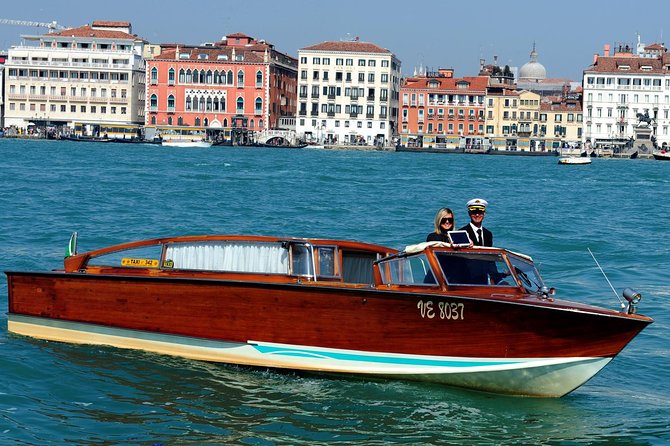
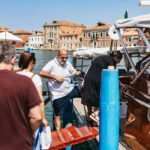
You meet at Venice Tours on Calle de le Rasse (4536), then the tour ends at St. Mark’s Square. That matters because it keeps you from needing extra transport after your island time. You’ll head out to Murano by watertaxi, which is the easiest way to experience the Venice lagoon without turning the day into a transit puzzle.
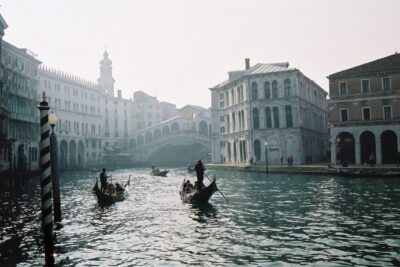
The boat ride is more than a ride. It’s where Venice’s island geography becomes real. You’ll pass in front of San Michele, the island tied to Venice’s cemetery, and you’ll see how the lagoon is really made of islands, water lanes, and changing views. In the afternoon, this is also the part that makes the day feel like a mini escape from crowds.
Practical tip: wear comfortable shoes. Murano’s streets are walkable, but you’ll be doing real island walking, and you don’t want to spend the best part of the day thinking about sore feet.
Isola di Murano: the glass demonstration and what to look for
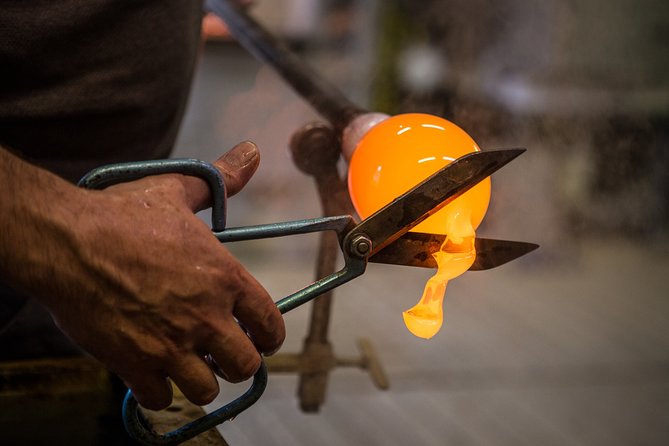
Your main stop is Isola di Murano. The tour is set up so you can feel what glassmaking is like before you try to understand it. You’re in the orbit of the furnace—warmth, sound, and that unmistakable workshop atmosphere. Then the artisan works the material in front of you, shaping it with clever technique and timing.
What I like about a good demo (and what this tour is built for) is that it shows the difference between seeing glass and knowing glass. Murano glass isn’t just decorated; it’s shaped and controlled. You’ll watch the transformation from molten glass into a unique object, and you’ll hear how the Venetian Republic once treated this craft as a safeguarded secret.
In some versions of this experience, you might also be offered a cool drink to make the wait and watching more comfortable—especially in warmer months. Even if drinks aren’t a big deal to you, the comfort piece matters: the demonstration is up close, and you’ll appreciate anything that helps you stay relaxed while you watch.
A real consideration: the demo itself can feel short, because the tour uses time to balance the factory portion with the island walk. If you’re hoping for an hour-long explanation of every tool and step, you might wish for more studio time. Still, for most people, this is a great “first exposure” to Murano craftsmanship.
San Donato Church and Murano’s story: why the walking tour is the second half that matters
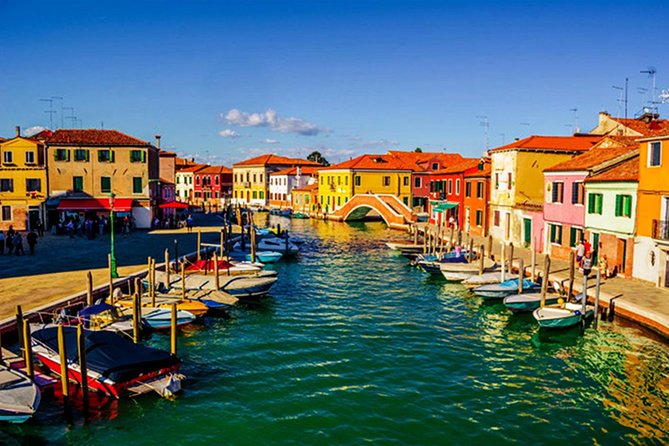
After the glass demonstration, you shift gears into a guided walking tour that’s meant to put the craft into context. You’ll get narration that covers Murano secrets and myths, and you’ll visit the Church of San Donato, which is described as a masterpiece of Venetian architecture and a major island symbol.
San Donato’s opening times are specific:
- Monday to Saturday: 9am–12pm and 3:30pm–7pm
- Sunday: 3:30pm–7pm
So if you’re visiting on a day when church access is limited, your guide will need to schedule around it. This is one of the reasons having a structured tour helps. Without it, you’d be guessing which streets to prioritize and whether you’d actually get inside.
There’s also a cathedral highlight on the Murano side of the itinerary: you’ll admire a breathtaking cathedral element as part of the island time. Even if you’re not a church superfan, it’s worth it here because the island is small, and these landmarks are part of the reason Murano feels like its own world rather than just a glass showroom on stilts.
Lagoon views and San Michele: the quiet payoff between stops
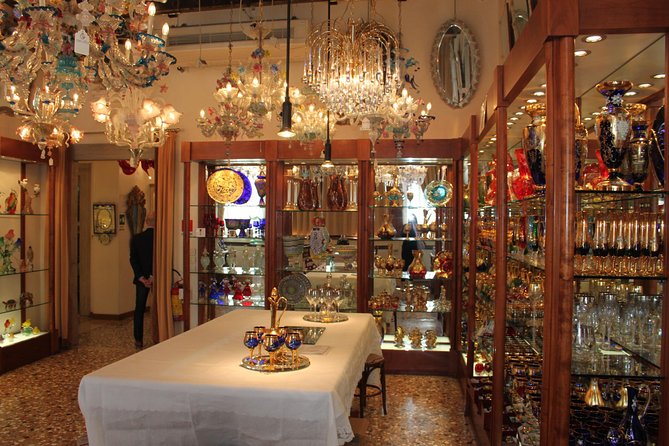
The boat route back and forth gives you repeated chances to see the lagoon from different angles. The key named sight is San Michele (the Venice cemetery island). Even if you’ve heard of it before, seeing it from the water helps the geography click—where Venice ends, where the water dominates, and how islands form the city’s real boundaries.
This part of the tour also helps with pacing. Glass demos can feel intense; walking can feel hot if you’re there in peak sun. The water break is a reset. You get time to look, take photos without rushing every step, and let the day’s story land in your brain.
If your schedule is tight, don’t pack it right up to the end time. You’ll want buffer time around getting back to St. Mark’s Square, because late boats and last-minute regrouping can happen in Venice.




About the factory showroom: how to enjoy it without getting steamrolled
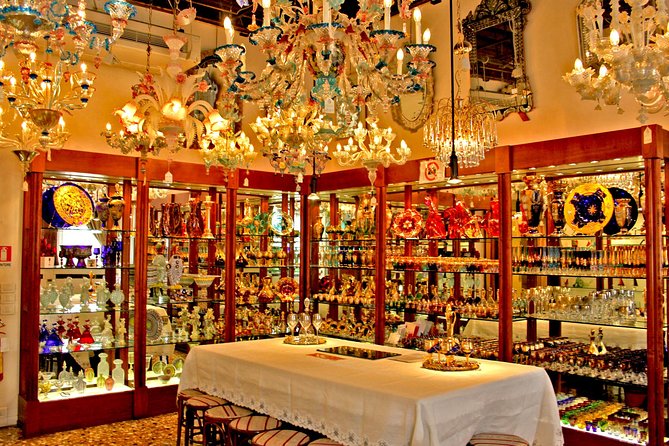
A theme in the feedback for this kind of Murano experience is that the demonstration is the art, and the showroom is the business. Many people love seeing the master artisan work and then browsing pieces to understand what they like. Others feel the process can turn salesy, especially when you’re moved through a store quickly after the demo.
Here’s how I’d handle it so you stay in control:
- Decide in advance whether you want to buy. If you don’t, focus on learning and looking only at lower-cost items or small pieces.
- If you might order something expensive, slow down. Confirm exactly how payment and delivery are handled if orders are involved, because the biggest disappointment stories tend to involve expensive purchases that don’t show up.
To be fair, a big portion of the enjoyment is exactly what you’d expect from Murano: the craftsmanship is visible. Even when the pressure to buy is real, the skill is also real. If you can accept the showroom as part of the craft economy, you can still have a very satisfying day.
Guides like Syria, Chiara, and Nicola often stand out for keeping the experience from feeling purely transactional. They can steer conversations toward history and technique, which makes your time feel more like learning than being pushed.
If you add Burano: lace and cookies as a second artisan spotlight
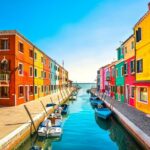
This tour can include Burano Island if you choose the option. When it’s part of your plan, you get a second craft element—often described alongside artisan lace-making. Burano also changes the mood visually: bright houses, calmer island feel, and a different kind of local identity than Murano.
In at least some versions of the day, you might also get a taste of traditional treats (the tour description doesn’t list food as included, but experiences describe sampling cookies as part of the artisan stops). Either way, Burano is a nice add-on if you want more than just glass.
The one warning is simple: more islands can mean less time per island. If glass is your #1 priority, keep expectations realistic and treat Burano as the bonus—not the main event.
Price and value: what $108.23 gets you in real terms
At $108.23 per person for about 3 hours, the value depends on what you’re comparing it to.
You’re paying for three things:
- A private guide (your Murano explanation and walking tour can be tailored)
- Boat transfers by watertaxi to and from Murano
- The glass demonstration at a working factory setting
If you tried to DIY this, you’d be piecing together route planning, finding a demo that matches your timing, and figuring out how to visit churches and walk the right streets efficiently. That’s hard to do without losing time. This tour gives you a structured plan that keeps the day moving while still staying unhurried for a Venice day.
Is it perfect value? Not for everyone. If you’re extremely sensitive to sales pressure, you may feel the factory showroom becomes the focus. Also, a few reports mention timing and transport quirks that can reduce how much walking time you get back on your schedule. Still, with a realistic mindset, the mix of boat + demo + island storytelling is what makes the price feel fair.
And small detail that matters: reviews for guides like Vittorio and Allegra often highlight that private pacing helps you get more out of the island walk, not just the factory portion.
What to wear and plan for: heat, timing, and what to expect on your feet
Venice doesn’t care about your itinerary. You still have to walk. Come prepared:
- Comfortable shoes are a must
- Plan for warmth while waiting around the demo area, since the glassworking environment can be hot
- Build buffer time around check-in and regrouping
Timing notes that can affect your experience:
- San Donato access is time-blocked (especially relevant on Sundays)
- The €5 access fee: on some dates, day visitors staying outside Venice may need to pay an access fee. Check cda.ve.it for which days apply and whether you qualify for exemptions.
Also, confirmation happens at booking time, and the tour uses a mobile ticket. That’s handy in Venice, where paper tickets can turn into a rummage hunt.
Who this tour is best for (and who might prefer something else)
This tour is a strong fit if you want:
- Glassblowing plus context, not just photos of finished items
- A smooth lagoon plan with boat transfers handled
- A private guide who can keep the tempo right for your group
It’s especially good for first-time Venice visitors who want a meaningful Venice craft experience without spending hours organizing transport. It also works well for families, since the guide’s history explanations can make the day feel like more than a showroom stop.
If you’re the type who hates shopping and wants zero pressure, you can still enjoy the demo and the Murano walk, but you’ll want to mentally prepare for the showroom portion. If you only want to see glassmaking in depth for a long time, you might feel the demo is short compared to your expectations.
Should you book it?
Book it if you want a structured, private way to see how Murano glass is made, then turn that into an island walk with real landmarks like San Donato. The boat transfer and guided pacing are the parts that usually make the difference between a “nice afternoon” and a day that actually sticks in your memory.
Skip or consider alternatives if:
- You’re very price-sensitive and only want free-choice browsing
- You strongly dislike factory showrooms
- Your schedule is so tight that a small boat delay would ruin the rest of your day
If you can handle a showroom moment and you like learning while you look, this is one of the more sensible ways to do Murano glass during a short Venice visit. And if you end up with a guide like Syria, Nicola, Vittorio, or Giovanni, you’re set up for a day that’s equal parts craft and Venice storytelling.
FAQ
How long is the Murano glassblowing private tour?
It lasts about 3 hours.
Where does the tour start and end?
It starts at Venice Tours, Calle de le Rasse, 4536, 30122 Venezia VE, Italy and ends at St. Mark’s Square, Piazza San Marco, 30124 Venezia VE, Italy.
What’s included in the tour?
You get a private guided tour for about 3 hours with commentary, watertaxi to Murano and back, a glass demonstration, and a guided walking tour of Murano. Burano Island visit is included only if you select that option.
What does the tour include besides glassblowing?
You’ll also walk around Murano with a guide, with stops that include San Donato Church and a cathedral highlight. You’ll also pass San Michele (Venice cemetery island) during the boat ride.
When can you visit San Donato?
San Donato visit times listed are Monday–Saturday 9am–12pm and 3:30pm–7pm, and Sunday 3:30pm–7pm.
Is there an access fee for Venice visitors?
On certain dates, day visitors staying outside Venice may need to pay a €5 access fee. You can check details and exemptions at https://cda.ve.it.
Can I get a refund if plans change?
Yes. Free cancellation is available up to 24 hours in advance for a full refund.