REVIEW · VENICE
Murano, Burano and Torcello Half-Day Sightseeing Tour
Book on Viator →Operated by Bucintoro Viaggi · Bookable on Viator
Three islands, one lagoon ride: half a day. This tour is built for quick understanding of how the Venetian Lagoon works—by motorboat first, then short walks that help you connect the dots. You also get an onboard narrative so the names you’ll hear—Santa Fosca, lace-making, even glass history—make sense fast.
I love the chance to watch Murano glassblowing in a working factory setting, not just a shop display. I also like how the route ties culture to place: Byzantine church details on Torcello and Burano’s lace tradition paired with those unmistakably bright houses.
The main drawback is timing. Even with guided context, the time per island can feel short, and on-board audio can be hit-or-miss, so plan to prioritize what you want most before you step off the boat.
In This Review
- Key things I’d focus on before you go
- Why Murano, Torcello, and Burano is a smart half-day combo
- The lagoon ride from St Mark’s Square (and what to expect on board)
- Murano: glass factory viewing plus island sights in one tight stop
- The live demonstration (the part you’ll remember)
- Walking time and what you may spot
- How to make Murano feel less rushed
- Torcello: Byzantine Santa Fosca, Attila’s throne, and the Devil’s Bridge
- Santa Fosca and the Byzantine church look
- Quick hits: Trono di Attila and Ponte del Diavolo
- A timing thought
- Burano: lace shops, a lace museum stop, and fishermen’s colorful houses
- Lace tradition you’ll actually understand
- Painted houses and what to do with your walk time
- How much time you really get (and how to not miss the good parts)
- Price and value: is $25.53 a good deal?
- Who should book this tour (and who should skip it)
- Should you book this Murano, Torcello, and Burano half-day?
- FAQ
- How long is the Murano, Burano and Torcello tour?
- What islands are included?
- Are the tour descriptions in English only?
- How long do you spend on each island?
- Is entry to Torcello churches included?
- What’s included in the tour price?
- Are meals included?
- Where does the boat depart from?
- Are pets allowed?
- Is the tour dependent on weather?
Key things I’d focus on before you go
- Murano glassblowing live: watch master glass blowers at work, then keep your eyes open for the craft around the island.
- Torcello’s Santa Fosca: this is where the Byzantine look shows up clearly, plus quick stops like Trono di Attila.
- Burano lace plus color: lace shops/museum time combined with strolling the fishermen’s painted houses.
- Short island windows: the tour is designed for an overview, so you’ll move at a steady pace.
- Shared boat logistics: staged departures and small boats can add waiting, which affects how relaxed the experience feels.
- Bring your own audio backup: some boats have muffled or hard-to-hear speakers.
Why Murano, Torcello, and Burano is a smart half-day combo
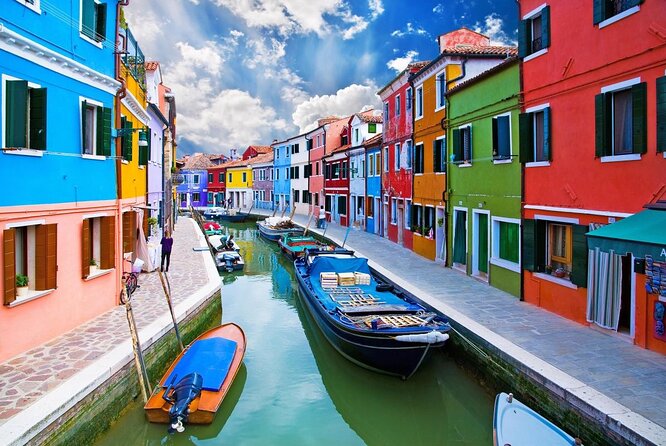
If you only have one afternoon in Venice, this route is a practical shortcut. You hit the lagoon’s most famous islands in one go, instead of juggling schedules and changing boats like a part-time planner.
What makes it worth considering is the variety packed into the same window: Murano for glass, Torcello for older sacred architecture and atmosphere, Burano for lace and color. That mix helps you understand why the islands matter historically and how they’re experienced today.
The big thing to manage is expectations. This is not a slow, in-depth walking tour where you linger for hours in one place. It’s a guided circuit with time slices, so you’ll get highlights more than full immersion.
You can also read our reviews of more tours and experiences in Venice


The lagoon ride from St Mark’s Square (and what to expect on board)
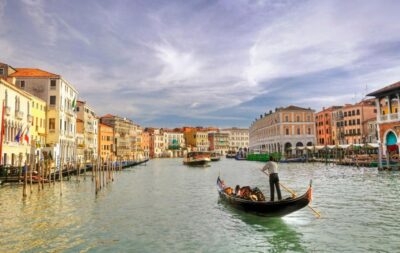
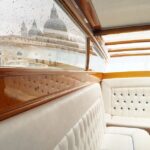
The tour starts at St Mark’s Square, and you’ll see Venice from the water early in the trip—often a nice way to get your bearings. You’ll be on a shared motorboat, and that matters: you’ll be moving with a group, not drifting like you would on a private boat.
One reality check: the commentary is delivered through speakers, and several visitors report that it can be difficult to hear clearly due to the audio quality and microphone setup. If you rely on spoken details, I’d bring simple backup tactics—stand closer when you can, and don’t assume every word will land.
Group size also changes the feel. The tour caps at 90 travelers, and staged movement between islands can create short bursts of waiting. That’s not unusual for shared boat tours, but it explains why some people feel rushed once they reach the land stops.
Murano: glass factory viewing plus island sights in one tight stop
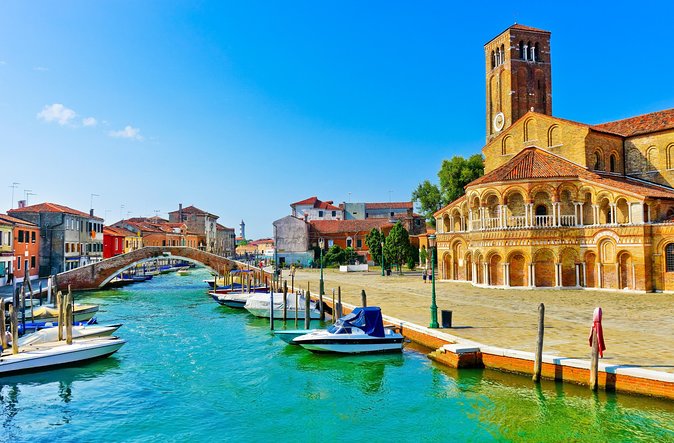
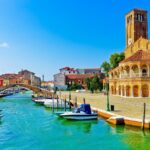
Murano is the first island for a reason. You’ll step off the boat and get oriented in a cluster of canal-separated isles, with the big Murano story right up front: glassmaking.
The live demonstration (the part you’ll remember)
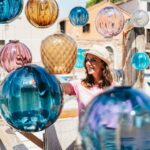
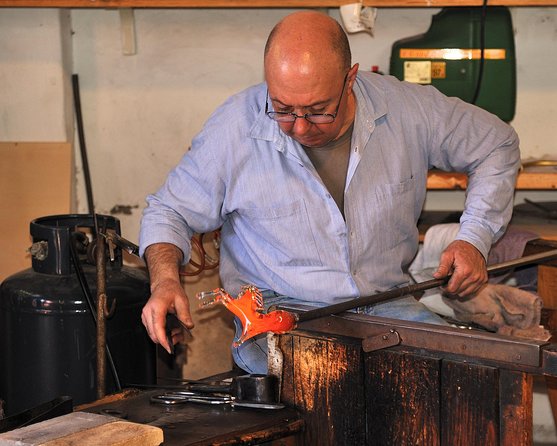
You’ll visit a glass-blowing factory where you can watch master glass blowers work. Murano’s glass tradition is described as dating back to 1291, and your guide ties it to the island’s rise—especially when Murano became a European center of glassmaking in the 1400s and 1500s.
This is the best use of your limited time. Shops can always be visited, even later. A real-time glassblowing moment is fleeting, and seeing how the process works makes the souvenirs mean more.
Walking time and what you may spot
After the demonstration, you’ll have time to explore Murano’s center with your guide. The tour highlights include sights such as churches decorated with mosaics and ornamental details.


How to make Murano feel less rushed
- Aim for photos of the big glass-making moments first, then switch to street-level details.
- If you want to shop, treat it as a second wave. Lots of Murano energy goes into factories first, so browsing comes after.
Torcello: Byzantine Santa Fosca, Attila’s throne, and the Devil’s Bridge
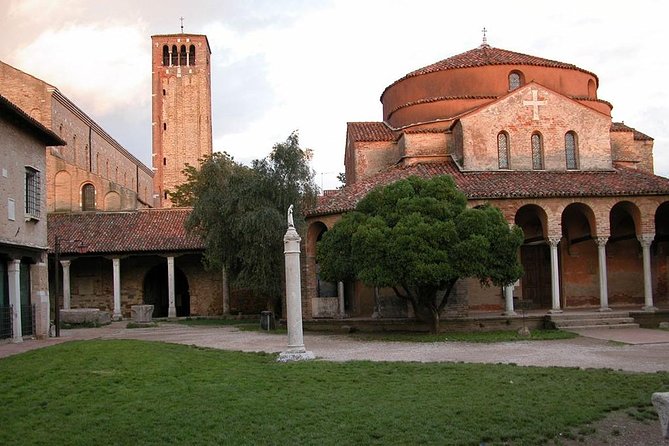
Torcello is quieter and older-feeling than the other two. It’s also where you’ll get some of the strongest “place meaning” from the short stops, because the landmarks are distinct and easy to recognize even in brief visits.
Santa Fosca and the Byzantine church look
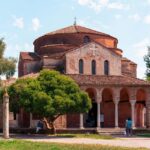
A highlight here is the Church of Santa Fosca in the main square. The tour frames it as a fine example of Venetian-Byzantine style, and it specifically mentions elements like ornate palaces/churches and the excavated remnants tied to the church’s early features.
You’ll also hear about Santa Maria Assunta, described as founded in the 7th century, plus the baptistery remains associated with Santa Fosca.
Quick hits: Trono di Attila and Ponte del Diavolo
The tour also includes short photo-friendly moments:
- Trono di Attila: ancient “Attila’s throne,” standing in the middle of Torcello.
- Ponte del Diavolo: the Devil’s Bridge, which the tour notes preserves the shape of ancient Venetian bridges.
These stops don’t take long, but they’re the kind of things that make your visit feel like more than just passing through.
A timing thought
Some visitors feel Torcello is the least practical island to spend time on, especially if you’re hoping for lots of open shops or long wandering routes. If that worries you, treat Torcello as a history-and-architecture stop, not a shopping stop. Look, take in the church, then let your time be about atmosphere.
Also note: entrance fees to the Torcello church are listed as not included—so budget a little for that.
Burano: lace shops, a lace museum stop, and fishermen’s colorful houses
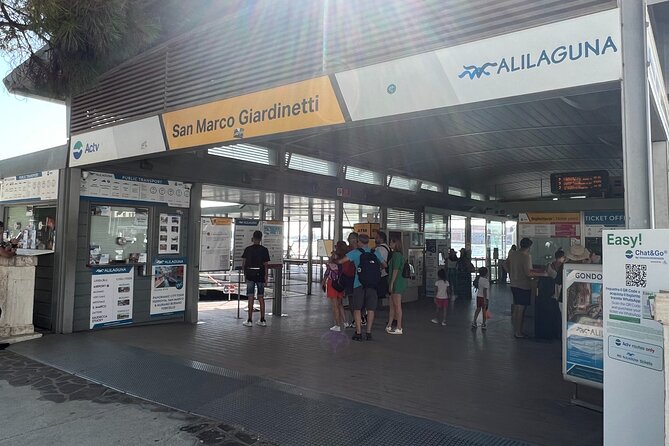
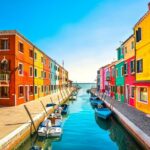
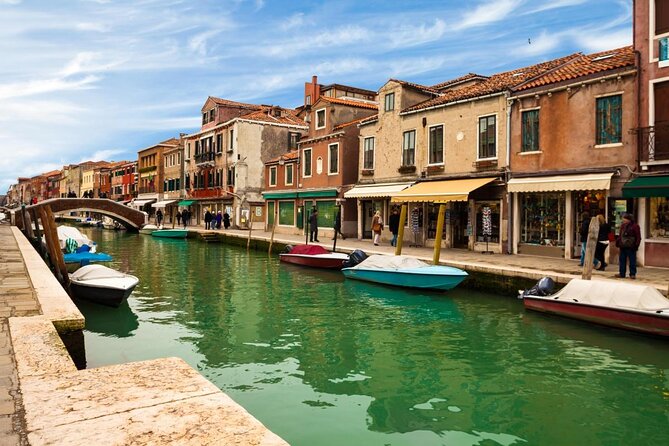
Burano is the crowd favorite for a reason: the island looks like it’s been designed for your camera. And it’s not just the color. Burano also has a real craft identity tied to lace-making.
Lace tradition you’ll actually understand
The tour ties Burano’s lace production to the 16th century, when lace was said to be among the best in Europe. You’ll visit local shops and a museum to admire high-end lace on display, which helps you see the skill behind the products.
This is a good stop if you like the idea of buying a souvenir that reflects a craft tradition, not just a mass-made trinket.
Painted houses and what to do with your walk time
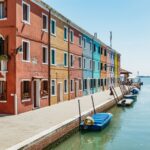
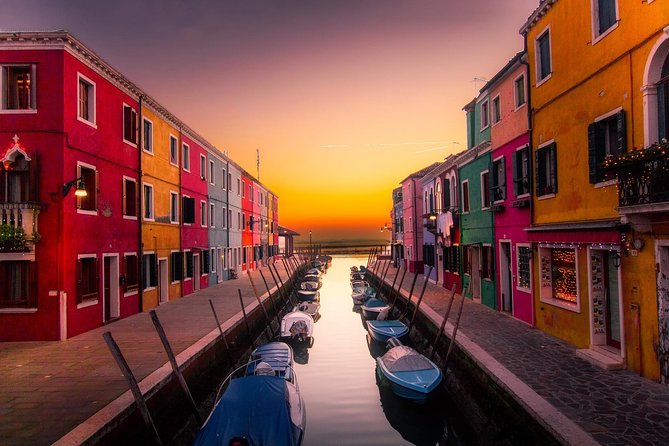
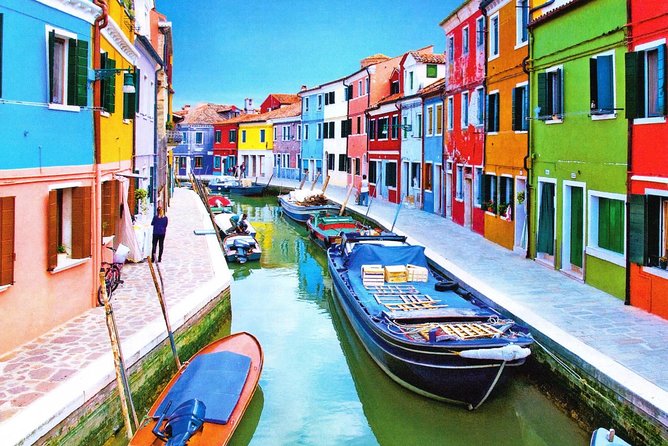
Burano’s fishermen’s houses are the other anchor of the visit. Spend your walk looking for side streets and front-facing canal viewpoints—those are where you get the most postcard-level color.
One practical truth: Burano is also the stop where time can feel most limiting. It’s bigger than Murano (and feels livelier), so you may have to choose between extra photos and grabbing a snack.
How much time you really get (and how to not miss the good parts)
The schedule works in “chunks,” and that’s what can make the experience feel either perfect or slightly frantic.
- You’ll spend around 50 minutes on each island (Murano, Burano, and Torcello).
- Another note says the time on each island is between 30 to 40 minutes.
- Add the time to move as a group, re-board, and handle small delays, and you can see why some people report feeling rushed.
So here’s my practical game plan:
- Pick your top priority on each island before you leave Venice.
- Do the “must-see” first (Murano glassblowing, Santa Fosca, Burano lace houses).
- Then treat the remaining minutes as a wander window, not a deep exploration.
Audio matters too. Some guides are reported to speak in more than one language during the tour, and the microphone setup can make it hard to follow every detail. If you’re sensitive to that, don’t stress—just use the guide for names and big story beats, then rely on your own eyes for the rest.
If you want an example of the kind of guiding people describe, some commentary names mentioned include guides such as Sharon and Helen providing clear narration (and helpful timing cues). That’s not universal, but it hints at the style you may experience.
Price and value: is $25.53 a good deal?
At $25.53 per person, the value depends on what you want from the islands.
This ticket includes:
- a tour leader
- transportation by shared motorboat between Venice and the islands
- the Murano glass-blowing factory visit
If your main goal is to compress logistics and see the core highlights in one shot, the price can feel fair. You’re paying for not having to coordinate boats across the lagoon, plus getting access to a structured glass demonstration.
If your goal is to wander slowly, eat where you like, and spend extra hours in Burano, you may feel boxed in. In that case, some people find it cheaper to do things on your own using vaporetto/public boats and craft your own pace.
My advice: this is a great first pass. If you fall in love with Burano color or want a longer Murano glass day, you can always come back for a second trip on your own schedule.
One more cost to consider: the tour notes that if you’re doing a day trip to Venice while staying outside the city, there may be an access fee on certain dates. That’s separate from the tour price, but it can affect your total day budget.
Who should book this tour (and who should skip it)
This fits best if you’re:
- short on time and want Murano + Torcello + Burano in one afternoon
- interested in a fast overview with expert-style narration
- curious about glass and lace as living crafts, not just souvenirs
- okay with “see it, then move on” pacing
You might skip it if you:
- hate being rushed and want long free wandering windows
- rely on clear spoken narration and get frustrated by hard-to-hear audio
- want lots of on-island guidance and detailed walking stops (this tends to be more of a circuit than a deep guide-led stroll)
- are looking for the quietest lagoon experience, since shared boats and group timing can feel crowded at landings
If you’re traveling with kids, this can still work because it’s activity-forward—boat ride, big landmarks, and colorful Burano streets. Just plan snacks ahead because meal time inside short stop windows can be tight.
Should you book this Murano, Torcello, and Burano half-day?
Book it if you want a simple way to see the lagoon’s highlights with transport handled and craft moments built in. The Murano glassblowing stop and Burano lace focus are the two parts that make this tour feel more than just a ferry ride.
Skip it (or at least consider doing it on your own) if you want long, slow time on each island or if you’re easily annoyed by short stops and speaker-audio issues. In that case, you’ll likely enjoy Venice more by using public boats and building your own pace.
If you do book, do two things: arrive a little early and review the exact meeting time on your ticket/voucher. Small mismatches can cost you minutes—minutes you don’t have to spare on an island-hopping schedule.
FAQ
How long is the Murano, Burano and Torcello tour?
The duration is about 4 hours 30 minutes.
What islands are included?
You’ll visit Murano, Burano, and Torcello.
Are the tour descriptions in English only?
The tour is offered in English.
How long do you spend on each island?
The schedule lists about 50 minutes at each island, and the tour also notes that time spent on each island is between 30 to 40 minutes.
Is entry to Torcello churches included?
No. Entrance fees to the Torcello Church are not included.
What’s included in the tour price?
It includes a tour leader, a visit to a glass-blowing factory at Murano, and shared motor-boat travel between Venice, Murano, Burano, and Torcello.
Are meals included?
No. Lunch and meals are not included.
Where does the boat depart from?
The boat leaves from St Mark’s Square.
Are pets allowed?
No, pets are not allowed.
Is the tour dependent on weather?
Yes. It requires good weather, and if canceled due to poor weather you’ll be offered another date or a full refund.