REVIEW · VENICE
Palladio. A wonderful live tale through time&soul, from Ve/Pd/Vr
Book on Viator →Operated by Palladian Routes · Bookable on Viator
A time-traveling Palladio day in Vicenza. This private experience turns Andrea Palladio and the Veneto into a live story, with you bouncing between UNESCO sights and architecture that links eras. It’s Venice’s presence in everything you see, then a slow shift into Vicenza’s ideas and the villas that spread them far beyond Italy.
I especially love two things. First, the pace is story-led, with an on-the-ground guide who can connect facades, frescoes, and design ideas into one clear timeline. Second, the included moments feel real and memorable: a private reception in a palace and an aperitif back in the Palladian loggia, not just a checklist of monuments.
One possible drawback: not every major villa entrance is included. Villa La Rotonda and Villa Foscari have entry excluded, with Villa La Rotonda tied to seasonal opening rules—so you may need to pay extra or treat it as a “see it from the right side” day if access is limited.
In This Review
- Key things to know before you go
- Paying for Palladio: what your money actually buys
- Door of Time at Villa Chiericati: a stop that sets the mood
- Palazzo Valmarana Braga reception: frescoes, UNESCO context, and a private welcome
- Piazza dei Signori and Basilica Palladiana: Vicenza’s living room and its craft underbelly
- Strada Maior and Contrà Porti: two streets where ideas feel physical
- Palazzo Chiericati museum: where Venice showed up on the river landing
- Teatro Olimpico: ancient theater design with a modern show
- Palladio Museum and its models: the fastest way to understand how Palladio designed
- Second round at Palazzo Valmarana Braga: an aperitif with a built-in history lesson
- Villa La Rotonda: the big icon, with seasonal and ticket realities
- Villa Foscari: a front-facing stop that may become a ticketed visit
- Getting the best out of the day (without getting tired)
- Should you book Palladian Routes for Palladio?
- FAQ
- Is this tour private?
- How long is the experience?
- Do they offer pickup in Venice?
- Are entrance tickets included?
- Does the tour include lunch?
- Is the tour offered in English?
- Is there an extra Venice access fee on some dates?
- What is the cancellation policy?
Key things to know before you go
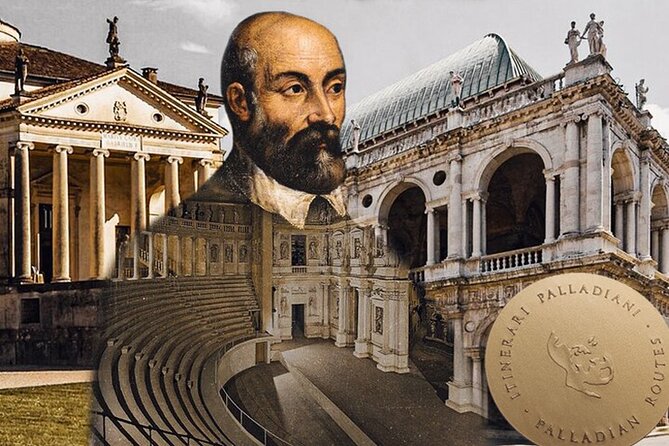
- Private van + short transitions: You spend less time figuring out transport and more time watching the architecture change.
- Reception in Palazzo Valmarana Braga: It’s not a quick photo stop; it’s a proper welcome with context.
- Basilica Palladiana terraces + arcades: You get the big viewpoint and the craft details underneath.
- Teatro Olimpico with light and sound: The theater isn’t just seen—it’s staged.
- Models at the Palladio Museum: Wooden villa models help you understand how Palladio thought.
- Aperitif in a Palladian loggia: You close with atmosphere, quotes, columns, and a toast.
Paying for Palladio: what your money actually buys
At $612.81 per person for about 8 hours, this is not the budget end of the spectrum. You’re paying for private transportation, a guided, narratively structured route, and—most importantly—multiple entrance fees that would cost a lot if you lined them up yourself.
You also get included experiences that feel like access, not just admission. That means the palace welcome, the included museum and theater entries, and the alcoholic aperitif in the Palladians’ setting, plus a small final Palladian gift.
What’s not included is just as important. Lunch is not part of the price, and two of the marquee villas—Villa La Rotonda and Villa Foscari—have entry excluded. Also, Villa Chiericati is framed as a Door of Time stop with no entry, and its ticket isn’t included, so you’re going to experience it from the outside.
You can also read our reviews of more tours and experiences in Venice.

Door of Time at Villa Chiericati: a stop that sets the mood
You start with Villa Chiericati, presented as THE DOOR OF TIME. It’s described in a romantic, ruin-like way, and the point is the portal feeling: you’re meant to pass from the modern moment into Palladio’s web of ideas, moving backward toward Athens and forward toward Washington.
Here’s the practical bit: it’s a no-entry experience. You’re not going inside, and the admission ticket is not included, so manage expectations like you would for a dramatic viewpoint or a carefully staged exterior moment.
This kind of opener works well because it frames everything that follows. Instead of “look at this building,” the day starts with “look at how ideas travel.”
Palazzo Valmarana Braga reception: frescoes, UNESCO context, and a private welcome
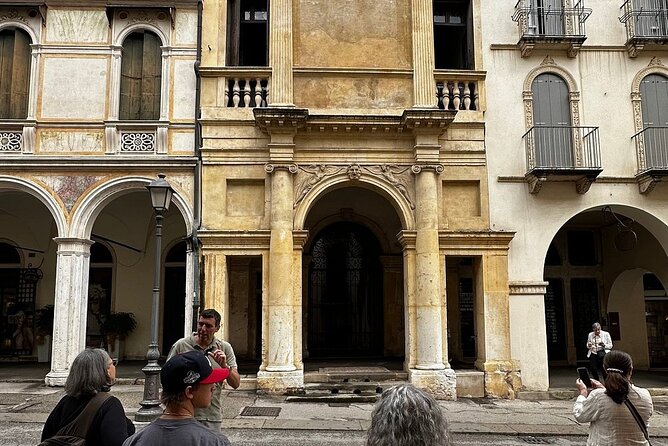
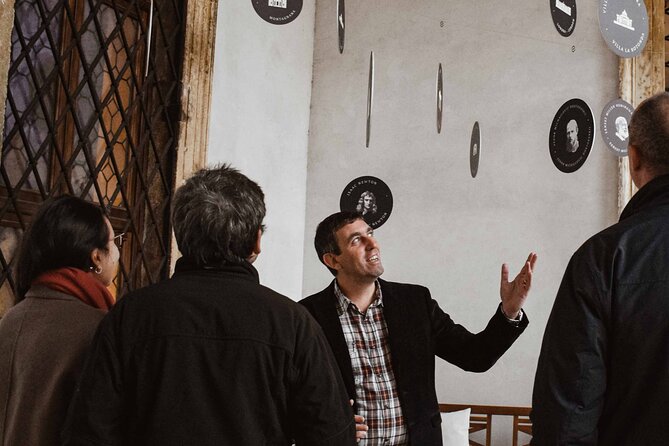
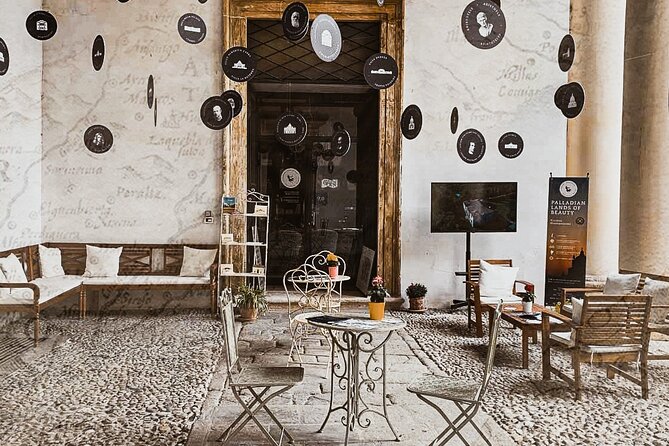
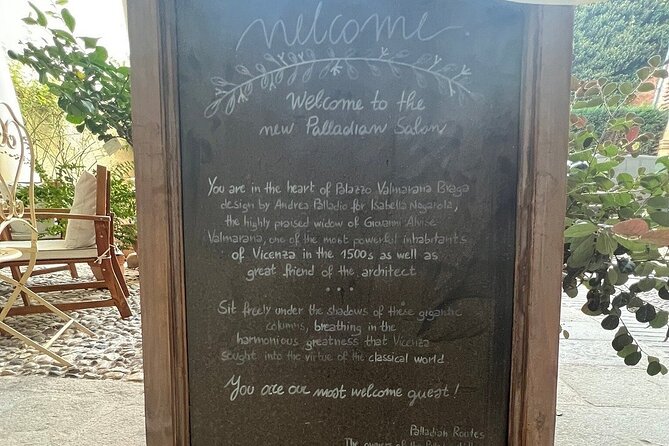
The atmosphere changes at Palazzo Valmarana Braga—this is where the tour turns from sightseeing into a hosted experience. You’re introduced to the UNESCO Heritage story in the context of one of the most beautiful Palladian-area palaces, and you also get a guided look at standout features.
Keep an eye out for the extraordinary facade and the Renaissance fresco with its cosmology on the ceiling of the Count’s study. The tour also highlights an ideal reconstruction of what the Empress of Austria saw during a visit to these spaces, which helps you understand why these villas and palaces became more than local architecture.
The value here is that you’re not only looking at art—you’re being coached on what it meant and how Palladianism spread through the fabric of places beyond Vicenza.
Piazza dei Signori and Basilica Palladiana: Vicenza’s living room and its craft underbelly
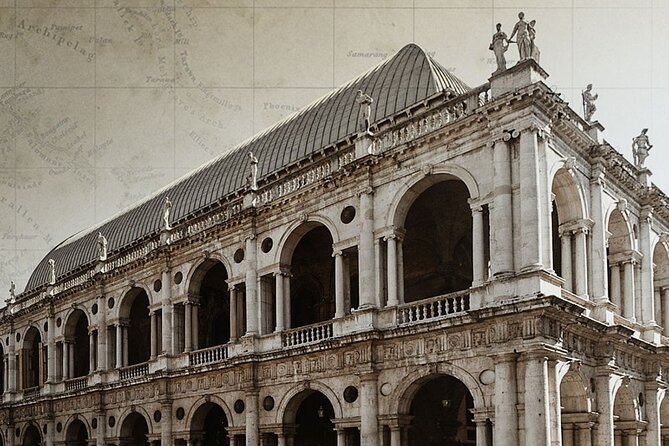
Next comes the Piazza dei Signori, treated as Vicenza’s living room. It’s a short, relaxing stop, but the point is learning how the square functions like a patrician salon—viewpoints and social power wrapped into one public space.
Then you move into Basilica Palladiana, where the tour offers the best of two worlds: a climb up for terrace views and a descent through the arcades. From the terraces, you admire the view framed like a cameo over Piazza dei Signori, and below you get the Vicenza tradition of goldsmith work showcased through the Jewelry Museum.
This pairing is smart. You get the grand visual composition, then you shift to the smaller-scale craft. If you care about how money, taste, and design show up differently at street level, this is a strong moment of the day.
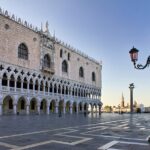
Just in front of the basilica, there’s also a “Venice is silent, but present” pause at the loggia. The idea is a Palladian contrast—Vicenza and Venice sharing the same scene—so you start spotting how Venetian influence lingers even when the city you’re in is unmistakably Vicentine.
Strada Maior and Contrà Porti: two streets where ideas feel physical
After the big architectural statements, the day leans into walking atmosphere. Strada Maior is where you honor Andrea Palladio, and it’s described as the most important street in Vicenza. It also acts like a thread connecting main Palladian works that form part of the UNESCO heritage.
This section is about seeing architecture as the background to everyday life. You pass historic shops and watch buildings frame normal street movement—exactly how a living city stays living, not frozen into a museum setting.
Then you get Contrà Porti, framed as a meeting point between the virtue of the ancients and the genius of new men. It’s presented as a street where layers of history and cultures overlap, with a Renaissance-side north and a Reformation influence coming from the continent.
You’ll appreciate this stop if you like the “architecture as argument” angle. Streets here aren’t just pretty routes; they’re presented like places where beliefs and styles collide.
Palazzo Chiericati museum: where Venice showed up on the river landing
At Museo Civico di Palazzo Chiericati, the tour zooms in on the idea that Vicenza’s civic life and Venetian art are linked. The palace façade is imposing, and the tour notes it as a river landing place from Venice—an interesting framing that makes the museum feel like an offshoot of Venetian power.
Inside, you focus on Venetian artworks and key names such as Tintoretto, Veronese, and Sansovino, among others. The tour’s emphasis is also on the main floor portraits of the men who helped “create” the architect—so the museum isn’t only about objects. It’s about people, patrons, and the human network behind the designs.
If you’re the kind of visitor who likes to understand how art and architecture become possible, this museum stop gives you something tangible to hold onto.
Teatro Olimpico: ancient theater design with a modern show
Next is Teatro Olimpico, and the day treats it like THE DREAM. It’s an entry-included stop, and you get more than a static visit.
The theater is described as the first covered theater in history and also tied to Palladio’s ideal of Greek performance, pursued by Palladio and his clients. Expect an atmosphere supported by a light and sound show, which matters here because theaters are meant to be experienced.
I like this stop for a practical reason: it resets your brain. After palaces, streets, and museums, this brings motion, scale, and drama back into the day—without adding travel time.
Palladio Museum and its models: the fastest way to understand how Palladio designed
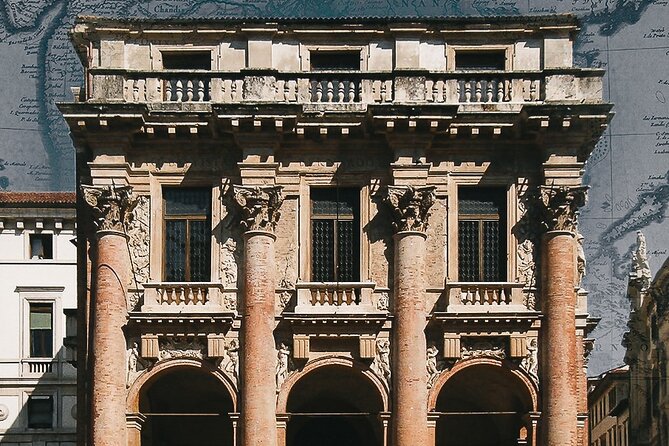
At the Palladio Museum, the focus shifts to method. You explore the legacy of Palladio’s villas through close observation of wooden models, which is a surprisingly effective way to learn the logic behind the buildings.
This is where “I’ve seen it” turns into “I understand how it works.” Models help you connect what you noticed outside—proportions, openings, how spaces sit—into the design choices Palladio repeated and adapted.
There’s also an extra perk: the tour notes you can sometimes access opening-times flexibility, opening the museum for you even outside standard hours. That’s useful because a day built around many stops can otherwise get squeezed by timing.
Second round at Palazzo Valmarana Braga: an aperitif with a built-in history lesson
Before the villas, you return for a private aperitif in the Palladians’ loggia. This is one of the best “slow down” moments of the day: you toast in a magical place among quotes of the ancients and the gigantic columns that evoke virtue.
It’s a social break, but it’s also part of the storytelling. The tour uses this space to underline the idea that you’re standing where nobles of Vicenza once believed greatness would travel beyond borders—an idea Palladio’s work basically made real.
Villa La Rotonda: the big icon, with seasonal and ticket realities
The day’s most famous stop is Villa La Rotonda, also called Villa Capra, described as THE TEMPLE OF MAN. Entry is excluded, so you should treat this as a “planned for, ticket dependent” moment.
You can reach it by pedaling a comfortable Palladian e-bike, if you choose that option. Otherwise, you travel by the group’s vehicle to the villa area.
The key practical detail: Villa La Rotonda entry has tight rules. Access is stated as available only until 10 December and starting 11 March, excluding Mondays. Also, Tuesday to Thursday entry is described as exclusive in this program, while the villa is normally closed to the public on these days.
So if you’re scheduling around it, double-check your dates. If the timing doesn’t line up, you may still see the villa and its setting, but you might not be able to enter.
One more thing I’d highlight based on how this tour can flex: in some cases, your visit may include additional access that isn’t normally part of the standard experience. It isn’t something you can count on like a guaranteed feature, but it’s good to know the guide can sometimes personalize within what’s possible.
Villa Foscari: a front-facing stop that may become a ticketed visit
Finally, you reach Villa Foscari, framed as TOWARDS HISTORY. Here the emphasis is mostly on what you can learn from the building’s form and signature features—especially the pronaos appearing on the main facade where a loggia might have been.
The villa is described as majestically dominating the placid Brenta canal, and the stop is positioned as the start of a design language that transcends borders—“Palladianism” as an export, not a local style.
Entry is excluded, but there’s an option: possible entry on opening days may be available for an extra cost, and doing so can reduce the Vicenza program proportionally based on your indication. Translation: if Villa Foscari is a priority for you, you’ll want to communicate that early so the schedule can adjust.
Getting the best out of the day (without getting tired)
This is a full day built on transitions and attention. Wear comfortable shoes because you’ll be on terraces, under arcades, and walking between major stops in Vicenza.
Bring something for the basics: water, and a layer. Even in spring and fall, Italian days can swing, and you’ll be out enough hours that it pays to stay comfortable.
Most importantly, decide what you want from the story. If you love how architecture connects across time—Athens to Palladio’s world to the later influence—you’ll enjoy the pacing. If you want a slow museum day with lots of free time to wander, this format may feel tight.
Should you book Palladian Routes for Palladio?
Yes, if you want one guided day that connects Palladio’s work into a coherent “time and ideas” narrative, with real access points like the reception and the aperitif. This is especially worth it if you care about how art, patronage, and architecture link up—because the route keeps explaining the why, not only the what.
I’d think twice if you’re mainly chasing bargain prices or if your plans hinge on entering both Villa La Rotonda and Villa Foscari without extra ticket effort. Since entry is excluded for both and Villa La Rotonda is date-sensitive, your experience value depends on your exact travel dates.
If you book, you’ll likely come away with more than photos. You’ll come away with a clearer map of how Palladio’s thinking traveled—built into facades, street lines, theaters, and villa models.
FAQ
Is this tour private?
Yes. It’s a private tour/activity, and only your group participates.
How long is the experience?
The duration is about 8 hours.
Do they offer pickup in Venice?
Pickup is offered. In some cases, they can also arrange a water taxi transfer from your hotel in Venice for an extra cost (you need to contact the provider at least 3 days before).
Are entrance tickets included?
Many are included, but not all. You’ll have entrance included for stops like Palazzo Valmarana Braga (welcome), Basilica Palladiana, Teatro Olimpico, Palazzo Chiericati, Palladio Museum, and the aperitif setting. Villa La Rotonda and Villa Foscari are listed as entry excluded, and Villa Chiericati is marked as no entry with ticket not included.
Does the tour include lunch?
No. Lunch is not included.
Is the tour offered in English?
Yes, it’s offered in English.
Is there an extra Venice access fee on some dates?
Yes. On certain dates, most people staying outside Venice who visit for the day may need to pay a €5 access fee. You can check applicable days and exemptions at https://cda.ve.it
What is the cancellation policy?
This experience is non-refundable and cannot be changed for any reason. If you cancel or request an amendment, the amount paid will not be refunded.