REVIEW · VENICE
Venice: City Center Historical Guided Walking Tour
Book on GetYourGuide →Operated by CITY TOURS CO LTD · Bookable on GetYourGuide
St. Mark’s, then Rialto, then the canals. I love how the route lands on St. Mark’s Square and Rialto Bridge without wasting time, and I also love the added VR history that helps everything click. One thing to consider: the walking pace can be a bit firm, so if you move slowly or need lots of breaks, this may feel like a squeeze.
For $14 per person, you’re buying more than a photo-stop loop. You get a live guide, plus audio-receiver devices for bigger groups, and you’ll cover a smart chunk of Venice’s center in about 1 to 2.5 hours. If you choose the gondola add-on, you’ll get the water-level perspective that no street-level walk can match.
The tour is available in German, French, English, Italian, or Spanish, but it’s monolingual per departure—so double-check you’re booking the language you want. And yes, weather and tides matter in Venice; the company notes that exceptionally high tides can delay or refund the walking portion.
In This Review
- Key highlights that make this tour worth your time
- Entering Venice’s Center Fast: St. Mark’s Square to Rialto
- The Bridge Story You Can Actually Use in Your Walks
- Calli and Campi: Venice’s Side Streets with a Real Purpose
- Teatro La Fenice: Why an Opera House Belongs on This Route
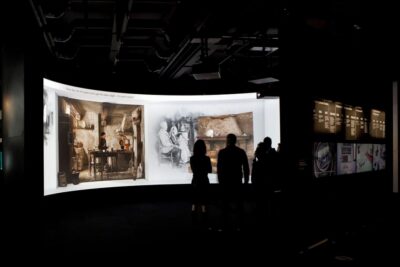
- The Venice Gallery VR Part: Seeing Old Venice Without Guesswork
- Optional Gondola Ride: The Water View, Plus the Waiting Gap
- Price, Duration, and Value: What $14 Really Buys
- Timing, tides, and weather: how to plan around Venice reality
- Who this tour fits best (and who should choose another option)
- Should you book this Venice Center Historical Walking Tour?
- FAQ
- How long is the Venice City Center Historical Guided Walking Tour?
- Is the gondola ride included?
- What does the VR experience include?
- What languages are available?
- Are tickets to monuments included?
- What happens if there are exceptionally high tides?
- Does the tour include audio devices for groups?
Key highlights that make this tour worth your time
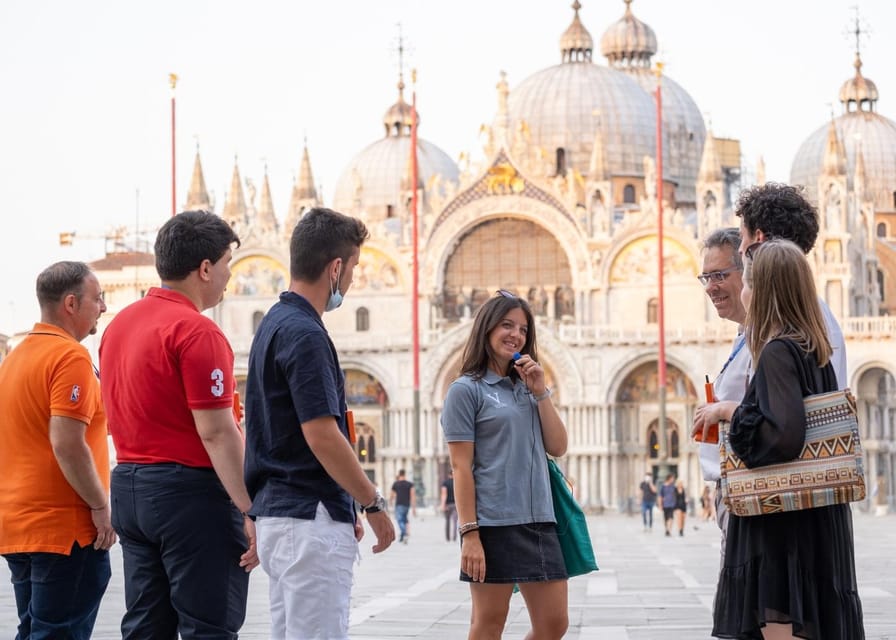
- Big landmarks, tight route: St. Mark’s Square and Rialto in a way that helps you understand where everything sits.
- Calli and campi with purpose: You don’t just walk the postcards; you also see the narrow lanes and smaller squares that shape daily life.
- Teatro La Fenice on the way: You’ll pass the famed opera house and hear context tied to Venice’s spirit of art and resilience.
- VR in a dedicated gallery: A headset-based journey through Venice’s past, centered on St. Mark’s Square and the Grand Canal.
- Optional gondola ride: Water views plus that cinematic Venice feeling, with a noted gap between the walk and gondola.
Entering Venice’s Center Fast: St. Mark’s Square to Rialto
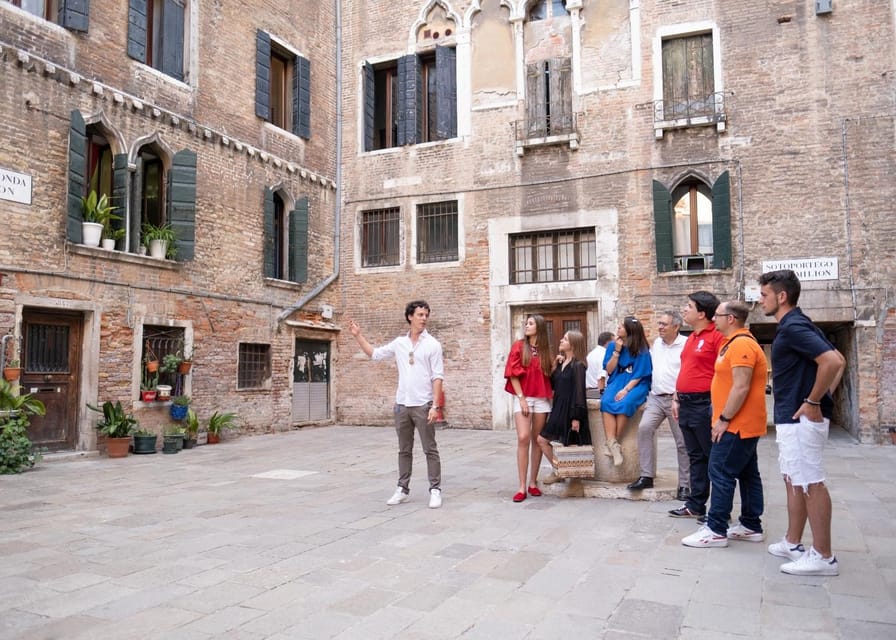
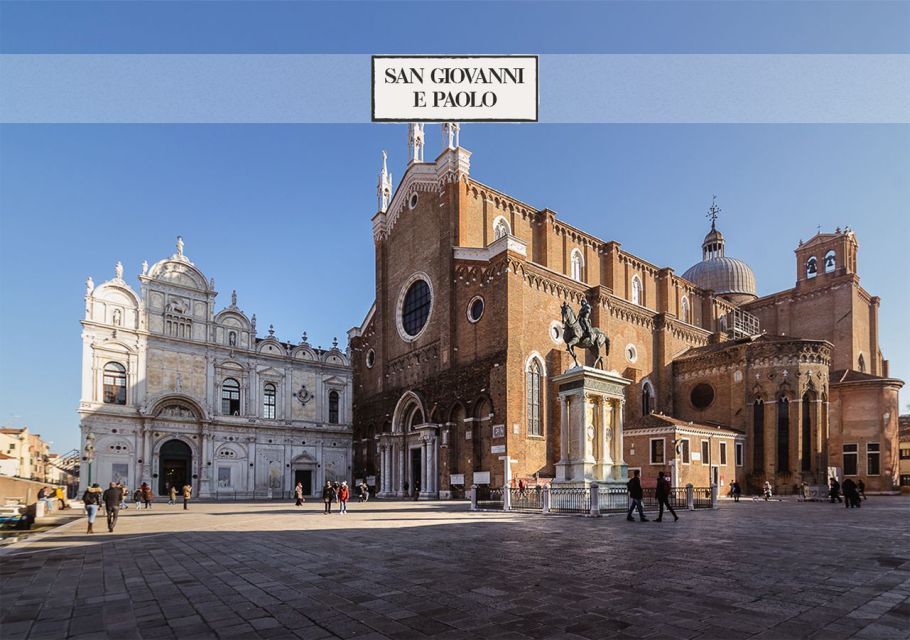
This is the kind of tour that works if it’s your first, second, or even third time in Venice and you still want your bearings. You start in the heart of it all—St. Mark’s Square—where the architecture does the talking and the guide does the translation. The square is famous, sure, but what makes it useful is learning how the place functioned over centuries: a public stage, a meeting point, and a place shaped by Venice’s wealth and power.
Then you move toward Rialto, and the shift in perspective is the point. At Rialto Bridge, you get the iconic view across the Grand Canal, the same waterway that historically functioned like Venice’s lifeline. The walk here isn’t just scenic—it’s explanatory. Once you stand at the bridge’s viewpoints, the city layout starts to make sense: how the canal divides neighborhoods, how movement happens by water, and why bridges matter so much in a city built on water.
I also like that this part of the tour sets you up for better photos. You’re not hustled through. You pause long enough to take in the shimmering canal scenes, with palaces and gondolas below you, and that moment really helps your brain stop treating Venice like a set of landmarks and start treating it like a connected place.
You can also read our reviews of more walking tours in Venice



The Bridge Story You Can Actually Use in Your Walks
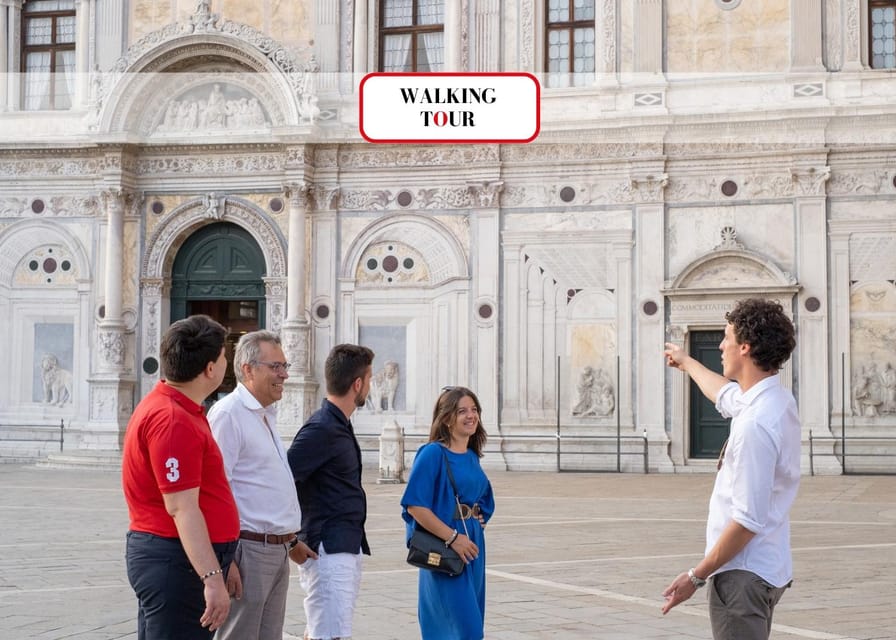
Rialto Bridge is one of those sights where it’s easy to just say, Yep, I saw it. The tour makes it more practical by giving you the evolution story—from simpler beginnings to the stone bridge you see today. That detail matters when you’re standing there, because the bridge stops being just a pretty photo and starts being a symbol of how Venice solves problems.
Here’s what I’d watch for while you’re listening: pay attention to how the guide ties the bridge to Venice’s practical needs. Venice wasn’t interested in flashy solutions for their own sake. It wanted durable connections across water, for merchants, residents, and travelers moving through the Grand Canal corridor. When you understand that, Rialto feels more like infrastructure and less like theater.
Also, Rialto is a magnet for crowds, and the guide helps you navigate the flow without making it feel like you’re doing crowd-sport. Even if fog or bad weather rolls in, you still get the essential points: the vantage, the canal context, and the story of why this crossing became so important.
Calli and Campi: Venice’s Side Streets with a Real Purpose
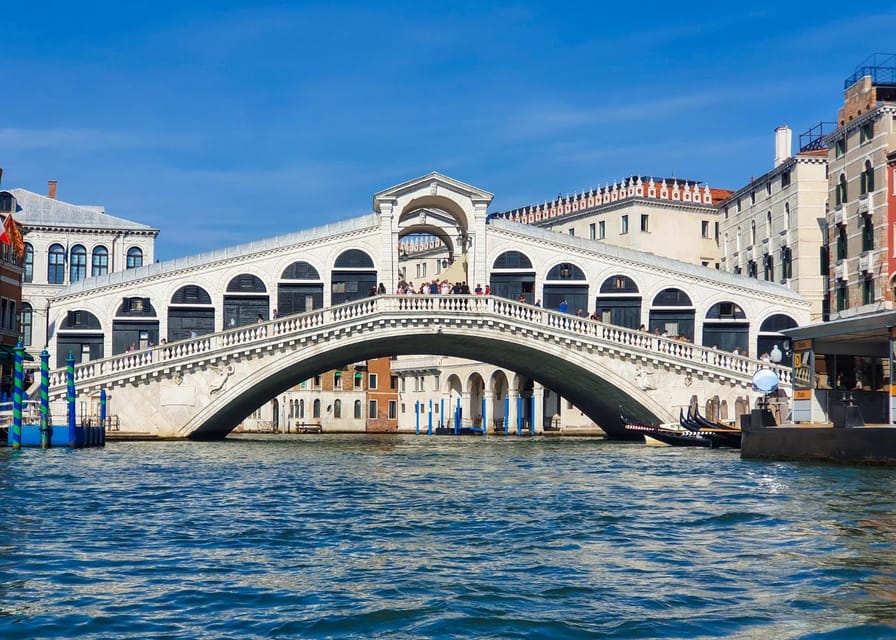
If you only walk the main sights, Venice can start to feel repetitive fast. The calli (narrow streets) and campi (smaller open areas) change that. This tour takes you through lanes where the city feels lived-in, with corners that seem made for small discoveries: a quieter square, a bend in the street that changes what you can see, and architectural details you’d miss if you were only chasing the next landmark.
This is where I think the tour’s value really shows. You’re not wandering randomly. The guide connects the back lanes to the bigger story—how Venice’s form grows from canals, density, and community needs. You get that sense of Venice as a network, not a checklist.
And the pacing here matters. One traveler noted that the pace is steady enough that a slower walker may struggle, so I’d go into it knowing you’ll be on your feet. If you’re comfortable doing 60 to 90 minutes of walking on cobblestones and narrow paths, you’ll probably feel like you’re seeing more than your time is worth.
Teatro La Fenice: Why an Opera House Belongs on This Route
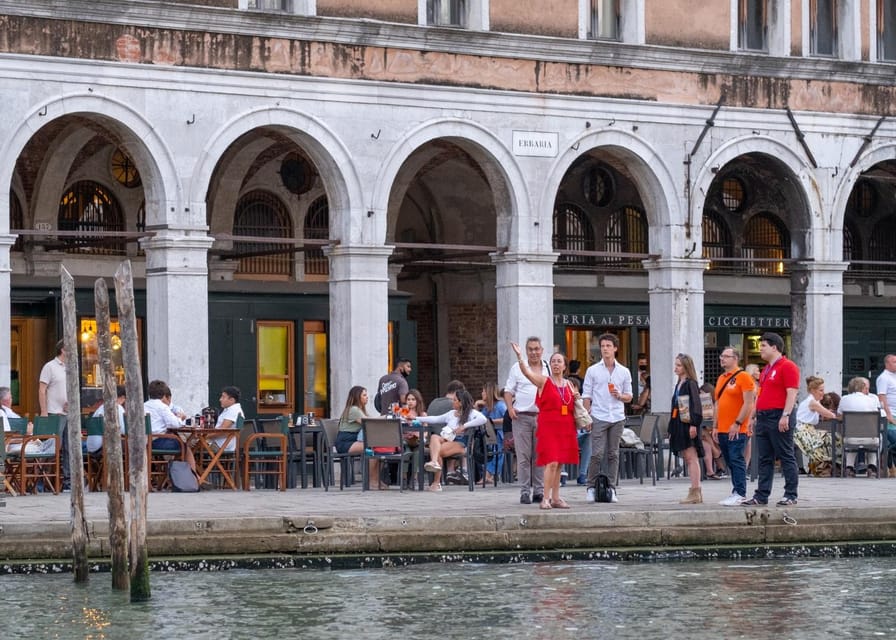
Teatro La Fenice is one of those names you hear even if you don’t go to opera. The tour passes by it, and you’ll hear why it’s such a major cultural landmark in Venice. For me, that’s the benefit of doing it on a guided walk: you get a reason for the stop, even if you’re not going inside.
La Fenice represents a particular Venice trait—art that survives shocks and setbacks. The guide frames it as resilience and artistic excellence, and when you walk past it, you understand why it remains emotionally important to the city. It’s also a reminder that Venice’s identity isn’t only buildings and canals; it’s also performance, music, and public imagination.
If you’re someone who likes your Venice with a little culture baked in, this quick pass helps you connect the dots between the grand facades and the city’s deeper life.
The Venice Gallery VR Part: Seeing Old Venice Without Guesswork
One of the smartest add-ons here is the VR experience in a dedicated gallery. Instead of trying to reconstruct old Venice from vague photos, you put on a headset and watch the city change through time. The focus is practical: Piazza San Marco evolves through different eras, and you also glide along the Grand Canal as part of the journey.
Why I like this section: it helps first-timers build a mental timeline. Venice can be hard to place historically because layers stack on top of each other. VR gives you a guided interpretation of what you’re looking at, and it bridges the gap between what’s still standing and what’s changed.
The VR also works well if the weather turns. In a foggy or gray day, the streets can feel muted. In the gallery, the story keeps moving. Even when you don’t get perfect outdoor views, you still come away with a clearer sense of Venice’s past.
And you don’t have to be a tech person. The experience is framed as a storytelling tool, not a gadget demo. You put it on, follow the narrative, and suddenly your visit feels less like random walking.
You can also read our reviews of more guided tours in Venice




Optional Gondola Ride: The Water View, Plus the Waiting Gap
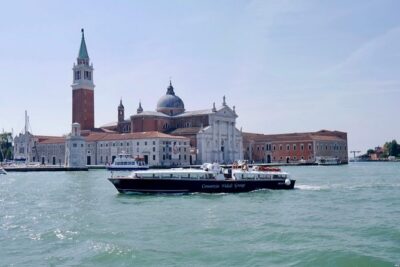
If you add the gondola ride, you get the perspective that makes Venice feel unreal. The tour notes a gap of time between the walking tour and the gondola ride, so plan for a pause in your day. That gap can feel like extra time you need to manage, but it also means you’re not rushed into the boats immediately after the walking portion.
The ride itself is described as a unique way to see Venice from the water, and in tougher weather conditions—like mist—it can feel like something out of a film. One traveler specifically called out how surreal it felt in mist. That’s the kind of memory Venice delivers better than almost anywhere else.
Practical tip: if you’re thinking about scheduling, try not to pile your day with tight reservations right after the gondola option. You’ll want breathing room for that transition time.
Also, the gondola ride is only included if you select that option. So if you’re trying to keep costs down, you can still get a strong experience from the walk plus the VR gallery part.
Price, Duration, and Value: What $14 Really Buys
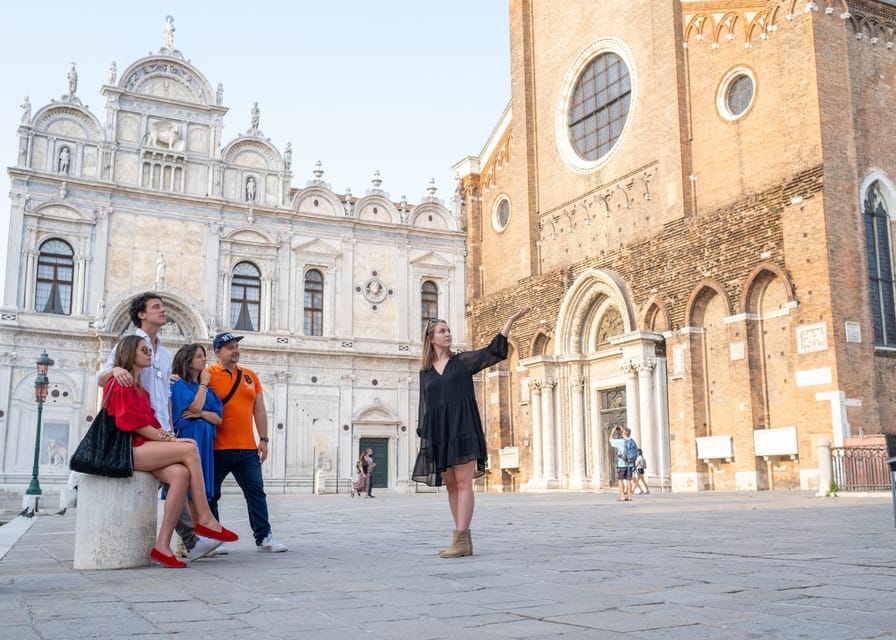
At $14 per person and about 1 to 2.5 hours, this tour is priced like a value play in the Venice market. You’re getting a guided route through major sights, plus the VR component, which is not something most short walks include. The time window is also realistic—you’re not signing up for a half-day marathon.
If you want gondola too, remember it’s optional. Still, the structure makes sense: you spend your morning or afternoon learning the layout, then you finish with the water-level view. That combo usually beats doing landmarks alone, because you come away with both orientation and atmosphere.
One more point on value: the tour includes audio-receiver devices for groups over ten people. That matters because it keeps the guide’s voice audible even in lively street corners. When you can actually follow the story, the tour feels worth it even if the day is crowded or noisy.
And yes, entrance to monuments isn’t included. But for a walking-and-story tour, that’s normal. Your payment goes to guidance, interpretation, and the VR experience—not to museum tickets.
Timing, tides, and weather: how to plan around Venice reality
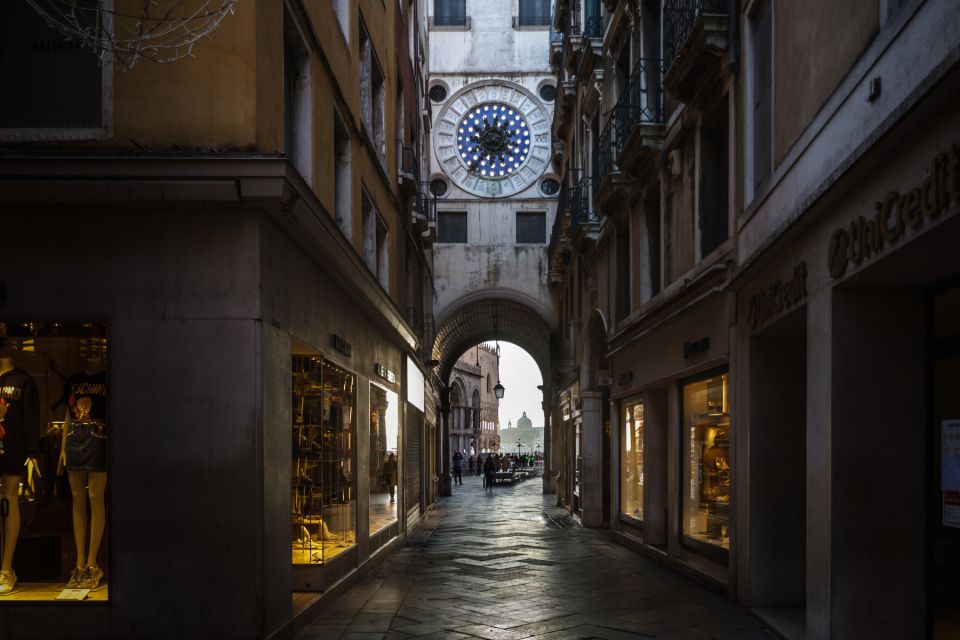
Venice runs on water, and that includes schedule shifts. The tour states it does not operate in cases of exceptionally high tides. If that happens, the walking portion can be postponed to the next day, otherwise it can be refunded. That’s a meaningful note because Venice tide problems aren’t a “rare inconvenience”—they’re part of planning here.
Weather is the other factor. Even when conditions make outdoor views less sharp, the tour can still work because so much of it is about learning and viewpoint meaning. When it’s foggy, you might not get the crispest skyline shot. You’ll still get St. Mark’s context, the Rialto vantage story, and the calli/campi route.
What I’d bring:
- Comfortable shoes for narrow lanes and stone surfaces
- A light layer if you’re out near the water
- Patience for small transitions, especially if you booked the gondola option
Who this tour fits best (and who should choose another option)
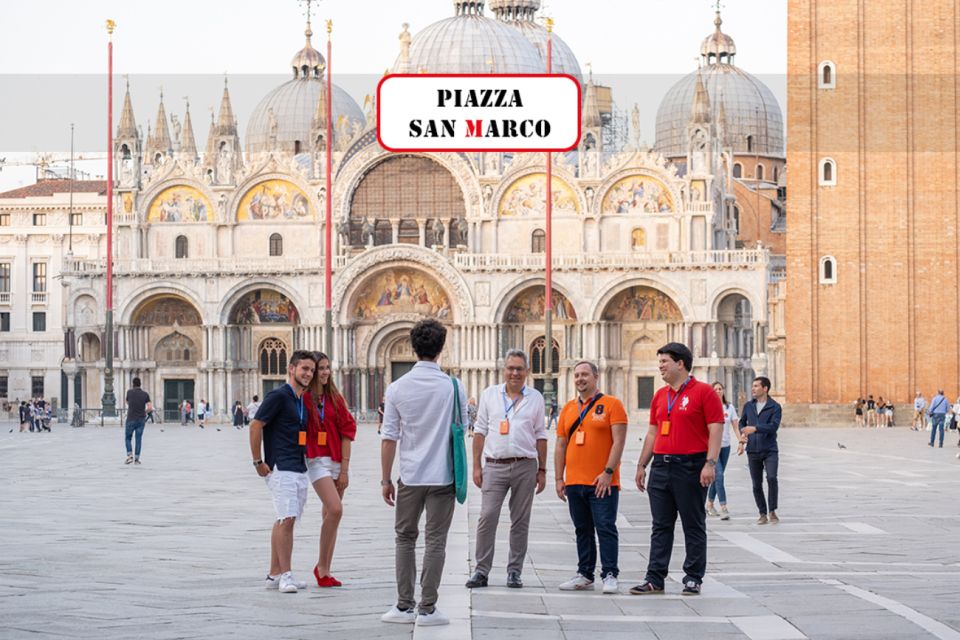
I’d book this if you want a smart first-pass through central Venice with help connecting landmarks to stories. It’s also a good match if you like art culture because you’ll pass Teatro La Fenice and hear why it matters.
It’s less ideal if you need a slow, flexible walking rhythm. The pace can be difficult for someone with mobility limits, and the tour format has a schedule element—meaning the guide may not be able to slow down much. If you’re traveling with someone who can’t handle steady walking, consider a different option that’s built around accessibility and longer breaks.
Language-wise, it’s great that you can choose among German, French, English, Italian, and Spanish. Just know the tour runs monolingual, so you’ll want to confirm the language for your departure.
Should you book this Venice Center Historical Walking Tour?
Book it if you want an efficient introduction to Venice’s center—St. Mark’s and Rialto—plus side streets that help you feel the city’s shape. Add the VR if you want history to make sense fast, not just pictures to remember. And if you’re tempted by the gondola, plan for that scheduled gap so the day stays calm.
Skip it or rethink it if walking is a challenge for you, because this tour is designed to cover ground. Also, if exceptionally high tides are a concern for your travel dates, keep your plans flexible and expect possible postponement.
If you’re aiming for value—guided landmarks, a storyline you can repeat later, and a VR time window to make the past feel real—this one is a solid pick for the money.
FAQ
How long is the Venice City Center Historical Guided Walking Tour?
The duration is listed as 1 to 2.5 hours, depending on the starting time and how your day is scheduled.
Is the gondola ride included?
The gondola ride is included only if you select the gondola option. There is a noted gap of time between the walking tour and the gondola ride.
What does the VR experience include?
The tour includes a Venice Gallery VR journey through historic St. Mark’s Square, with a headset-based look at how Piazza San Marco changes through time and an additional experience gliding along the Grand Canal.
What languages are available?
The tour is offered in German, French, English, Italian, and Spanish, but it is monolingual per tour.
Are tickets to monuments included?
No. Entrance to monuments is not included.
What happens if there are exceptionally high tides?
In cases of exceptionally high tides, the walking tour does not operate. It can be postponed to the day after, or it can be refunded.
Does the tour include audio devices for groups?
Yes. Audio-receiver devices are included for groups with more than ten people.