REVIEW · VENICE
Glass Lampwork Workshop and Walking in Murano
Book on Viator →Operated by deTourist Venice Valerio Coppo · Bookable on Viator
Murano has a different pace than Venice. This small-group outing blends a walk through Murano’s churches with time inside major glassmaking showrooms, then adds a glass artisan stop so you can see the process up close. I especially love the way the tour connects old Murano glass practice to what’s made today, and I also like that the experience includes an optional chance to create your own take-home piece. One consideration: the real hands-on lampwork bead-making costs extra on site, and you may also find that certain church interiors or specific areas aren’t included in the route.
With a guide like Valerio Coppo (yes, he’s from Murano), you get context that makes the island feel lived-in, not museum-only. If you’re visiting for a short time, the 2-hour timing works well. Still, if you’re expecting everything to be fully included without any add-ons, read the included vs optional parts closely so there are no surprises.
In This Review
- Key highlights at a glance
- Murano, beyond the usual Venice crowds
- Starting at Faro di Murano: the practical way to do the island
- Palazzo Barovier&Toso: seeing glass as craft and as business
- Chiesa di San Pietro Martire: a church stop that gives you context fast
- Duomo di Murano Santi Maria e Donato: Byzantine-style mosaics on a small island
- Palazzo da Mula and Chiesa di Santa Maria degli Angeli: the calm side of Murano
- The glass experience: lampwork, artisans, and making a bead you can actually take home
- Price and value: what you’re paying for at about $92.92
- Timing tips so the two hours actually feel worth it
- Who should book this Murano glass and church walk
- Should you book Glass Lampwork Workshop and Walking in Murano?
- FAQ
- FAQ
- How long is the Murano tour?
- Where does the tour start and end?
- Is the workshop included in the price?
- What language is the tour offered in?
- How many people are in the group?
- Does the tour include visits to glass factories?
- Which churches are included on the walking part?
- Do I need to pay anything for entering Venice on the day?
Key highlights at a glance
- Small group size (max 15) makes the glass visits feel personal instead of rushed
- Oldest active glass tradition (since 1295) shown through a dedicated showroom visit
- Church stops with standout art including a Duomo visit tied to Byzantine-style 12th-century mosaics
- Lampwork is part of the plan, with an included artisan visit and an optional bead workshop (paid on site)
- A local walking route around Murano’s main sights and quieter corners
- Guided by Valerio, supported by artisan Monica during the bead-making experience
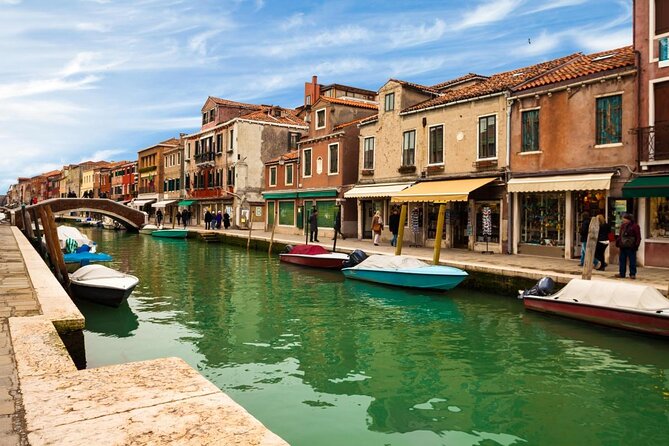
Murano, beyond the usual Venice crowds
If you’ve only seen Murano from the outside, this kind of tour helps you understand why the island matters. Murano’s glass reputation isn’t a marketing slogan. It’s a daily craft tradition that shaped the island’s families, buildings, and even the way people decorate their churches.
This tour leans into that real-life connection. You start with major glassmaking stops, including a visit to the showroom linked to Murano glass heritage going back to 1295. Then you balance it with a walking circuit through church interiors and palazzi. The result is a tour that feels like Murano, not just a quick transfer for souvenir shopping.
The walking piece also matters. Murano is compact, but the island doesn’t really click until you see streets, facades, and religious art up close. In about two hours, you get enough to orient yourself for the rest of your day.
You can also read our reviews of more walking tours in Venice

Starting at Faro di Murano: the practical way to do the island
You begin and end at Faro di Murano, on Fondamenta Piave F. M. (30141 Venezia VE). That’s a smart meeting point if you’re already thinking about how to move around the lagoon, because it puts you in the Murano flow rather than far inside a maze of Venice streets.
The tour runs in English and caps at 15 travelers, which usually means less waiting and more back-and-forth with the guide. You’ll also get a mobile ticket, and it’s designed so most people can participate. Service animals are allowed too.
One more planning note: if you’re staying outside Venice and visiting for the day, some dates include a €5 access fee for Venice-area entry (with exemptions). It’s worth checking before you lock in your schedule so you’re not dealing with last-minute fees at the worst possible moment.
Palazzo Barovier&Toso: seeing glass as craft and as business
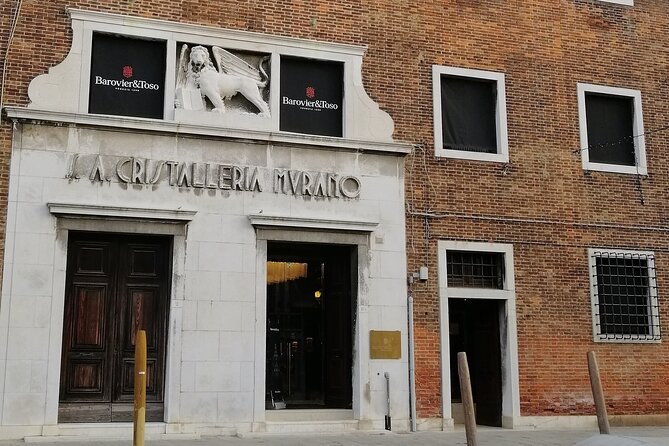
Stop one is Palazzo Barovier&Toso. Even if you’re not the type who geeks out over glass terminology, this is where the tour gives you your bearings. You’re not just looking at finished objects behind glass. You’re seeing how a serious glassmaking house presents its heritage and its product line.
This is also where the timeline hits. The tour includes a visit to the showroom of the oldest glass factory in the world active since 1295. That’s a huge date, and the value here isn’t the number itself. It’s the contrast: traditional methods still matter, but contemporary design shows up right alongside it.
What I’d watch for during this stop:
- How modern pieces still reflect classic Murano design language
- The way the showroom explains materials, processes, or inspiration
- Any examples of how styles evolve without losing identity
If you like learning how an industry sells its story, this stop does that well. If you hate shopping pressure, you’ll probably appreciate that the tour is structured around understanding and viewing, with the hands-on part clearly labeled as optional.
Chiesa di San Pietro Martire: a church stop that gives you context fast
Next up is Chiesa di San Pietro Martire. This is a useful stop because it breaks the “glass only” rhythm. Murano’s religious buildings help explain how artistic taste shows up in everyday life on the island.
Even though this stop can feel shorter than the big glass showroom visit, it plays a role: the guide connects the island’s craft culture to the visual language you see in religious art and architecture. If you’ve ever wondered why Murano glass is so often decorative rather than purely utilitarian, you’ll start to see the bigger cultural picture here.
Practical tip: wear good walking shoes. Church stops mean stone floors and staircases, and Murano streets can be uneven.
Duomo di Murano Santi Maria e Donato: Byzantine-style mosaics on a small island
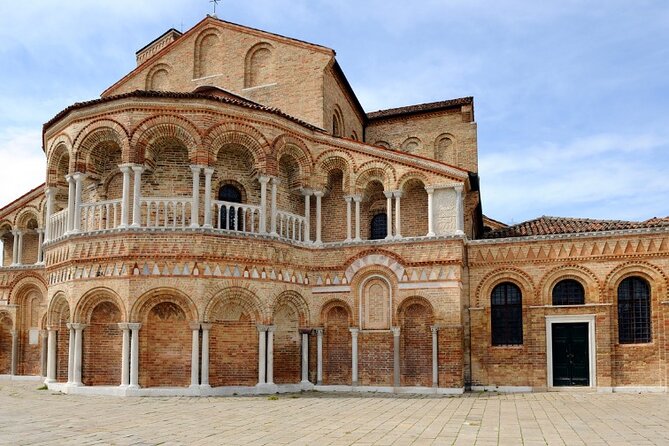
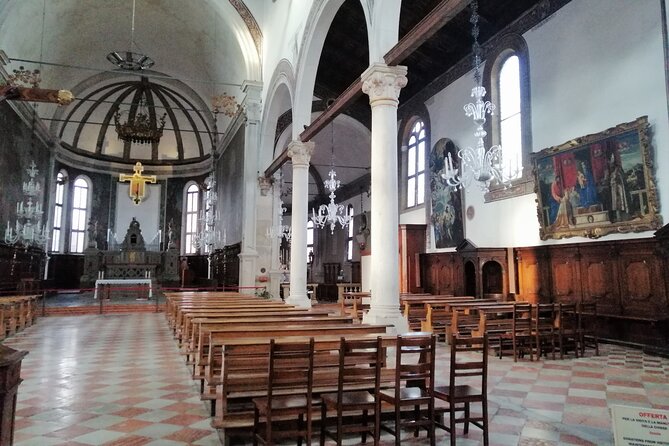
Stop three is Duomo di Murano Santi Maria e Donato. This is the standout church stop on the walk, especially for the art-lovers in your group.
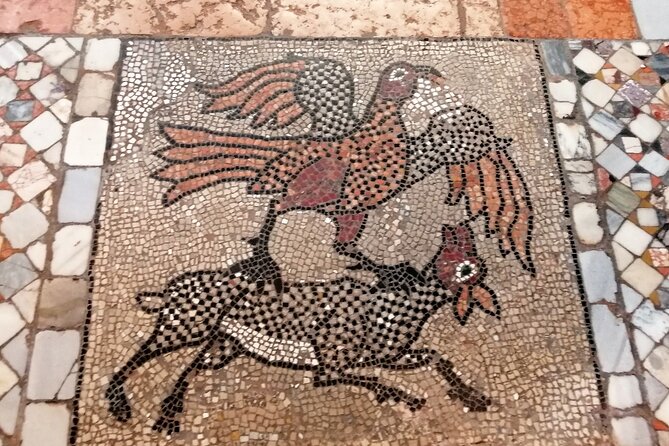
The tour highlights Byzantine-style 12th-century mosaics linked to this church visit. The “why” matters. Mosaics aren’t just decorative. They’re durable, labor-intensive, and meant to communicate religious meaning through craft that demands precision. Seeing that kind of workmanship right after your glass stops helps your brain connect the dots between different art forms that share the same respect for technique.
If you’re visiting with kids or you’re time-crunched, don’t panic. You don’t need a degree in art history here. The mosaics are visually strong enough to land immediately, and the guide’s explanations make them easier to interpret without turning the stop into a lecture.
You can also read our reviews of more tours and experiences in Venice




Palazzo da Mula and Chiesa di Santa Maria degli Angeli: the calm side of Murano
After the Duomo, the route continues with Palazzo da Mula and then Chiesa di Santa Maria degli Angeli.
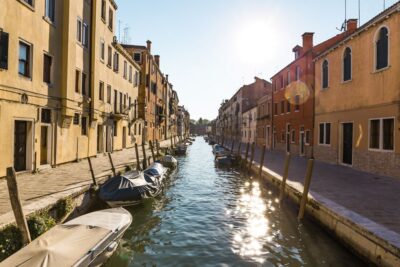
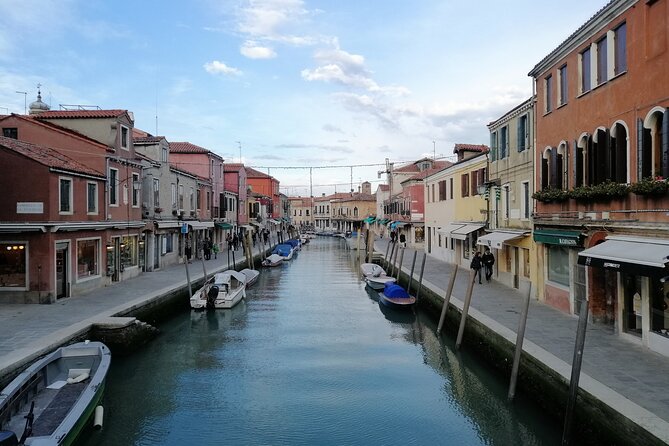
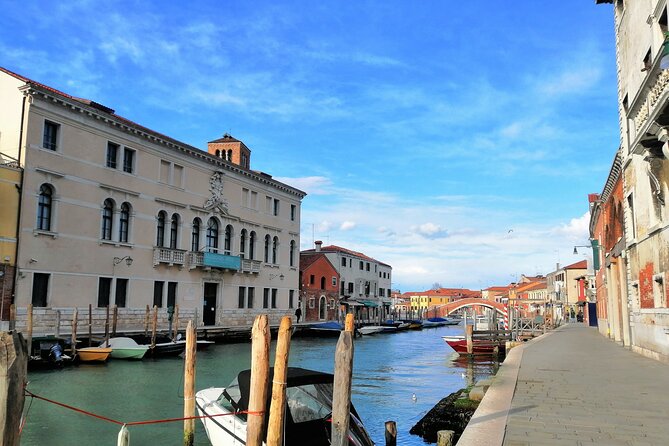
These stops are valuable because they keep the tour from feeling like a checklist of the most famous names. Murano is touristy around certain points, but the walking route here is designed to take you through areas that feel less like a postcard and more like a lived-in island.
At Chiesa di Santa Maria degli Angeli, you get another dose of church art and local architecture, and it helps the tour feel like more than glass tourism. For many visitors, this is where the experience becomes memorable because it slows down. You notice small details: stonework, entrances, and how the church sits within the neighborhood fabric.
The glass experience: lampwork, artisans, and making a bead you can actually take home
Now for the part you’ll remember later: the glass artisan time.
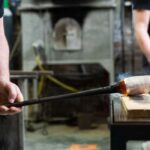
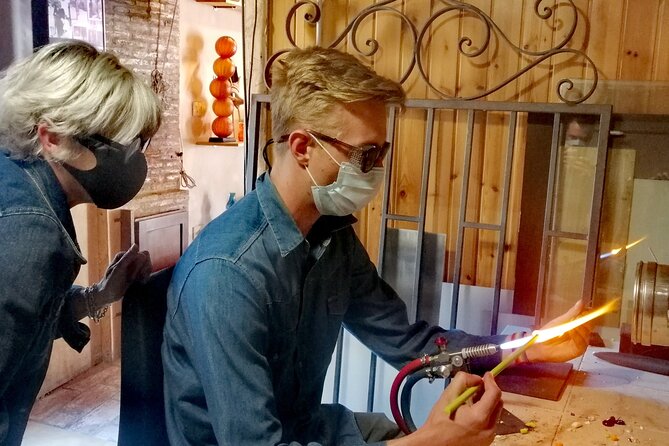
The tour includes a visit to a glass artisan experience, such as glass lampwork or glass blowing. That means you get to watch how the work is done, not just see the results. This is where you learn what makes Murano glass different: the control, the heat, and the skill in shaping molten material.
The optional hands-on piece is the lampwork workshop, which costs €30 paid on site. If you choose it, you’ll make your own Venetian bead to take home. This is typically where artisan support matters most, and the tour’s instructor during the bead-making portion is Monica.
A tip that really helps your day: plan your timing for after bead-making. You’ll want a little buffer for the bead to cool down before you pack it away. If you’re hungry right after the workshop, aim to eat close by and then let your bead finish cooling. It’s a small detail, but it keeps your souvenir from becoming a stressed-out hands-on project.
How this is valuable, beyond the fun:
- You leave with a personal object made during the visit
- You understand the craft better because you’ve tried it yourself
- You get a tangible connection to the Murano glass story you just walked through
One more note: since the hands-on workshop is optional, it fits both types of travelers. If you just want to watch, you can. If you want to create, you can pay the additional fee and do it.
Price and value: what you’re paying for at about $92.92
At $92.92 per person for about 2 hours, this is not the cheapest option on Murano. But it isn’t trying to be. Here’s what you get that supports the price.
Included are:
- A tour leader and interpretive guide
- A visit to a glass artisan (lampwork or glass blowing)
- A visit to the showroom of the oldest active glass factory since 1295
Plus, you get the walking component through multiple named stops, including major churches.
So where does the value come from? Mostly in two places. First, the tour doesn’t just point you toward glass. It takes you into places tied to the island’s craft identity, including long-running heritage. Second, the optional lampwork workshop means you can choose how hands-on you want to be. You’re not forced into an extra fee if you only want the viewing and walking.
One more factor: the group size maxes at 15. That matters on a tour like this where time inside showrooms and churches is limited. A smaller group often means better pacing and fewer “wait while the whole group lines up” moments.
If you like to plan early, note that this tour is typically booked well in advance (on average, about 68 days). Popular doesn’t always mean best, but it does suggest this one is a solid match for a lot of people.
Timing tips so the two hours actually feel worth it
Two hours sounds quick because, well, it is. But you can make it feel smooth with a few choices:
- Wear shoes you can walk in for a short island route that includes church interiors.
- Bring something warm or light if the lagoon breeze is chilly, especially in shoulder seasons.
- If you plan to do the bead workshop, don’t schedule a tight meal immediately afterward. Let the bead cool first.
- Pay attention to how the tour route works inside churches. Your time in each stop may focus on specific areas, and some parts of churches can involve separate access depending on what’s open and what’s included in the walking plan.
Also, keep your expectations realistic. This tour is designed to pack a lot into a short window: old heritage showroom, artisan visit, then church walking. It’s not meant to replace a full-day independent Murano exploration. It’s meant to give you the best snapshot of what Murano does and why.
Who should book this Murano glass and church walk
This is a strong fit if you:
- Want a small-group Murano experience rather than a big bus-style stop
- Care about glassmaking as craft, not just as buy-a-blown-bottle souvenirs
- Like tours that mix culture (church art) with industry (glass factories)
- Have kids or teens who enjoy doing something hands-on, since Monica’s bead-making portion is designed for real participation
You might think twice if:
- You want every single activity included without any added on-site options
- You’re not interested in showrooms or church interiors at all and prefer a purely outdoor, scenic Murano stroll
Should you book Glass Lampwork Workshop and Walking in Murano?
Yes, if you want Murano that feels purposeful. The combination is the magic: showroom heritage tied to glassmaking roots back to 1295, plus a structured walking circuit through churches, plus the option to make your own Venetian bead with Monica after seeing how artisans work.
If you’re price-sensitive, treat the $92.92 as the base and remember the bead workshop is €30 on site if you choose it. Also, if your priority is only glass and you skip churches mentally, this tour may feel like it splits your attention.
But if you want a guided route that helps you understand the island quickly, this is one of the more satisfying ways to do Murano in a short amount of time.
FAQ
FAQ
How long is the Murano tour?
It runs for about 2 hours.
Where does the tour start and end?
The meeting point is Faro di Murano, Fondamenta Piave F. M., 30141 Venezia VE, Italy, and the tour ends back at the same meeting point.
Is the workshop included in the price?
A glass artisan visit is included. The hands-on lampwork workshop (where you make your own bead) is optional and costs €30 paid on site.
What language is the tour offered in?
The tour is offered in English.
How many people are in the group?
The tour has a maximum of 15 travelers.
Does the tour include visits to glass factories?
Yes. You’ll visit a showroom connected to the oldest glass factory active since 1295, and you’ll also visit a glass artisan for lampwork or glass blowing.
Which churches are included on the walking part?
The walking portion includes Chiesa di San Pietro Martire, Duomo di Murano Santi Maria e Donato, and Chiesa di Santa Maria degli Angeli.
Do I need to pay anything for entering Venice on the day?
On certain dates, there may be a €5 access fee if you’re staying outside of Venice and visiting for the day. Check the listed guidance for which days apply and any exemptions.