REVIEW · VENICE
Friendinvenice Cannaregio &Jewish Heritage- private tour
Book on Viator →Operated by Friend in Venice Private Tours · Bookable on Viator
Venice has a quieter side, and this tour finds it. You’ll get a private stroll through Cannaregio, then step into the Ghetto Ebraico for the kind of context that makes the streets make sense. I like that the route feels human-sized, not rushed, and that the guide can shape what you focus on while you walk.
The one drawback to flag: parts of Venice are still Venice. Expect real walking, plus on some dates some day visitors outside Venice may face a €5 access fee before entering.
In This Review
- Key things to know before you go
- Cannaregio: the reed-marsh Venice you’ll actually recognize
- Ghetto Ebraico: how Venice regulated faith and identity
- Tintoretto’s house on Fondamenta dei Mori (and why the details matter)
- The private format: why this route feels different in your hands
- Timing, ticket coverage, and that €5 access fee question
- Price and value: what $162.31 gets you in Venice
- Who should book this Jewish Heritage tour?
- Should you book Friend in Venice’s Cannaregio & Jewish Heritage private tour?
- FAQ
- How long is the private tour?
- Is this tour private or shared with other people?
- Do you offer hotel pickup in Venice?
- What language is the tour offered in?
- Are admission tickets included for the stops?
- Are there multiple start times available?
- Is there any extra fee I should know about?
- Do I get a mobile ticket?
- Is free cancellation allowed, and can service animals join?
Key things to know before you go
- A private group: only your party joins, so you can ask questions without shouting over crowds.
- Cannaregio first: start in a local-feeling neighborhood with bacari culture and even rowing traditions in the mix.
- Ghetto Ebraico with admission included: you get time for both the big story and the on-the-ground details.
- Casa del Tintoretto stop is short but focused: about 10 minutes at Tintoretto’s house in Gothic style on Fondamenta dei Mori.
- Pickup from any Venice hotel: helpful if you want to avoid the first stress of finding a meeting point.
Cannaregio: the reed-marsh Venice you’ll actually recognize
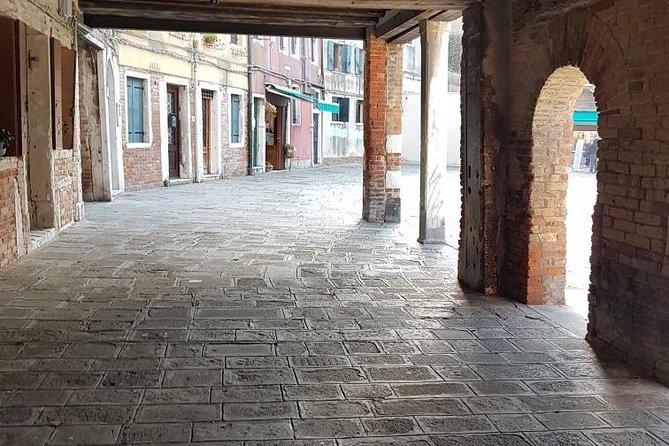
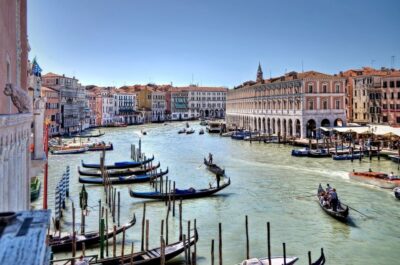
Cannaregio is the sestiere most visitors rush through, if they notice it at all. This tour starts there on purpose: it’s a smoother entry into Venice’s rhythms, especially if you want a break from the postcard grid.
You’ll hear how the name Cannaregio ties back to a reed marsh long ago. That detail sounds small, but it helps you picture why the neighborhood feels the way it does today: canals, footbridges, and pockets of life that don’t rely on major landmarks.
This stop is also where Venice turns local. You’ll have time to spot the places residents still use, including bacari—small bars where the vibe is practical, not performative. If you’re the sort who pays attention to how people live, keep your eyes open for children playing traditional games and for signs of Venice’s water culture.
One especially Venice detail: rowing associations. The area has links to places where rowing practice happens with calmer water and less motor-boat traffic. Even if you’re not a rower, it’s the kind of local thread that makes Cannaregio feel lived-in.
What to watch for: Cannaregio can feel busy at certain pinch points, but compared with central Venice it’s usually calmer. If you want photos, aim for straighter canal sightlines early, when you still have daylight and energy.
You can also read our reviews of more private tours in Venice

Ghetto Ebraico: how Venice regulated faith and identity
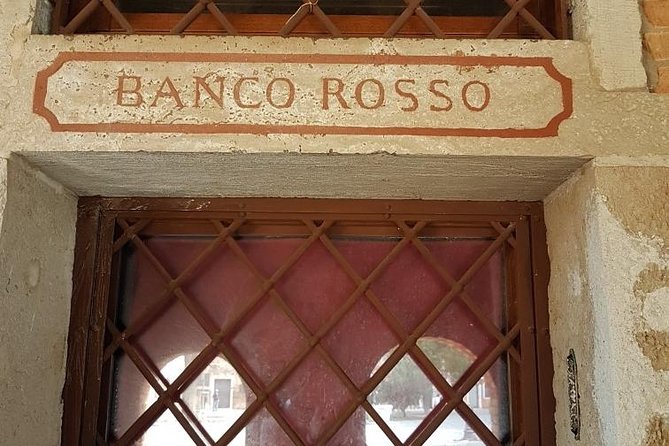
Then comes the part most people think they know. They don’t—at least not in the practical, street-level way this tour approaches it.
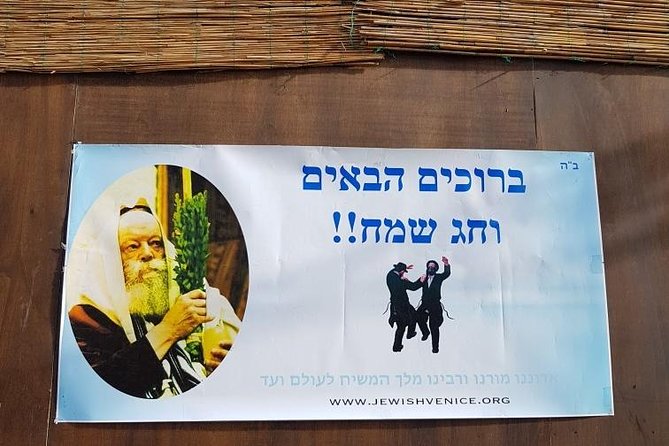
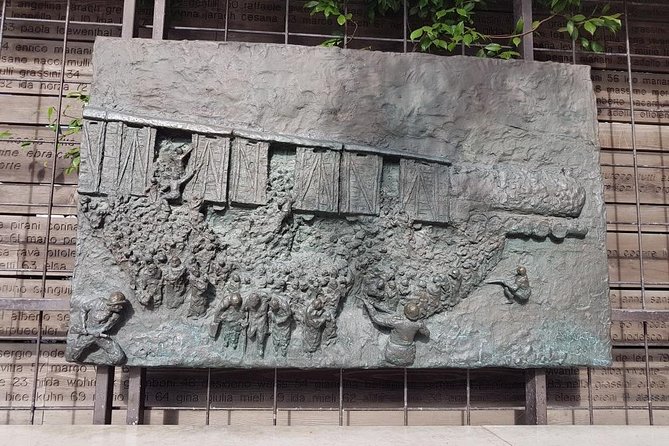
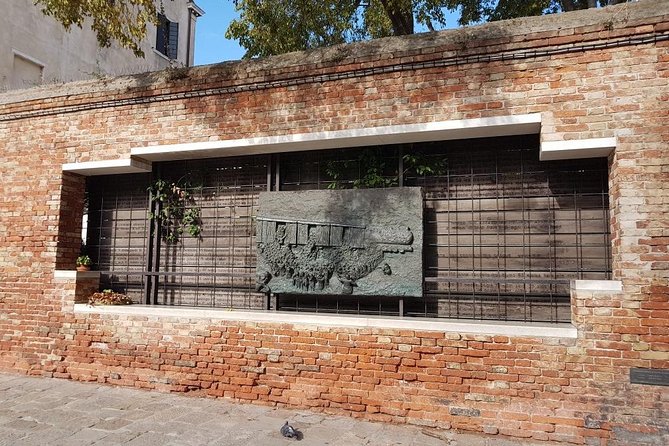
The Jewish Ghetto (Ghetto Ebraico) in Venice isn’t just a historical label. It’s a place shaped by rules, decrees, and the constant tension between restriction and survival. You’ll learn how Jewish presence in Venice grew over time, and how the Republic responded with organization rather than simple tolerance.
A key date is March 29, 1516, when the Venetian Republic enacted a decree to regulate where Jews lived and how their community functioned. The area assigned to them connected to older industrial spaces, including foundries—known in Venetian as getti. In other words, the boundaries weren’t abstract. They were anchored in the city’s working geography.
You’ll also hear about identification requirements: Jews were required to wear a sign. That’s hard to hear, but it’s central to understanding what daily life under restriction could feel like.
Then there’s the economic angle, which often gets overlooked. The Republic required the community to manage pawnshops at rates set by the Serenissima. That kind of detail matters because it shows you how policy reached into ordinary commerce and personal survival.
At the same time, the Republic granted the community certain freedoms—especially the freedom to practice faith—and offered protection in the case of war. The point isn’t to romanticize. It’s to understand the full contradiction: restriction paired with protected religious practice, control paired with community endurance.
Why this stop is worth your time: you’re not just looking at walls. You’re connecting rules to real streets and hearing the story behind the layout. That’s what makes a visit here feel meaningful instead of museum-like.
Tintoretto’s house on Fondamenta dei Mori (and why the details matter)
The last stop is quick—about 10 minutes—but it’s packed with texture if you like architecture and art history that you can see with your own eyes.
Casa del Tintoretto sits in Cannaregio along Fondamenta dei Mori, near Campo dei Mori. Jacopo Robusti, better known as Tintoretto, lived here during his lifetime (1519 to 1594), except for a stretch when he went to the court of the Gonzagas of Mantua between 1590 and 1593.
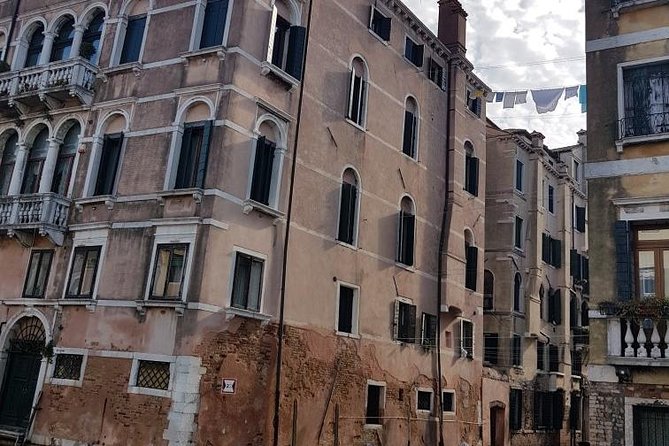
The house itself is built in Gothic style. It’s tall and narrow, and one feature really stands out: a three-light window on the first noble floor. That kind of detail helps you read the building’s personality instead of treating it like just another facade in Venice.
There are also exterior elements tied to tradition and storytelling. You’ll spot a plaque that reminds posterity of the house, plus a small marble statue showing Hercules with a club. Tradition says Tintoretto placed it there himself.
Another small but memorable detail: a statue of an Arab placed a few meters left of the entrance door. It’s part of a sequence of four figures that begins in Campo dei Mori. Those visual cues can make you slow down, and honestly, that’s the best way to enjoy this stop.
If you’re an art lover, you’ll likely connect Tintoretto’s house to his wider work across Venice. You’ll hear that his major works are found in places like the Scuola Grande di San Rocco (where he painted for 25 years, from 1563 to 1588) and the Gallerie dell’Accademia. You may also hear about Il Paradiso, a massive canvas associated with Palazzo Ducale’s Sala del Maggior Consiglio.
Practical note: because this stop is short, it’s best if you’re ready with your questions. Ask about the window, the statues, or how the house fits into the larger Tintoretto trail.
The private format: why this route feels different in your hands
This is a private tour, and you can feel it in how the experience unfolds.
First, you’re not stuck with a fixed group rhythm. If you want more time at Ghetto Ebraico or you’d rather spend more minutes scanning the Cannaregio street life, the guide can adjust. That flexibility is a real advantage in Venice, where the “right” pace depends on the person in your group.
Second, pickup changes everything at the start. If you’re staying in Venice proper, you can get picked up from any hotel in Venice. That helps you arrive with less stress and more time to settle your feet before you start walking.
Third, the guide brings a sensitive, context-first approach. When you’re walking through a neighborhood tied to exclusion and survival, you don’t want a tour that treats it like a checkbox. This format leaves space for questions, clarifications, and the kind of respectful pacing that fits the subject.
And yes, it’s still fun in a normal way. Cannaregio includes everyday Venice sights—bacari culture, children at play, and even hints of water-based traditions—so the tour doesn’t turn heavy for three straight hours. You get the story, but you also get Venice’s human scale.
Timing, ticket coverage, and that €5 access fee question
The tour runs about 3 hours.
Here’s the rhythm:
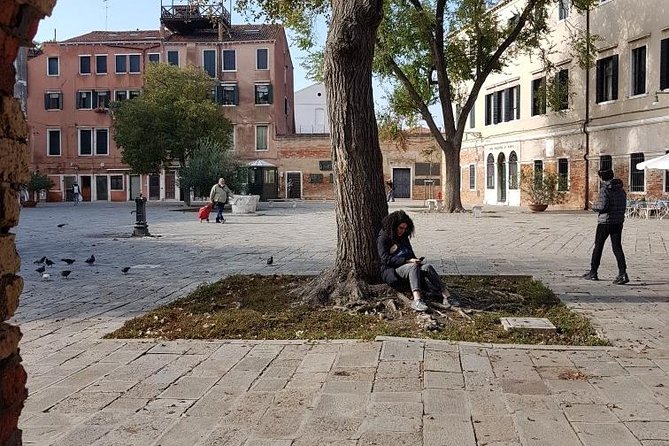
- Cannaregio lasts about 2 hours, and the admission ticket is free for that stop.
- Ghetto Ebraico is about 1 hour, and the admission ticket is included.
- Casa del Tintoretto is about 10 minutes, also with admission included.
That ticket mix is important for your planning. You’re not juggling extra buys mid-walk. The two major heritage stops include admission, while the Cannaregio neighborhood walk is ticket-free.
Start times: you can choose from multiple start times to fit your schedule. That flexibility matters because Venice’s weather and foot traffic can change quickly. If you can pick an earlier start, you usually get better walking conditions.
Now, the one extra cost that can surprise people: on certain dates, most travelers staying outside of Venice who are visiting for the day may have to pay a €5 access fee. The tour information flags this possibility, so it’s smart to check how it applies to your situation before you go.
My advice: if you’re staying outside Venice and commuting in, plan for that possible €5 add-on and don’t assume it’s included automatically in the tour price.
You can also read our reviews of more historical tours in Venice



Price and value: what $162.31 gets you in Venice

At $162.31 per person for roughly three hours, the price isn’t cheap, but it isn’t random either. You’re paying for three things that matter in Venice:
1) A private guide through a specific, sometimes overlooked neighborhood route.
2) Included admissions for the Ghetto Ebraico and Casa del Tintoretto stops.
3) Pickup from your Venice hotel, which saves time and hassle.
That combination is where the value sits. Group tours can be less expensive, but you often lose flexibility. In this topic area—Jewish heritage and the Ghetto—clarifying questions and respectful pacing can make the difference between a surface visit and a real understanding.
Also, your time is valuable in Venice. Three hours doesn’t sound long, but it’s enough to connect Cannaregio street life to the historical framework of the Ghetto, then finish with Tintoretto’s house details that make the neighborhood feel specific.
If you’re traveling with a partner or a small group, the private setup can start to feel more cost-friendly than you’d expect, especially since admissions for two stops are handled.
Who should book this Jewish Heritage tour?
This tour fits best if you:
- want Venice that’s not only about big monuments,
- care about history that shows how policy and daily life intersect,
- like walking tours that explain what you see, not just where you stand,
- enjoy art-history details when they’re tied to a real building.
You’ll also like it if you appreciate a guide who can keep the subject matter respectful and clear, while still making time for the everyday texture of Venice in Cannaregio.
It may be less ideal if you’re trying to do zero-walking days. Venice requires your legs, and this route covers multiple areas on foot.
Should you book Friend in Venice’s Cannaregio & Jewish Heritage private tour?
If your Venice goal includes meaningful context—without turning the trip into a lecture—this is a strong choice. The itinerary hits three balanced beats: local Cannaregio life, the historical weight of the Ghetto Ebraico, and a quick finish at Tintoretto’s house where architecture and art-history details reward your attention.
Book it if you want a private, organized route with admissions included for the two main heritage stops, and if you’d rather get the story behind Venice than collect only photos.
Skip it only if you’re looking for a fast highlight loop. This tour is about depth, not speed.
FAQ
How long is the private tour?
It’s about 3 hours (approx.).
Is this tour private or shared with other people?
It’s private, meaning only your group participates.
Do you offer hotel pickup in Venice?
Yes. Pickup is offered from any hotel in Venice.
What language is the tour offered in?
The tour is offered in English.
Are admission tickets included for the stops?
At Cannaregio, the admission ticket is free. For the Ghetto Ebraico and Casa del Tintoretto, admission tickets are included.
Are there multiple start times available?
Yes, there are multiple start times to suit your schedule.
Is there any extra fee I should know about?
On certain dates, most travelers staying outside of Venice who are visiting for the day may be required to pay a €5 access fee.
Do I get a mobile ticket?
Yes, a mobile ticket is provided.
Is free cancellation allowed, and can service animals join?
Free cancellation is available up to 24 hours in advance for a full refund. Service animals are allowed.