REVIEW · VENICE
Another Side of the City: Discovering Authentic Venice
Book on Viator →Operated by Elisabetta Amadi · Bookable on Viator
Venice is best when you slow down. This 2-hour private walk feeds you the local Venice you rarely find on your own, with real stories tied to stops like Santa Maria della Salute and the Squero gondola shipyard. The only real catch: it’s a walking loop with a quick, light-touch feel—so it won’t replace a full museum day.
I like that the route leans into calmer, lived-in streets instead of the usual postcard crush. You start near the Gallerie dell’Accademia, then float through Dorsoduro and end in a campo where you can keep going for dinner. Bring moderate walking stamina—expect uneven footing and plenty of small turns.
In This Review
- Quick hits before you book
- Starting at Gallerie dell’Accademia: Art First, Then the Back Streets
- A Private, Local Route That’s Built for Getting Oriented Fast
- Santa Maria della Salute: A Plague-Era Church Stop With Real Meaning
- Fondamenta Zattere: Where Venetians Go to Exhale by the Water
- Squero di San Trovaso: See the Gondola Craft from Across the Canal
- Campo San Barnaba and Campo Santa Margherita: The Neighborhood Ending You’ll Appreciate
- What Your Guide Actually Brings: Stories, Traditions, and Smart Advice
- Price and Timing: Does $102.58 Feel Worth It?
- Who This Tour Suits Best (And Who Might Want Something Else)
- Should You Book This Authentic Venice Walk?
- FAQ
- How long is the tour, and where does it end?
- What time does it start, and where do we meet?
- Is this tour private, or do I join others?
- What language is the tour offered in?
- Are any of the stops ticketed?
- What should I expect for walking and physical effort?
- Is there an extra access fee for some visitors?
- Does it run in bad weather?
- Are service animals allowed?
Quick hits before you book
- Private group pace: only your group, so the guide can slow down when you want photos or questions.
- 4:00 pm timing: you get a later start, which often helps you dodge some of the harshest crowds.
- Santa Maria della Salute stop is free: you get a major church moment without ticketing friction.
- Squero di San Trovaso views: you see the gondola shipyard from across the canal, plus the gondola craft story.
- Dorsoduro campos at the end: Campo San Barnaba and Campo Santa Margherita are where Venice feels like a neighborhood.
- Scam-smart local guidance: expect practical tips on how to act like you live here, including pickpocket awareness.
Starting at Gallerie dell’Accademia: Art First, Then the Back Streets
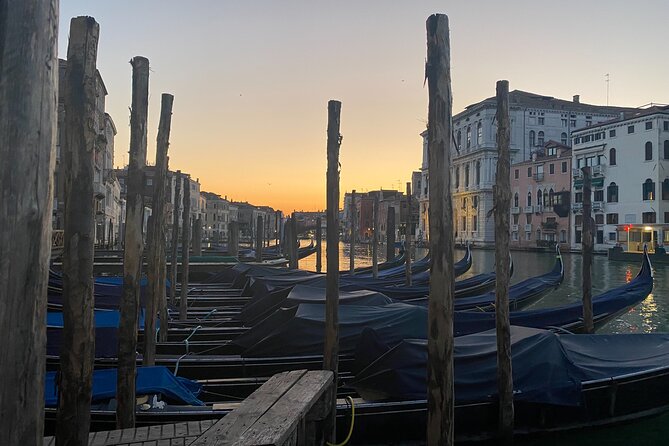
Your tour begins at Gallerie dell’Accademia on Calle della Carità (Calle della Carità, 1050). The start time is 4:00 pm, which is a smart choice for Venice. It gives you late-day light for photos and a calmer rhythm than earlier slots.
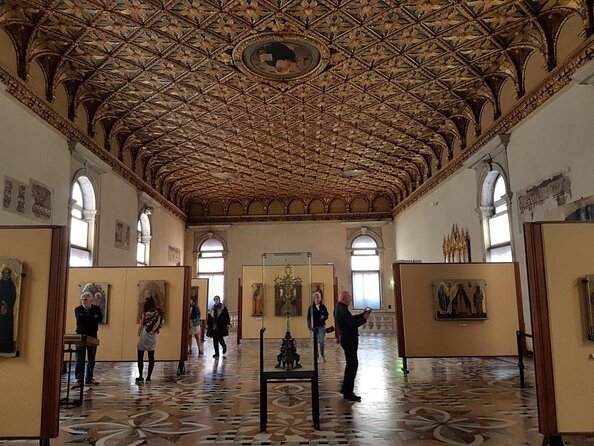
One of the first things you’ll notice is an outdoor look at an art collection spanning roughly 1200 to 1900. You’re not going in on this walk, but seeing the building context matters. It helps you understand why Venice has always been a city of art, power, and trade—not just canals and masks.
Practical note: because this tour doesn’t rely on museum time, you’ll move quicker through the city. That’s great if you want orientation fast. If you’re craving long indoor gallery time, you’ll need a separate plan for that.
You can also read our reviews of more city tours in Venice

A Private, Local Route That’s Built for Getting Oriented Fast
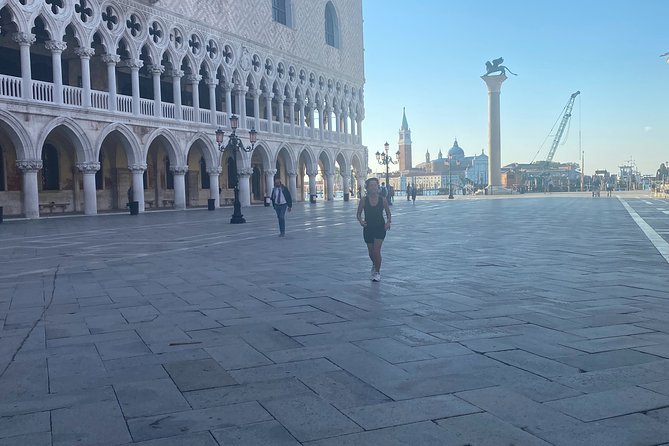
This is a private tour, so you’re not being herded with dozens of strangers. In Venice, that changes everything. You can ask questions, pause for a better view, and get explanations that match your interests—history, daily life, food, or how the city works.
What makes the experience feel extra “Venice” is the way your guide connects what you’re seeing to how locals live with it. You’ll hear stories behind the sights, and you’ll also get practical context—cultural norms, festivals, and traditions. A lot of guides go beyond dates and facts and explain how people actually behave here, including how to keep your wallet safe.
One more thing I like: the tone tends to be friendly and conversational. Several guests describe the experience as feeling like walking with a friend who happens to know the city deeply. That matters in Venice, where it’s easy to feel lost and annoyed.
The trade-off is physical. Venice is a walking city with uneven surfaces and lots of turning corners. The good news: this is only about two hours, and it’s paced by your group.
Santa Maria della Salute: A Plague-Era Church Stop With Real Meaning
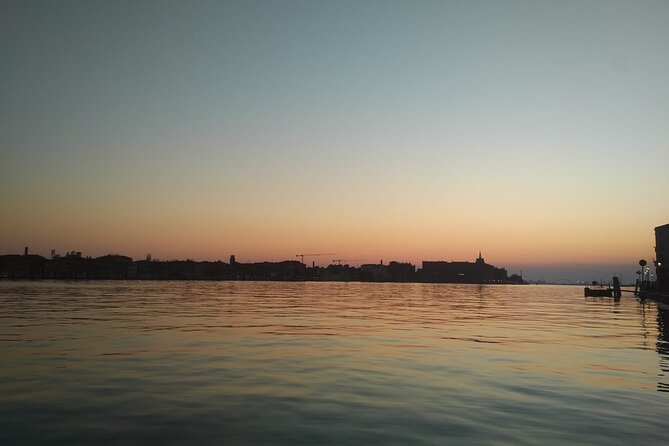
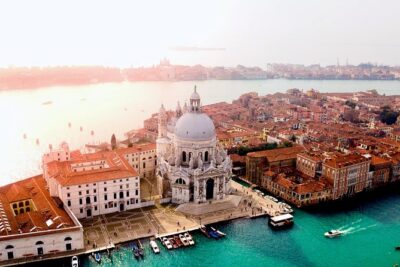
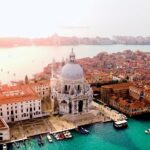
Stop one is Basilica di Santa Maria della Salute. You’ll spend about 20 minutes here. This church has a strong origin story: it was built at the end of one of the last plagues. That detail isn’t just trivia—it explains why Venice’s architecture often carries memory and urgency, not only beauty.
Even in a short visit, this stop works because the guide ties the building to the wider Venetian story. You’re not just looking at stone; you’re learning why Venice responded to catastrophe with faith, public works, and big civic gestures.
Admission for this church is listed as free (ticket free). That’s a big value point. It means your money goes toward the guide and route choice, not toward fees stacked on top of fees.
Possible drawback: since the time is tight, treat it like a meaningful introduction rather than a full church study. If you want to linger for art, chapels, or slow reading, this portion won’t fill that need.
Fondamenta Zattere: Where Venetians Go to Exhale by the Water
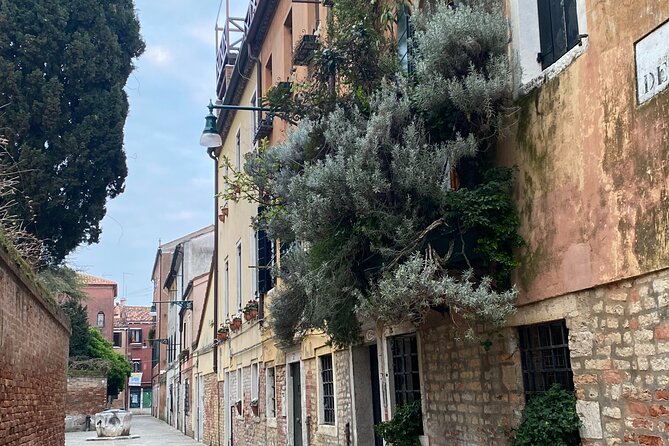
Next you’ll head to Fondamenta Zattere, a promenade where Venetians come to relax, enjoy the sun, and unwind. You get about 30 minutes here. This is the kind of stop that resets you after the denser, more compressed streets.
Zattere is also a useful “Venice skills builder.” The promenade helps you understand sightlines—how the city reveals itself in layers. You notice how water frames neighborhoods and how people move along the edge of the lagoon.
There may be an optional stop at Nico’s. That’s not guaranteed in the description, but it’s a classic Venice-style add-on: a place to pause, look, and enjoy the atmosphere without turning it into an all-day food crawl.
Consideration: a waterfront promenade can still have foot traffic. The advantage is that this spot tends to feel more like everyday Venice than the busiest tourist magnets. If you want quiet peace above all else, choose this part for your decompression window.
Squero di San Trovaso: See the Gondola Craft from Across the Canal
One of the most compelling parts of the walk is Squero di San Trovaso. This is the shipyard where gondolas still tie into tradition. You’ll have about 20 minutes, and the key detail is that you can see the shipyard from across the canal.
That across-the-water viewing is smart for two reasons. First, it keeps the moment safe and quick—you’re not hunting for a perfect vantage point for ages. Second, your guide’s explanations make it more than a photo stop. You’ll learn how gondola-building culture survives in a city where everything changes.
You’ll also pass by a well-known bacaro in the area, Ai gia Schiavi. Bacari are Venice’s social glue. Even if you don’t stop for a drink there, passing it during the shipyard moment helps connect craft, community, and daily life.
Here’s a detail worth highlighting: in Venice, the gondola is not just the boat—it’s the entire system of hardware and craft. Some guests mention seeing a shop where forcole are made (the oarlocks). If your guide points out this kind of gondola-specific craftsmanship, it’s a memorable way to understand the city’s expertise.
Possible drawback: if you’re expecting a behind-the-scenes workshop visit inside the shipyard, don’t count on that. This experience is described as a viewpoint moment—still very cool, just not a hands-on tour.

Campo San Barnaba and Campo Santa Margherita: The Neighborhood Ending You’ll Appreciate
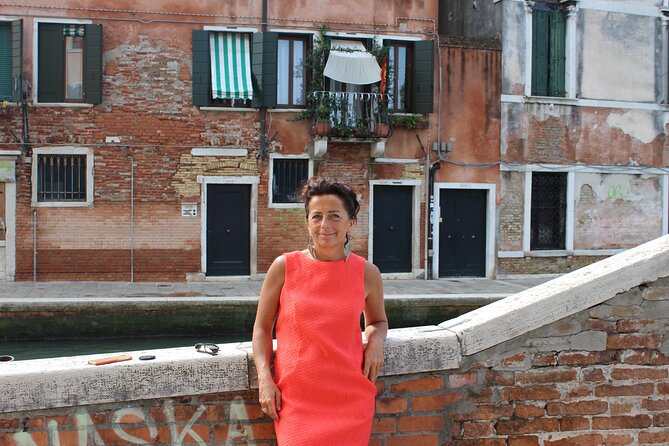
This tour’s final stretch is where Venice becomes human-scale.
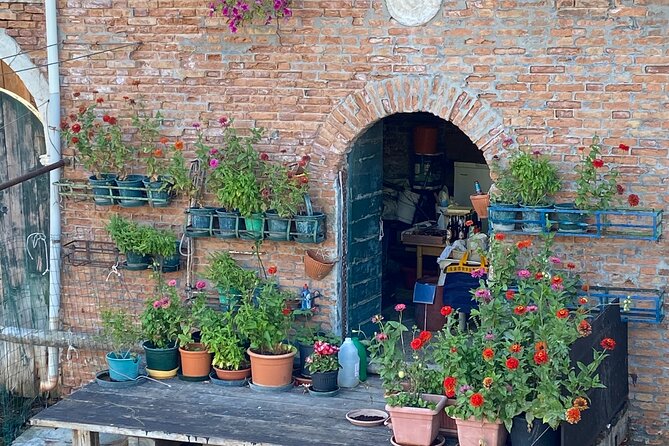
First is Campo San Barnaba in Dorsoduro. It’s a short stop—about 10 minutes—but it’s chosen for atmosphere. Dorsoduro has that slightly quieter, more lived-in feel compared with the busiest central corridors. It’s the kind of place where you can watch daily rhythms without feeling like you’re in a theme park.
Then you reach Campo Santa Margherita, one of the most well-known campos that still has residents around. You’ll spend about 30 minutes here. This is a great finishing point because it gives you options. If you want a drink or dinner after the tour, your timing lines up nicely.
One subtle reason I like ending in a campo: it’s where you can orient your next move. You’ve walked in the city’s smaller passages, and now you stand in a public square where Venice life gathers. It’s easier to decide whether to wander longer, head back, or split up for dinner.
Possible drawback: because this is a “real Venice life” area, it won’t feel like a staged museum route. If you prefer architecture-only sightseeing, you may find the street life distracting. I’d argue that’s the point.
What Your Guide Actually Brings: Stories, Traditions, and Smart Advice
The biggest reason this tour gets such strong feedback is the guide’s role. The experience is built around commentary—stories behind the sights—and not just a list of landmarks.
You can expect to hear more than “here’s a building.” You’ll get cultural context: Venice’s festivals, unique traditions, and the way history shows up in everyday spaces. Some guests especially liked the way the guide covered Venice’s more recent history, not only distant centuries.
Guides also tend to share practical recommendations. You may get help finding good local food and wine bars, plus shopping pointers for smaller places you’d never stumble into on your own. In at least some cases, guests report small “goodies” along the way—like gelato, wine, or cicchetti. Even if that’s not always part of your specific route, expect solid guidance on what’s worth your time.
Then there’s the safety side. Venice attracts pickpockets like a magnet. A top-priority guide habit here is giving scam and pickpocket awareness—simple tips like how to stay alert in crowded pinch points and how to act like you know where you’re going. That kind of coaching makes the city feel less stressful.
Also worth mentioning: the host is listed as Elisabetta Amadi, and in some bookings guests describe communication and flexibility that make meeting up easy. A few guests mention messaging ahead of time (even via WhatsApp), and that kind of clarity matters when you’re trying to locate a meeting point in old streets.
Price and Timing: Does $102.58 Feel Worth It?
This tour costs $102.58 per person for about two hours. At first glance, that sounds like a lot for a walking route. But Venice private guiding is a different game than many other cities.
Here’s what you’re really paying for:
- a private experience with a guide who can tailor the pace and what you focus on
- route planning that steers you away from only the busiest sights
- storytelling that turns architecture and canals into context
- multiple meaningful stops, including a church where admission is free (Santa Maria della Salute)
You’re also starting at a time that’s useful for orientation. If it’s your first day, this can help you understand how Venice is laid out—where the calmer areas are, how neighborhoods connect, and what type of walking will feel good for you.
If you’re traveling with a small group (or just one other person), you’ll likely feel the value more than if you were joining a big group where you can’t hear well. Private time costs money, but in Venice it buys comfort, clarity, and better questions.
One more real-world cost to watch: on certain dates, if you’re staying outside Venice and visiting for the day, there can be a €5 access fee. You’ll want to check the city’s official calendar linked in the tour info so you’re not surprised.
Also, this experience depends on good weather. If rain or bad conditions hit, you’ll be offered a different date or a full refund. Venice weather can be moody; don’t gamble on stubborn plans.
Who This Tour Suits Best (And Who Might Want Something Else)
This is a strong fit if you want:
- a first-time Venice orientation that avoids the worst crowds
- a local perspective on neighborhoods, not only landmark photos
- a guide who explains history, traditions, and practical city rules
- a two-hour plan that helps you land on the right areas for food and wandering later
It may be less ideal if you want:
- long museum time or lots of ticketed attractions
- a fully indoor experience
- a tour that replaces a full day of sightseeing
And because the tour is a walking loop with a moderate fitness level requirement, it’s best for people who can handle uneven streets and lots of short distances. If that’s you, this is a great way to make Venice feel manageable.
Should You Book This Authentic Venice Walk?
Yes—if you’re aiming for a calmer, more local Venice in a short window. The combination of private guiding, free church access at Santa Maria della Salute, and the gondola shipyard viewpoint at Squero di San Trovaso makes it a smart value for your time.
Book it early in your trip if you can. This route helps you understand where you’ll enjoy spending the rest of your days—especially around Dorsoduro and the campo rhythm that locals live by.
If you’re unsure, pick the guide- and story-focused option over a “checklist of famous sights” tour. In Venice, that’s usually what turns a good visit into a memorable one.
FAQ
How long is the tour, and where does it end?
The tour lasts about 2 hours and ends back at the meeting point.
What time does it start, and where do we meet?
It starts at 4:00 pm. The meeting point is Gallerie dell’Accademia, Calle della Carità, 1050, 30123 Venezia VE, Italy.
Is this tour private, or do I join others?
It’s private. Only your group participates.
What language is the tour offered in?
The tour is offered in English.
Are any of the stops ticketed?
Santa Maria della Salute has admission listed as free. Other parts of the route are described as outside viewing or promenade/campo stops with free entry.
What should I expect for walking and physical effort?
The tour is marked for moderate physical fitness. It involves walking and includes uneven pavement and many bridges based on guest experiences.
Is there an extra access fee for some visitors?
On certain dates, day visitors staying outside Venice may need to pay a €5 access fee. The applicable dates and exemptions are listed at the city website provided in the tour info.
Does it run in bad weather?
The experience requires good weather. If it’s canceled due to poor weather, you’ll be offered a different date or a full refund.
Are service animals allowed?
Yes, service animals are allowed.