REVIEW · VENICE
Venice: Natural History Museum Entry Ticket
Book on GetYourGuide →Operated by Venezia Unica by Vela Spa · Bookable on GetYourGuide
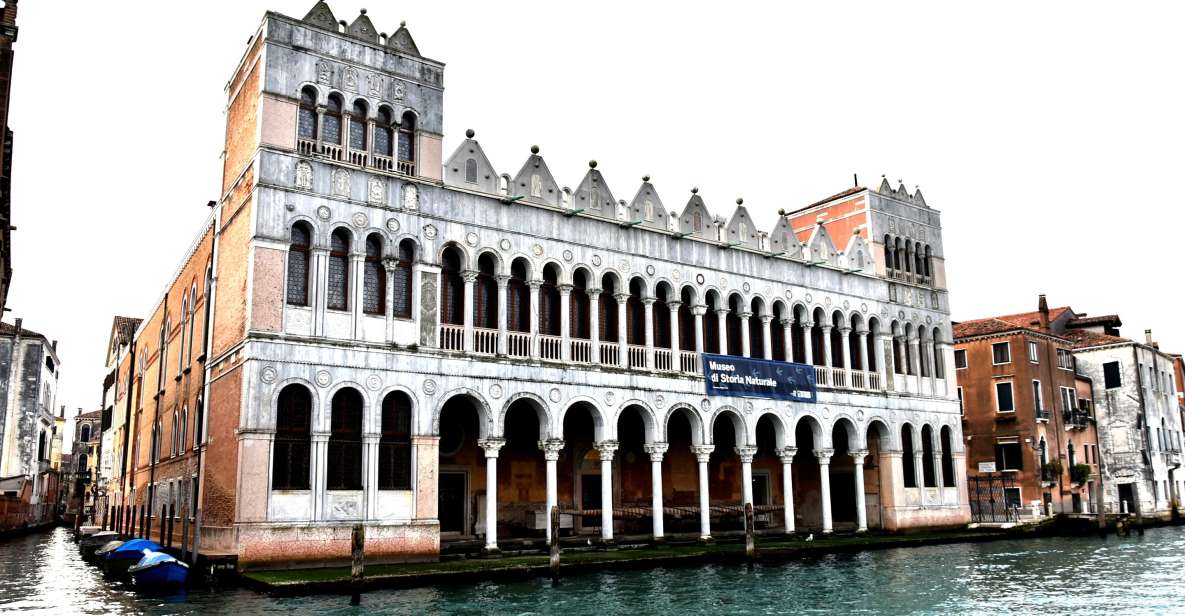
If you like science and old-world grandeur, this stops you fast. The Natural History Museum sits on the Grand Canal, and it mixes fossils, animals, and oddball curios in a 13th-century palazzo.
What I like most is how much there is to see for the price, plus how well it works for families. You’re looking at an enormous display collection of about 2 million objects, and upstairs the dinosaur galleries deliver real wow-factor.
One heads-up: the museum’s content is old-school natural history, so you’ll see taxidermy in places. If you’re visiting with very sensitive kids, plan your route with that in mind.
In This Review
- Key highlights you’ll feel right away
- Why Venice’s Natural History Museum Feels Different Than Usual Stops
- Price and Value: What You’re Really Paying For
- Finding the Museum Fast on the Grand Canal
- The 13th-Century Building: Architecture, Courtyards, and Photo Stops
- What You’ll See Upstairs: Dinosaurs, Prehistoric Crocodiles, and Big Skeleton Power
- The Standout Moment: Sarchosuchus Imperator Skull
- The Museum’s Big Collection: Around 2 Million Objects (and Why That Matters)
- Library Stop: 40,000 Books You Can’t Ignore
- Natural World Displays (and the Emotional Stuff, Too)
- How Much Time You Need (So You Don’t Rush the Best Parts)
- A Few Smart Tips Before You Go
- Opening Hours and When to Avoid a Closed Door
- Who This Ticket Is Best For
- Should You Book This Venice Natural History Museum Ticket?
- FAQ
- Is admission included in the ticket price?
- How long should I plan for my visit?
- Where is the Natural History Museum in Venice?
- What are the opening hours?
- Is the museum wheelchair accessible?
- Are there free admission categories?
- Do I need to pay an extra Venice Access Fee?
- What famous fossil exhibits can I expect to see?
Key highlights you’ll feel right away
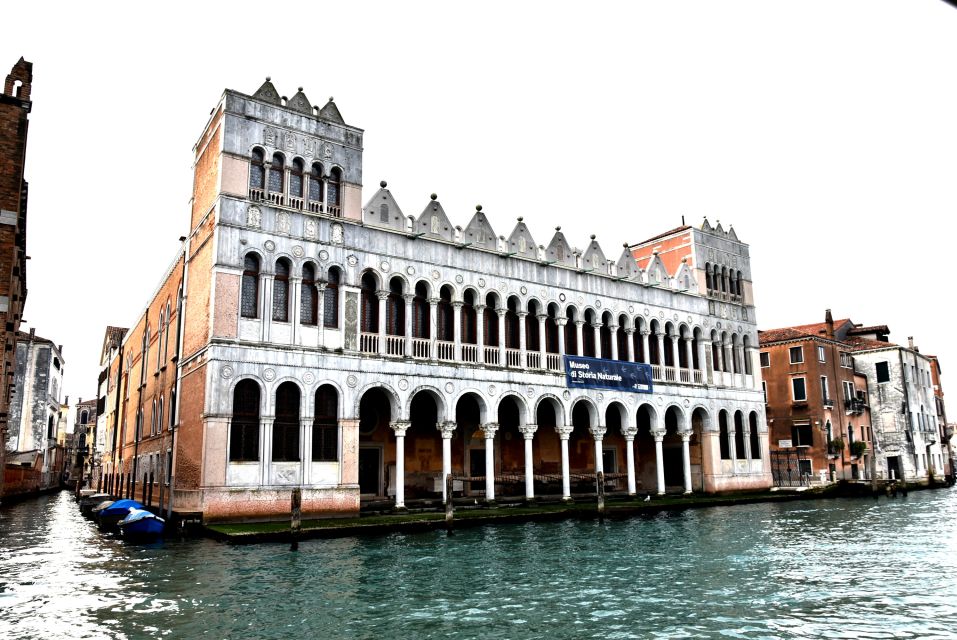
- 13th-century palazzo setting on the Grand Canal, great for photos and a calmer pacing
- About 2 million objects, spanning plants, animals, fossils, and ethnographic collections
- Ouranosaurus nigeriensis skeleton (over 7 meters long), a standout prehistoric moment
- Sarchosuchus imperator skull, tied to African discoveries
- Library room with 40,000+ books, a quieter side of the museum
- Family-friendly visit length, often doable in about 40–60 minutes if you move briskly
Why Venice’s Natural History Museum Feels Different Than Usual Stops
Venice usually hits you with canals, churches, and crowds. This museum does a different thing: it gives you a big indoor “hold on, look at this” moment, all while you’re still in a classic palazzo along the Grand Canal.
The building itself matters. You’re visiting a beautiful museum housed in a 13th-century structure, not a modern box. That means the architecture adds mood as you go—arches, corridors, and room-to-room displays that feel a bit like walking through a curated cabinet of wonders.
You also get a handy contrast to the street scene outside. People often come when it’s hot or rainy because it’s a steady indoor plan. Even when the city feels packed, the museum can feel calmer, letting you actually focus on the exhibits.
You can also read our reviews of more tours and experiences in Venice



Price and Value: What You’re Really Paying For
The ticket price is around $11 per person, and the included item is straightforward: admission to the Natural History Museum.
Here’s the value angle that matters. For this kind of collection—dinosaur fossils, major natural history displays, and ethnographic material—the ticket price is unusually easy to justify. You’re not buying a rushed guided circuit; you’re paying for time in a museum that’s big enough to satisfy both kids who want spectacle and adults who want to read and linger.
What’s not included is also clear. There’s no hotel pickup and no guide with this ticket. That’s fine, because the museum is set up for self-paced wandering. Just know you may want extra help if English text isn’t your thing—some visitors suggest using a voice guide if available, or a translation app.
One more practical pricing note: on certain Venice dates between 18 April 2025 and 27 July 2025, an Access Fee is required by the City of Venice for visitors (with exemptions). If your travel dates fall in that window, check the official site for how to pay and whether you qualify for an exemption.
Finding the Museum Fast on the Grand Canal
Your meeting point is simple: the museum is on the edge of the Grand Canal, and you enter at the main entrance.
When you arrive, you’ll show your ticket on arrival. Then you can settle right into the displays without any extra meet-up steps.
Practical tip: give yourself a little extra time to orient yourself in this part of Venice. Even when it’s not crowded, the streets and water-adjacent pathways can make you feel like you’re taking scenic detours. Once you spot the main entrance, though, the day becomes easy.
The 13th-Century Building: Architecture, Courtyards, and Photo Stops
This isn’t just a museum you walk through. The palazzo setting helps you slow down for a minute.
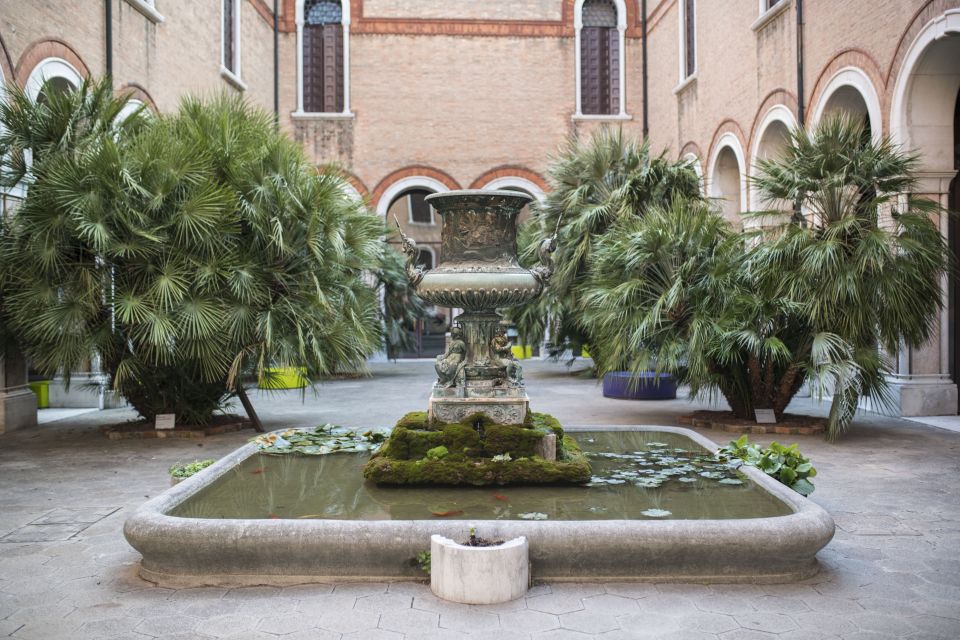
In particular, people love that you can grab great views of the Grand Canal while you’re still in a calm, enclosed environment. There’s also a sense of a quieter campus-like feel inside—think terrace or garden spaces you can step into between rooms. That matters because it breaks up the “only exhibits, nonstop” rhythm.
Also, plan on using your phone camera early. The exterior and canal-facing angles are the easiest wins, and once you’re deep into fossils and dinosaurs, you may not want to step out again right away.
What You’ll See Upstairs: Dinosaurs, Prehistoric Crocodiles, and Big Skeleton Power
The museum’s “most popular attraction” is upstairs, and it’s the prehistoric section.
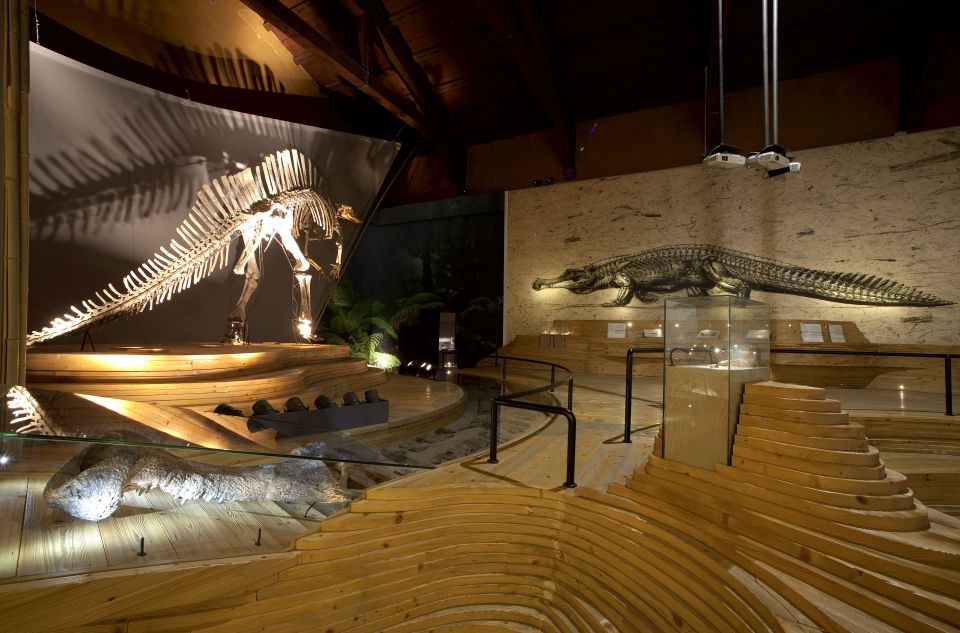
This is where you’re going to spend your time if you love fossils. Look for the display featuring Ouranosaurus nigeriensis, a skeleton that’s more than 7 meters long. In a building like this, seeing something that large feels extra unreal. It’s not a tiny model behind glass—it’s a whole presence.
You’ll also find dinosaur fossils and prehistoric crocodiles. This is a good place to manage family expectations: kids usually sprint toward the dinosaurs, then stick around once they realize there’s more than one big star.
If you’re the type who likes order, you’ll probably appreciate the way the upstairs areas are presented so you can move from one prehistoric story to the next without feeling lost.
You can also read our reviews of more historical tours in Venice





The Standout Moment: Sarchosuchus Imperator Skull
One fossil-related highlight is especially specific: the skull of Sarchosuchus imperator, discovered in Africa.
That detail is worth paying attention to because it adds a “fieldwork meets museum” feeling. You’re not just seeing bones—you’re seeing a connection to where these finds came from, and why paleontologists care.
If you’re visiting with kids, this is a great conversation starter. If you’re an adult, it’s a reminder that museums like this are built on real discovery, not just display cases.
The Museum’s Big Collection: Around 2 Million Objects (and Why That Matters)
This museum claims a collection of about 2 million historical objects. That number is huge, but here’s what it means for you in plain terms: you’re not stuck staring at one highlight with the rest feeling repetitive.
You’ll encounter zoological specimens, dinosaur fossils, and ethnographic collections. That mix is part of the charm. It’s not only “nature” and it’s not only “history.” It’s nature-history, plus human-related collections, shown through the lens of how museums gathered and organized knowledge.
You’ll likely notice two pacing styles in the museum:
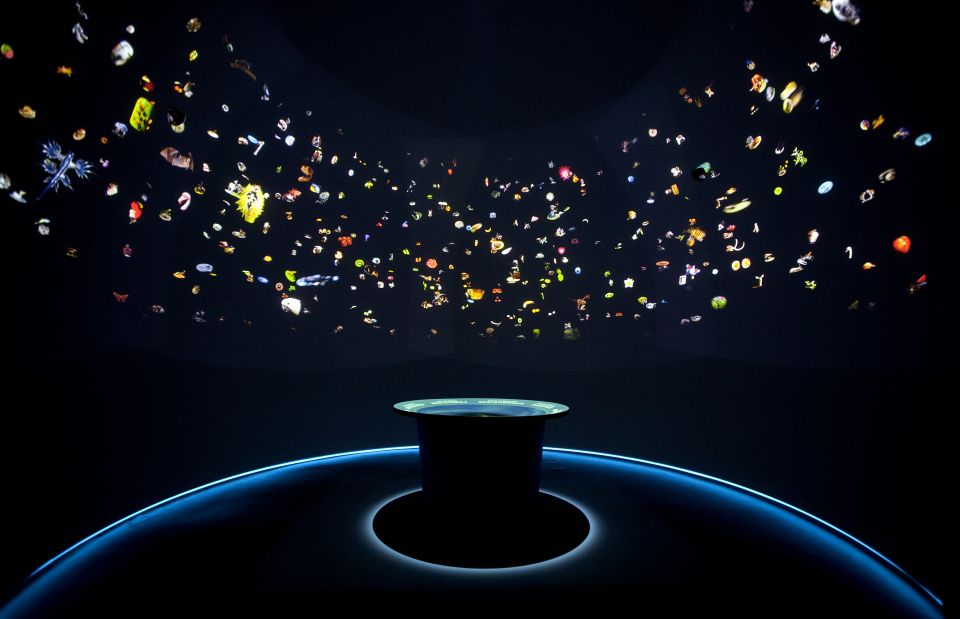
- modern-feeling prehistoric and fossil sections that help you read the science
- more traditional galleries where specimens and cabinets take over the mood
That blend works well if you want variety during a short day.
Library Stop: 40,000 Books You Can’t Ignore
There’s a library area with a collection of over 40,000 books.
This doesn’t always headline a museum visit, but it adds something important. It connects the displays to the people who study them and the time it takes to catalog and understand collections. Even if you don’t read every title, the room changes the vibe. It’s a quieter pause from the fossil sprint.
If you like museums that have a “research brain” underneath the “wow brain,” this is a good feature to seek out.
Natural World Displays (and the Emotional Stuff, Too)
Alongside fossils, you’ll find displays focused on plants and animals. That’s one reason the museum works for adults as well as kids: not everyone wants to spend an entire day staring at bones.
One display theme that people often connect with emotionally is marine life—especially a whale skeleton paired with information about the challenges whales face. It’s the kind of exhibit that can shift a visit from pure curiosity to a more thoughtful mood. If you want a museum that does more than entertain, this is where you’ll feel it.
How Much Time You Need (So You Don’t Rush the Best Parts)
The activity is listed as valid for 1 day, but your real time plan depends on how you like museums.
From the way the museum is experienced, you can often do it in about 40–60 minutes if you focus on the main rooms and the dinosaur highlights. If you’re more of a “read the labels” person, give yourself a longer session. Some people realize they needed more time once they started moving room to room.
A good practical approach:
- Start upstairs for dinosaurs while the energy is high.
- Then come back down and do a second pass through the natural world and any cabinets that catch your eye.
- Leave the library/lower priority rooms for last, so you don’t feel like you’re racing.
A Few Smart Tips Before You Go
This museum is wheelchair accessible, so you can plan a smoother route without worrying about major access issues.
Language support can be mixed. Some information may not be as easy in English as you’d like, based on firsthand impressions. If English signage is limited for you, bring a translation app or check whether an English voice guide is available on the day you visit.
Also, watch for taxidermy. This is not a science center that only shows skeletons and diagrams. You may see mounted animals and trophy-style rooms. That can be a non-issue for many adults, but for small kids—or anyone who doesn’t like the look of taxidermy—it’s worth managing expectations.
Opening Hours and When to Avoid a Closed Door
You’ll want to plan around the museum schedule.
- It is closed on Monday.
- Until May 31, it’s open 9:00 AM to 5:00 PM, with last admission at 4:00 PM.
- From June 1, it’s open 10:00 AM to 6:00 PM, with last admission at 5:00 PM.
If you’re visiting in the hot season, hitting the museum earlier in the day can help. It’s an indoor block of time where you can cool off and keep moving without Venice’s heat and walking fatigue taking over.
Who This Ticket Is Best For
This is a strong pick for:
- families with kids who want a clear “wow” area like the dinosaurs
- adults who like fossils, prehistoric animals, and traditional natural history displays
- anyone who wants a calmer indoor plan away from the heaviest crowds
It can be a little less ideal if:
- your group strongly dislikes taxidermy displays
- you expect a fully guided experience with lots of live commentary (this ticket is admission-only)
Should You Book This Venice Natural History Museum Ticket?
If you’re deciding between another canal walk and an indoor cultural break, I’d book it. The value is excellent for what you get: big fossil highlights like the Ouranosaurus skeleton, a specific star skull like Sarchosuchus imperator, and a large collection spread across natural history and ethnographic material. Add the palazzo setting on the Grand Canal, and it becomes more than a one-note museum.
Book it especially if:
- you want a rainy-day or hot-day activity
- you like dinosaurs but also want plenty of other rooms to wander
- you’d rather self-pace than rely on a tour script
Skip it if your party is very sensitive to taxidermy or you’re only interested in one exhibit and nothing else. In that case, you might get more satisfaction from a shorter, more targeted plan.
FAQ
Is admission included in the ticket price?
Yes. This ticket includes admission to the Natural History Museum. Hotel pickup, drop-off, and a guide are not included.
How long should I plan for my visit?
The visit is listed as valid for 1 day. In practice, it’s often possible to see the highlights in about 40–60 minutes, but you may want more time depending on how much you read and explore.
Where is the Natural History Museum in Venice?
It’s on the edge of the Grand Canal in Venice. Go to the main entrance and show your ticket on arrival.
What are the opening hours?
The museum is open:
- Until May 31: 9:00 AM to 5:00 PM, last admission 4:00 PM
- From June 1: 10:00 AM to 6:00 PM, last admission 5:00 PM
It is closed on Monday.
Is the museum wheelchair accessible?
Yes. The museum is wheelchair accessible.
Are there free admission categories?
Yes. Venetian citizens, residents, children under 5, and disabled people get free admission.
Do I need to pay an extra Venice Access Fee?
On certain days between 18 April 2025 and 27 July 2025, visitors to Venice are required to pay an Access Fee to the City of Venice, unless they qualify for specific exemptions. Check the official site for dates, payment method, and exemptions.
What famous fossil exhibits can I expect to see?
You can expect to see Ouranosaurus nigeriensis (a skeleton over 7 meters long) and the skull of Sarchosuchus imperator, plus other dinosaur and prehistoric animal displays upstairs.