REVIEW · VENICE
Venice: Giudecca Island Discover Walking Tour
Book on GetYourGuide →Operated by Valerio Coppo Detourist · Bookable on GetYourGuide
Giudecca feels like Venice’s side door. I love the waterbus ride for the big, clean views, and I love how Valerio Coppo turns this quieter island into a story you can actually walk. One drawback to plan for: the tour is not suitable for people with mobility impairments or wheelchair users, since it’s a walking experience.
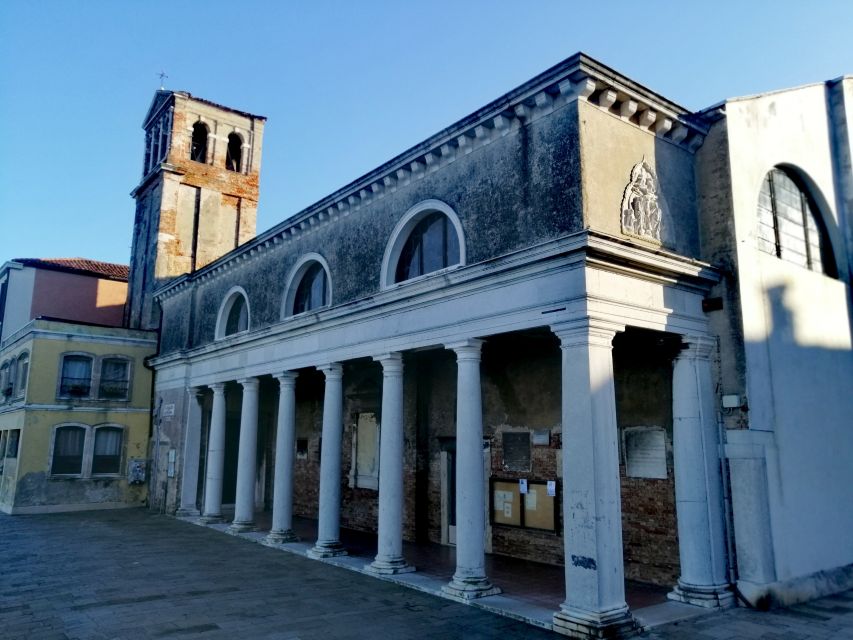
This is a guided island discovery that takes you across Giudecca’s two personalities: the Venice-facing waterfront and the lagoon side with calmer streets, gardens, and art spaces. You’ll start at the Church of Saint Mary of the Rosary, also called Gesuati, and you’ll finish right back at that same meeting point. It’s a great way to spend a couple of hours outside the biggest Venice crowds without feeling like you’re missing the point.
Giudecca is shaped a bit like a fishbone and is often called Venice’s unofficial seventh sestiere. Once it served as an aristocratic retreat, then later an industrial work zone, the island’s buildings reflect that shift, with some grand homes and palaces later converted into warehouses, barracks, prisons, factories, and worker quarters that now work for artistic and modern uses. That mix is exactly why a guide matters here.
In This Review
- Key takeaways
- Giudecca’s Fishbone Shape: Why the Island Feels Different
- Getting There by Waterbus: A Short Ride With Big Payoff
- Starting at Gesuati: A Church Meeting Point That Actually Makes Sense
- The Venice-Facing Pedestrian Quay: Views First, Then Details
- Lagoon Side Gardens, Galleries, and Neighborhood Life
- History You Can Walk: From Retreat to Industry to Art
- Architecture and Color: What to Watch as You Go
- Guide Quality: Valerio Coppo and the Fun of Good Interpretation
- Price and Value: Is $146.14 Worth It?
- Timing, Pace, and What to Wear
- Who This Tour Is For (and Who Might Skip It)
- Should You Book This Giudecca Walking Tour?
- FAQ
- FAQ
- How long is the Giudecca Island discover walking tour?
- Where does the tour start?
- Where does the tour end?
- Is the waterbus ticket included?
- What is included in the tour price?
- Is this tour private?
- What languages is the live guide available in?
- Who might find this tour difficult?
- Can I cancel for a refund?
- Do I pay immediately when I book?
Key takeaways
- Waterbus to Giudecca Canal views before you even start walking
- Valerio Coppo’s interpretation makes neighborhoods and architecture click
- Venice-facing pedestrian quay for long views along the waterfront
- Lagoon-side gardens and galleries for a quieter pace
- Artistic district + residential feel in the same walk
- Private-group format keeps the tour feeling personal
Giudecca’s Fishbone Shape: Why the Island Feels Different
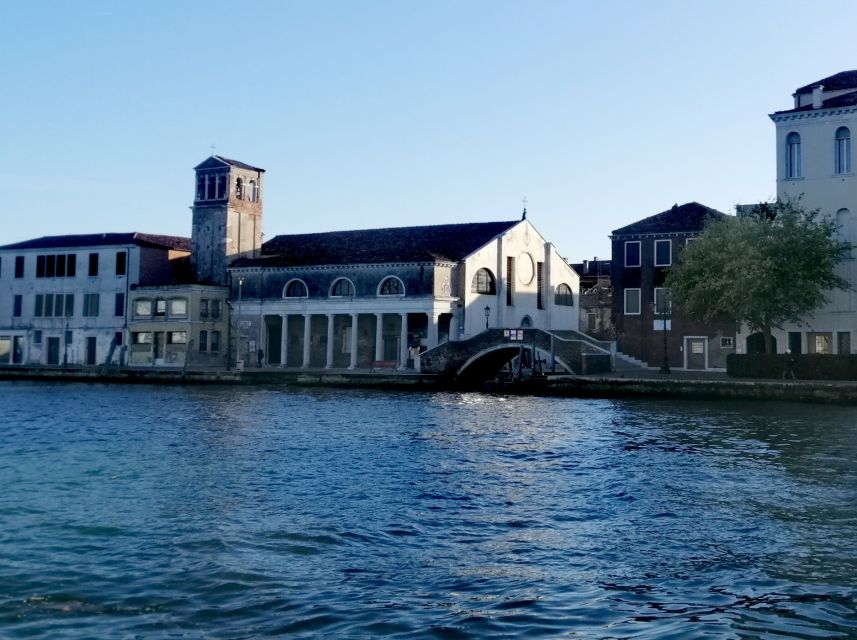
Giudecca is the largest and closest island to Venice, separated from the city by the broad and deep Giudecca Canal. That geography shapes everything: the views, the angles of the waterfront, and the way the island streets open up.
The island’s fishbone-like form also helps explain why you get variety in a short walk. You’re not only moving from point A to point B. You’re shifting from the Venice side, where you get that classic canal frontage feeling, to the lagoon side, where the air feels calmer and the scene turns more garden-and-gallery.
If you’ve only seen Venice from the water and main canals, this tour gives you a second set of visual “rules.” From the quay you’ll be watching Venice, then on the other side you’ll be watching the lagoon’s slower rhythm.
You can also read our reviews of more walking tours in Venice



Getting There by Waterbus: A Short Ride With Big Payoff
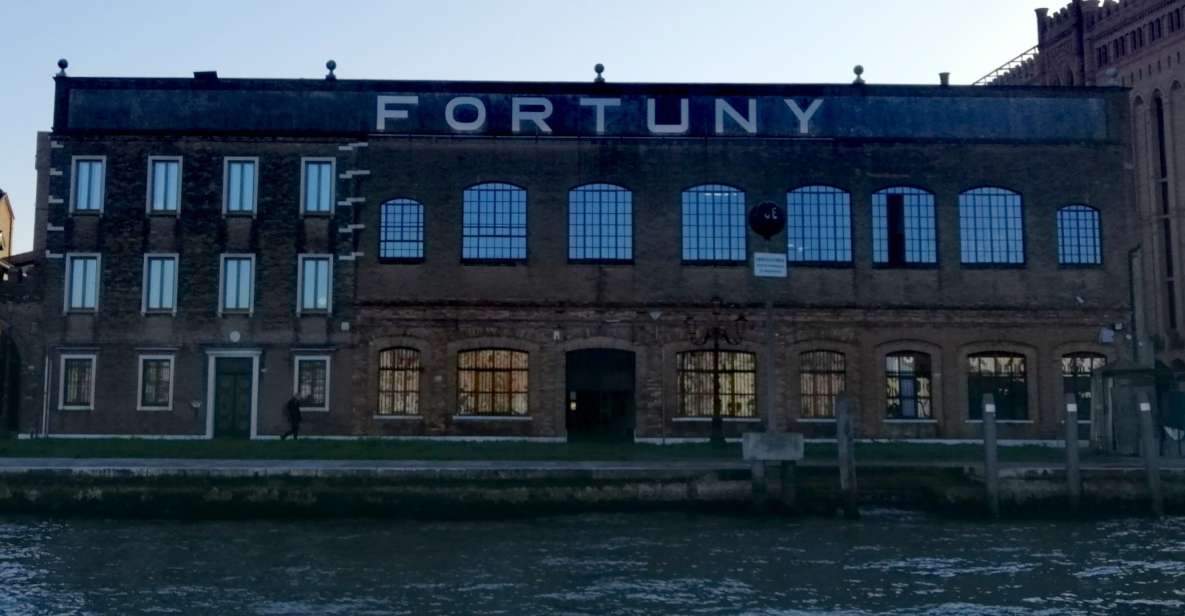
One of the smartest parts is that you don’t just show up on the island. You travel by waterbus to Giudecca, and that ride matters. The canal run sets the stage for what you’ll see next, because you get a moving panorama rather than a static view.
This is also where you get the fresh-air reset. Venice can feel close in the streets, but on the water you get space, light, and perspective. Even if you already know Venice visually, this angle adds another layer to your mental map.
Practical note: the waterbus ticket to Giudecca isn’t included. You’ll purchase it on-board, so plan to have your ticket ready when you step on.
Starting at Gesuati: A Church Meeting Point That Actually Makes Sense
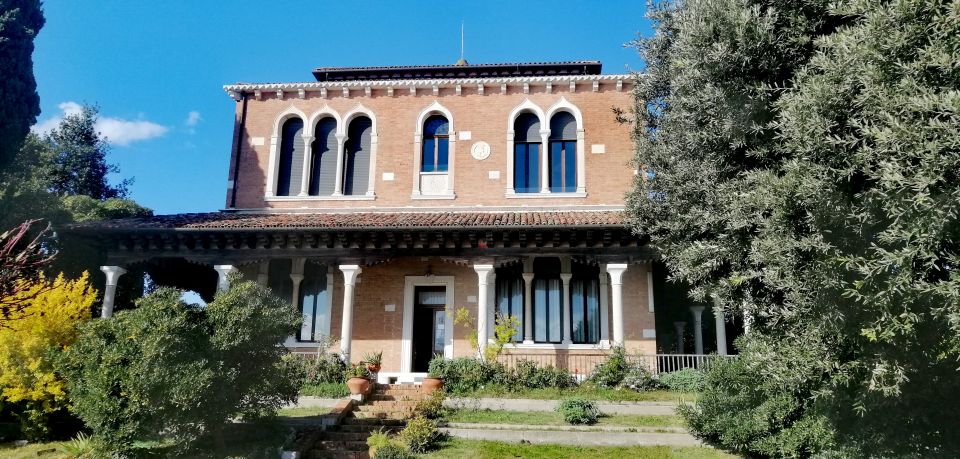
You meet your guide in front of the Church of Saint Mary of the Rosary, known as Gesuati. Starting here is useful because it anchors the tour in a real Venice location, not a generic “meet at the dock” situation.
From the meeting point, you’re going to link three things in your head: Venice’s busy side, Giudecca’s quieter streets, and the canal that divides them. A good guide will help you understand why the island developed the way it did and how that shows up in buildings you pass.
If you like tours that start with context, this one fits. You won’t just be collecting photos. You’ll be collecting meaning.
The Venice-Facing Pedestrian Quay: Views First, Then Details
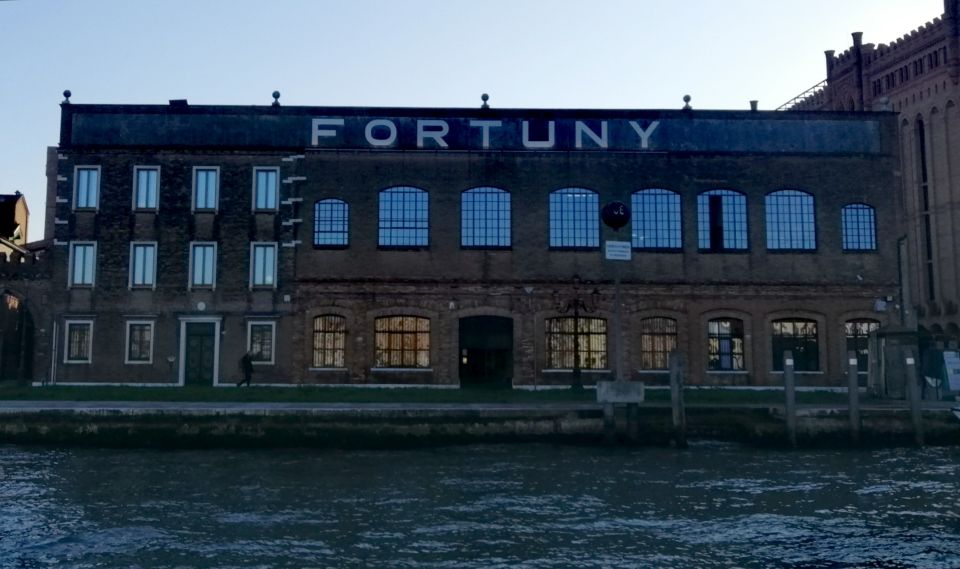
Once you’re on Giudecca, the walk begins along the long pedestrian quay that runs along the Venice-facing side. This part is mostly about atmosphere and observation.
You’ll get the feel of the island as a frontage to Venice itself. Think long lines of view, open sight to the city, and lots of chances to compare what you see from land with what you’ve seen from bridges or water routes. It’s not frantic. It’s steady and scenic.
This is also where it helps to have a guide who can point out what’s worth noticing. The island’s architecture and the way buildings sit along the waterfront tells you something about how the island functioned historically, first as a retreat and later as an industrial hub.
What I like most here is that the quay gives you breathing room. In a place like Venice, that’s rare.
Lagoon Side Gardens, Galleries, and Neighborhood Life
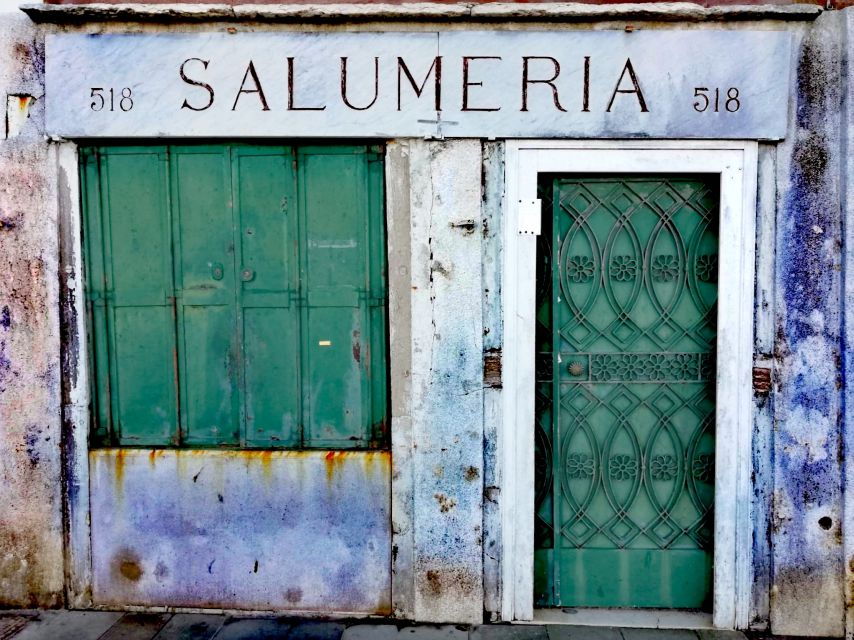
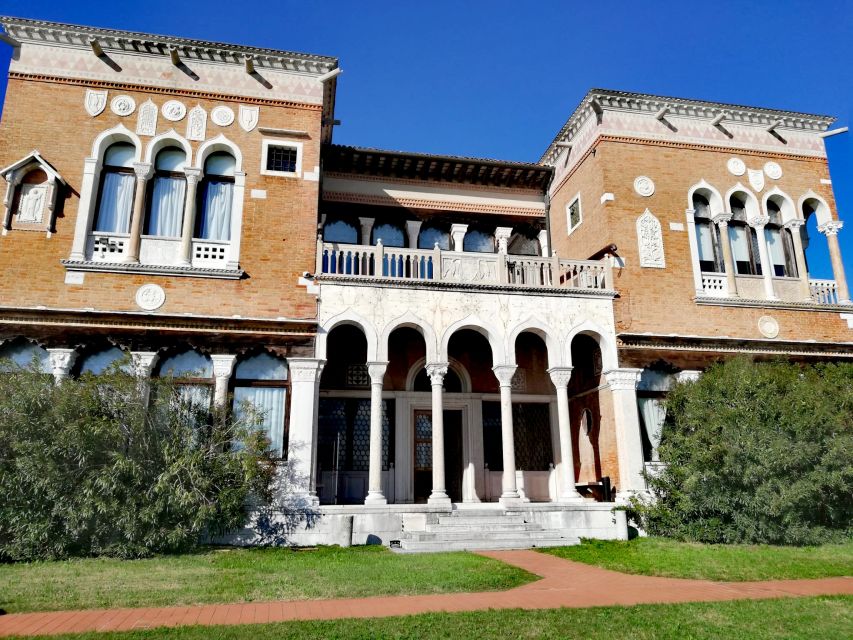
After the waterfront stretch, the tour moves you toward the lagoon-facing side, where the vibe changes again. This is where you find lush gardens, inspiring galleries, and residential neighborhoods.
This section is valuable because it shows a Giudecca that doesn’t feel like a museum. Instead, it feels like a living island with people’s daily routines, plus creative spaces tucked into the edges. You’re not only looking at buildings. You’re looking at how those buildings are used.
The lagoon side is also where you can slow down mentally. Venice’s best moments aren’t only about famous sights. They’re about quieter streets where you notice small shifts: greenery, light in windows, and the way galleries can sit in places that used to serve another purpose.
The guide’s job here is key. Without interpretation, these stops can blend together into “pretty streets.” With a good narrative, you start to see the island’s evolution.




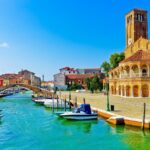
History You Can Walk: From Retreat to Industry to Art
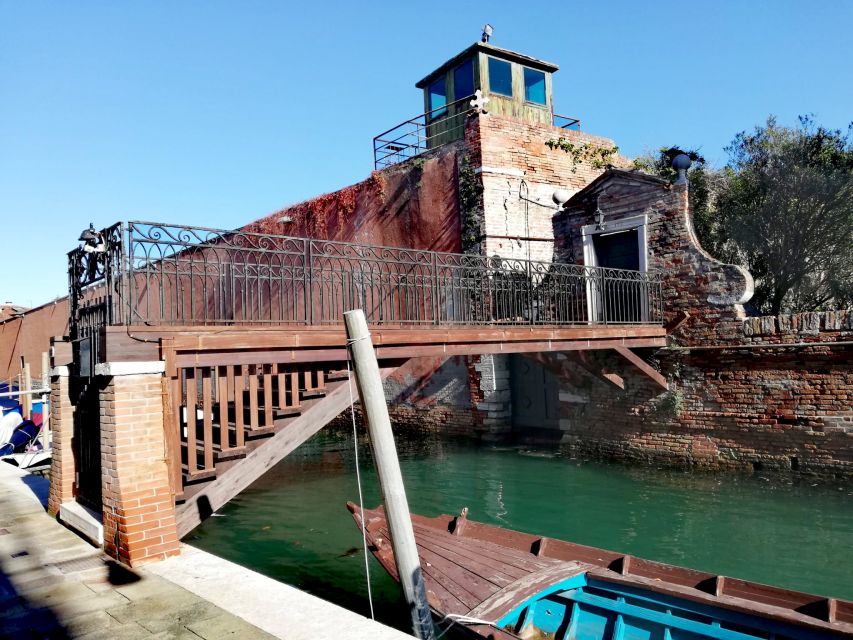
Giudecca’s story is a practical one: the island changed its job over time, and the buildings changed with it. It started as an aristocratic retreat, and later became Venice’s industrial center.
That’s why you’ll hear about how palaces with gardens and allotments eventually got converted into places like warehouses, barracks, prisons, factories, and workers’ quarters. That sounds grim on paper, but on the ground it explains a lot of what you’re seeing: structure layouts, the scale of certain buildings, and why some spaces feel more utilitarian than palatial.
Today, some of those former industrial or institutional spaces are converted for artistic and modern uses. During the walk, this transformation becomes more than a fact. It becomes a reason behind what you’re passing.
I like tours that connect past and present without turning into a lecture. This one uses the island as the textbook, and your walking route is the page-turner.
Architecture and Color: What to Watch as You Go
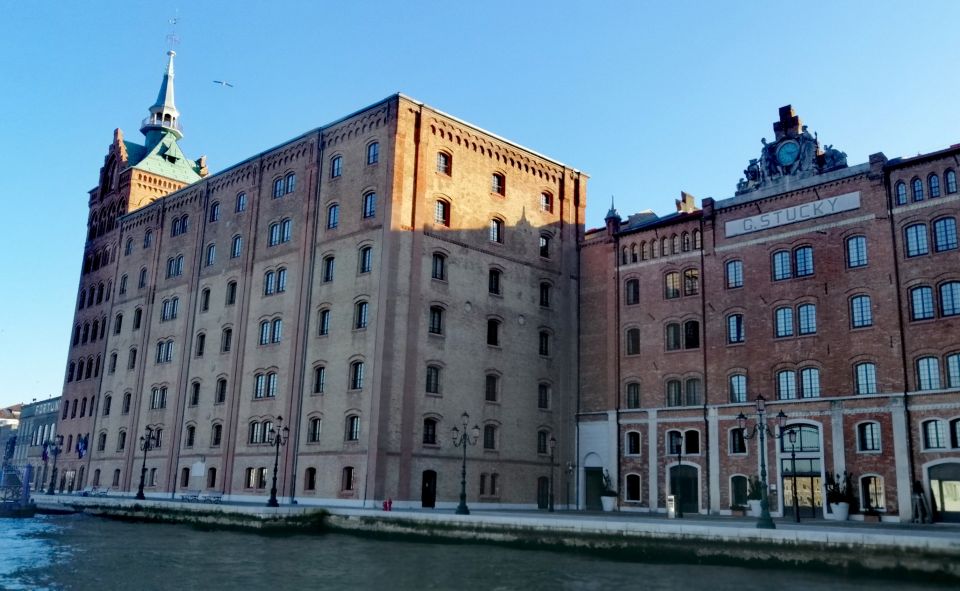
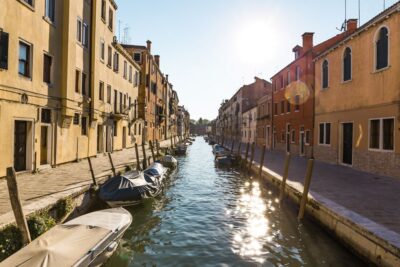
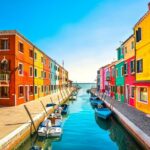
Even in a short two-hour tour, the island’s architecture is enough to keep your attention. You’ll spot local design cues and colorful neighborhoods, and you’ll see how greenery plays into the overall look.
Here’s how to make this walk more rewarding for yourself. When you see a building, ask a simple question: does it feel like it was built for elegance or for work? Then watch how the island shifts around it. Gardens and allotments hint at earlier life as a retreat, while more utilitarian conversion patterns fit the later industrial era.
This is also why having a guide matters. A tour leader can connect what you’re seeing to the island’s past and current use, so the architecture stops being decorative background and becomes part of the story you’re walking through.
Guide Quality: Valerio Coppo and the Fun of Good Interpretation
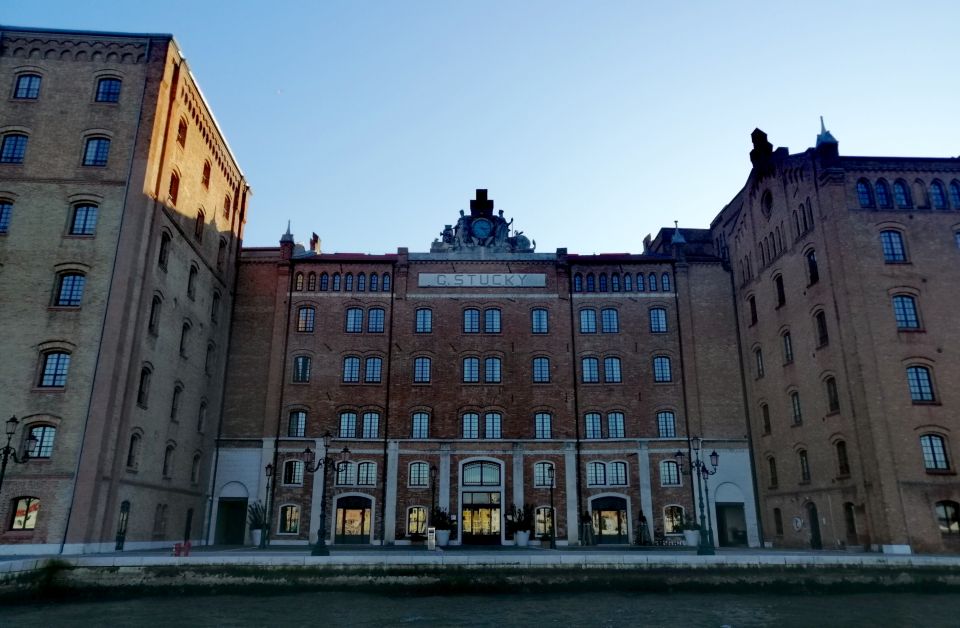
The standout element here is the guide. Valerio Coppo is repeatedly praised for combining real knowledge with a genuinely fun approach. That pairing is hard to find. Lots of guides can speak. Fewer can make the information feel useful as you walk.
What you want from a Giudecca guide is context that’s tailored to what you’re actually passing: how residential areas, gardens, and creative spaces relate to the island’s history and transformation. From what’s been shared about Valerio, that’s exactly his strength.
If you care about getting beyond generic sightseeing, this is where the tour feels like good value. It’s not only the route. It’s the interpretation that turns the route into something you remember.
Price and Value: Is $146.14 Worth It?
At $146.14 per person for about two hours, this isn’t a budget “wander around Venice” activity. But it can feel like good value if you take the right expectations into it.
Here’s what you’re paying for:
- A guided walking experience with an interpretive tour leader
- A route designed to connect two sides of the island: Venice-facing and lagoon-facing
- A waterbus ride component (with the ticket purchased onboard) that sets up the views
In other words, you’re not just buying “walking time.” You’re buying someone to help you read Giudecca. In Venice, that kind of guidance can prevent the common problem of walking around without knowing what you’re looking at.
The private-group format also matters. You’re more likely to get questions answered and keep your pace from being swallowed by a bigger crowd schedule.
My take: if you want a quick, coherent Giudecca experience that makes sense of what you see, the price is fair. If you only want photos and don’t care about context, you could DIY for less.
Timing, Pace, and What to Wear
The tour runs for two hours, and starting times depend on availability. That short duration is a plus if you’re doing multiple activities in Venice, but it also means you’ll want comfortable shoes and a steady pace.
Also, this is not listed as suitable for wheelchair users or people with mobility impairments. If you have any walking limitations, it’s worth thinking carefully before booking.
For clothing, think practical Venice: bring layers for comfort and wear shoes you trust. Giudecca is quieter than central Venice, but you’ll still be on foot long enough to matter.
Who This Tour Is For (and Who Might Skip It)
This experience works best for you if:
- You want a structured way to explore Giudecca in a short time
- You like guides who explain how history shows up in buildings and neighborhoods
- You’re interested in the island’s artistic and modern use of older spaces
You might skip it if you:
- Want to fully customize your walk with no guide
- Have mobility limits that make the walking route difficult
- Prefer a longer visit where you can wander without time constraints
It’s a sweet spot for “I want more than postcards” but still need to keep your Venice days efficient.
Should You Book This Giudecca Walking Tour?
I’d book this if you want Giudecca to feel understandable, not just scenic. The combination of water views, two-sided island scenery, and Valerio Coppo’s strong interpretation turns a small time window into real value.
Book it when you want:
- A guided plan that covers both the waterfront and the quieter lagoon side
- Architecture and neighborhood context in plain language
- A fun guide experience, not a lecture
Skip it if your priority is simply wandering for long stretches or if mobility constraints make a walking tour tough. If you fit the first group, this is one of the smarter ways to spend time beyond Venice’s main streets.
FAQ
FAQ
How long is the Giudecca Island discover walking tour?
The tour lasts 2 hours.
Where does the tour start?
You meet your guide in front of the Church of Saint Mary of the Rosary, also known as Gesuati.
Where does the tour end?
The activity ends back at the meeting point.
Is the waterbus ticket included?
No. The waterbus ticket to Giudecca is not included, and you purchase it on-board.
What is included in the tour price?
Included is a tour leader/nature and interpretive guide and the walking tour.
Is this tour private?
Yes, it is listed as a private group.
What languages is the live guide available in?
The guide is available in English, German, Italian, and Spanish.
Who might find this tour difficult?
It is not suitable for people with mobility impairments and it is not suitable for wheelchair users.
Can I cancel for a refund?
Yes, free cancellation is available up to 24 hours in advance for a full refund.
Do I pay immediately when I book?
You can reserve now and pay later, so you pay nothing today.