Venice is loud; this walk finds quiet. In just 2.5 hours, you’ll move through small-group lanes where a licensed local guide trades big-ticket sights for off-the-grid stories and overlooked views. It’s the kind of route that helps you understand why Venice feels like a living puzzle, not a postcard.
I love how the tour is story-led. You don’t just walk past palaces, bridges, and symbols—you get curious context and legends that make the details click. I also like the pacing: short stops built around photo moments, so you can actually take it in without feeling rushed.
One consideration: this is an outdoor walking tour on uneven, historic streets. If your feet don’t like long, stone-surfaced walks, you’ll want to plan for that and bring the right footwear (and water).
In This Review
- Key points you’ll feel on the walk
- Where the tour starts at Venezia Santa Lucia (and how to not waste time)
- Campo San Geremia, the Jewish Ghetto area, and the canal-side Venice you don’t rush through
- Photo-stop Venice: Campo dei Mori, Ponte Chiodo, and the quiet angles that make the walk worth it
- Strada Nova, Calle Varisco, and ending at Basilica dei Santi Giovanni e Paolo
- Price and value: why $58 for 2.5 hours can be a smart spend
- What I recommend you bring (and how to survive Venetian walking)
- The guides make the difference: what Julius and Giulia seem to do well
- Who this tour fits best (and who might want to skip it)
- Should you book this Secrets & Hidden Corners Venice walk?
- FAQ
- Where does the tour start?
- Where does the tour end?
- How long is the Venice walking tour?
- What’s included in the price?
- What languages are offered?
- Do I need to bring anything?
- Is tipping included?
- Is it free cancellation?
- Can I reserve now and pay later?
- What’s the best way to prepare for Venice walking?
Key points you’ll feel on the walk
- Licensed local guide, badge-on display: you’ll know you’re with an official guide, and the route is built for real streets, not a script.
- Photo stops where the crowd pressure drops: you get scenic breaks that help you see Venice from angles most people miss.
- Neighborhood variety in one loop: you’ll pass from Campo San Geremia toward the Jewish Ghetto area and along canal-side promenades.
- Bridges and lanes, not just plazas: you’ll include classic Venice elements like Ponte Chiodo, plus quieter side streets like Calle de l’Anconeta.
- A finish at a major landmark: the route ends at Basilica dei Santi Giovanni e Paolo, so you’re not wandering with no anchor.
Where the tour starts at Venezia Santa Lucia (and how to not waste time)
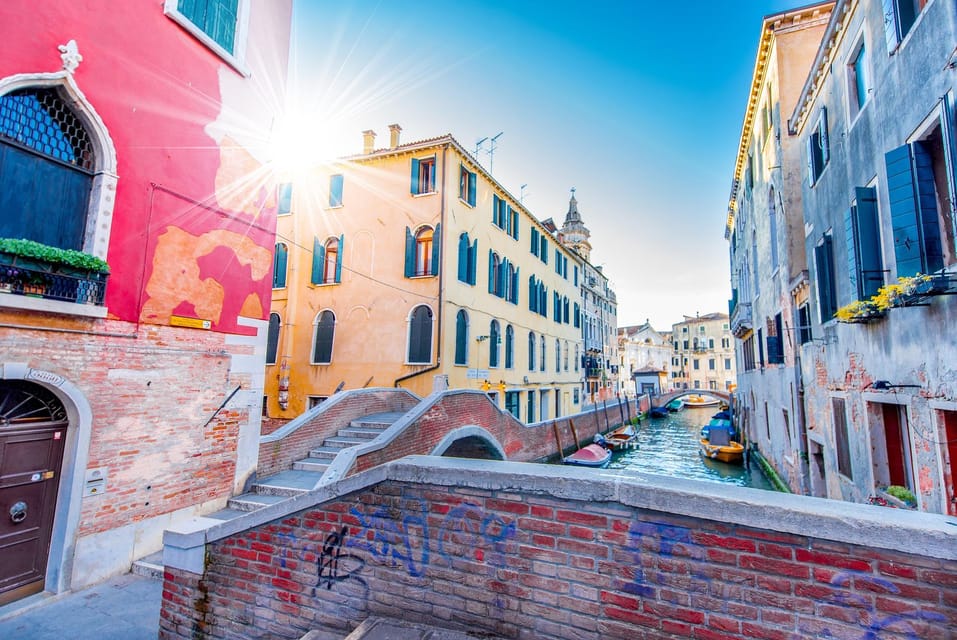
You’ll meet at Stazione di Venezia Santa Lucia, right out in front of the train station area. That matters more than you might think: it gives you an easy “Venice baseline,” especially if you’re arriving by rail and still sorting out directions.
When you spot the guide, look for the Beescover sign and the identification badge the guide wears. This is one of those small touches that reduces stress right away—no guessing, no scrambling, and no uncertain start. Then you’re off, walking into the maze at a comfortable pace.
Within the first stretch, you’ll make an early stop designed for quick orientation—exactly the kind of moment that helps you understand what to notice as the route unfolds.
You can also read our reviews of more walking tours in Venice


Campo San Geremia, the Jewish Ghetto area, and the canal-side Venice you don’t rush through
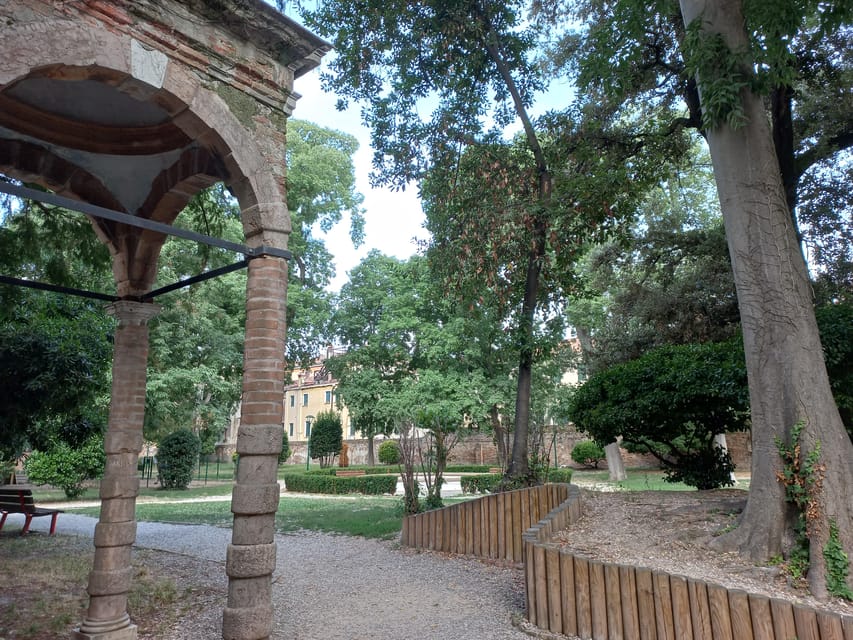
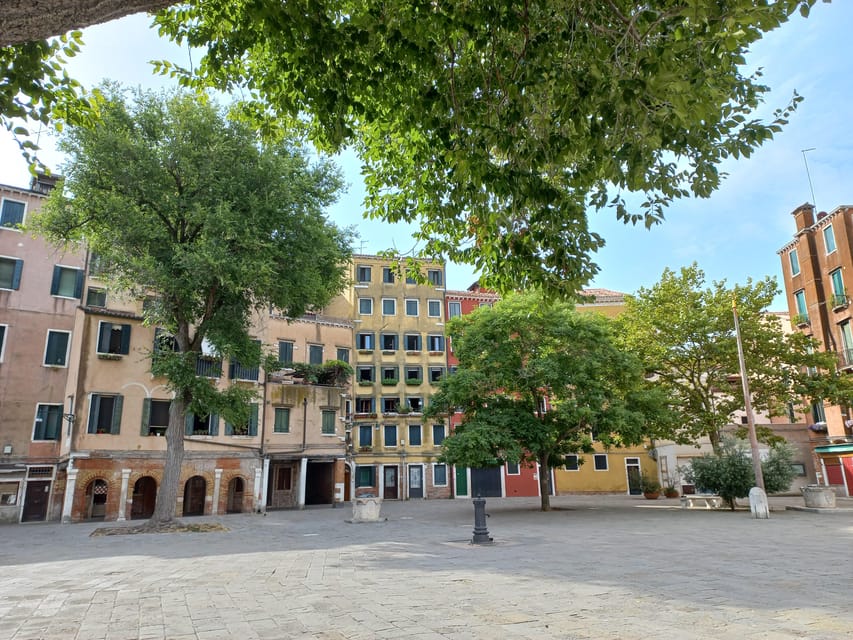
This walk leans hard into Venice’s “you had to be here” feeling. After the early short stop, you reach Campo San Geremia for about 10 minutes—enough time to look around instead of just passing through. Campos work like Venice’s living rooms: you see everyday life, not just architecture.
From there, the route heads into the Jewish Ghetto area with a dedicated photo stop and short visit. This is a good stop for two reasons. First, it gives you a clear sense of how neighborhoods feel different as you move through the city. Second, the guide’s legends and curiosities give you context while you’re standing in the spot, not reading about it later with your memory already fading.
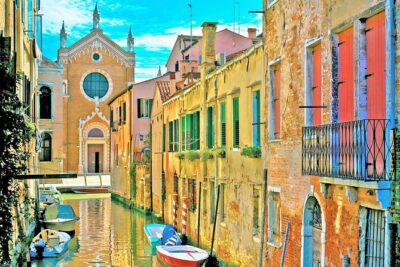
Next comes Fondamenta de le Capuzine, a canal-side stretch. Even if you don’t call yourself a “water person,” fondamente change how Venice reads. You notice how the city edges toward the water, and you start understanding why views and bridges feel like part of the same story.
Then you’ll walk to Calle de l’Anconeta. Side streets like this are where the tour earns its keep: fewer people, tighter angles, and details you’d never clock if you were hunting landmarks only.
Photo-stop Venice: Campo dei Mori, Ponte Chiodo, and the quiet angles that make the walk worth it
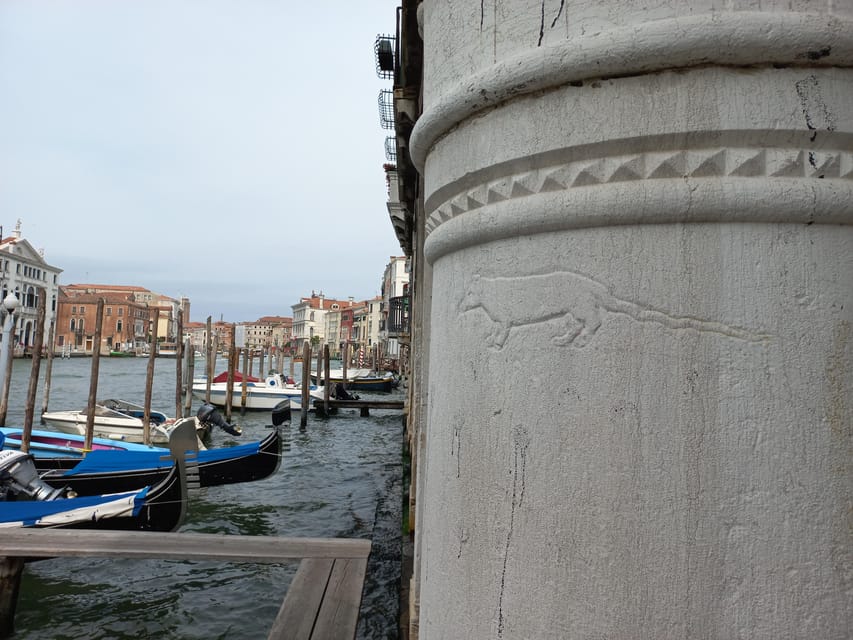
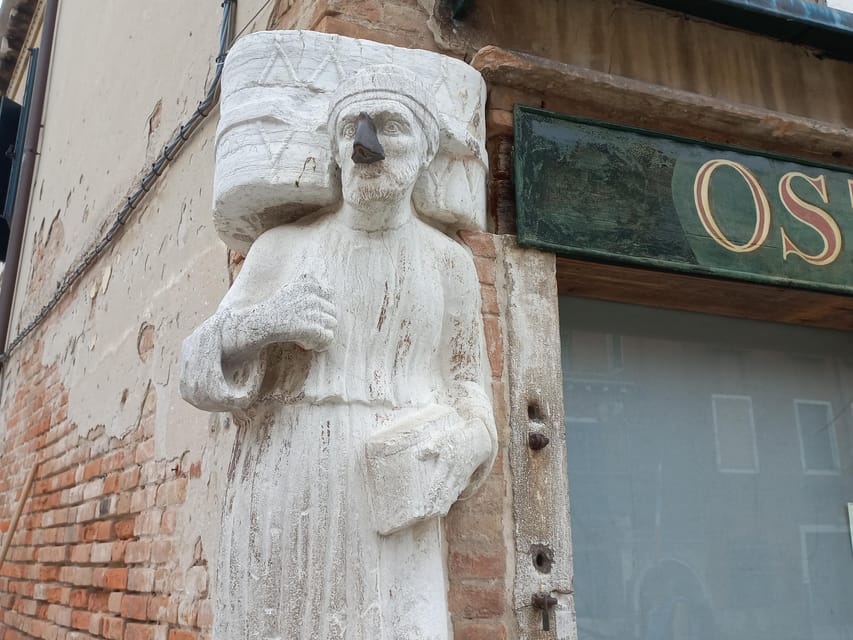
After the neighborhood-focused stretch, the route shifts into a rhythm of small visual rewards. You’ll hit Campo dei Mori with a photo stop and a short visit, then continue through additional quieter stops designed for scenic views. These aren’t long museum-style pauses. They’re brief moments where you can frame a shot, look at the surrounding facades, and hear how the guide connects it all.
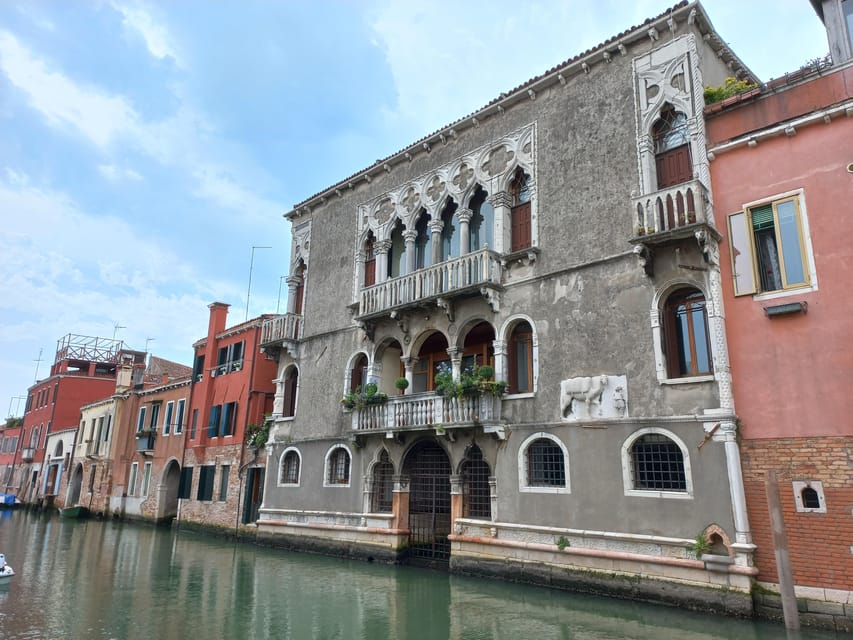
The next big focal point is Ponte Chiodo. A bridge stop is practical as well as pretty. Bridges naturally slow you down. They force you to look at the canal, the buildings along it, and the way streets feed into the water. On a guided walk, that pause becomes more than a photo: it’s a chance to understand a piece of Venice’s logic.
The tour includes a couple of “secret” scenic stops along the way—short photo moments that help you see Venice from angles outside the main flow. In a city like this, avoiding the heaviest foot traffic can make your entire day feel calmer, even when you’re still surrounded by tourists.
If you’ve ever tried to do Venice by yourself and ended up in the same crowded squares again and again, this structure helps. The tour repeatedly sets you up to switch from wide views to narrow lanes to canal perspectives, so your brain keeps getting new cues.
Strada Nova, Calle Varisco, and ending at Basilica dei Santi Giovanni e Paolo
As you approach the last part of the walk, you’ll move to Strada Nova, another stop with time to visit. This is a useful shift because it’s a better-feeling “connector” street. It helps you connect earlier parts of the city in your head, so the route doesn’t feel like a series of disconnected scenes.
Then you’ll reach another quieter stop and continue toward Calle Varisco for a photo stop and short visit. Streets like Calle Varisco are where you’ll spot the everyday craftsmanship and the small rhythms of Venice: entrances you almost miss, wall textures, and subtle street geometry.
Finally, the tour ends at Basilica dei Santi Giovanni e Paolo. I like this finish because it gives you a real anchor point. You’re not finishing in an empty back alley with no obvious next step. You can turn that into a simple follow-on plan—wander nearby streets, grab a drink, or orient yourself for whatever comes next.
Price and value: why $58 for 2.5 hours can be a smart spend
At $58 per person for a 2.5-hour outdoor walking tour, the question isn’t whether it’s cheap—it’s whether it saves you time and frustration. With Venice, that matters. The city is easy to get lost in, and the difference between a good and a bad route is usually the quality of guidance.
Here, you’re paying for two things that are hard to replicate alone:
- A licensed local guide who brings legends, curiosities, and practical storytelling as you walk.
- A route that’s designed around multiple short scenic stops instead of a single long march between crowded icons.
Also, tips are not included. That’s normal for tours like this, but it does mean you should plan to tip if you felt it was worth your time.
If you’re the kind of traveler who likes to see Venice beyond the obvious list—especially the quieter corners where the city feels older than the crowds—this price can feel fair fast.




What I recommend you bring (and how to survive Venetian walking)
This is an outdoor walk, so keep it simple:
- Comfortable shoes (non-negotiable)
- Water
Venice streets can be uneven and slick, and the route includes multiple short stops where you’ll naturally shift your weight to look around and take photos. If your shoes aren’t ready for that, the whole tour gets harder than it needs to be.
Also, bring a camera or phone for the built-in photo stops. The tour structure makes sense: you pause, frame, and move on. If you try to sprint past those moments, you’ll miss the best part of the value.
The guides make the difference: what Julius and Giulia seem to do well
The reviews you’ll find for this tour highlight a clear pattern: the guides don’t just recite facts, they help you notice what matters. One highlight is Julius, described as fantastic and as someone who showed lots of little details that you’d likely miss without expert guidance. That’s exactly the point of a walking tour like this: you can’t “see” everything at street level, but a guide can point you toward the details that change your interpretation.
Another name that comes up is Giulia. She’s praised for being adaptable and very pleasant. Adaptation is underrated. In Venice, streets and crowds shift minute to minute, and it helps when the guide keeps the experience smooth and comfortable.
So if you’re deciding whether to book, don’t just look at the route. Look at the guide style: storytelling, responsiveness, and a focus on small details.
Who this tour fits best (and who might want to skip it)
This walking tour suits you if:
- You want legends and curiosities tied to what you’re seeing, not just a basic overview.
- You enjoy photo stops and quiet angles away from the thickest crowds.
- You like learning from a local perspective while keeping the walk flexible and relaxed.
You might want to choose a different option if:
- You strongly dislike walking for an extended period on outdoor stone surfaces.
- You only want the biggest, most famous single landmarks and don’t care about side streets and smaller places.
Should you book this Secrets & Hidden Corners Venice walk?
I’d book it if you want a Venice day that feels smarter, calmer, and more textured than a route made only of headline sights. The small-group format, the licensed guide, and the repeated short stops for stories and views add up to real value—especially at the start of your trip when you’re still learning the city’s rhythm.
If your feet are good and you enjoy “noticeable details” over checklists, this is a solid use of 2.5 hours. You’ll finish with an anchor at Basilica dei Santi Giovanni e Paolo, plus a better sense of how Venice fits together.
FAQ
Where does the tour start?
It starts in front of Stazione di Venezia Santa Lucia. The guide will show the Beescover sign.
Where does the tour end?
The tour ends at Basilica dei Santi Giovanni e Paolo.
How long is the Venice walking tour?
The tour lasts about 2.5 hours.
What’s included in the price?
You get a licensed tour guide and an outdoor walking tour.
What languages are offered?
The tour guide offers English, Italian, and Spanish.
Do I need to bring anything?
Bring comfortable shoes and water.
Is tipping included?
No. Tips for the tour guide are not included.
Is it free cancellation?
Yes. You can cancel up to 24 hours in advance for a full refund.
Can I reserve now and pay later?
Yes. There’s a reserve now & pay later option.
What’s the best way to prepare for Venice walking?
Wear shoes you can trust on uneven, outdoor streets, and plan for a steady walking pace with short stops along the way.