REVIEW · VENICE
Venice: Must-See Attractions Walking Tour
Book on GetYourGuide →Operated by Guydeez Tours · Bookable on GetYourGuide
Venice makes sense faster with a plan. This private 3-hour walking tour strings together the big names and the in-between streets, and you can steer it toward architecture, local history, or Renaissance art. Starting at Campo San Luca, you’ll move on foot through Venice’s historic center with a guide who keeps the route logical.
I love that you get a clear hit list without the usual museum-weary feeling: the walk threads through major landmarks like Rialto Bridge and the Rialto market area, then continues into quieter districts. I also like that the guide can help you handle ticketed stops and that the tour ends with a traditional Venetian bar stop for wine and appetizers. The only real drawback to plan around: food and drinks aren’t included, so that bar visit can add cost, and 3 hours won’t cover everything in Venice.
In This Review
- Quick take: what makes this tour worth your time
- Why this 3-hour private walk works in Venice
- Campo San Luca (4473): the smart place to begin
- Rialto Bridge: the icon you can actually understand
- Mercato di Rialto: market energy without the guesswork
- Frari and the churches-campos combo: Pauses that change the pace
- Cannaregio quarter: the neighborhood side of Venice
- Teatro La Fenice and Palazzo Contarini del Bovolo area: architecture with personality
- Santa Maria della Salute and Ponte dell’Accademia: the canal-side payoff
- San Zaccaria finish: a thoughtful end to a concentrated walk
- The traditional Venetian bar stop: yes, it’s fun, but budget it
- Price and value: getting more than a checklist at $41
- Pace, guide energy, and why names like Cecelia and Sneh keep showing up
- Who should book this Venice must-see walking tour
- Should you book? My straight answer
- FAQ
- Where does the tour start?
- How long is the walking tour?
- Is this tour private?
- What languages are the live guides?
- Does the tour include tickets?
- Are food and drinks included?
- Can I get a refund if my plans change?
Quick take: what makes this tour worth your time
- Private, tailored route that can shift based on what you want most: buildings, history, or art
- Campo San Luca starting point that works well for an efficient first-foray walk
- Rialto Bridge + Mercato di Rialto so you see the icon and the market energy in one stretch
- Churches and neighborhoods in a single flow from Frari and Madonna dell’Orto to Cannaregio
- A relaxed finish with a Venetian bar stop to slow down with wine and appetizers
Why this 3-hour private walk works in Venice

Venice is gorgeous, but it can also feel like you’re constantly turning corners and hoping you’re going the right way. This tour is built to solve that problem fast. You get a guided route through the center, so you’re not just collecting photos—you’re building a sense of how Venice is laid out.
At $41 per person for a 3-hour private guided walk, the value comes from focus. You’re paying for someone to connect the dots: where you are, what you’re looking at, and how the next stop fits into the bigger picture.
This is also a good choice if you don’t want to spend your whole day jumping between ticket lines and guidebooks. It’s structured enough to feel productive, but flexible enough that you can adjust it while you’re on the move.
You can also read our reviews of more walking tours in Venice
Campo San Luca (4473): the smart place to begin
You meet at Campo S. Luca, 4473. I like starting a walk in a proper square in Venice because you immediately get oriented—view lines open up, and you can see how streets funnel toward canals.
Wear comfortable shoes. This tour is a walking format, and Venice sidewalks can be uneven. Even if the route is well paced, you’ll still want footwear that won’t complain by hour two.
The tour is also wheelchair accessible, and private group options are available. If you’re coordinating mobility needs, this kind of structured start-and-finish route can make planning easier than trying to DIY the same highlights.
Rialto Bridge: the icon you can actually understand
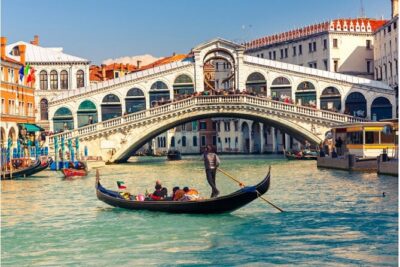
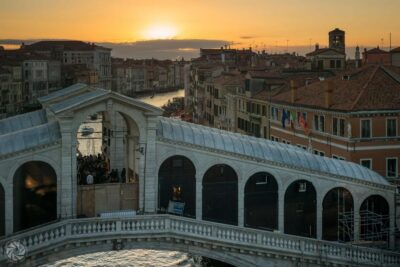
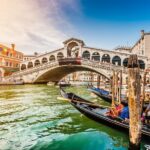
The walk takes you to Rialto Bridge early. This is one of those landmarks you recognize instantly from postcards, but it’s more satisfying when someone gives you the context for why it became such a focal point.
What I like here is the pacing. You’re not just snapping from a single angle. You’re guided through the area with explanations that help you read what you’re seeing: the bridge as a meeting point, and the surrounding streets and lanes as part of a living city—not just a photo set.
A practical note: Rialto is popular. So bring patience for crowds around the bridge area, especially at peak times. The guide helps you move through the busiest zones efficiently.
Mercato di Rialto: market energy without the guesswork
Right after the bridge, you head to Mercato di Rialto, the Rialto market area. Markets in Venice feel like a snapshot of everyday life. You’ll see the bustle, but you also get help interpreting what you’re looking at and where to focus your attention.
This stop is great for first-time visitors because it turns a famous name into something real. Instead of only seeing structures, you experience the rhythm of the neighborhood—how people move through the area and how the market connects to the wider city.
If you’re the type who likes to ask questions, this is a good moment. Market areas invite curiosity, and the guide’s job is to turn that curiosity into useful context.
Frari and the churches-campos combo: Pauses that change the pace
From the Rialto area, the tour shifts toward major religious landmarks and nearby public squares. You’ll visit Basilica dei Frari, then continue through Campo san Bortolomio and Madonna dell’Orto.
I like this sequence because it breaks up the visual intensity of Rialto. Churches and campos give your eyes a different kind of focus. You also get a change in atmosphere: from market energy to calmer spaces where you can listen and look longer.
Here’s the value for you: these stops help you understand Venice’s layers. The city isn’t only canals and buildings—it’s also how faith, art, and civic life got woven together over time. A guide helps you notice details you’d likely miss on your own, especially if you care about architecture or Renaissance art.
Potential drawback: if you’re not into churches, you might want to steer the customization more toward the neighborhood streets and viewpoints. The tour can be tailored, so you can ask to adjust the emphasis while you’re walking.


Cannaregio quarter: the neighborhood side of Venice
Next up is Cannaregio. This is where Venice starts feeling less like a list of landmarks and more like a city with everyday corners. The guide helps you navigate the maze-like street system so you’re not just guessing where to go next.
I’m a fan of this moment in a first trip because Cannaregio tends to feel more lived-in than the headline sites. You get to see how the city behaves when you’re not standing in the middle of a famous postcard scene.
If your group enjoys local flavor, this is a strong part of the walk. And since the tour can be tailored, you can spend a little more time here if your priorities lean toward streets, local atmosphere, and the way neighborhoods connect.
Teatro La Fenice and Palazzo Contarini del Bovolo area: architecture with personality
The tour continues toward Teatro La Fenice and Palazzo Contarini del Bovolo. These stops work well if you like architecture, because they give you different styles of landmark presence—built forms that carry identity through their façades and urban setting.
What I like about this segment is that it feels like Venice is switching gears. After markets and churches, you move into spaces shaped by performance, design, and grand civic presence. Even without stepping inside a venue, you get the sense of how Venice projects culture through buildings.
If you’re the kind of visitor who enjoys photos, this is also the stretch where having a guide helps. In past groups, guides have been noted for taking helpful photos along the way and pointing out good angles, which saves you time from playing photographer while you’re trying to keep up.
Santa Maria della Salute and Ponte dell’Accademia: the canal-side payoff
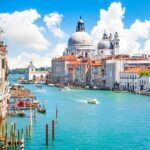
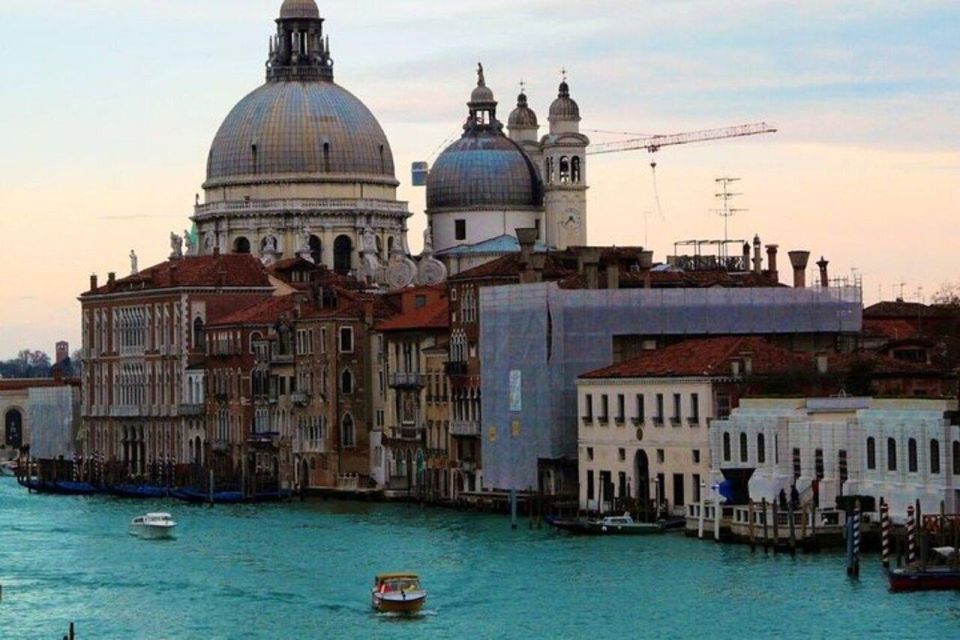
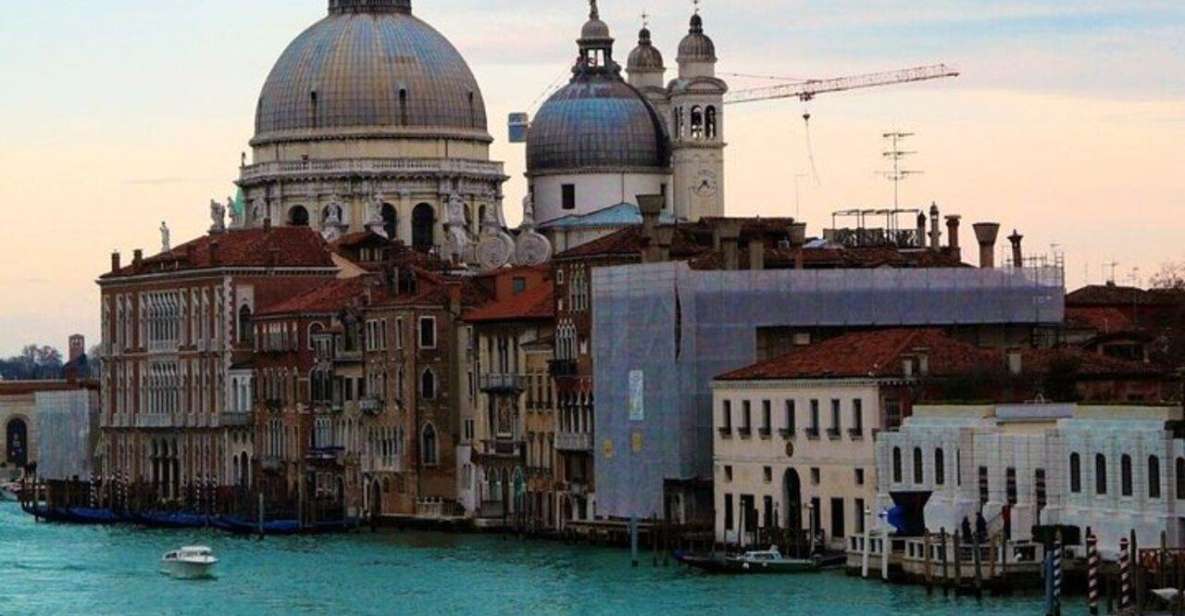
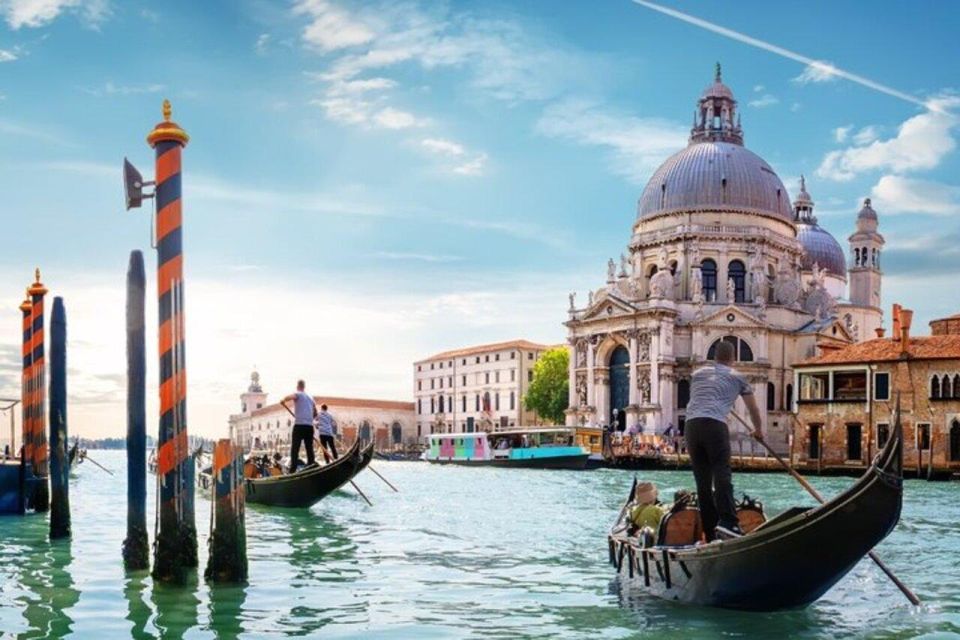
You then reach Santa Maria della Salute and Ponte dell’Accademia. These are the stops where the city’s water-and-stone reality becomes obvious again.
These points are valuable because they give you a sense of scale. Venice is easy to understand when you can connect buildings across waterways and see how streets lead toward canals. With a guided walk, you’re less likely to miss these “connect-the-dots” views.
Practical tip: keep your camera ready, but also pause long enough to take in where you are. The guide’s context makes those canal-side moments land better, especially if you’re interested in architecture and city planning.
San Zaccaria finish: a thoughtful end to a concentrated walk
The tour concludes at San Zaccaria, before heading back to Campo S. Luca, 4473. I like having a structured ending because it prevents the classic Venice problem: you burn out mid-afternoon and end up wandering without purpose.
San Zaccaria gives a calmer finish compared to the early highlight crush. It’s a good way to round out the walk with something historic and grounded before you go off on your own for the rest of your day.
The traditional Venetian bar stop: yes, it’s fun, but budget it
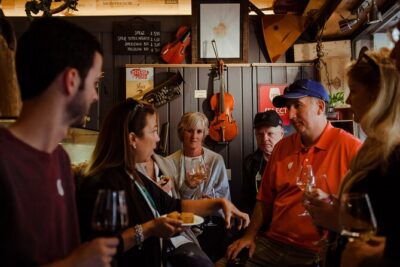
One of the best-feeling parts of the tour is the stop at a traditional Venetian bar, where you can enjoy wine and appetizers. This is where the experience becomes more social, and it often helps you process what you just walked through.
Here’s the catch: food and drinks are listed as not included. So think of the bar stop as part of the itinerary, but expect to pay for what you order. If you want to keep costs predictable, set a rough budget before you sit down.
If you’re traveling with someone who doesn’t want another stop packed with standing around, the bar break is a good compromise. It’s also a nice reset if you’ve been moving through crowded zones.
Price and value: getting more than a checklist at $41
At $41 per person for a 3-hour private walking tour, the price makes sense when you consider what’s included. You’re not just paying for someone to lead you on foot—you’re paying for guidance and problem-solving.
Two money-saving benefits stand out:
- Ticket help: the provider helps with booking tickets for attractions, which can save time and stress if a stop requires entry.
- Tailoring flexibility: you can steer the itinerary toward what you care about, so you’re less likely to feel like the tour wasted time on sights you didn’t prioritize.
The walking length also matters. Three hours is long enough to connect key areas, but short enough that you can still do your own exploring afterward. In Venice, that mix is a win: guided orientation first, then freedom.
Finally, languages offered include French, Spanish, Italian, and English. That matters more than people expect. When explanations land clearly, the whole city starts making sense faster.
Pace, guide energy, and why names like Cecelia and Sneh keep showing up
A big reason this tour earns high marks is the guide approach. Many guides are described as enthusiastic, friendly, and energetic—people like Cecelia, Sneh, Farid, Nazarena, Karen, Vittorio, and Fredo show up in different departures.
The pattern I’d encourage you to look for is responsiveness. Guides are praised for adjusting to what the group wants, walking without rushing, and answering questions instead of bulldozing onward. Some guides are even described as helping with practical trip tips after the tour, which is exactly what you want when you’re planning the rest of your days in Venice.
If you’re traveling as a first-timer, this kind of guiding is how you avoid the mistake of seeing Venice as disconnected highlights. You start to understand why the next stop matters.
Who should book this Venice must-see walking tour
This is a smart fit if you:
- Want a first-time orientation that still hits major Venice highlights
- Prefer a guide to handle the story and help you connect sights
- Like a mix of big names (Rialto) and quieter Venice streets (Cannaregio)
- Are interested in architecture, local history, or Renaissance art and want the itinerary to match your taste
- Value a guided pace with time to ask questions and take photos
It might be less ideal if you’re chasing only one niche obsession—like a super deep art-only route—because 3 hours is a focused sampler, not an all-day masterclass.
Should you book? My straight answer
Yes, you should book this tour if you want Venice to feel organized early on. The route hits major anchors like Rialto and Cannaregio, then brings you through churches, theaters, and canal-side landmarks in a way that helps you read the city after you leave.
Book it especially if you’d rather spend your limited vacation time learning what you’re seeing instead of wandering until you figure it out. If you’re comfortable budgeting separately for what you order at the traditional bar stop, it’s a very efficient use of half a day.
FAQ
Where does the tour start?
The tour starts at Campo S. Luca, 4473.
How long is the walking tour?
It lasts 3 hours.
Is this tour private?
Yes, it’s a private guided walking tour, with private group options available.
What languages are the live guides?
Live guides are available in French, Spanish, Italian, and English.
Does the tour include tickets?
Included details say the activity provider helps with booking tickets for attractions.
Are food and drinks included?
Food and drinks are not included, even though there is a stop at a traditional Venetian bar with wine and appetizers available.
Can I get a refund if my plans change?
Free cancellation is available up to 24 hours in advance for a full refund.