REVIEW · VENICE
Venice: Local Secrets of Venice Tapas & Wine Walking Tour
Book on GetYourGuide →Operated by Ciao Italia Travel · Bookable on GetYourGuide
Venice tastes better on foot. This Venice cicchetti and wine walk mixes real neighborhood bacari with friendly local storytelling, so you get the food culture fast instead of wandering blind. I love the steady parade of cicchetti-style bites you sample along the way, and I love that each stop is paired with a smart choice of regional wine, not just random sips.
The group stays small (up to 10), which makes it easier to chat and ask questions as you move between spots with names you’d miss on your own, like Enoteca Al Volto meeting point. One drawback to plan for: this tour isn’t suitable for people with mobility impairments or wheelchair users since it’s a walking route through Venice’s lanes and bridges.
In This Review
- Key highlights worth your attention
- Starting at Enoteca Al Volto: Venice orientation in one snacky loop
- What the tour actually delivers: 3 wines and enough cicchetti to matter
- Stop 1: the first bacaro where you learn the rules of cicchetti
- The walk between stops: canals, bridges, and that off-track feeling
- Stop 2: another bacaro that shifts the mood
- Two more tastings at hotspots: when your favorite flavors start to show up
- The guide makes the difference: Gianmarco Miolini, Barbara, and story-first food
- Price and value: what $78.17 buys you in Venice time
- Who should book this tour, and who should skip it
- Practical tips so you enjoy it more
- Should you book this Venice tapas and wine walking tour?
- FAQ
- Where does the tour start?
- How long is the walking tour?
- What’s included in the tastings?
- How many people are in the group?
- Is the tour suitable for wheelchair users or people with mobility impairments?
- What language is the tour guide?
Key highlights worth your attention
- Enoteca Al Volto start point that drops you right into the local bar scene
- Three wine tastings total, including red/white or prosecco options
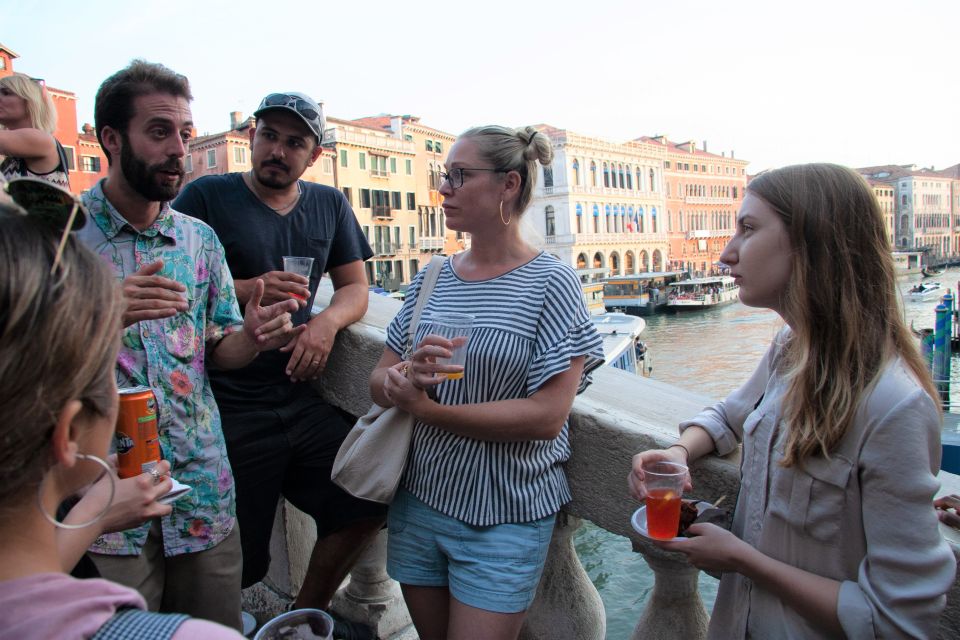
- Cicchetti at bacari, the Venetian version of tapas where locals snack-and-socialize
- Off-the-main-track walking, through narrow alleys, bridges, and canals
- Guides like Gianmarco Miolini (and sometimes Barbara) bring ingredient stories you won’t get from a big bus tour
Starting at Enoteca Al Volto: Venice orientation in one snacky loop
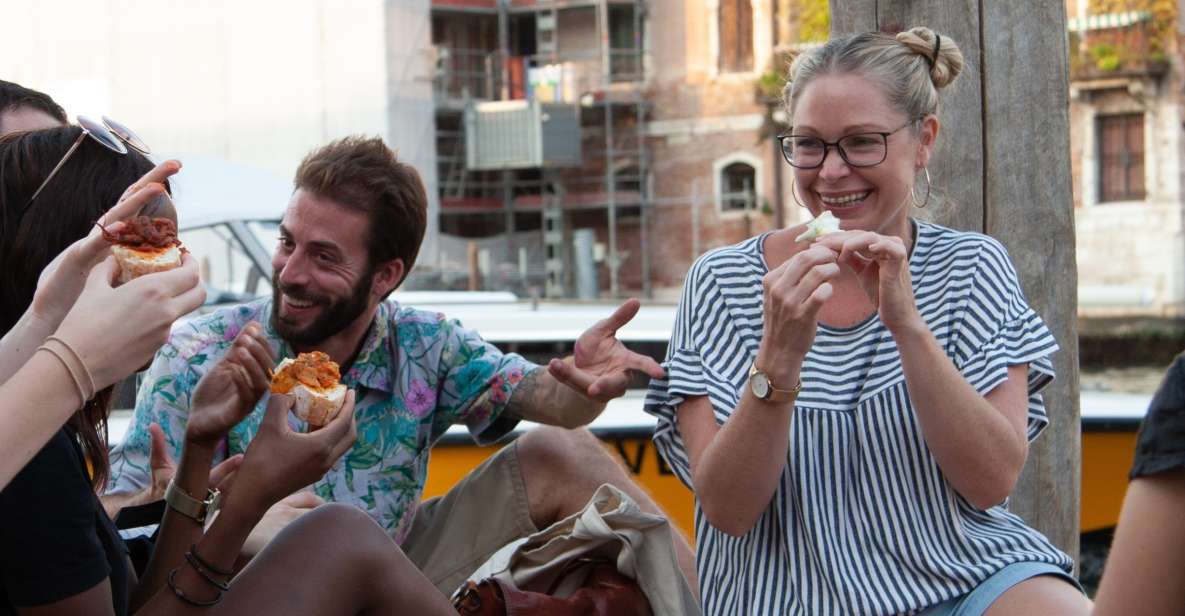
Your tour begins outside Enoteca Al Volto, which is a good sign right away. You’re not meeting somewhere scenic and then trying to find your way into the food world. Instead, you step into the bacaro culture from the first minute.
From there, you’ll learn a quick sense of how Venice eats. The guide frames cicchetti as something more than appetizers. They’re a rhythm—people drop in, order a few small plates, have a glass of wine, and keep conversations going while the city does what it does.
I like that the tour is timed well. At about two hours, it’s long enough to feel like you actually experienced the neighborhood, but short enough that you’re not stuck walking all afternoon if you want to do other Venice plans afterward.
You can also read our reviews of more walking tours in Venice

What the tour actually delivers: 3 wines and enough cicchetti to matter
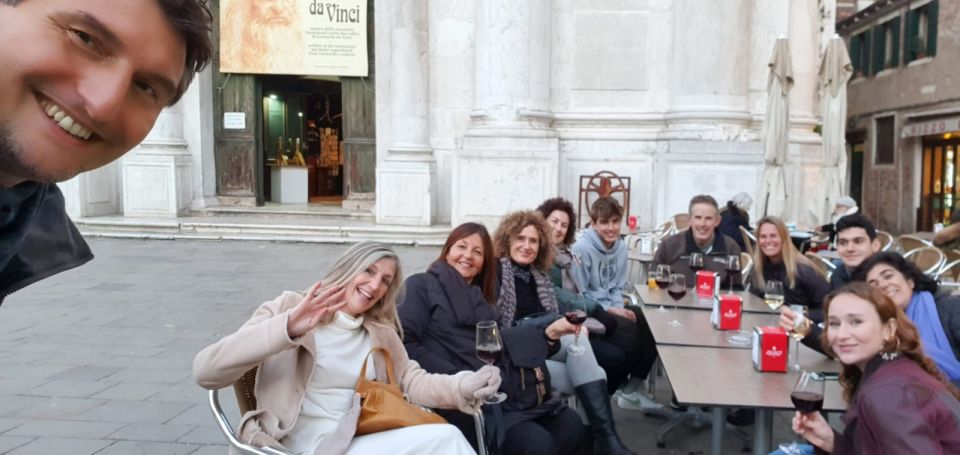
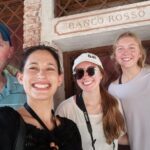
This is a tasting tour, not a light stroll. You’ll try a variety of traditional Venetian cicchetti—small plates meant for sharing or sampling in a fast, social way. The pacing works: you don’t just hear about food; you eat it, then you move on while the city’s atmosphere is still fresh.
On the wine side, you get three glasses total. The tour lists red/white or prosecco as options, and you’ll taste wine as part of the guide’s explanation of the pairings. One practical benefit of this format: you can learn what you like without committing to a whole bottle. If you’re new to Venetian wines, this is the kind of tasting that helps you shop later with confidence.
And yes—you should come with a real appetite. The point is to sample enough to notice patterns: what ingredients show up in different bites, how the wines feel alongside salty or savory flavors, and how the same type of snack can vary from one bacaro to the next.
Stop 1: the first bacaro where you learn the rules of cicchetti
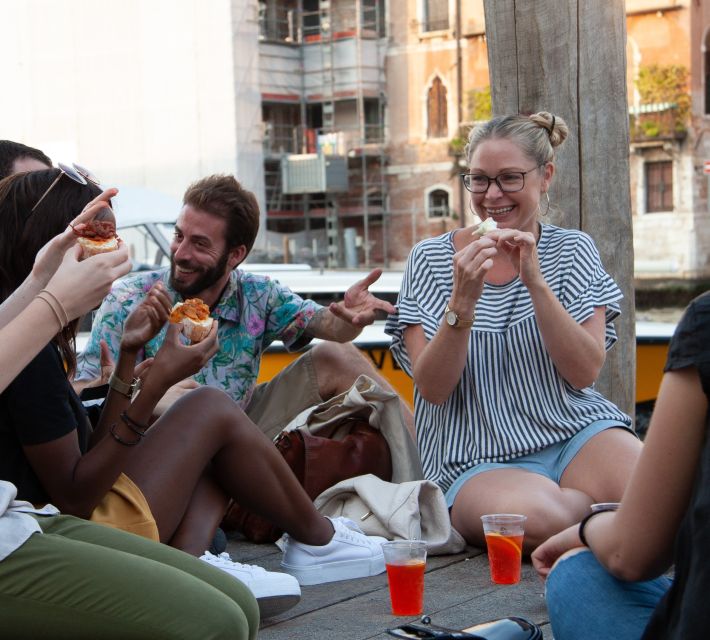
The first stop is a traditional bacaro. You meet your guide there, get some context about Venice, then start tasting. This is usually where the tour feels most immediately different from a generic food walk: you’re not just collecting bites. You’re learning how locals think about the ingredients.
You’ll sample cicchetti along with one wine of your choice at this first stop. The guide explains the ingredient combination and what to pay attention to in the wine. That might sound simple, but it changes your experience. Instead of tasting passively, you start noticing details—salt levels, texture, and how the wine handles the flavors.
If you’re the type who likes to understand what you’re eating, this is a strong start. You get a framework early, so the second and third stops land harder.
The walk between stops: canals, bridges, and that off-track feeling
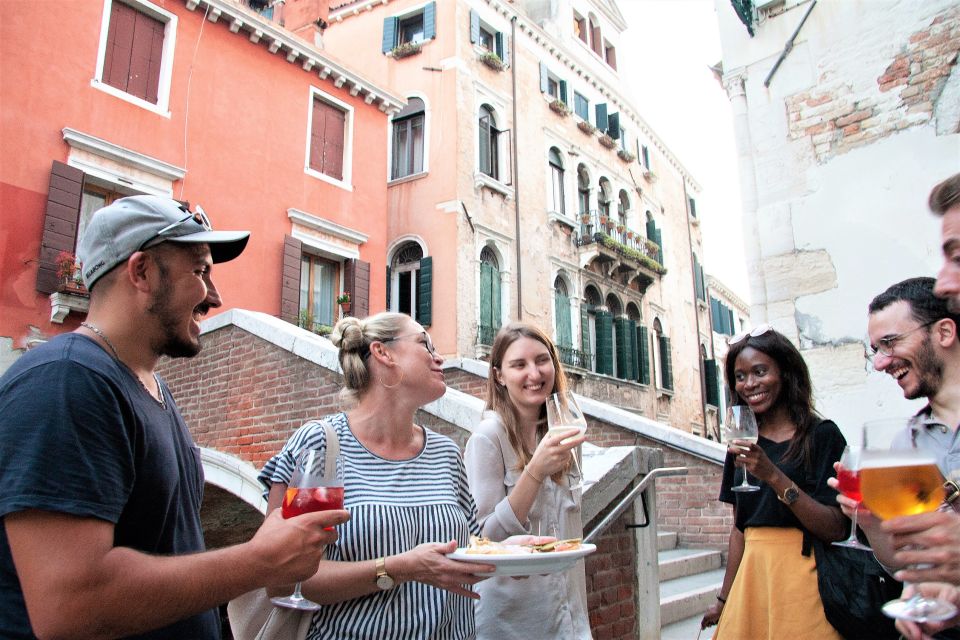
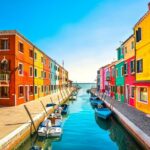
Between bacari, you’ll move through hidden alleyways, cross bridges, and walk alongside canals. This matters because Venice’s food scene is tied to location. The bacari you’ll visit are part of everyday neighborhood life, not cookie-cutter tourist counters.
Also, the guide tells stories along the route—fun facts and local legends—and those side moments keep the tour from feeling like a checklist. You’ll get a sense of Venice beyond the postcards. The best part is how the stories connect to what you’re tasting, so you start understanding why certain ingredients and traditions keep showing up.
One realistic consideration: Venice walking can feel longer than it looks. Even with a small group, you’re on your feet and moving constantly. If you know you tire quickly, plan the rest of your day with downtime after the tour.
Stop 2: another bacaro that shifts the mood
The second bacaro is where the tour typically starts to feel like a true neighborhood loop. You’ll keep sampling cicchetti and wine, and the guide continues connecting local history and culture to the food.
This is also often where you notice that cicchetti aren’t one single thing. They can be variations on local ingredients and seasonal touches. Even if the plates look similar at first glance, the guide helps you see what’s actually different—sometimes it’s the base ingredient, sometimes it’s the method, sometimes it’s the way it’s served and timed in the day-to-day rhythm of the bar.
If you’re a first-timer in Venice, this second stop is especially valuable because it reinforces that the city has layers. There’s the famous Venice, and then there’s the Venice locals treat like a routine.
You can also read our reviews of more wine tours in Venice
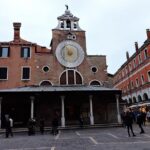


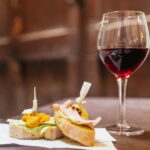


Two more tastings at hotspots: when your favorite flavors start to show up
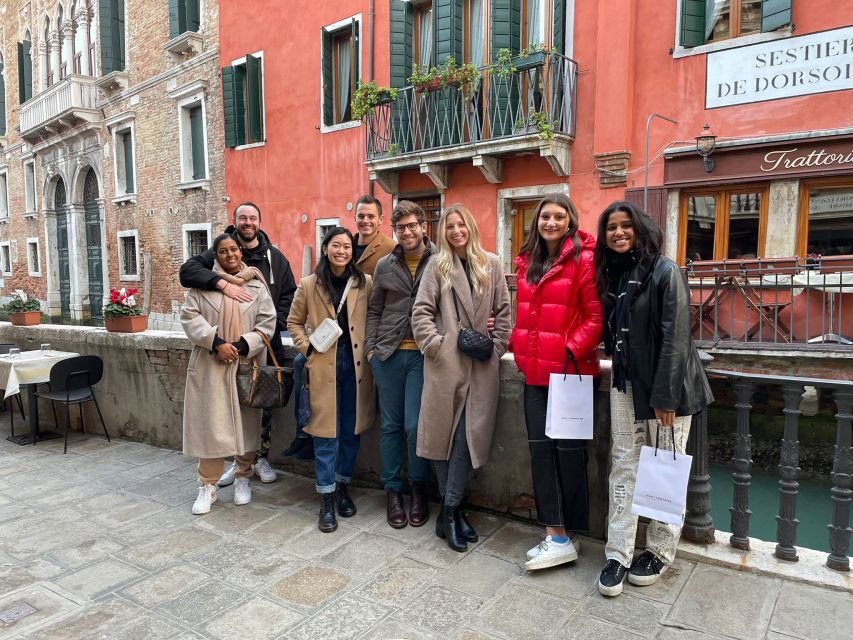
After the second bacaro, you’ll enjoy more cicchetti and wine at additional hotspots. The structure ends back at the meeting point, so you’re not stuck wondering where you’re headed next.
These later tastings matter because they let you compare. By the time you reach the final stops, you’ve already tasted earlier bites and wine. Now you can ask yourself: What did I actually like, and why?
The vibe stays friendly and enthusiastic, and the small group size makes it easier to talk with your guide and with each other. In my view, that’s part of the value here. Venice tours can feel performative. A small group food and wine walk tends to feel like a shared evening plan.
The guide makes the difference: Gianmarco Miolini, Barbara, and story-first food
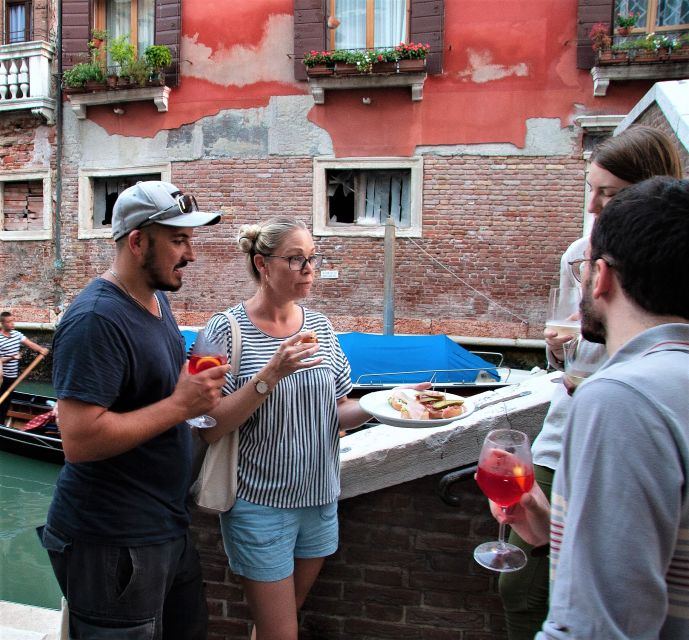
The quality of this experience comes down to the guide. In the versions I’ve seen, Gianmarco Miolini stands out for being funny, informative, and genuinely local in the way he frames the city. People also mention Barbara for a friendly, knowledgeable approach.
You’ll notice a pattern: these guides don’t just list history dates. They link food origins to ingredients, explain why certain combinations make sense, and share stories that feel like someone’s telling you their Venice, not reciting a script.
Another practical win: guides can often accommodate preferences and dietary restrictions. Vegetarian options are mentioned as available, and the experience is framed as flexible enough for different needs. If you have a specific restriction, tell the operator ahead of time so they can plan the tastings.
Price and value: what $78.17 buys you in Venice time
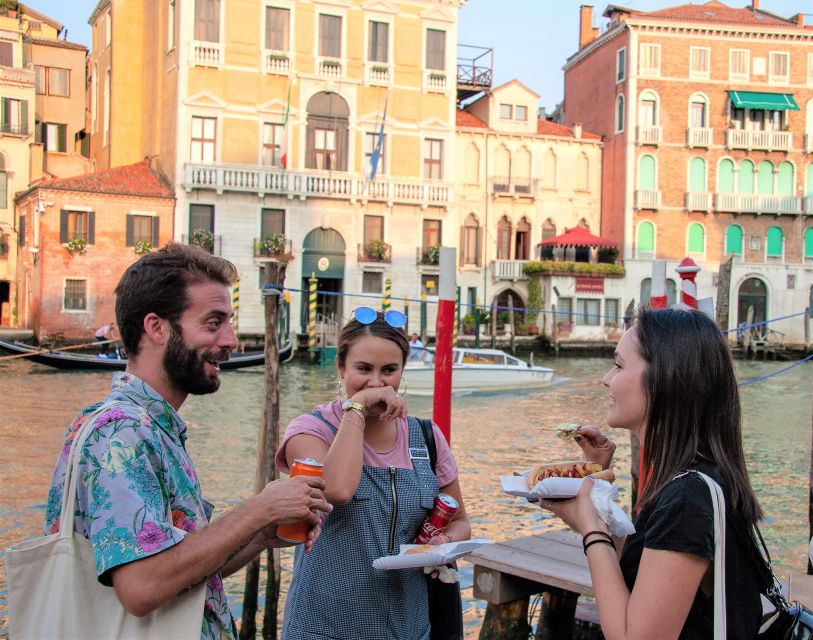
At about $78.17 per person, you’re paying for three things at once: a guided experience, multiple tastings, and access to bacari you’d be unlikely to find on your own.
Two hours in Venice can disappear fast if you’re searching for places and then ordering one drink that doesn’t really hit the local notes. This tour compresses the work. You get:
- A guide who helps you order and understand what you’re tasting
- Multiple cicchetti samples across more than one bacaro
- Three glasses of wine (red/white or prosecco options)
- A walking route that includes bridges and canals without you having to plan every turn
Could it feel expensive if you’d rather spend money on a big sit-down dinner? Sure. But if your goal is to learn the local food culture while staying efficient, this is the kind of spending that pays back later—because it gives you direction for where to eat after the tour.
Who should book this tour, and who should skip it
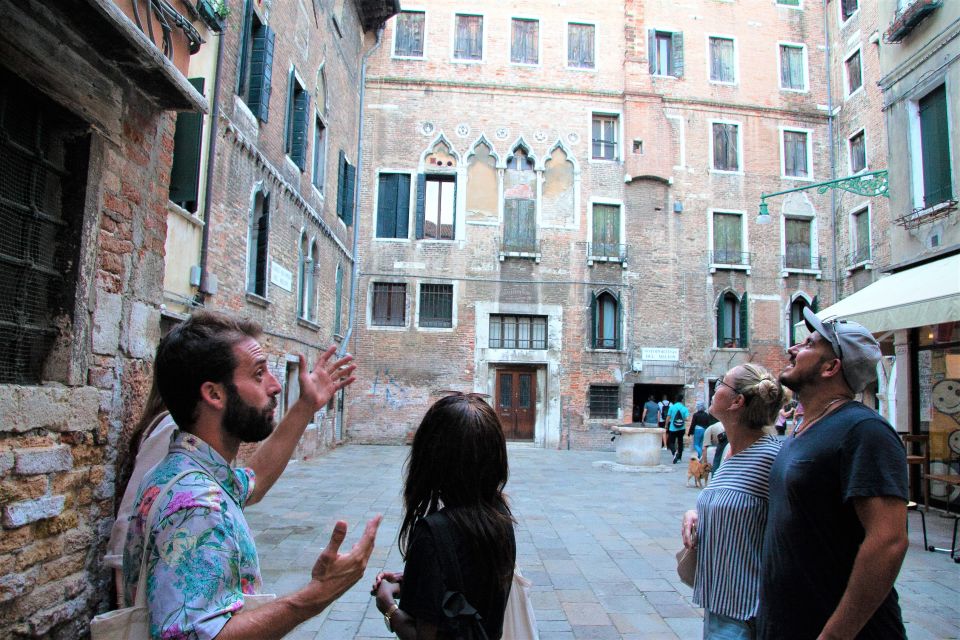
This works best if you:
- Want a quick but real intro to Venice cicchetti and wine culture
- Like walking and don’t mind moving between small local spots
- Enjoy stories tied to food origins and ingredients
- Prefer a small group atmosphere over large tour crowds
Skip it if:
- You have mobility challenges. The tour is not suitable for wheelchair users or people with mobility impairments.
- You don’t like guided tastings or you’d rather explore independently without structure.
- You’re trying to minimize alcohol altogether. The tour includes wine as part of the experience.
Practical tips so you enjoy it more
A few small things can make your two hours feel smoother:
- Eat something light beforehand, then save room for the tastings. Come hungry, but not empty.
- Wear comfortable walking shoes. Venice lanes and bridges are not ideal for sore feet.
- If you have dietary restrictions, mention them in advance so the guide can plan suitable choices.
- Bring a phone for photos, but keep an eye on where you’re stepping—Venice is gorgeous, and it’s also uneven.
Should you book this Venice tapas and wine walking tour?
If you want a simple yes/no answer: I’d book it if you’re the kind of traveler who values local eating habits and wants to learn fast. The biggest strengths are the three stops, the wine + cicchetti pairings, and the fact that the guide leads you through Venice’s less obvious lanes while sharing ingredient-based stories.
I’d think twice if mobility is an issue or if you dislike wine-focused tastings. Also, if you’re already comfortable ordering and you have a go-to list of bacari, this may feel less necessary.
For most people visiting Venice for the first time—or for anyone who wants to reset their trip away from tourist traps—this is a strong choice.
FAQ
Where does the tour start?
Meet in front of Enoteca Al Volto.
How long is the walking tour?
It lasts about 2 hours.
What’s included in the tastings?
You’ll have a guide, visit bars, taste a variety of local cicchetti, and enjoy 3 glasses of wine (red/white or prosecco).
How many people are in the group?
It’s a small group limited to 10 participants.
Is the tour suitable for wheelchair users or people with mobility impairments?
No. It’s not suitable for people with mobility impairments or wheelchair users.
What language is the tour guide?
The tour guide is English.