REVIEW · VENICE
Venice: Jewish Ghetto Walking Tour with Synagogue Visits
Book on GetYourGuide →Operated by Walks In Europe · Bookable on GetYourGuide
The Jewish Ghetto tells a darker Venice. This 2-hour walk in Cannaregio pairs street-level history with rare synagogue visits arranged through the Jewish Museum network. You’ll hear stories about how a community shaped Venice from 1516 onward, while still feeling how alive the neighborhood is today.
What I like most is the focus on everyday reality, not just dates. You’ll move through tight lanes and small squares, learning how Jewish life grew inside a confined space and how that presence influenced the city’s social and cultural fabric. I also love the way the tour keeps a respectful, historical tone during the synagogue stops, with guides like Claire and Martina showing up again and again in people’s feedback for being sharp, energetic, and patient with questions.
One thing to consider: this isn’t a casual stroll. Synagogue clothing rules apply (shoulders, belly, and knees covered), and the tour isn’t suitable for wheelchair users or people with mobility impairments. If you’re sensitive to that kind of physical walking and dress code, plan ahead.
In This Review
- Key highlights at a glance
- Why this Venice Jewish Ghetto tour hits harder than the postcard sites
- Starting at Campo di Ghetto Nuovo: where the story begins
- Cannaregio streets and the first ghetto steps: learning the neighborhood map
- Calle Ghetto Vecchio: where the “old” feels physical
- The Campo di Ghetto Nuovo return loop: why timing matters
- Spanish Synagogue: modest outside, meaning inside
- Levantine Synagogue: the second door and the bigger picture
- What the guides do so well: stories you can actually use
- Value check: $105 for two hours with synagogue access
- Practical tips so the tour feels smooth, not stressful
- Should you book the Venice Jewish Ghetto walking tour with synagogue visits?
- FAQ
- Where is the meeting point for the tour?
- How long is the tour?
- Which synagogues are included in the visit?
- Is the Jewish Museum included in the tour?
- Is the Levantine Synagogue visit available on Fridays?
- What clothing is required for synagogue visits?
- Is this tour suitable for wheelchair users or mobility impairments?
- What is the cancellation policy?
Key highlights at a glance
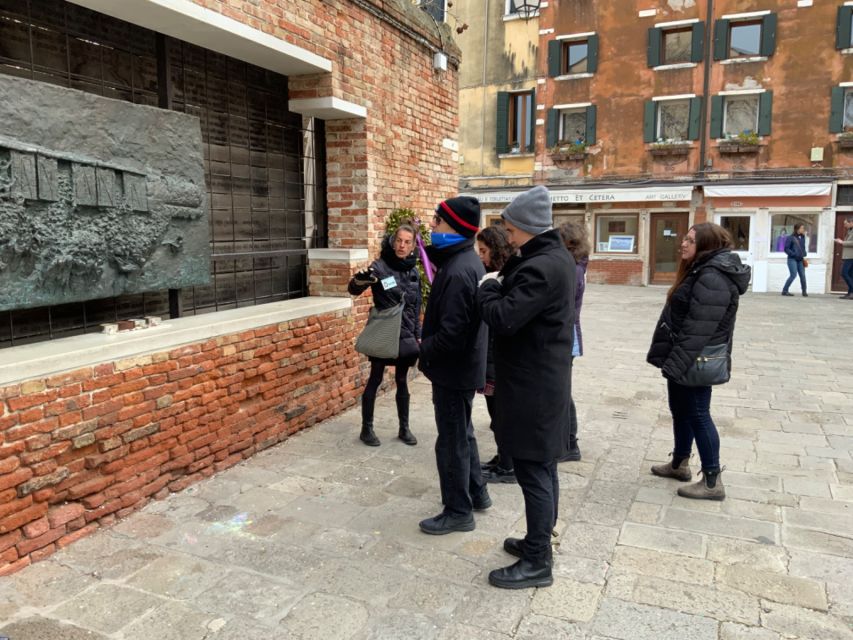
- Old Ghetto streets plus Campo del Ghetto moments make history feel close and specific.
- Spanish Synagogue and Levantine Synagogue are included, with access coordinated through the Jewish Museum of Venice.
- Two-part ghetto walk (Ghetto Vecchio and Ghetto Nuovo) helps you understand how the community evolved over time.
- English live guiding with lots of Q&A time, and guides praised for keeping the pace friendly.
- A respectful, historical framing that helps you see the difference between religion as belief and heritage as lived culture.
Why this Venice Jewish Ghetto tour hits harder than the postcard sites
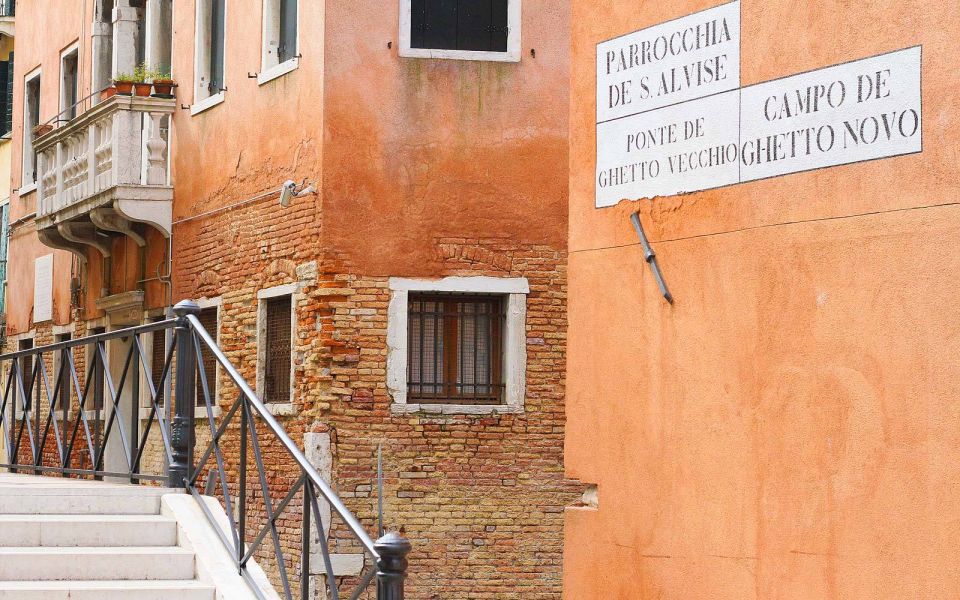
Venice is famous for canals and costumes. This tour flips the script. You’ll spend two hours in Venice’s Cannaregio district, in the Jewish Ghetto, a place that began in 1516 and is widely regarded as the oldest Jewish quarter in the world. That date matters because the story isn’t just “long ago.” It’s about how rules, walls, and cramped space shaped daily life—and how people kept culture, learning, and community going anyway.
I like that the tour doesn’t treat the neighborhood like a museum hallway. You’ll walk past unusually tall buildings and into intimate squares where the human scale is still there. The result is that the ghetto feels like a living part of Venice, not a distant chapter. And because the guide gives context on what changed between Ghetto Nuovo and Ghetto Vecchio, you’ll leave with a clearer sense of how the community developed rather than a single frozen snapshot.
There’s also a practical reason to pick this tour instead of wandering alone: the synagogue visits. The Spanish Synagogue and the Levantine Synagogue are not the sort of doors most people can just walk into. Here, access is arranged through the Jewish Museum of Venice, so you’re not guessing your way through an information dead zone.
You can also read our reviews of more walking tours in Venice



Starting at Campo di Ghetto Nuovo: where the story begins
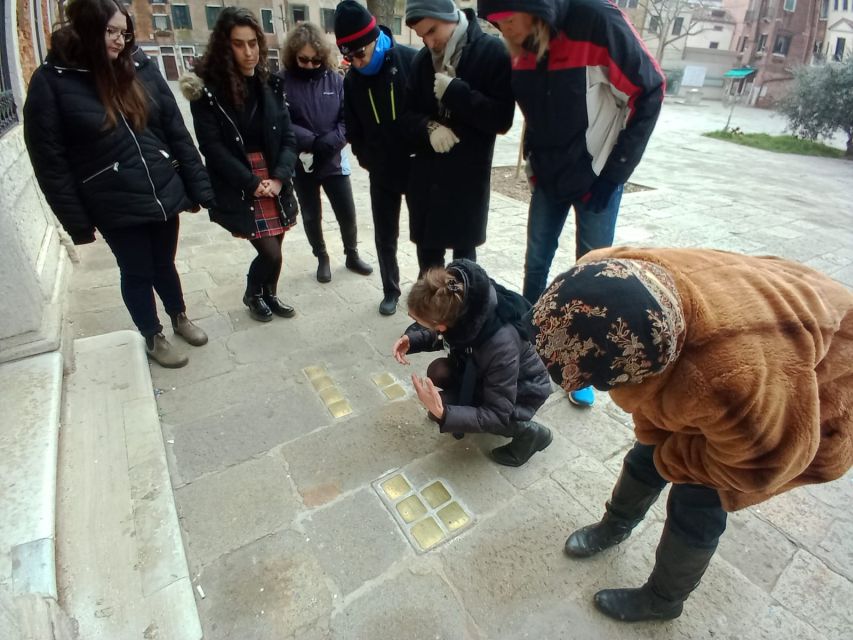
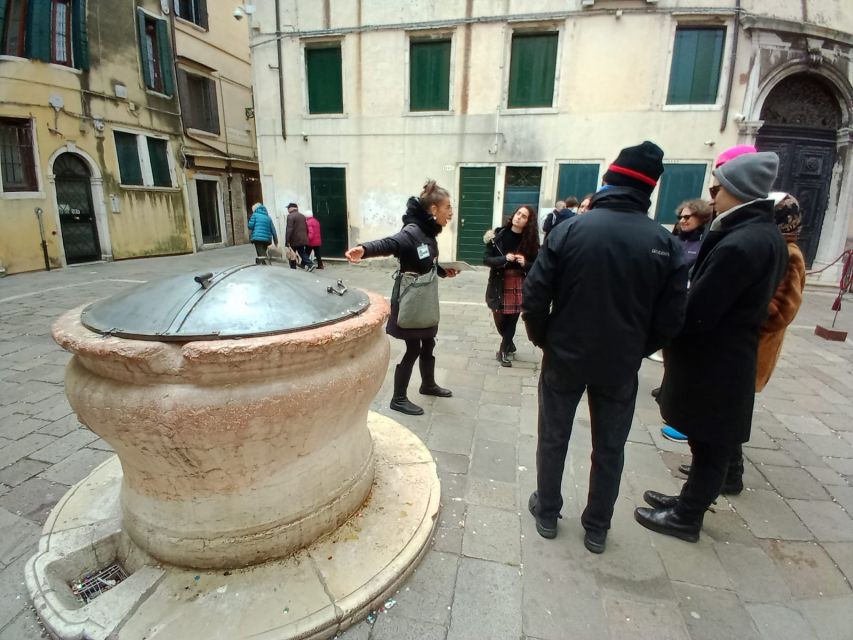
The meeting point is Campo di Ghetto Nuovo, a big square where you’ll spot a black drinking fountain right in the center. Arrive 5–10 minutes early. This matters because the tour can’t be joined after it starts, and you don’t want to feel rushed right at the beginning.
Campo di Ghetto Nuovo is a good first scene because it lets your guide set the frame. Instead of launching into synagogue facts immediately, you get the neighborhood layout and the reason the ghetto mattered to Venice. That helps later, when you’re standing in narrow streets with tall buildings and realizing how geography shapes power.
A useful tip: Venitian streets are uneven, and you’ll do a fair bit of walking for a 2-hour tour. If rain is in the forecast, bring a compact umbrella or rain shell. A few guides have been praised for adjusting when weather hits, including slowing down and staying considerate of people who walk more slowly.
Cannaregio streets and the first ghetto steps: learning the neighborhood map
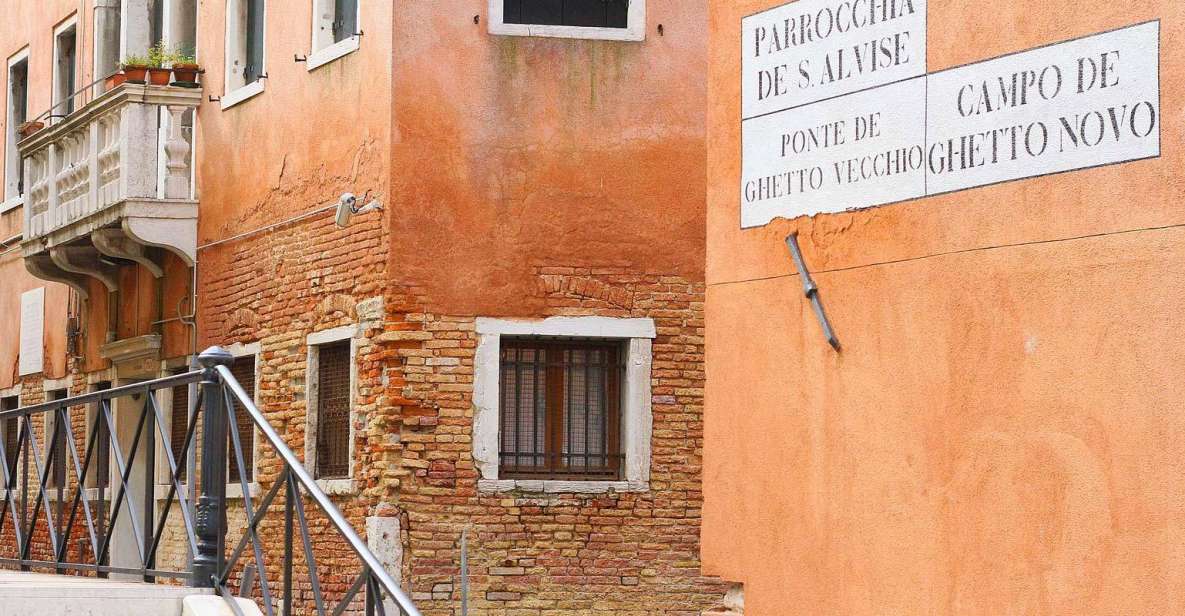
After Campo di Ghetto Nuovo, the walk turns into the Cannaregio rhythm: quieter streets, local scale, and more “real Venice” than the heavy sightseeing routes. You’ll also get an orientation to where the old quarters sit in relation to modern Venice’s life.
This portion (about 15 minutes of walking) is short on paper, but it’s doing real work. It connects what you’ll learn next—Ghetto Vecchio and the older parts of the community—with what you’re actually seeing: building density, street turns, and small pocket spaces where people gathered.
The best guides use this stage to set your expectations. Some even emphasize at the start that this is historical, not a religious sermon. That approach tends to make the whole experience easier to process, especially if you’re visiting with family members who want education rather than performance.
Calle Ghetto Vecchio: where the “old” feels physical
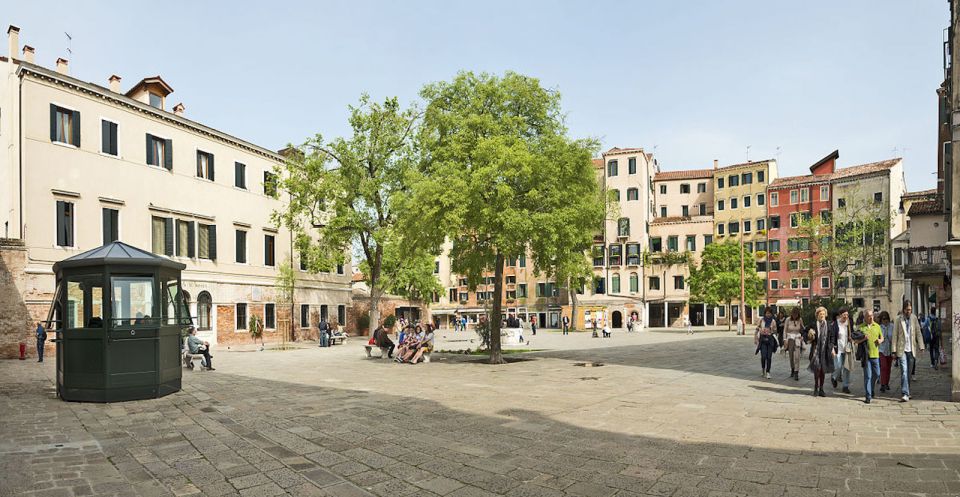
You’ll then reach Calle Ghetto Vecchio, another 15-minute walk segment. This is where the ghetto narrative becomes more grounded. The buildings feel closer. The atmosphere feels more contained. And when your guide explains how Jewish life developed within restrictions, you can actually see why the story had to unfold this way.
I love that the tour doesn’t only focus on oppression as a concept. It also looks at resilience: tradition, daily routines, economic life, and how cultural identity stayed visible even when life was tightly controlled. That’s a harder message than a simple sightseeing route, but it’s also more honest.
And because this portion is guided, you’re not stuck with vague impressions. You get pointed explanations about how the community shaped Venice beyond the ghetto itself—how presence affected the city’s social and economic fabric, not just its boundaries.
The Campo di Ghetto Nuovo return loop: why timing matters
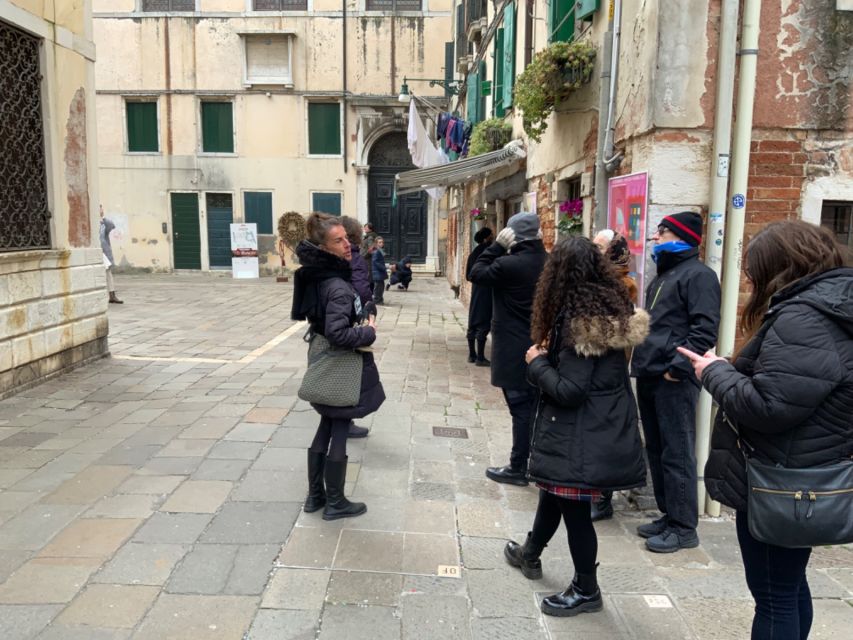
The itinerary brings you back to Campo di Ghetto Nuovo before finishing (another brief walk segment). That loop isn’t just efficient. It helps you “re-anchor” your understanding after you’ve seen deeper spaces like Calle Ghetto Vecchio and then stepped inside synagogues.
After synagogue time, your brain fills with details: symbolism, architecture, differences between communities, and how traditions were expressed. By the time you return to the square, you can connect those interior details to the exterior neighborhood layout again.
This back-and-forth pacing also helps the tour stay humane. In feedback, guides are praised for keeping things moving without steamrolling people—especially those who need slower walking pace or extra time for questions.






Spanish Synagogue: modest outside, meaning inside
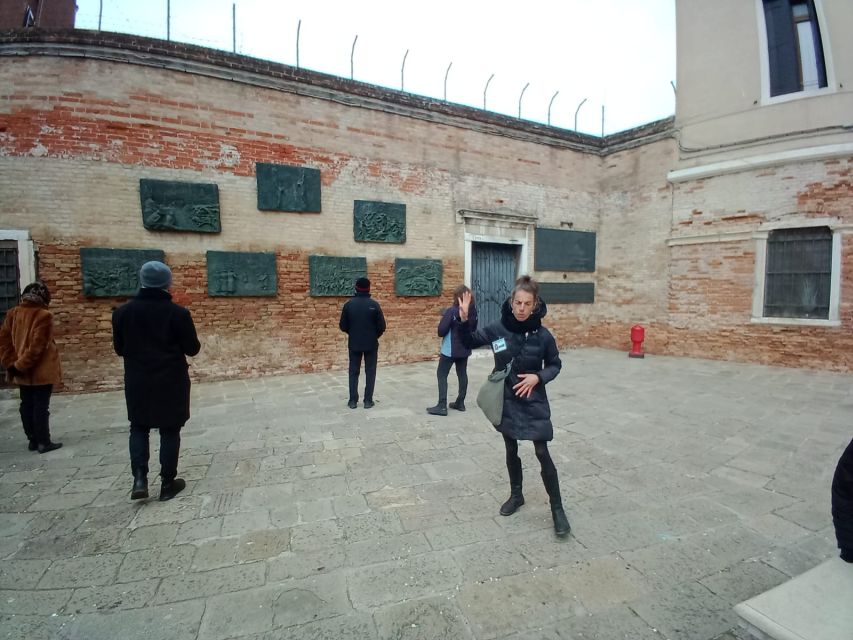
The first synagogue stop is the Spanish Synagogue. Expect about 30 minutes, guided. This is the kind of place where “surprised” is an understatement: modest exteriors can hide interiors packed with symbolism and tradition.
Your guide’s job here is important. The synagogue visits aren’t just architectural sightseeing. You’ll learn how the spaces functioned for community life and how specific cultural streams influenced the traditions. A key theme you should listen for is the mixture of Sephardic and Ashkenazi influences that shaped Jewish life in Venice.
Pay attention to the way the guide explains features rather than just listing them. People often remember the “why” more than the “what.” That’s also why tours led by guides like Sylvia (named in synagogue-visit feedback) tend to get such strong marks: the stories land with clarity and respect.
Also note the dress requirement: both men and women must wear clothing that covers the belly, shoulders, and knees inside synagogues. If you’re visiting in summer with light clothing, plan a simple layer in your bag.
Levantine Synagogue: the second door and the bigger picture
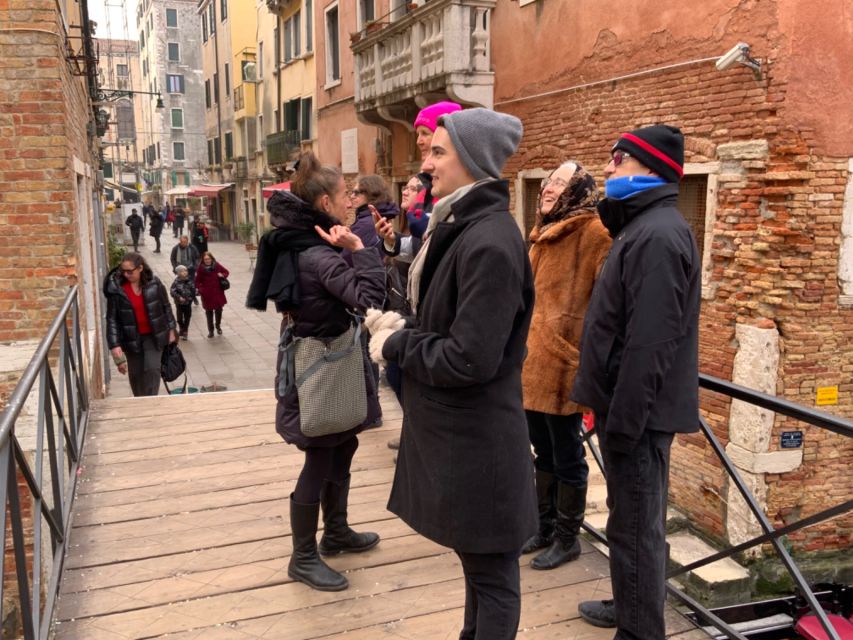
Next comes the Levantine Synagogue, again about 30 minutes with a guide. The tour includes entry here, but there’s an important calendar note: the Levantine Synagogue is not available on Fridays.
If your trip overlaps a Friday, you’ll want to confirm what synagogue access is possible on that day. The tour is built around the idea of coordinated access, so day-of-week rules can matter.
This stop also reinforces the tour’s bigger educational goal: showing how Venice’s Jewish community wasn’t monolithic. You’re seeing how different traditions shaped what places looked like, how they were used, and how identity was maintained and expressed over time.
And yes, this is still a walking tour. You’re not getting a long museum afternoon. That’s part of the value: you hit the ghetto streets and then you get the rare interior experiences while it’s still fresh in your mind.
What the guides do so well: stories you can actually use
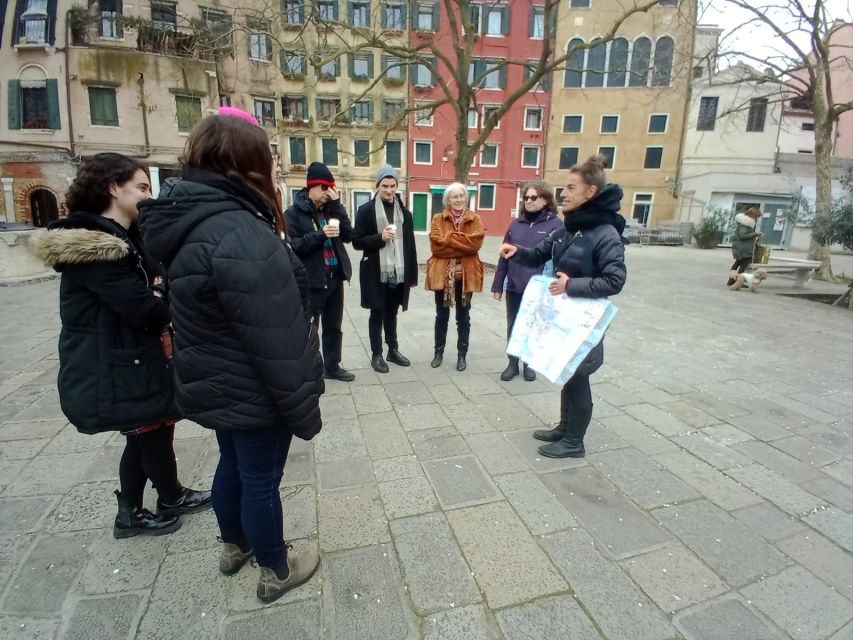
The strongest reviews share a pattern: the guides don’t just recite facts. They bring energy and empathy into the storytelling. Names that show up repeatedly include Claire, Martina, Anatasia, Carla, Hilaria, Sandra, Ilaria, and Christina.
You’ll feel that in the structure. Guides are often praised for:
- using emotional storytelling without losing historical grounding
- explaining context so it clicks with what you’ve already seen in Venice
- answering questions clearly (and keeping space for open discussion)
- adjusting pace for slower walkers and staying calm when the group gets restless
If you love learning with a human voice, this tour tends to deliver. One review even mentions visual aids being used to connect past and present. Another highlights a guide helping in the moment when rain hit—running out to buy umbrellas. That kind of practical care matters more than you’d think in Venice, where weather can turn fast.
Value check: $105 for two hours with synagogue access
At $105 per person for about 2 hours, this isn’t the cheapest walking tour in Venice. But synagogue access has a cost, and coordinated entry through the Jewish Museum network is a real differentiator.
Here’s how I’d frame the value:
- If you want a self-guided ghetto walk, you can do that for less.
- If you want inside access to the Spanish and Levantine synagogues, you’re paying for that privilege plus a guide who can explain what you’re seeing.
- If you care about understanding how the ghetto influenced Venice’s social and economic life—not just what it looked like—then guided interpretation is the part that turns the walk into learning.
Also, the group format helps. You can choose small-group or private. Small groups usually mean more time for questions and less time waiting for the slowest person to catch up.
Practical tips so the tour feels smooth, not stressful
A few things will make your 2-hour Jewish Ghetto walk feel easier:
Wear for synagogues first. Cover shoulders, belly, and knees. If you forget, you may have a hard time adjusting quickly in the moment.
Bring comfy shoes. The route is uneven and packed into a dense neighborhood, and there’s no “rest stop” promised beyond the short square moments.
Expect a historical focus. Some guides explicitly frame it that way, which can be a relief if you don’t want a religious lecture.
Plan around access limits. The Jewish Museum itself is closed for visits because it’s under restoration. Interior museum time isn’t part of the tour, but the tour does use the Jewish Museum arrangement to enable synagogue access.
Food plans: if you want to extend the day, this area has kosher options nearby. One review recommends stopping for lunch at a kosher bakery and BaGhetto after the walk. It’s not included, but it’s good timing if you’d like to keep the theme going.
And quick safety rule: weapons or sharp objects aren’t allowed on this tour. Leave anything like that at your hotel.
Should you book the Venice Jewish Ghetto walking tour with synagogue visits?
Book it if you want Venice with moral weight and real context—not just architecture and photo corners. This tour is at its best when you care about learning how Jewish life in Venice evolved under pressure, and when you value a guide who can explain the difference between seeing a place and understanding what it meant.
Skip it (or choose a different format) if you’re not comfortable with walking on uneven surfaces, you’re unable to follow the synagogue dress rules, or you’re visiting on a day that affects Levantine Synagogue access (Fridays).
If you do book, show up on time at Campo di Ghetto Nuovo and come ready with questions. With the right guide, this becomes one of those rare Venice experiences that stays with you long after you’ve left the square.
FAQ
Where is the meeting point for the tour?
The tour meets at Campo di Ghetto Nuovo. The guide will be waiting in the square near the black drinking fountain in the center.
How long is the tour?
The tour lasts 2 hours.
Which synagogues are included in the visit?
You’ll visit the Spanish Synagogue and the Levantine Synagogue, with access arranged through the Jewish Museum.
Is the Jewish Museum included in the tour?
No. The tour does not include an interior visit to the Jewish Museum, and the museum is noted as closed for visits due to restoration.
Is the Levantine Synagogue visit available on Fridays?
No. The Levantine Synagogue is not included on Fridays.
What clothing is required for synagogue visits?
Both men and women must wear clothing that covers the belly, shoulders, and knees in the synagogues.
Is this tour suitable for wheelchair users or mobility impairments?
No. It’s not suitable for wheelchair users or people with mobility impairments.
What is the cancellation policy?
You can cancel up to 24 hours in advance for a full refund.