REVIEW · VENICE
Venice: Jewish Ghetto and Cannaregio Food and Wine Tour
Book on GetYourGuide →Operated by Food Raphael Tours and Events · Bookable on GetYourGuide
Venice tastes better when you chase it on foot. This Cannaregio and Jewish Ghetto food-and-wine tour strings together architecture, bridges, and synagogue history with six restaurant stops and plenty of local bites. I especially love how the Jewish Ghetto details connect to everyday Venetian life, and how the food isn’t just random samples—it’s tied to the neighborhoods you’re walking through, including dishes like sarde in saor. One real consideration: it’s a walking-heavy experience, and some people find the distance long, so plan on moving at a steady pace.
You also get an English-speaking local guide who brings the area to life—names like Vanessa, Dennis, and Alessandra show up a lot in the feedback, and that matters because the stories change what you see. If you’re looking for a low-effort, fully seated experience, this isn’t it.
In This Review
- Key Highlights You’ll Actually Feel
- Cannaregio and the Jewish Ghetto: Why This Route Works
- Meeting at Gam Gam and What the First Stretch Signals
- The Jewish Ghetto Stops: Synagogues, Rabbi’s House, and Street-Level Context
- Cannaregio Walkways and Churches: The Sights Between Tastings
- Six Restaurants, One Big Payoff: What You’ll Eat and Why It Feels Venetian
- Classic Venetian flavors you can’t fake
- Wine that matches the pacing
- Gelato, Biscotti, and the Old Coffee Roaster Stop
- Italian gelato
- Venetian biscuits: zaeti and buranelli
- Coffee in Venice’s style
- Crossing the Rialto Bridge: Moving from Story to Local Eating
- The Evening Finish: Sparkling Wine and Canal Reflections
- Price and Value: Does $134.81 Make Sense for 4 Hours?
- Who This Tour Fits Best (and Who Should Skip It)
- Booking Wisdom: Make It Easier on Yourself
- Should You Book the Venice Jewish Ghetto and Cannaregio Food and Wine Tour?
- FAQ
- How long is the Venice Jewish Ghetto and Cannaregio Food and Wine Tour?
- How many places will we eat during the tour?
- What language is the tour guide speaking?
- Where does the tour start?
- Is this a kosher food tour?
- Is the tour suitable for vegans or gluten- or dairy-free diets?
- Is the tour good for people with mobility impairments?
- What if I have allergies to fish, shellfish, nuts, or dry fruits?
Key Highlights You’ll Actually Feel
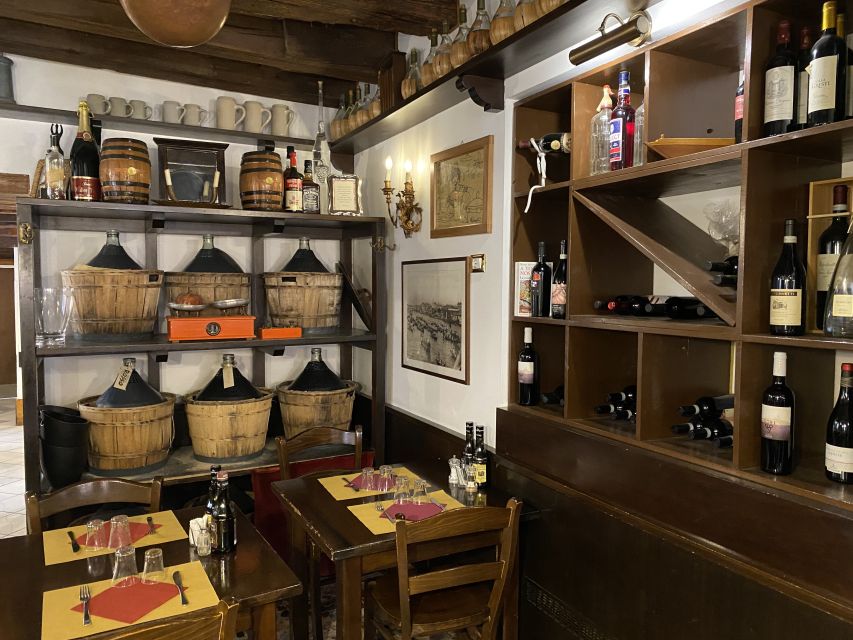
- Six restaurant stops for a real meal spread, not tiny snacks
- Jewish Ghetto architecture and landmarks like the Rabbi’s House and historic synagogues
- Cannaregio food culture with bacari-style stops and classic local flavors
- Coffee and gelato including a sampling at an old coffee roaster
- Rialto Bridge crossing into Venice’s classic eating lanes
- Kosher wine alongside non-kosher food for a specifically Venetian twist
Cannaregio and the Jewish Ghetto: Why This Route Works
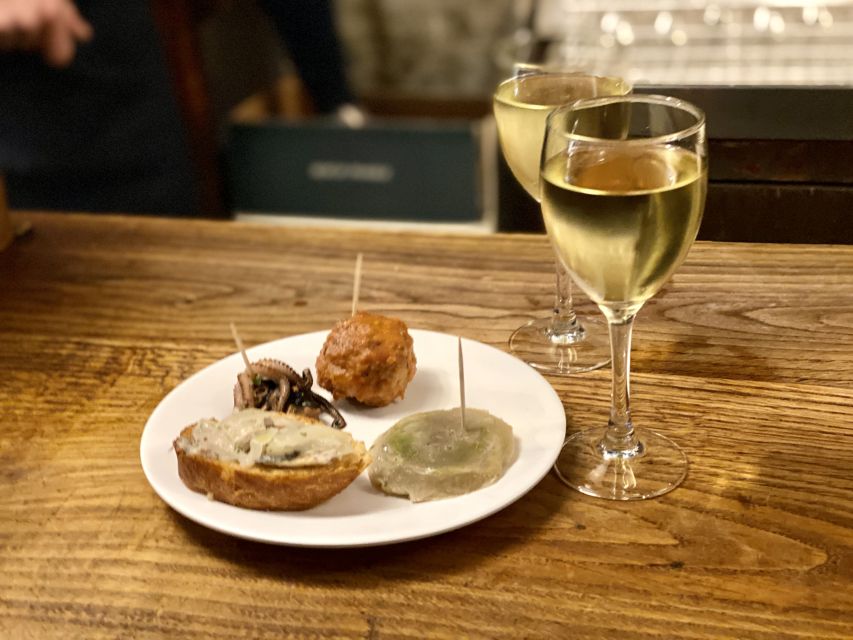
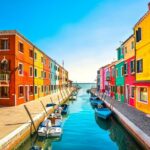
Cannaregio is the Venice most first-timers hope for: canals, leaning brick facades, and daily life that doesn’t feel staged. The tour uses that setting well. Instead of treating the Jewish Ghetto as a single stop-and-snap-photo moment, it threads you through the sights and then rewards you with food that feels tied to the street you’re standing on.
What I like about this approach is the cause-and-effect feeling. You see the historic Jewish Ghetto architecture—then you taste foods that reflect how communities lived, traded, and adapted in Venice. Even the fact that the ghetto has appeared in cultural works (including a film adaptation connected to Shakespeare’s Merchant of Venice) helps you understand why people keep returning to this story. You’re not just learning facts; you’re walking through the physical space those stories needed.
The other reason this works: the day isn’t only museums and monuments. It’s also a neighborhood food crawl with classic Venetian rhythm—small pours, multiple venues, and time to graze. By the time you reach the bigger meal moments, you already understand what the guide is pointing out.
You can also read our reviews of more food & drink experiences in Venice

Meeting at Gam Gam and What the First Stretch Signals
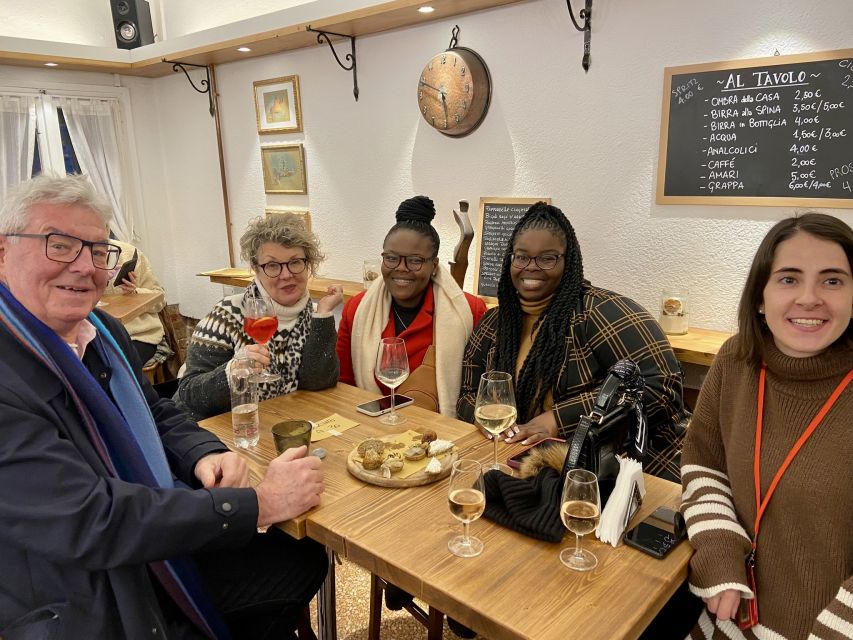
Your tour starts at the Gam Gam Kosher Restaurant in Cannaregio (address listed as Cannaregio, 1122, 30121 Venezia VE). That location matters because it signals the tour’s vibe: you’ll be learning about Jewish Venetian life, but you’ll also be eating like Venice eats—practical, social, and focused on local comfort.
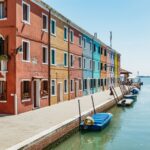
Once you set off, you’re in a walking flow that mixes canals, churches, bridges, and quiet corners of the district. The tour description leans into atmospheric Venice: you’ll move through areas with Gothic churches, a variety of bridges, and the romantic walkways called fondamenta along the water. That matters because Venice is easiest to understand when you experience the “in-between” spaces—the little water alleys and bridge transitions—rather than only the big showy sights.
This is also where you’ll want to manage expectations. It’s not a gentle stroll for everyone. The experience is described as not suitable for people with mobility impairments, and one review complaint specifically flags that the walking distance can be too long. If you’re even slightly unsure about your stamina, wear supportive shoes and plan to move slowly and consistently.
The Jewish Ghetto Stops: Synagogues, Rabbi’s House, and Street-Level Context
The Jewish Ghetto portion is the backbone of this tour. You’ll see the Rabbi’s House and historic synagogues, and you’ll learn what makes the district’s architecture feel so distinctive within Venice. The tour frames this as a timeless neighborhood with culture and tradition—one that also played a role in popular portrayals, so you may recognize names or references even if you’ve never studied the topic before.
The best part here is how the guide connects place to practice. Venice had a way of handling difference through rules, trade, and community systems, and the ghetto’s physical layout reflects that history. Instead of asking you to imagine what it felt like, you’re shown structures and street angles that make the story feel more grounded.
A small but important note: this is not a kosher food tour. That means you won’t be expecting a fully kosher meal environment across every stop. Still, the tour includes tastings paired with Kosher wine, and you’ll encounter Jewish-Venetian dishes during the food portion. So it’s more like a historical-cultural food tour with kosher-friendly elements, rather than an observant-food-only experience.
Cannaregio Walkways and Churches: The Sights Between Tastings
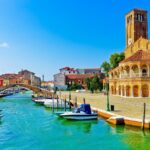
Between restaurant stops, you’ll cover more than straight-line walking. The route is built around Venice’s geometry: canals, bridge crossings, and church facades that pop into view as you turn corners. You’re likely to spot Gothic churches, and you’ll pass other landmarks that make Cannaregio feel lived-in, not museum-quiet.
The tour description also highlights that you’ll see bridges and “atmospheric sights” along the way. That phrase is doing real work. In Venice, the details are the story: a bridge that frames a canal bend, a church you only notice after you’ve crossed and turned, the way sunlight hits stone and water at different angles. Those transitions make the tastings feel earned, and it’s why the walk matters even if the distance is a bit much for some people.
One practical takeaway: the tour keeps you moving, but it’s not a sprint. The tasting stops break it up, and that’s a good balance. If you’re visiting in warm weather, bring water and take micro-breaks when you can—especially at gelato or café-style pauses.
Six Restaurants, One Big Payoff: What You’ll Eat and Why It Feels Venetian
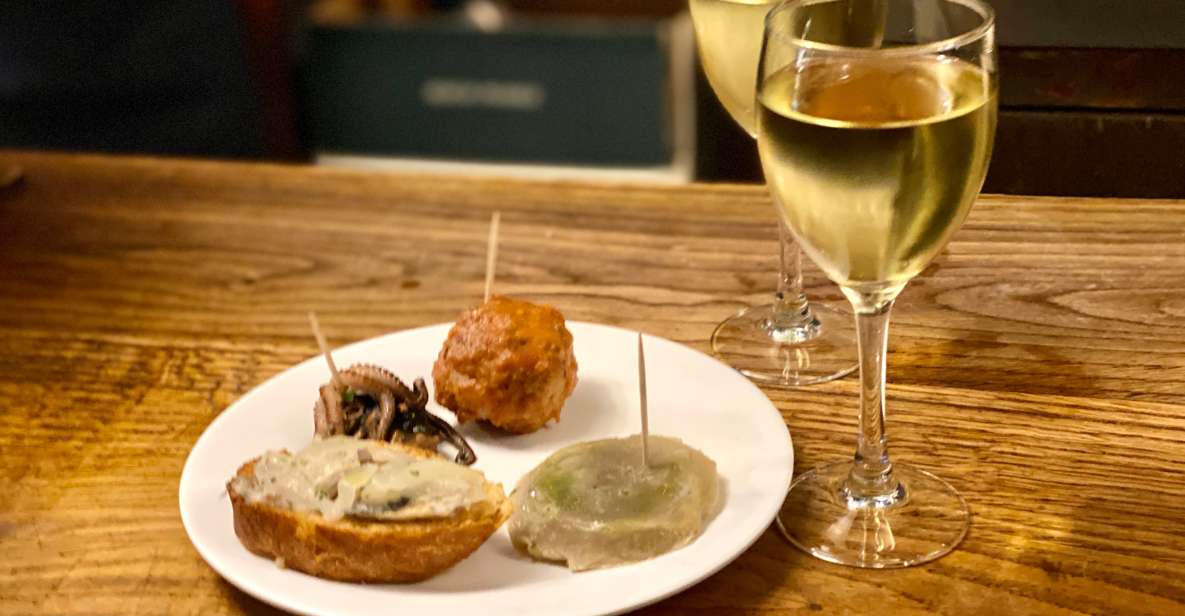
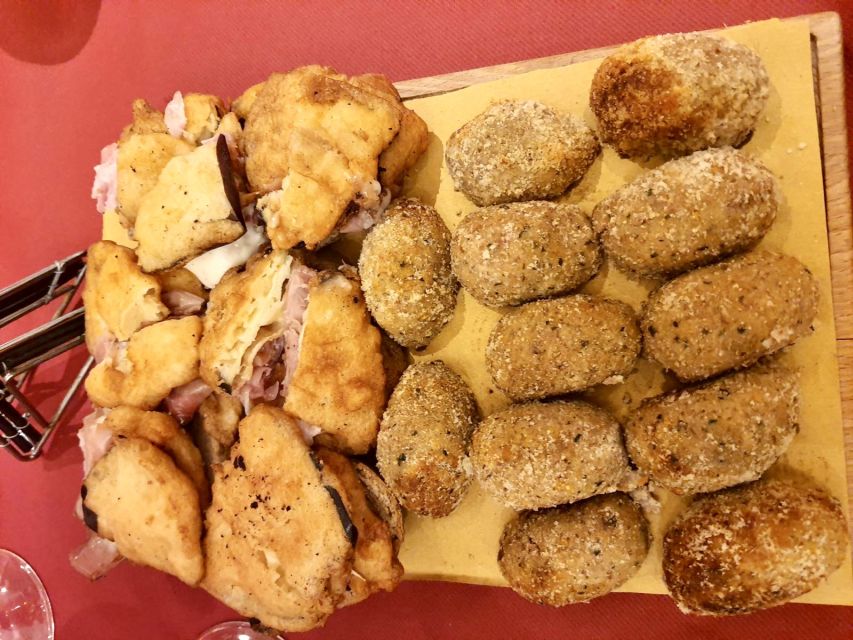
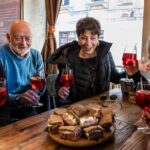
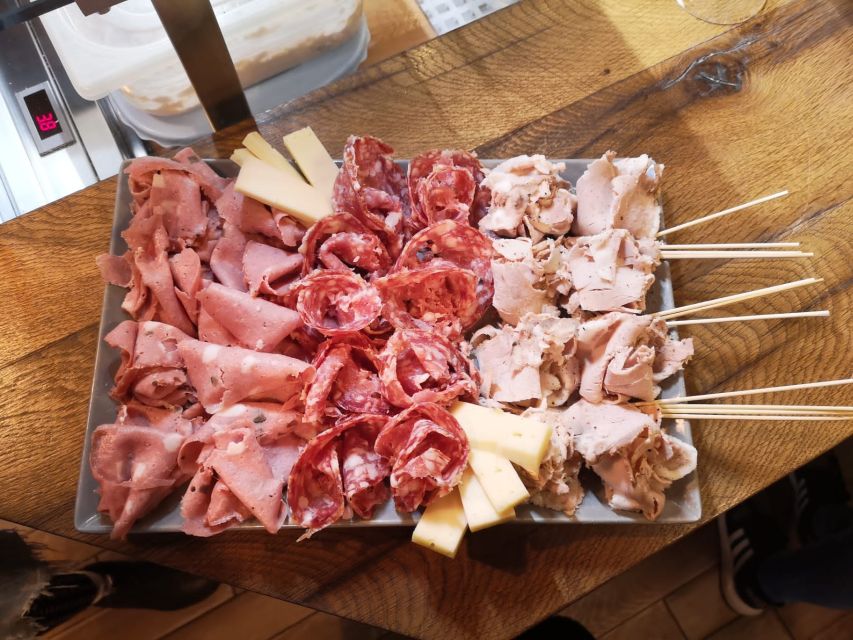
This is the part most people remember: six different restaurants for food and wine tastes. The tour positions the meals as authentic Venetian local foods, and the menu themes match that promise.
Here are the specific items mentioned in the tour description that help you picture what you’ll likely encounter:
You can also read our reviews of more tours and experiences in Venice



Classic Venetian flavors you can’t fake
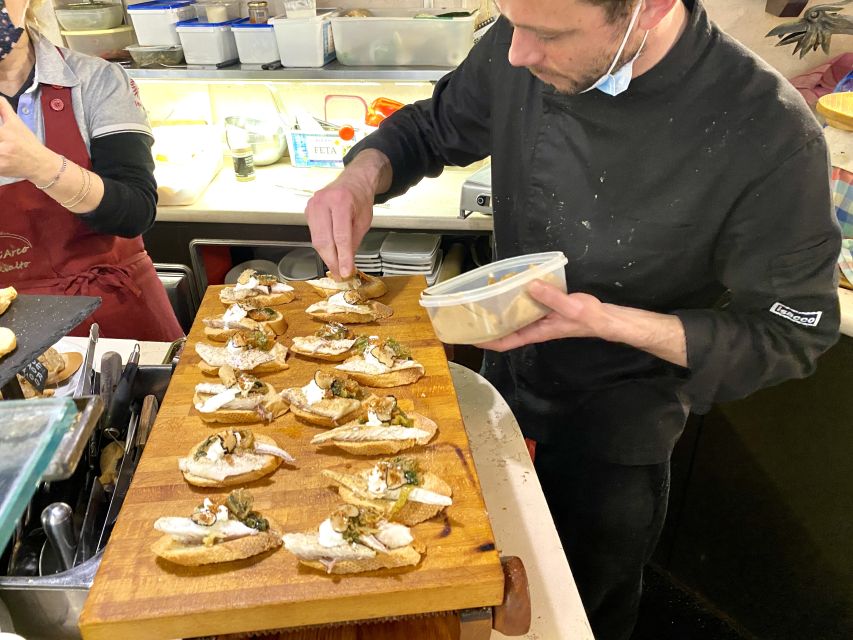
- Sarde in saor (traditional fish dish)
- Artichoke bottoms (a Venetian-style preparation you’ll see in different forms)
- Risotto and pasta that the tour frames as hard to find anywhere else
What’s smart here is that the tour doesn’t only chase trendy items. These are the kinds of flavors Venetian kitchens build reputations on—ingredients that show up repeatedly in local menus. Even if you think you’re only a “basic eater,” these dishes often convert people fast because they’re familiar enough to enjoy and different enough to remember.
Wine that matches the pacing
The tour includes wine pairings, and at least some tastings come with Kosher wine. You should expect that not every stop will pour the same style, and that’s part of the fun: you taste how the guide links beverage choices to the food theme in each location.
One caution: the tour is not vegan-friendly and not suitable for several dietary needs (more on that below). If you’re sensitive to seafood, dairy, gluten, or cross-contamination, plan carefully.
Gelato, Biscotti, and the Old Coffee Roaster Stop
Venice is famous for a few comfort treats, and this tour includes several of them in a way that feels connected to local culture rather than like a generic dessert break.
Italian gelato
The tour explicitly mentions a gelato stop. In Venice, gelato isn’t just dessert; it’s part of how people pause through the day. Getting it as one of your structured tastings is useful—you’ll have a moment to cool down and slow your feet for a minute.
Venetian biscuits: zaeti and buranelli
You’ll also visit an old bakery and sample specialty biscuits and cakes, including zaeti and buranelli. Those names matter because they’re specific to Venetian food culture. Even if you’ve tried random Italian cookies before, these are the kinds of regional specialties that don’t show up on every tourist pastry counter.
Coffee in Venice’s style
The tour includes an old coffee roaster sampling, and it even notes that Venetians were among the first coffee drinkers in Italy. That’s a fun fact because Venice’s role as a trading powerhouse helped circulate new food and drink habits—so coffee fits the city’s story beyond simple caffeine. If you care about coffee, you’ll like this stop because it’s not only about sipping; it’s about learning why the habit became part of Venetian daily life.
Crossing the Rialto Bridge: Moving from Story to Local Eating
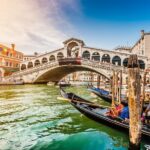
At some point, you’ll cross the Rialto Bridge, described as the oldest of Venice’s roughly 400 bridges. This matters because Rialto isn’t only a photo landmark; it’s a mental divider in Venice. Once you’re over that bridge, the tour shifts toward the “true taste of Venice” approach—eating where locals and gondoliers love to eat.
That’s a clever pivot. The early part of the tour gives you context: ghetto history, churches, bridges, and canals. The Rialto crossing then turns the day into a more food-first experience—risotto, pasta, and bakery stops that feel like they belong to real restaurant life, not a tourist tasting circuit.
In practical terms: don’t plan to eat a full dinner after this. Between the multi-restaurant tastings and wine, you’ll likely be satisfied by the end. One review even warns people to come hungry, and that matches the structure.
The Evening Finish: Sparkling Wine and Canal Reflections
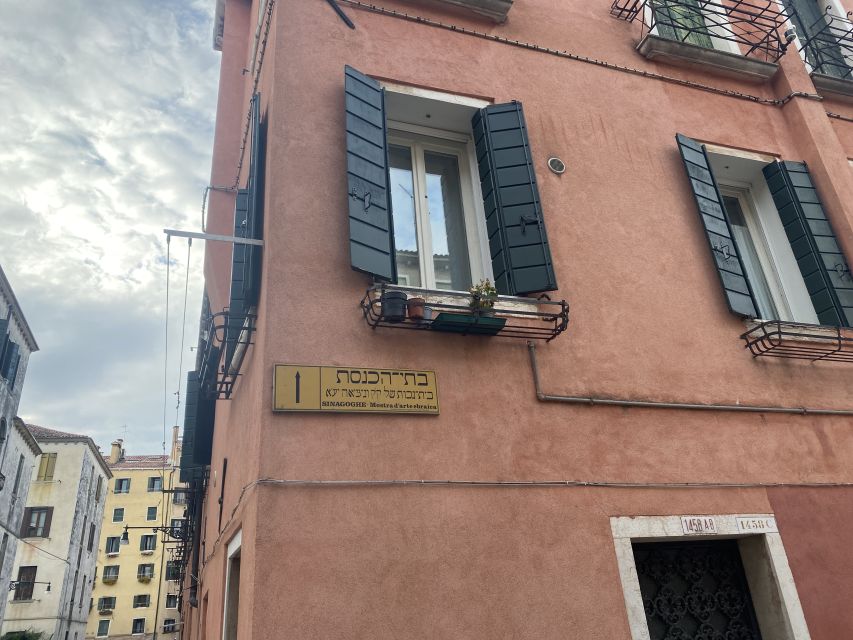
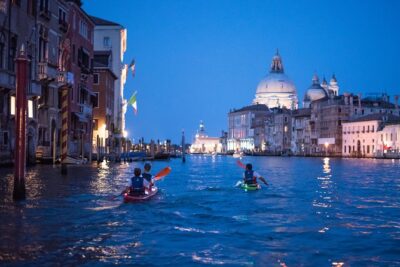
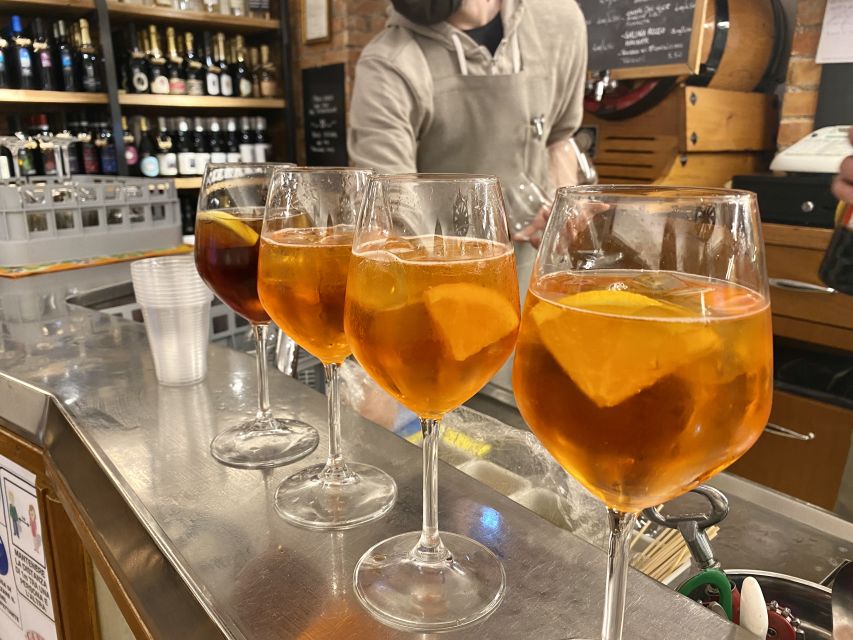
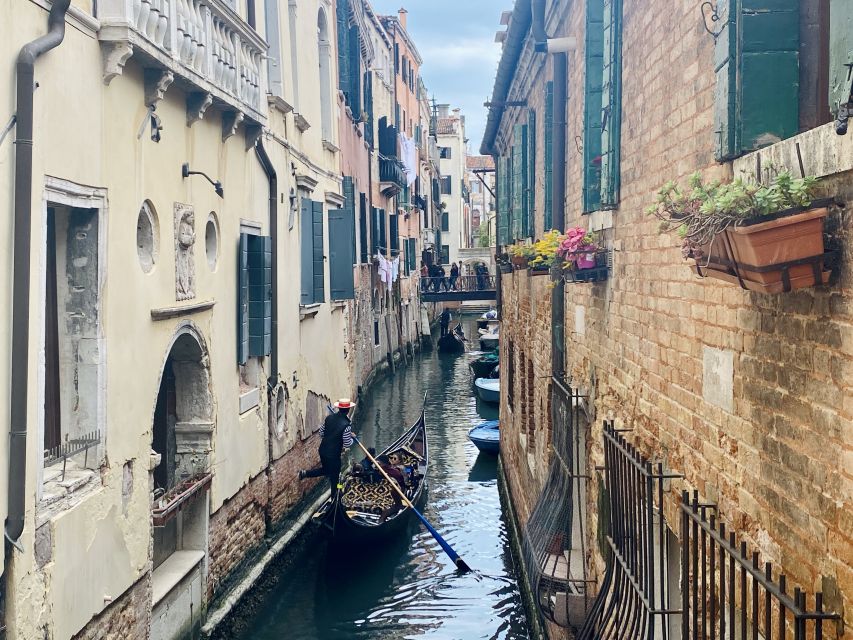
The tour continues into the evening, and the description paints a specific vibe: as you sip a glass of sparkling wine, you’ll meet another side of Venice—churches and palazzos mirrored in shimmering canal waters.
That evening tone is more than poetic branding. Venice changes as the light changes. The same buildings look softer and more distant, and the canal reflections add a moving kind of background that feels different from daytime sightseeing. If you’re the type who enjoys walking when it’s not peak heat, this timing can be a real win.
Still, evening also means you’ll be extra glad you wore comfortable shoes. The walking portion doesn’t stop just because it’s prettier out.
Price and Value: Does $134.81 Make Sense for 4 Hours?
At $134.81 per person for about 4 hours, the cost can feel high at first glance—until you count what you’re getting.
Here’s why it tends to be good value for the right person:
- You’re getting food and wine included, not pay-as-you-go tastings.
- You visit six different restaurants, which usually means multiple menus, multiple flavors, and fewer repeats.
- A local guide provides sightseeing context around the Jewish Ghetto and Cannaregio, so your money goes toward both food and interpretation.
If your goal is only to eat a quick gelato and a snack, you won’t get your money’s worth. But if you want a structured taste of Venetian food culture plus guided history in the neighborhoods where it actually happened, it’s more reasonable.
Also, this is the kind of tour that can save you time. Venice is big, and finding the right places to eat in the right neighborhoods without ending up in obvious traps takes effort. A guided path reduces that friction.
Who This Tour Fits Best (and Who Should Skip It)
This experience is ideal if:
- You enjoy guided walking tours and don’t mind bridges and canals.
- You want a mix of Jewish Ghetto context and Venetian food in one outing.
- You’re game for seafood dishes like sarde in saor.
- You like wine, gelato, coffee, and bakery treats as part of the same plan.
It’s not a match if:
- You need a fully vegan menu (the tour is not suitable for vegans).
- You require gluten-free or lactose-free options (not suitable for gluten or lactose intolerance).
- You have mobility impairments (the tour isn’t suitable for that).
- You have allergies to fish, shellfish, nuts, or dry fruits—there’s a stated cross-contamination risk.
Vegetarians can be accommodated only if advised in advance, so if that’s you, message ahead and be explicit about what you can eat.
Booking Wisdom: Make It Easier on Yourself
A few practical moves will improve your experience fast:
- Wear comfortable shoes with good grip. Venice floors can be slick and uneven.
- Come hungry, but pace yourself. With six tasting points plus wine, it’s easy to overdo it at the start.
- Plan to sip water between stops, especially if you’re sensitive to alcohol.
- If you’re worried about diet or allergies, ask the provider early. The tour data explicitly flags cross-contamination, and you deserve clear answers before you arrive.
Cancellation is offered with free cancellation up to 24 hours in advance for a full refund, which is helpful if your Venice schedule changes.
Should You Book the Venice Jewish Ghetto and Cannaregio Food and Wine Tour?
I think you should book it if you want a neighborhood-focused Venice day: Jewish Ghetto architecture plus real Venetian eating, guided by someone who knows how to connect the two. The biggest reasons to say yes are the structure—six restaurant tastings—and the way the tour links history to what you put in your mouth.
I would skip it if walking is tough for you, or if you need vegan, gluten-free, or lactose-free meals. Also, if seafood or nut/dried-fruit allergies apply, take the cross-contamination warning seriously and confirm options before you go.
If you’re a first-time Venice visitor who wants an easy way to see Cannaregio, understand the Jewish Ghetto landmarks, and eat your way through the city’s flavor vocabulary, this tour is a strong pick.
FAQ
How long is the Venice Jewish Ghetto and Cannaregio Food and Wine Tour?
It lasts about 4 hours.
How many places will we eat during the tour?
You’ll stop at 6 different restaurants for food and wine tastes.
What language is the tour guide speaking?
The live tour guide speaks English.
Where does the tour start?
Meet the guide in front of Gam Gam Kosher Restaurant, Cannaregio, 1122, 30121 Venezia VE.
Is this a kosher food tour?
No, it is not a kosher food tour, though some tastings are described as being accompanied by Kosher wine.
Is the tour suitable for vegans or gluten- or dairy-free diets?
No. It is not suitable for vegans, people with gluten intolerance, or people with lactose intolerance. Vegetarians can be accommodated only if advised in advance.
Is the tour good for people with mobility impairments?
No, it is not suitable for people with mobility impairments.
What if I have allergies to fish, shellfish, nuts, or dry fruits?
The tour notes cross-contamination risks, so you should be cautious and plan accordingly.