REVIEW · VENICE
Venice: Dorsoduro Guided Walking Tour
Book on GetYourGuide →Operated by Guydeez Tours · Bookable on GetYourGuide
Dorsoduro feels like local Venice. On this 2-hour walk, I love Palazzo Zenobio degli Armeni and the calm views from San Giorgio Maggiore. The trade-off: no food is included, so you’ll need a snack plan.
You’ll focus on the Dorsoduro side of the city—around Campo Santa Margherita and the university district—where street art, small courtyards, and lesser-known churches make the city feel more personal and less packaged.
The tour also gives you real flexibility: it runs with a live guide in English, French, Spanish, and Italian, and it’s wheelchair accessible (plus there’s a private-group option if you want a quieter pace).
In This Review
- Key highlights to look forward to
- Dorsoduro: the Venice you reach after the big sights
- Your first stop energy: learning what to notice before photos
- Palazzo Zenobio degli Armeni: Baroque details that make sense on foot
- San Giorgio Maggiore: the calm-water pause that resets your day
- Street art, courtyards, and smaller churches off the main path
- The local hangout angle: what to do right after the tour
- Price and time: is $29 worth 2 hours?
- Guide quality can make or break the experience
- Comfort checklist: what to bring so you enjoy every stop
- Should you book the Venice Dorsoduro guided walking tour?
- FAQ
- How long is the Venice Dorsoduro guided walking tour?
- How much does the tour cost?
- What is included in the price?
- Are food and drinks included?
- What languages are available for the live tour guide?
- Is the tour wheelchair accessible?
- Is there a private group option?
- Is free cancellation offered?
- Do I need to check for starting times?
- What should I bring?
Key highlights to look forward to
- Palazzo Zenobio degli Armeni: Baroque architecture that’s easy to miss if you’re only following the main sights
- San Giorgio Maggiore: a calmer viewpoint moment over the water, away from the heavy foot traffic
- Street art + side streets in Dorsoduro: you get a modern Venice layer, not just classic postcards
- Courtyards and smaller churches: details you can’t really read on your own, even with a guidebook
- Local hangouts near Campo Santa Margherita: café and square ideas you can use right after the tour
- Multilingual guide + private group: helpful if you want your questions answered clearly
Dorsoduro: the Venice you reach after the big sights
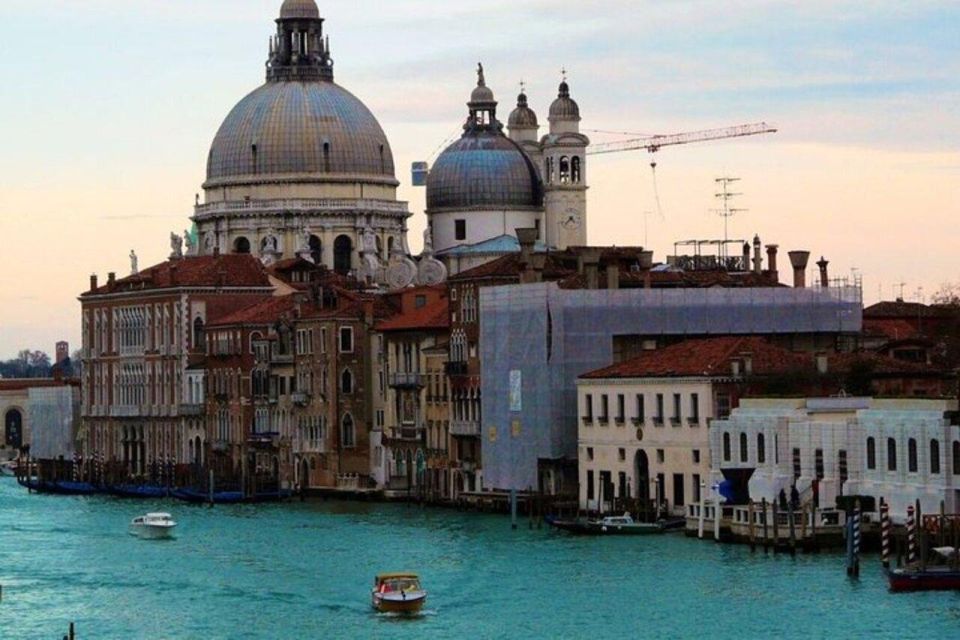
Most first-time Venice plans have you sprinting from one landmark to the next. This walk is different. It sends you into Dorsoduro, a neighborhood that feels more day-to-day, shaped by students and locals rather than tour groups.
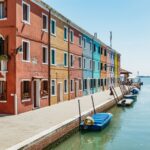
You start near the Campo Santa Margherita area and spend time on streets that don’t always make it into the quick-hit itineraries. That means you’ll be walking through Venice’s everyday texture: small turns, local squares, and architecture you notice more once someone points out what you’re actually looking at.
The best part is the rhythm. You get moments that look familiar—churches, palaces, water views—but the story angle stays closer to neighborhood life. And that’s why this tour works so well if you want Venice to feel lived-in, not just admired from a distance.
One practical note: Dorsoduro is still Venice. Expect cobblestones, tight paths, and some walking that may be a lot if you already have sore feet.
You can also read our reviews of more walking tours in Venice

Your first stop energy: learning what to notice before photos
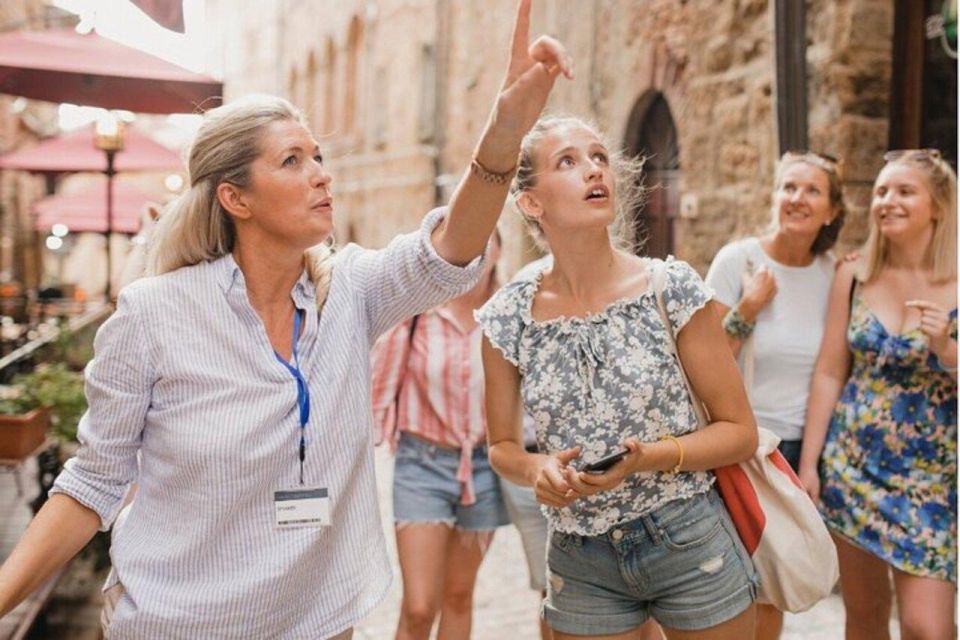
As you move through the area, the guide’s job is to help you see the city. That matters more here than you might expect. Venice can look confusing from street level—small bridges, doors that open to nothing, and buildings that seem to repeat until someone explains the patterns.
A good guide will get you oriented fast: where you are in the neighborhood, why certain buildings exist, and what role courtyards and side churches played. That guidance becomes the backbone of the whole walk, so every next stop feels like it clicks into place instead of being a random assortment of points on a map.
This is also where language choice matters. The tour runs in several languages, and when the guide’s explanation is clear, you’ll understand not just what’s in front of you, but why it matters. When that communication breaks down, the walk can feel like a simple stroll. So if your comfort level is tied to the guide’s language skills, pick your language carefully.
Palazzo Zenobio degli Armeni: Baroque details that make sense on foot
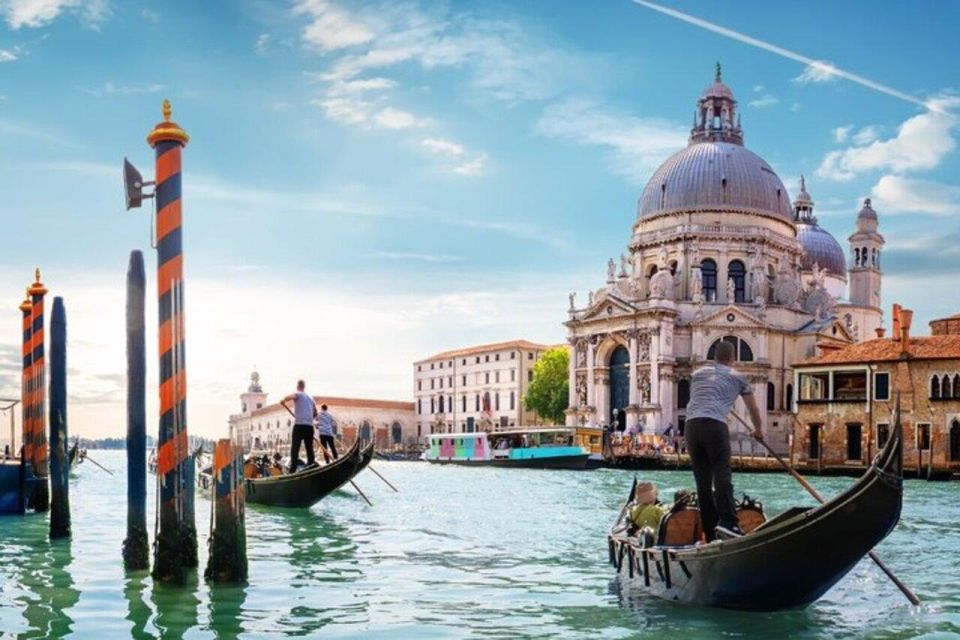
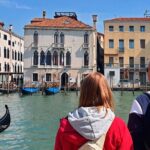
One of the strongest reasons to do this tour is the stop at Palazzo Zenobio degli Armeni. On Venice’s main routes, you’ll see plenty of palaces. Here, the palace stop is tied to a neighborhood story, so it doesn’t feel like you’re checking a box.
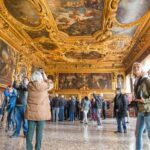
What you’ll appreciate most is the way Baroque architecture shows up in the details. You’re not just told it’s Baroque—you’re guided to notice what that style looks like on a Venetian building: the proportions, the decorative cues, and the kind of presence a family residence could have in the city fabric.
Even if you don’t have time for museum-style visiting, this stop gives you that architecture “primer.” You leave able to look at other buildings and recognize features instead of only recognizing facades.
The one potential drawback: the tour format is a walking experience. So you should expect to learn mainly from what you can observe from the street and adjacent spaces, not from long interior time. If you’re craving deep interior access, you might want to plan a separate museum or church visit on your own.
San Giorgio Maggiore: the calm-water pause that resets your day
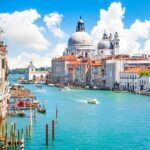
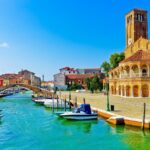
After the neighborhood streets, you’ll head toward San Giorgio Maggiore. This is the kind of stop that changes the pace of your day. The setting offers a quieter viewpoint moment over the water, which is exactly what you want after hours in dense walkways and busier thoroughfares.
The value here is perspective. Venice photography is usually shot from the same high-energy angles: crowds, canals, and iconic views. San Giorgio Maggiore gives you a more reflective frame. It helps you understand how Venice’s “city of water” feeling comes from spacing—how water creates separation, how buildings relate to light, and how the horizon line behaves from different vantage points.
If you’re the type who likes to slow down for pictures, this portion is built for it. If you’re not, it still works because it’s a natural break in the route. You’ll just get to stand, look, and absorb.
Street art, courtyards, and smaller churches off the main path
A big part of the Dorsoduro appeal is that it’s comfortable letting the city show its in-between areas. During the walking time, you’ll encounter street art that reflects contemporary neighborhood culture. It’s a nice reminder that Venice isn’t just one era frozen in place.
Then comes the architecture you won’t easily find on your own: courtyards and lesser-known churches. These aren’t always “headline” sights, but they’re often where you see the craftsmanship most clearly—stonework, layouts, and the way buildings shelter inner space. A guide helps here because Venice’s symbolism and design logic can be hard to decode without context.
What’s also practical about this section: it’s where you learn how to move like a local. Side streets teach you how people actually navigate the neighborhood—how to expect the city to turn, why certain alleys feel quieter, and where to look for small squares you’d otherwise walk past.
You can also read our reviews of more guided tours in Venice


The local hangout angle: what to do right after the tour
This tour doesn’t end with a shrug and a goodbye. You’ll get insider tips for where locals spend time—cozy cafés and picturesque squares near the route you covered.
That matters because Venice can be tricky right after a walking tour. You’re tired, it’s easy to follow whatever looks most crowded, and that’s often where prices climb and the experience turns touristy. Having a short list of good options nearby helps you spend your next hour like a resident instead of like an exhausted map user.
If you’re staying for more than a day, these suggestions are especially useful. You can repeat them on a later visit, when you’re not trying to squeeze everything into one afternoon. And since you’ve just learned the neighborhood’s shape, you’ll understand why certain corners feel more comfortable than others.
Price and time: is $29 worth 2 hours?
At $29 per person for a 2-hour guided walk, you’re mainly paying for two things: route planning and live interpretation. In Venice, that’s valuable because good context turns scattered stops into a coherent story.
This tour also earns its value by focusing on an area that’s often skipped. You’re paying less for the “headline circuit” and more for a different angle on Venice—one shaped by Dorsoduro’s university district and its everyday street life.
The main thing to watch is the “no food included” part. If you’re hungry, you’ll need to schedule a café stop either before or after. The upside is you can choose based on what you feel like, instead of being locked into a set snack.
If you’re time-limited, this is a solid way to get a neighborhood feel quickly. If you’re looking for a day packed with major-ticket attractions and long indoor visits, you might want to pair this with another activity later.
Guide quality can make or break the experience
Walking tours are only as good as the guide’s narration. The tour’s strength is that it’s designed around a knowledgeable local voice—history, architecture cues, and practical local recommendations. When that delivery is strong, the city feels more readable fast.
On the positive side, guides such as Nicoletta, Wayne, and Ornella have been associated with memorable storytelling and strong recommendations. That’s a good sign because the tour leans on explanation, not just sightseeing.
The caution is simple: if you end up with a guide who doesn’t provide much commentary, you’ll feel like you’re paying for company more than for learning. So go in with the right expectations. This isn’t a silent walk; it’s meant to be talked-through.
Comfort checklist: what to bring so you enjoy every stop
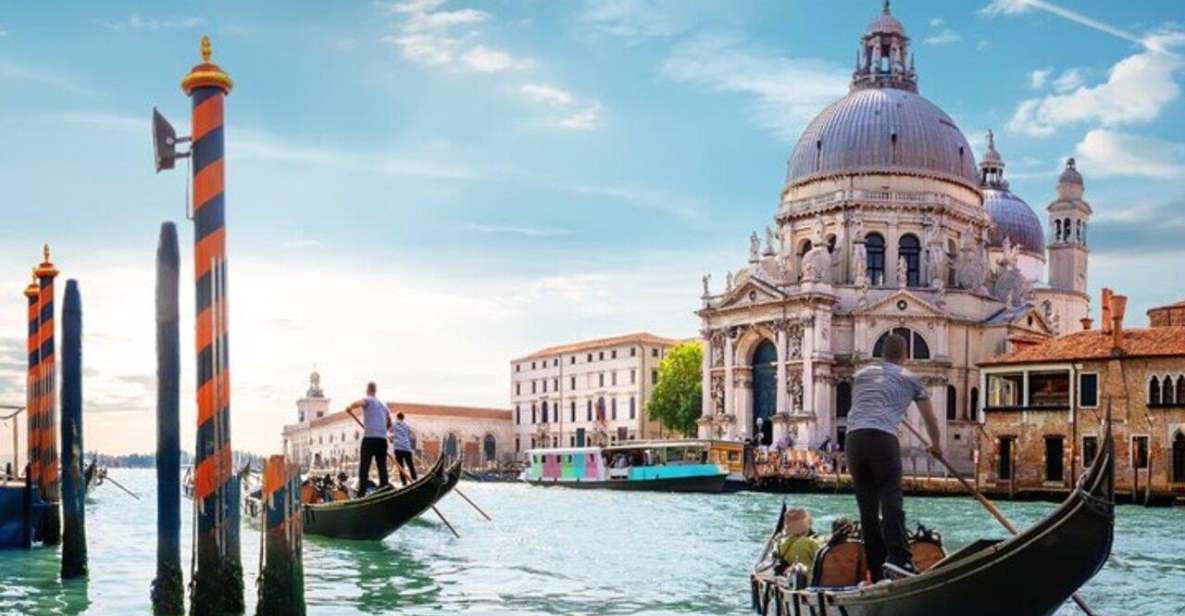
Venice is a lot easier when you’re prepared. For this walk, plan around the basics:
- Comfortable shoes (you’ll be on stone and uneven surfaces)
- Weather-appropriate clothing (short bursts of wind and rain happen)
If you tend to get cold near water, bring a light layer. Also, keep your pace steady. The route is short enough that you don’t need to rush, but long enough that you’ll benefit from walking comfortably from start to finish.
Should you book the Venice Dorsoduro guided walking tour?
You should strongly consider booking if you want:
- A different Venice than the usual main-sight sprint
- Architecture context at stops like Palazzo Zenobio degli Armeni
- A calmer viewpoint break at San Giorgio Maggiore
- Practical tips for cafés and squares you can use the same day
I’d skip it or rethink it if you:
- Want a lot of food included (this tour does not include it)
- Prefer long interior visits over street-level interpretation
- Are very sensitive to language clarity and want extra certainty
If you like neighborhood walking and you’re spending more than a day in Venice, this tour is one of the easier ways to turn your time outside the main corridors into something you’ll remember.
And if your plans are flexible, the tour offers free cancellation up to 24 hours in advance and lets you reserve and pay later, which is handy when Venice weather or itinerary tweaks happen.
FAQ
How long is the Venice Dorsoduro guided walking tour?
The tour duration is 2 hours.
How much does the tour cost?
The price is $29 per person.
What is included in the price?
The package includes the walking tour and a local guide.
Are food and drinks included?
No. Food and drinks are not included.
What languages are available for the live tour guide?
The guide is available in English, French, Spanish, and Italian.
Is the tour wheelchair accessible?
Yes, the tour is listed as wheelchair accessible.
Is there a private group option?
Yes, a private group is available.
Is free cancellation offered?
Yes. You can cancel up to 24 hours in advance for a full refund.
Do I need to check for starting times?
Yes. The tour duration is 2 hours, and you should check availability to see starting times.
What should I bring?
Wear comfortable shoes and weather-appropriate clothing.