REVIEW · VENICE
Venice: 1.5-Hour Walking Tour
Book on GetYourGuide →Operated by Venice Events srl · Bookable on GetYourGuide
Venice gets intense fast. This 1.5-hour walking tour gives you the big-picture Venice you want at the start, then sends you into Castello for calmer, local-feeling streets. I especially like how the guide ties what you see in St. Mark’s Square to Venice’s symbols and power, then shifts gears to the residential maze behind San Marco.
The other big plus: you get live narration through a personal audio headset, so you can actually hear the story while you’re walking the calli and crossing bridges. One consideration: it’s strictly an external walk, so you won’t step into museums or attractions along the way.
In This Review
- Key highlights at a glance
- Where the story starts: St. Mark’s Square basics you can actually use
- From crowds to Castello: the fast lesson in how Venice changes block to block
- Hidden campi and churches behind San Marco
- Campo Santa Maria Formosa: a square with a real neighborhood feel
- Campo San Giovanni & Paolo: where power becomes burial history
- Bridges, calli, and campi: the route that teaches you Venice’s layout
- The finish at Mercerie: ending where locals move between sights
- The guide + headset setup: why it makes a difference in Venice
- Price and value: $37 for 90 minutes of real orientation
- Timing and what to wear: small choices that make the tour better
- Who this tour suits best (and who should skip it)
- Should you book this Venice St. Mark’s to Castello tour?
- FAQ
- FAQ
- How long is the Venice 1.5-hour walking tour?
- Where does the tour start?
- What’s included in the price?
- Is it wheelchair accessible?
- Does the tour include museum or attraction entry?
- What languages are available for the live commentary?
- Do I need to bring food or drinks?
- What should I wear for the tour?
- Does the tour run in bad weather?
- Are children allowed, and are they charged?
Key highlights at a glance
- St. Mark’s Square orientation: Basilica, Doge’s Palace, and the Renaissance clock tower explained on foot
- Castello escape: quieter campi and residential streets behind San Marco
- Campo stops you’ll remember: Santa Maria Formosa and San Giovanni & Paolo are key waypoints
- Audio headset + live guide: narration in English, French, German, Spanish, plus Italian
- Mercerie return route: finish back near the shopping connection between Rialto and San Marco
Where the story starts: St. Mark’s Square basics you can actually use
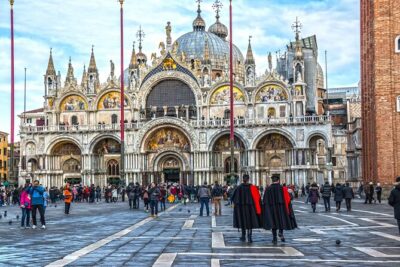
Most first-time Venice visits feel like standing in one giant postcard. Starting in St. Mark’s Square changes that. You get an orderly intro to why this place mattered, not just what it looks like.
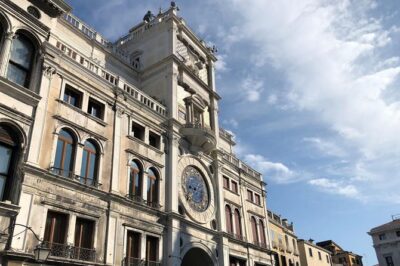
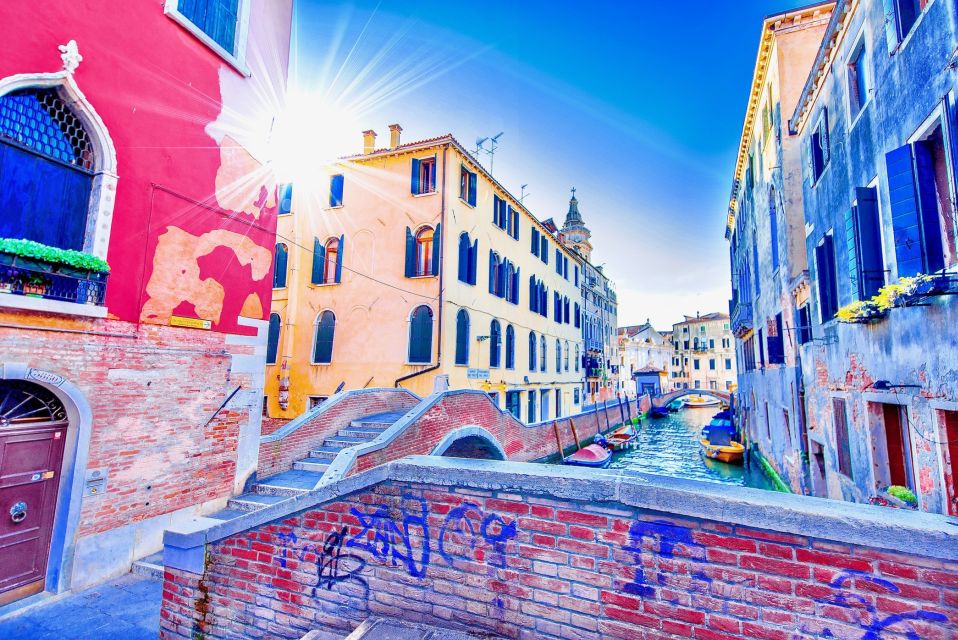
Your guide sets the scene with the architectural and political weight of the area. You’ll hear about St. Mark’s Basilica, the Doge’s Palace (once the nerve center of the Venetian Republic), and the Renaissance clock tower—the kind of landmarks that are easy to notice and harder to interpret without context. The payoff is practical: once you understand the symbols and the power behind them, the rest of the city’s details start making sense.
It also helps that you’re starting early enough in the walking plan to avoid some of the worst bottlenecks. One guest even called out the appeal of an early slot (like 9 a.m. in summer) when the heat and crowds are still manageable.
You can also read our reviews of more walking tours in Venice

From crowds to Castello: the fast lesson in how Venice changes block to block
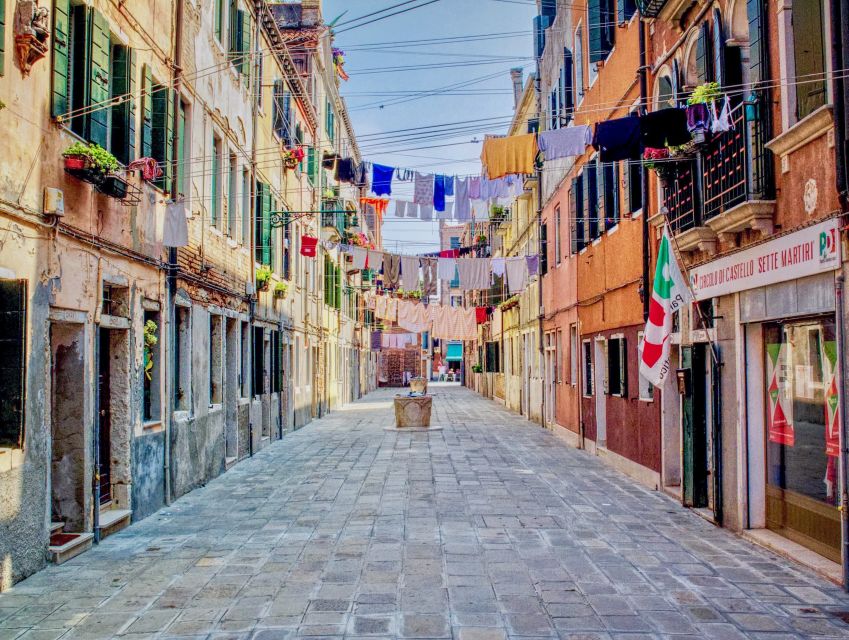
The best moment on this tour is the pivot away from the heavy foot traffic. After the square, you move into Castello, where Venice feels less like a destination and more like a neighborhood.
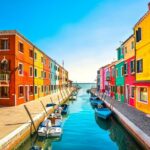
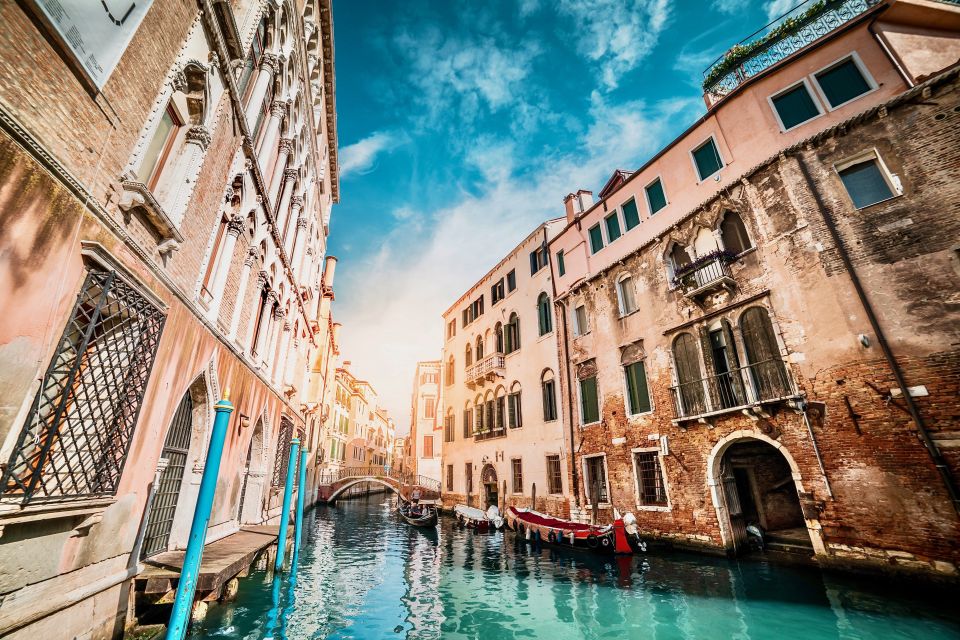
This isn’t just a change of scenery. Your route follows the logic of the city itself: narrow alleys called calli, frequent bridges, winding canals, and open squares known as campi. You’ll notice how sound and space shift as you go. In St. Mark’s you’re in broad, monumental territory. In Castello you’re in smaller, lived-in pockets where everyday life is closer to the street.
That is why this tour is such a good “first two hours in Venice” option. It gives you an instinct for where the city’s heart is versus where the tourist crush concentrates.
Hidden campi and churches behind San Marco
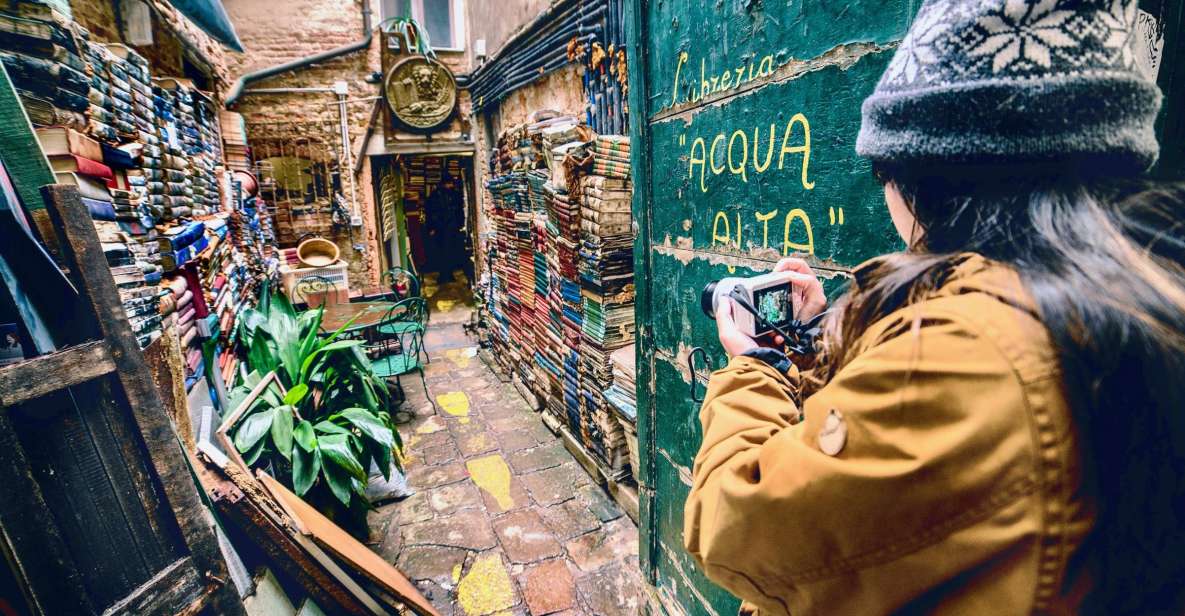
In quieter Venice, small things matter. The tour spends time on the less crowded area behind San Marco, including campi and churches tucked into the everyday lanes.
You’ll get a guided walk through these spaces so you’re not just passing them. The guide’s job here is to turn the scenery into a map in your head: what you’re looking at, why it’s there, and what it tells you about Venetian traditions and local life.
One practical note: this is a walking tour, so you’ll see these places from the outside and in the flow of the street. If you love stopping and photographing every door and corner, you’ll be in your element. If you only want “must-see interiors,” you may feel a little more satisfied only if you follow up later with museum or church entry elsewhere.
Campo Santa Maria Formosa: a square with a real neighborhood feel
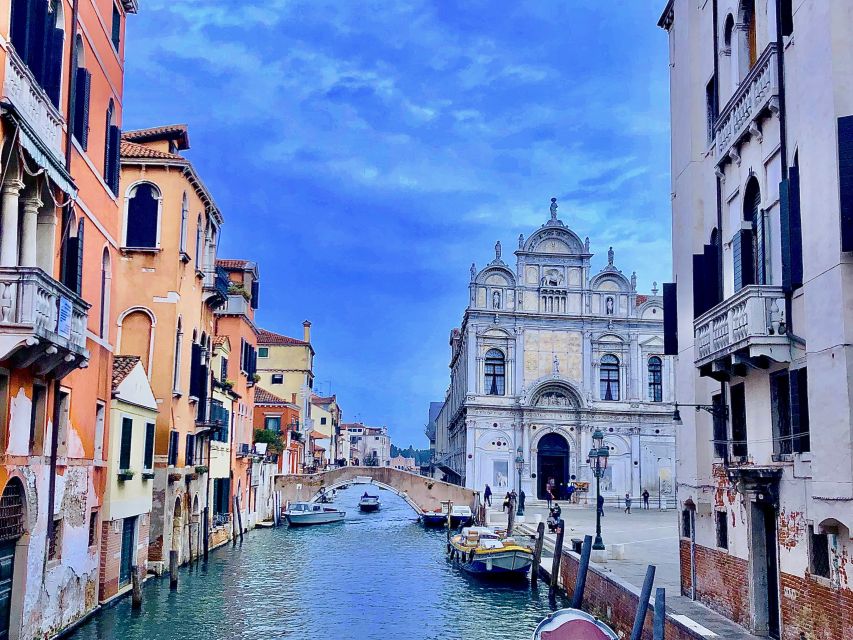
One of the specific stops is campo Santa Maria Formosa. This matters because it’s not just a scenic open space; it’s a way to understand Venice as a grid of community moments.
On this tour, the guide uses stops like this to connect architecture to daily movement. Even without stepping into anything, you get a sense of how campi function as gathering points—where people circulate, meet, and anchor local identity.
I like this stop because it’s a reminder that Venice is more than its headline sites. You start to see the rhythm: alley to bridge, bridge to canal view, canal to square, square back into the calli.
Campo San Giovanni & Paolo: where power becomes burial history
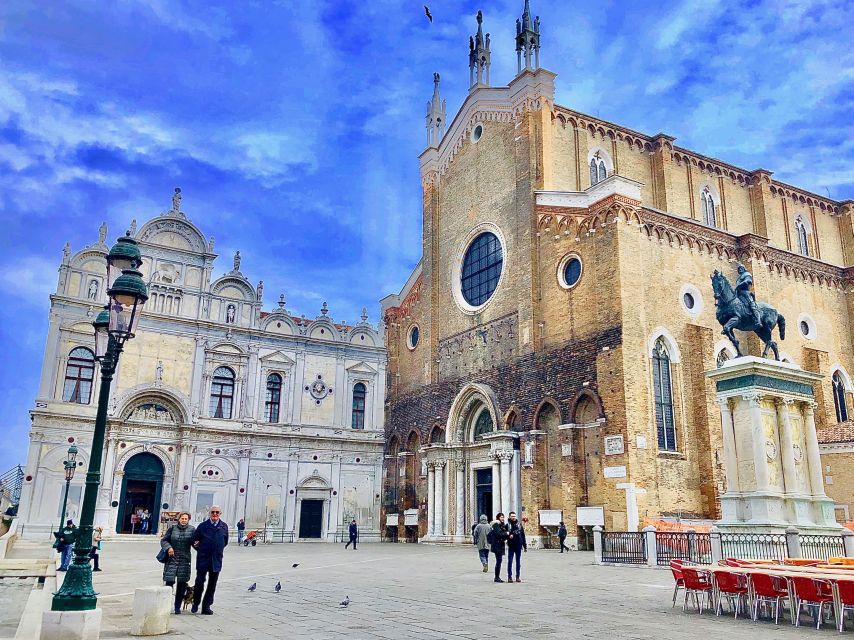
Another key waypoint is campo San Giovanni & Paolo, linked to the basilica where the doges of Venice were buried. This is a powerful contrast to the earlier royal imagery at St. Mark’s.
At this point, the tour helps you connect dots. Venice’s story isn’t only about magnificent buildings—it’s also about who held authority and how the Republic structured memory. When you learn that the doges’ burial is tied to this basilica, the whole experience shifts from postcard appreciation to historical understanding.
Even if you’re not entering the basilica during this walk, the guide’s explanation makes the architecture feel purposeful. You’re not just looking at stone; you’re understanding what it was designed to preserve.



Bridges, calli, and campi: the route that teaches you Venice’s layout
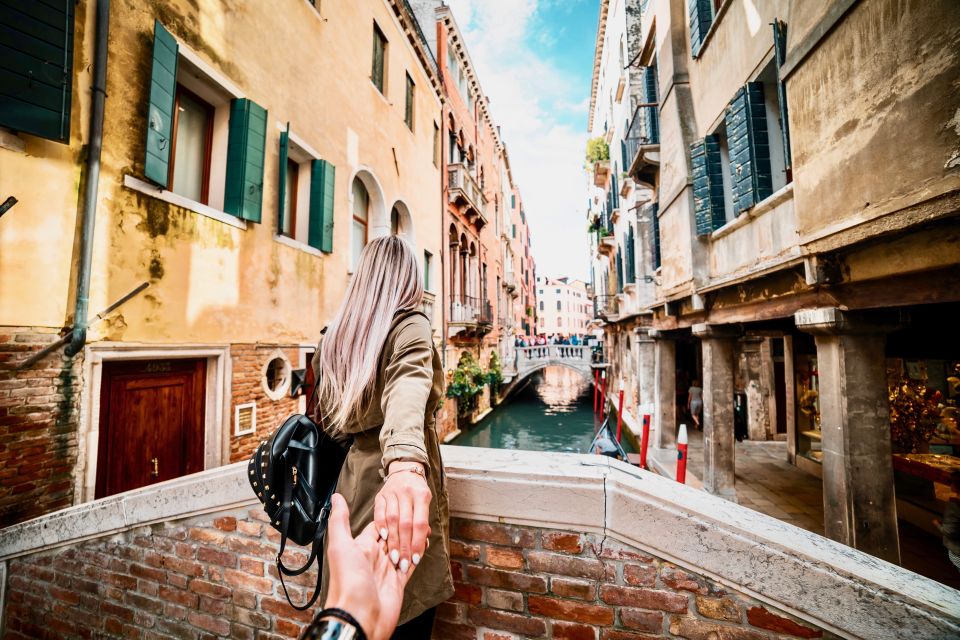
A walking tour like this works best when it feels like a method, not a random stroll. Here, the city’s layout becomes the lesson.
You’ll move through narrow calli, cross bridges, and pause in wide campi. The guide helps you read the city’s structure so you can navigate afterward. That’s the kind of value that doesn’t fade after the tour ends.
Venice navigation is part intuition, part repetition. A 1.5-hour route that shows you the calli-to-campi rhythm gives you a boost. You’ll likely find it easier to return to sights later without feeling totally lost.
And since the tour is external only, you’re also using your time efficiently. You’re spending your energy on orientation and streetscape context, not ticket lines or timed entry systems.
The finish at Mercerie: ending where locals move between sights
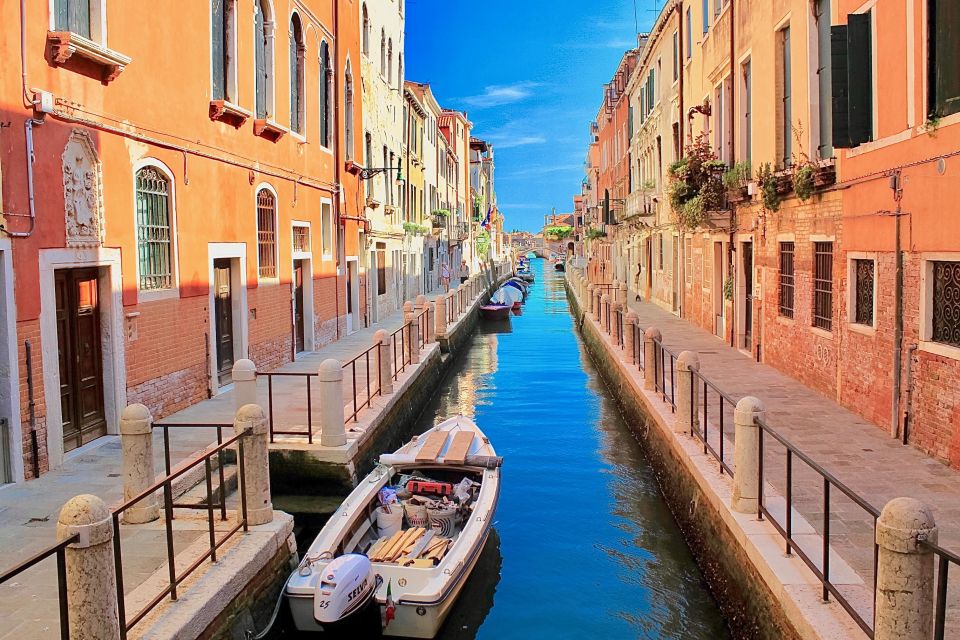
You wrap up by coming back toward San Marco and passing through Mercerie, the shopping connection street between Rialto and San Marco.
This ending is smart for two reasons. First, it keeps you oriented near the landmarks you started with. Second, it drops you into a different layer of Venice: commerce and everyday movement, not just monumental architecture.
If you want to keep exploring afterward, Mercerie is a natural handoff point. You’re close enough to major sights that you can branch out quickly, but you’ve already learned how Venice feels once you’re out of the main square.
The guide + headset setup: why it makes a difference in Venice

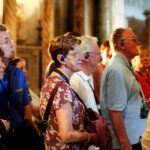
Venice crowds can make listening feel impossible. This is why the personal audio system matters. You get a headset and the guide provides live commentary, in multiple languages.
This tour offers narration in English, French, German, Spanish, and Italian. Even if you’re not using your own language perfectly, the headset reduces the usual stress of trying to hear while walking past other groups.
In the reviews, you’ll see this kind of praise repeated—people noting that the guide was professional, passionate about history, and able to explain Venice in a way that didn’t feel like dry memorization. One guide named Rosanna was specifically described as highly knowledgeable about both ancient history and present-day Venice, while another guide named Elisabeth was praised for sharing details you might not find in a typical guidebook.
The takeaway for you: this isn’t a tour where you mostly stare at buildings and hope for the best. The headset helps you follow the story while your feet handle the city.
Price and value: $37 for 90 minutes of real orientation
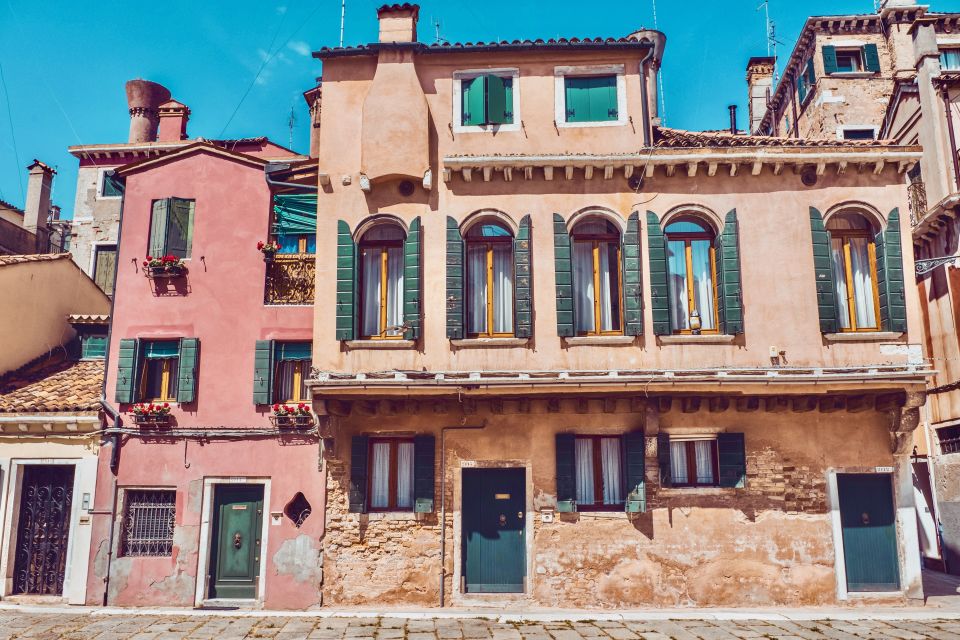
At $37 per person for about 1.5 hours, you’re paying for three things: a qualified local guide, live narration through a headset, and a route that combines headline sites with a calmer neighborhood segment.
Walking tours vary a lot. The ones that are cheapest often skip the headset or compress the storytelling into vague highlights. Here, the headset support is a tangible value add in a city where noise and crowd density can wreck audio understanding.
You’re also getting something you can’t easily replicate on your own the first day: a guided connection between St. Mark’s power symbolism and the quieter urban fabric of Castello. That combination is exactly what helps you move from watching Venice to understanding Venice.
If you’re traveling as a family, the cost math gets even better. Children are free up to age 5, and from age 6 they pay the full ticket (ID required).
Timing and what to wear: small choices that make the tour better
This is a straightforward outdoor walk. It runs in rain or shine, so your gear matters.
Wear comfortable walking shoes. Venice can be uneven, slippery, and crowded, and this tour spends your energy on movement through alleys, bridges, and squares. If your shoes aren’t solid, you’ll be thinking about your feet instead of the explanations.
If you can choose the time slot, consider going earlier in the day when Venice feels more manageable. One past visitor specifically liked a 9 a.m. tour in summer for heat reasons. Even if you don’t go that early, picking a start time before the city fully warms up tends to make the experience less tiring.
Who this tour suits best (and who should skip it)
This tour is ideal if:
- You’re in Venice for the first or second day and want fast orientation
- You like history, but you also want the city to feel like a place to live
- You prefer learning while walking rather than sitting in a museum
- You want a guide to steer you away from the heaviest crowds near St. Mark’s
It may be a poor fit if:
- You need indoor access to museums or attractions (this walk is external only)
- You’re using a wheelchair (it’s not wheelchair accessible)
- You’re expecting very small, silent, one-on-one pace time. The route can be popular, and walking tours often move with a group rhythm.
Also, it’s designed for a steady walking experience. If you’re traveling with anyone who struggles with continual walking for 90 minutes, consider selecting a different format.
Should you book this Venice St. Mark’s to Castello tour?
I think this is a smart booking if you want the best return on your time on day one or day two. For $37 you get a structured introduction to St. Mark’s power landmarks, plus a meaningful shift into Castello’s quieter streets—supported by a live guide and headset audio so you don’t lose the story.
Book it if you want to leave Venice feeling like you understand how the city is put together. Skip it if you’re specifically chasing museum entry, private access, or a slower, low-traffic experience without group energy.
FAQ
FAQ
How long is the Venice 1.5-hour walking tour?
The tour lasts about 1.5 hours.
Where does the tour start?
You start in St. Mark’s Square area, at Calle larga de l’Ascension – 30124, behind the Correr museum on the opposite side of Saint Mark’s Basilica. The meeting point is marked by a TURIVE assistant next to the post office San Marco.
What’s included in the price?
The price includes a guided walk between St. Mark’s Square and Castello, plus a personal audio system with headset for the tour commentary. The guide provides live commentary in multiple languages.
Is it wheelchair accessible?
No, this walking tour is not wheelchair accessible.
Does the tour include museum or attraction entry?
No. This is an external walking tour only and does not include access to museums or attractions.
What languages are available for the live commentary?
The live commentary is offered in English, French, German, Spanish, and Italian.
Do I need to bring food or drinks?
Food and drink are not included.
What should I wear for the tour?
Wear comfortable walking shoes.
Does the tour run in bad weather?
Yes. The walking tour takes place rain or shine.
Are children allowed, and are they charged?
Children are free up to age 5. From age 6 they pay the full ticket, and ID is required.