REVIEW · VENICE
Small-Group Walking Tour of the Jewish Ghetto in Venice
Book on Viator →Bookable on Viator
Venice hides its hardest history in plain view. This small-group walk is led by Lucia Bondetti, a local expert trained by the Jewish Community and Rabbi, and I love how she turns street corners into a clear story of the Venetian Jewish community. I also like the ending at Fondamenta dei Ormesini, where you shift from monument history to everyday Cannaregio life. One possible drawback: this tour is heavier on guided storytelling than on quick photo stops, so it fits best if you enjoy listening.
You’ll trace the Jewish Ghetto’s setting in Cannaregio and learn why Venice created the first ghetto of its kind in history. You’ll walk through the area tied to three ghettos in Venice, and you’ll hear details and curiosities that you probably won’t notice on your own, including references to symbols from the time and the origin of the word ghetto. While you won’t go inside synagogues or museums during the tour, you’ll get guidance on what to look for and how to plan those visits separately.
With a maximum of 12 travelers, the pace stays manageable and questions don’t feel like an afterthought. The tour runs about 2 hours, uses a mobile ticket, and the meeting and end points are easy to reach by foot and public transportation.
In This Review
- Key Things to Know Before You Go
- Why Cannaregio’s Jewish Ghetto Story Still Feels Current
- Meeting at Campo San Geremia and How the 2-Hour Pace Works
- Cannaregio Green Spots: Setting the Scene Before the Ghetto
- Campo San Geremia to the Ghetto Threshold: Why Venice Created a System
- Ghetto Ebraico Walk: Three Ghettos, Symbols, and Hidden Details
- Fondamenta dei Ormesini: When the Story Meets Waterfront Daily Life
- Food, Biscuits, and an Art Stop Near the End
- Price and Value: Is $71.35 a Good Deal?
- Who This Tour Fits Best (and Who Might Want Another Option)
- Should You Book This Jewish Ghetto Walking Tour?
- FAQ
- How long is the Jewish Ghetto walking tour in Venice?
- Where does the tour start and end?
- How many people are in the group?
- What language is the tour offered in?
- Is a mobile ticket used?
- Are synagogue interiors included?
- Does the tour include food or local tastings?
- Is the tour near public transportation?
- Is there a Venice access fee on certain dates?
- Is service for weather and schedule changes available?
Key Things to Know Before You Go
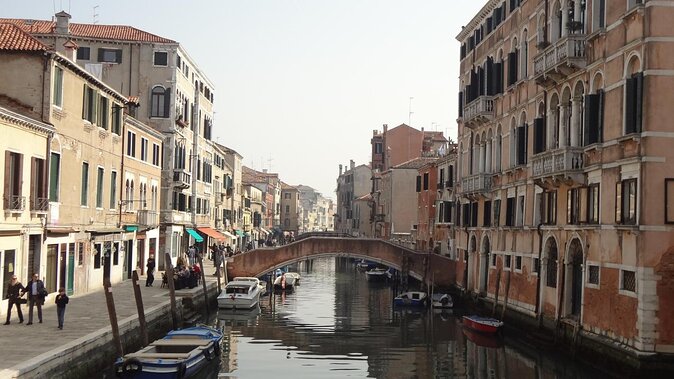
- A small group (max 12) keeps the walk relaxed and question-friendly.
- Three ghettos in one route gives you the bigger map of the neighborhood, not just one stop.
- Synagogue interiors are not included, but you’ll still get practical pointers to visit them later.
- You walk toward local daily life at Fondamenta dei Ormesini rather than leaving straight from the “site.”
- Food and culture show up near the end, including Jewish-influenced recipes, biscuits, and an art gallery stop.
Why Cannaregio’s Jewish Ghetto Story Still Feels Current
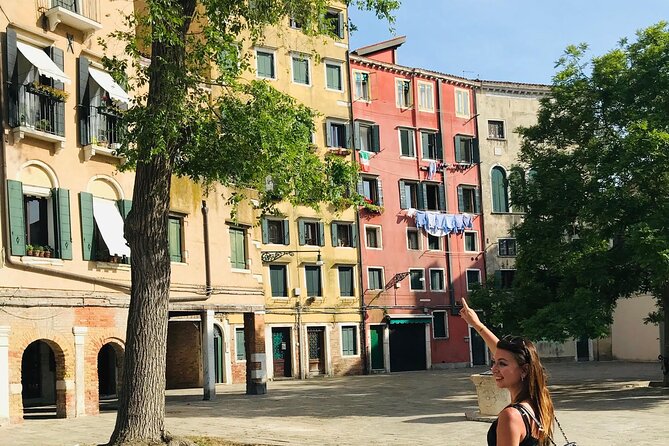
Cannaregio has a different mood than central Venice. It’s where you can find quieter stretches, views back toward the lagoon, and homes that still belong to local residents. That matters here because the Jewish Ghetto isn’t only about what happened long ago—it’s about how a community lived, worked, adapted, and pushed back against restrictions.
This tour is built around meaning, not just names. You’ll hear why the ghetto was placed in this area, what life looked like before the ghetto, and why Venice’s choices became a model for later history. Even if you only know Venice as a postcard city, you’ll leave seeing it as a place with hard chapters layered under the charm.
And yes, you’ll also get the human rhythm of the neighborhood. The walk ends in a waterfront stretch where the day keeps moving, so the story doesn’t stop at the last plaque.
You can also read our reviews of more walking tours in Venice



Meeting at Campo San Geremia and How the 2-Hour Pace Works
You’ll meet at Campo San Geremia and finish at Fondamenta dei Ormesini. The tour is set for about 2 hours, with short walking segments and focused stops along the way. This timing is ideal if you want real context without turning the day into a lecture marathon.
The small-group limit of 12 is one of the best parts of the experience. It means you’re not shouting over a crowd, and the guide can respond to questions as they come up. If you’ve ever been stuck behind someone taking 30 steps of photos, this setup usually feels calmer.
Also note the practical side: it’s offered in English and you use a mobile ticket. The route is near public transportation, which helps if you’re juggling a busy Venice itinerary.
Cannaregio Green Spots: Setting the Scene Before the Ghetto
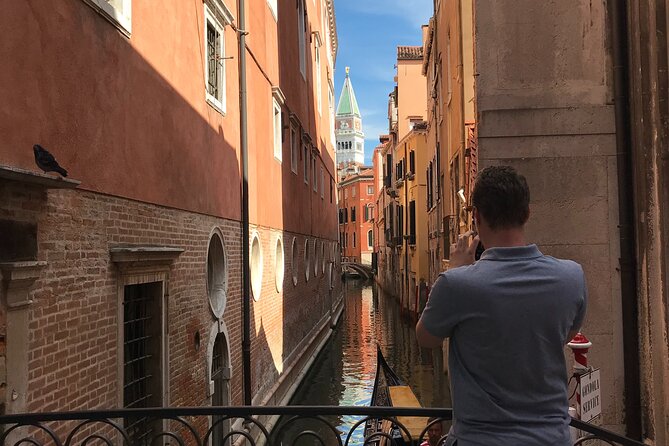
The first part of the walk starts in Cannaregio, with time around a green area that helps you understand how the Jewish community’s presence shaped this part of Venice. This is a smart warm-up. It gives you spatial context before you’re swallowed by the feeling of the ghetto itself.
You’ll also learn what the district looked like at the time of the ghetto, which changes how you read the streets. Venice can trick your brain—everything looks old and continuous, even when the history is actually made of forced turns and deliberate design. Starting with the “before” view helps you catch those differences.
If you’re the type who likes to understand the map in your head—where you are, why it’s there, and what came first—this early stop is a strong start.
Campo San Geremia to the Ghetto Threshold: Why Venice Created a System

At your next stop, you’ll gather in an authentic Venetian campo. From there, the guide sets up why the Jewish Ghetto exists specifically in Cannaregio, before you step into the area itself. This section focuses on the broader setup: Venice’s decision-making and the shift from a community living more naturally in the city to a community living under restriction.
I like that the tour doesn’t treat the ghetto like a single event. You’ll hear the transition from how Jews lived before the ghetto, then why and how Venice created what became the first ghetto of its kind in history. It’s not just background—it’s the lens that makes the later details click.
You’ll also spend time in another greenish area that you might not expect in a neighborhood famous for tight alleys and stone facades. That contrast helps the story land, because it shows that the ghetto was planned into the real geography of Venice, not dropped into nowhere.
Ghetto Ebraico Walk: Three Ghettos, Symbols, and Hidden Details
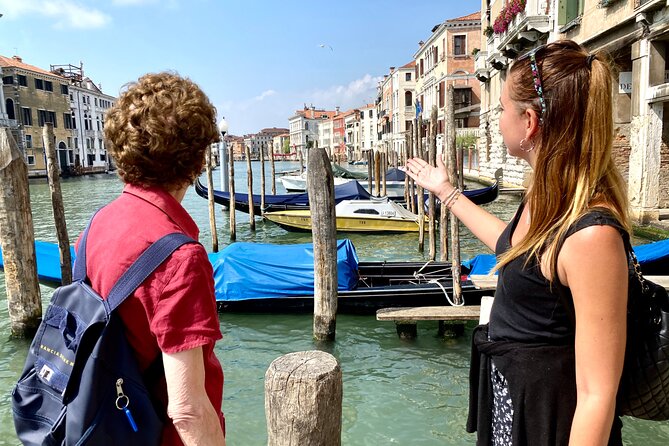
This is the core of the experience. You’ll take a unique walk through the area tied to the three ghettos of Venice—yes, three—while learning history, curiosities, and daily life. Expect lots of small revelations that change how you look at what’s around you.
The tour includes a focus on “how to read the neighborhood.” You’ll hear questions like: where the word ghetto comes from, who was the Doge at the time, and what symbols from that period look like when you spot them in the streets. You’ll also get references that connect the site to wider culture, including echoes people associate with Merchant of Venice.
One thing you should know up front: you won’t go inside synagogues or museums on this route. Still, the guide points out major details and explains how you can visit them. This can be great value if you’re trying to keep the walking tour separate from a longer museum or interior visit later.
Based on how the tour is structured, I think it’s best if you’re okay with the “walk + explanation” format. In the ghetto itself, the atmosphere can feel different fast. The guide’s job here is to help you understand why that change in mood isn’t magic—it’s history made visible in how the neighborhood is arranged.






Fondamenta dei Ormesini: When the Story Meets Waterfront Daily Life
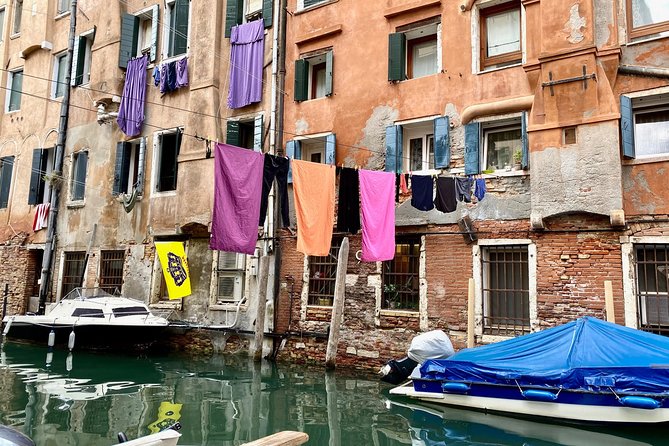
After the main ghetto walk, you end at Fondamenta dei Ormesini, a waterfront path that feels like local Venice. This final shift is important. It stops the tour from becoming only about past suffering and control, and it brings you back to what people still do here—walk, talk, eat, and live by the water.
Cannaregio has a reputation for being less crowded than the flashiest Venice corners. Ending by the waterfront reinforces that. You’ll likely enjoy a better sense of direction for the rest of your day too, since you’re not stuck in the most churned-up tourist loops.
If you like finishing a tour somewhere you’d naturally wander again, this ending point is a solid choice. It’s off the busiest tracks, but still connected to the Venice that visitors come to experience.
Food, Biscuits, and an Art Stop Near the End
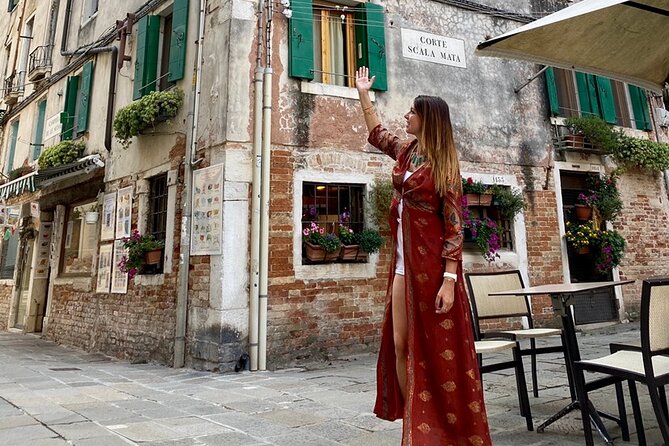
The tour includes a final cultural stop focused on Venetian recipes connected to the Jewish ghetto, along with unique biscuits made in the area and an art gallery. This is a nice change of pace. Instead of only learning about constraints, you get to see culture showing up through food and creativity.
I also appreciate that this part doesn’t pretend history is only tragedy. It acknowledges that communities make traditions, recipes, and art even under pressure. If you’re the type who remembers trips through what you tasted, this section gives your brain an easier hook than another stack of dates.
From what I’ve seen in real-world experiences with this guide, Lucia may also share practical food recommendations around the neighborhood—some groups even note a sweet treat at the end. Treat that as a bonus, not a guarantee, but it matches her overall style: history plus real-life guidance.
Price and Value: Is $71.35 a Good Deal?
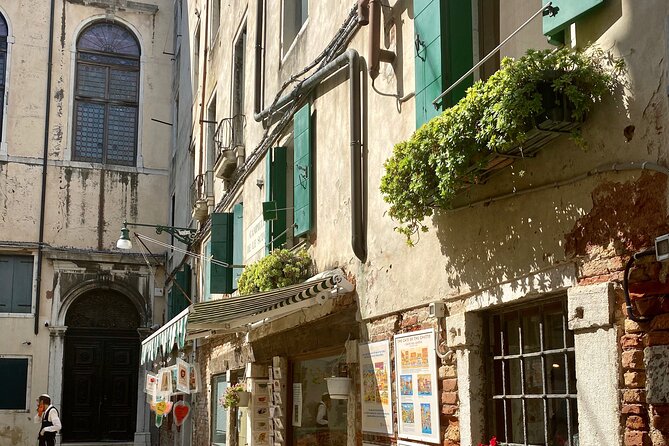
At $71.35 per person for roughly 2 hours, the value here comes from the guide and the structure, not from paid entrances. The tour focuses on walking, storytelling, and detailed site reading across multiple parts of the ghetto area, with explanations built for people who want context.
It’s also a small-group experience with a maximum of 12 travelers, which often matters in Venice. Crowds can make even an interesting area feel rushed. Here, the format supports a slower read of the neighborhood.
A practical add-on: Venice sometimes uses a €5 access fee on certain dates for day visitors staying outside the city. Your tour info points to the official system for which dates apply. So check before you go; otherwise you can get surprised when you’re ready to enter Venice.
Finally, remember that synagogue interiors and museum visits aren’t included. That can lower the cost of the tour itself, but it also means you’ll need to plan any interior visits separately if you want that extra layer.
Who This Tour Fits Best (and Who Might Want Another Option)
This experience fits best if you want the Jewish Ghetto as more than a photo backdrop. If you enjoy hearing why the ghetto was created in Cannaregio, how life changed, and what restrictions meant on the ground, you’ll likely love this format.
It’s also a good fit for mixed groups. The vibe works for adults, and the guide’s style tends to keep everyone engaged with story-based explanations and time for questions. If you travel with teens, you’ll probably appreciate that this isn’t just dates—it connects details to real places.
If, on the other hand, you want a more movement-first tour where you’re mostly walking between sights with minimal talking, this might feel a bit lecture-heavy. This is the trade-off: the tour’s strength is the context, and context requires time listening.
Should You Book This Jewish Ghetto Walking Tour?
I’d book it if you want a thoughtful, place-based understanding of Venice’s Jewish history, and you prefer a small group over a big crowd scramble. Lucia Bondetti’s role as a local expert trained by the Jewish Community and Rabbi is the backbone of the tour’s value, and the route’s combination of ghetto-focused streets plus an ending at Fondamenta dei Ormesini makes it feel complete.
I’d think twice if your ideal tour is mostly quick stops and minimal explanation. Here, you’re paying for interpretation as much as for movement. Also, plan around weather since the tour requires good conditions.
If you’re trying to cover Venice in a day, this walk is a strong anchor. It will give you a lens that makes the rest of the city easier to understand.
FAQ
How long is the Jewish Ghetto walking tour in Venice?
It runs about 2 hours.
Where does the tour start and end?
It starts at Campo San Geremia, 30121 Venezia VE, Italy and ends at Fondamenta dei Ormesini, 30121 Venezia VE, Italy.
How many people are in the group?
The tour has a maximum of 12 travelers.
What language is the tour offered in?
The tour is offered in English.
Is a mobile ticket used?
Yes, the tour includes a mobile ticket.
Are synagogue interiors included?
No. Interior visits to the synagogues are not included, but the guide provides detailed information about how to visit them.
Does the tour include food or local tastings?
The tour includes a segment about Venetian recipes of the Jewish ghetto, unique biscuits made in the area, and an art gallery stop.
Is the tour near public transportation?
Yes, it is near public transportation.
Is there a Venice access fee on certain dates?
On certain dates, day visitors staying outside Venice may be required to pay a €5 access fee. The tour info directs you to the official site for which days and exemptions apply.
Is service for weather and schedule changes available?
The tour requires good weather. If it’s canceled due to poor weather, you’ll be offered a different date or a full refund.