REVIEW · VENICE
Secret Gardens of Venice Walking Tour
Book on Viator →Operated by deTourist Venice Valerio Coppo · Bookable on Viator
Venice slows down in gardens. This tour is all about stepping into private gardens you can’t usually access on your own, and I love how Valerio (Venice-born) connects what you’re seeing to how local life fits around the plants. The main trade-off: it’s a walking tour, so if your legs are delicate, plan for a bit of effort and keep an eye on weather.
This 2-hour circuit is offered in English, capped at 15 people, and it starts at Casa di Riposo Cottolengo and ends near Venezia Santa Lucia. For $111.03 per person, you’re paying for a guided route plus entrance/access to garden spaces that are otherwise off-limits.
In This Review
- Quick hits: what you’ll remember
- Why these Venice gardens feel different
- The small-group pace and the route from Cannaregio to Castello
- Stop 1 in Cannaregio: the nuns’ garden with pergolas and fruit trees
- Stop 2: Parco Villa Groggia for a quieter stroll with performances nearby
- Stop 3: Giardini Savorgnan, Cannaregio’s former secret garden
- Stop 4: Rio della Misericordia, a garden center that explains Venice color
- Stop 5: Spazio Thetis, modern sculptures in a green oasis
- Stop 6: Giardino delle Vergini all’Arsenale with views over the docks
- Price and value: why $111.03 can make sense in Venice
- Who should book this Secret Gardens tour?
- Practical tips so you enjoy every stop
- Should you book it or skip?
- FAQ
- How long is the Secret Gardens of Venice walking tour?
- Where does the tour start and where does it end?
- Is the tour offered in English?
- How many people are in the group?
- What’s included in the price?
- Do I need to plan for any access fees for day visitors?
Quick hits: what you’ll remember
- Cannaregio nun garden access with fruit trees, flowered pergolas, and quiet shade
- Private garden access in central Venice that usually stays closed to the public
- A small group (max 15) for a calmer pace and more back-and-forth with your guide
- Lesser-known green stops like Villa Groggia, Savorgnan, and Rio della Misericordia
- Modern art in a garden setting at Spazio Thetis, near the northern lagoon
- Arsenale-area views from the Giardino delle Vergini gardens
Why these Venice gardens feel different
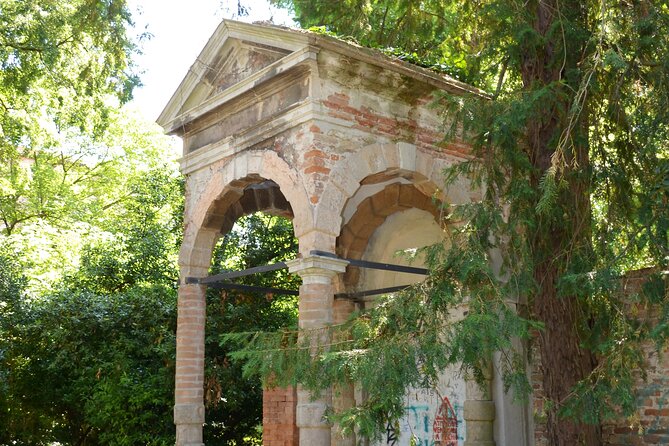
Venice has plenty of flowers and photo ops, but most visitors only see greenery from the street. This experience is built around the city’s interior life—walled gardens, villa grounds, and corners where locals actually spend time. You’re not just admiring plants. You’re learning why certain spaces exist where they do, and how the city makes room for shade, color, and quiet.
I especially like the variety. One stop is devotional and communal. Another is a villa park with cultural energy. Then you get practical plant-color talk at a garden center, followed by art and views toward the lagoon. It’s like seeing Venice through different lenses—each one a little more private than the last.
You can also read our reviews of more walking tours in Venice



The small-group pace and the route from Cannaregio to Castello
You’ll walk through central Venice across classic districts, moving roughly from Cannaregio toward Castello. It’s not a nonstop sprint; with a maximum of 15 people, the group stays manageable and the guide can slow down when questions pop up.
Plan on around two hours total, and know that the walk is part of the point: Venice is a city where “getting there” is half the experience. Also, the tour uses a mobile ticket, which is handy because Venice is already phone-heavy enough.
One practical note: this kind of route is more enjoyable when you arrive ready to wander. If your trip is packed with back-to-back museum entries, save this for a moment when you can give your full attention to small details—leaves, scents, textures, and the way light changes inside garden walls.
Stop 1 in Cannaregio: the nuns’ garden with pergolas and fruit trees
The first garden is the star for many people because it’s not just pretty—it’s accessible because someone inside opens the door for you. In Cannaregio, you’ll step into a hidden garden connected to a community of nuns. Expect a leafy interior world: fruit trees, walking shade under flowered pergolas, and plants described as mystic in nature (the guide will steer you toward what to look for).
What makes this stop work so well is the atmosphere. In Venice, silence is rare. Here, you get a pocket of it. You’ll likely spend enough time that the garden shifts from a “sight” into a place you can actually feel—like you’re walking through someone’s routine, not a sightseeing checklist.
This stop has an admission ticket included, so it’s the one where your money is most directly tied to access.
Stop 2: Parco Villa Groggia for a quieter stroll with performances nearby
After the sheltered garden feel, Villa Groggia gives you a different kind of green space. This is a less visited park area, paired with a charming villa and a theatre space that can host dance, music, and performances.
It’s a smart contrast: you get calm walking time, but you’re also reminded that Venice gardens aren’t only for private contemplation. They can be stages. Even if there isn’t a show running during your visit, the setting helps you understand how these places function in the city’s rhythm.
This one is free entry, which keeps the overall day from feeling like you’re paying again and again for access.
Stop 3: Giardini Savorgnan, Cannaregio’s former secret garden
Next comes the Giardini Savorgnan, described as a hidden park that once served as the secret garden of noble families surrounding their grand houses. That background matters because it changes how you look at the place. You start asking: what did they want from a garden like this—privacy, beauty, status, or a certain kind of daily refuge?
In practice, this stop is shorter, so it works best as a “slow look” moment rather than a long sit-and-stare event. Bring your attention. Notice how the path and structure guide you through space. In Venice, gardens are often designed as controlled experiences—little pathways of sightlines, shade, and scent.






Stop 4: Rio della Misericordia, a garden center that explains Venice color
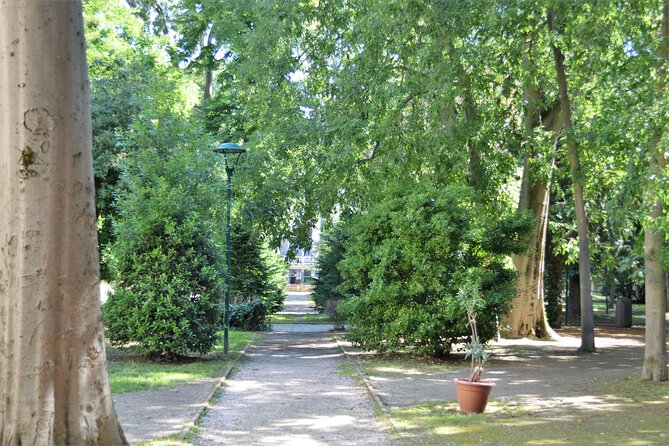
Then you shift from historic garden storytelling to a more everyday Venice angle at Rio della Misericordia. This stop is a garden center tucked into a corner of the city—exactly the kind of place you’d miss unless someone leads you there.
Here, the focus is on plants Venice uses to shape the seasons. You’ll hear about what Venetians pick for summer color—geraniums and surfinias—and what they choose to brighten winter fog: cyclamen. It’s small detail work, but it makes a big difference in how you imagine the city when you’re not standing in front of the flowers.
This stop being free is a nice bonus, but the bigger value is how practical it feels. You leave with a better sense of why Venice looks the way it does at different times of year.
Stop 5: Spazio Thetis, modern sculptures in a green oasis
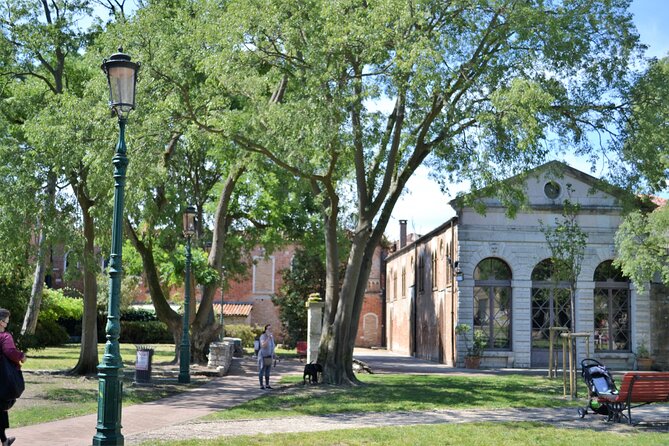
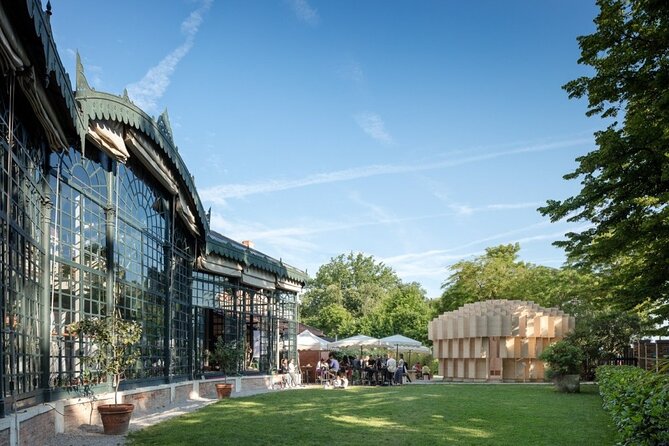
Spazio Thetis is where the tour gets contemporary. You’ll visit a hidden green oasis with modern art sculptures, in an off-the-beaten-path area facing the northern lagoon.
This stop is worth your attention because it changes the usual “Venice is only marble and murals” story. The gardens here aren’t just ornamental. They’re a meeting point for art and place. The lagoon-facing situation also helps you understand Venice’s geography—how water and wind create a different kind of atmosphere even when you’re surrounded by plants.
It’s also a good breather stop. After a couple of more historical or plant-focused spaces, art gives you a new way to interpret the scenery.
Stop 6: Giardino delle Vergini all’Arsenale with views over the docks
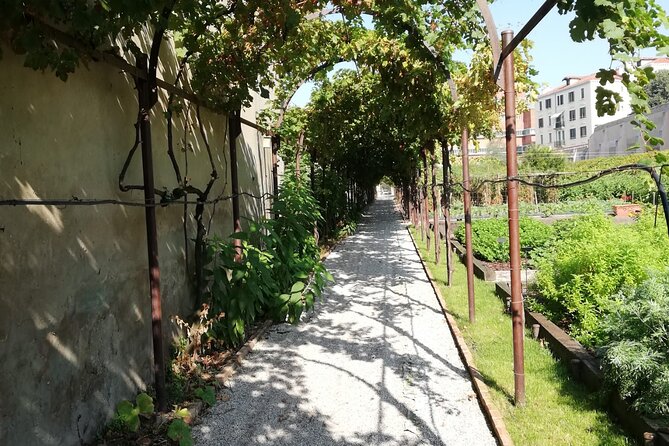
The final stop is the Giardino delle Vergini all’Arsenale, described as a piece of poetry made into a garden—with a fascinating view toward the Arsenale docks and walls.
This is a strong finish because it connects the garden world to Venice’s working-city side. Instead of ending with another walled-in shade pocket, you get a sense of the larger city frame around it: the scale of the Arsenal area, the heaviness of stone and infrastructure, and the way gardens soften that.
Even if you’re not an architecture person, the view helps you “place” the garden. You understand why it sits where it sits. It also gives your camera a different type of shot: not just plants, but plants with context.
Price and value: why $111.03 can make sense in Venice
At $111.03 per person for about two hours, this isn’t a low-cost stroll. But you’re paying for three main things that matter in Venice:
- Guided access to private gardens (the most expensive part of the experience is usually permission)
- A licensed guide plus a nature and interpretive guide, so you get both navigation and explanation
- A route built around garden variety, not just one courtyard you can photograph and leave
The itinerary also includes entrance/access for the first stop, and the rest are free entry stops. Even with that mix, the value comes from the access and the way the tour is structured—quiet spaces in central Venice without you having to guess which doors are worth asking about.
This also helps if you want something more meaningful than a basic canal walk. Venice’s best “hidden” moments often require local context, and that’s exactly what you’re buying here.
Group discounts may apply, and the tour is capped at 15 people—so it’s not a huge, loud herd. If you enjoy guided interpretation and care about seeing places you can’t reach independently, the price starts to feel fair.
Who should book this Secret Gardens tour?
This is ideal if you want a calmer Venice experience and you like learning while you walk. It fits well for couples, friends, and solo travelers who want a relaxed pace and time to look closely at plants, walls, and garden design.
It’s also a good pick if you’ve already done the big-name sights and want something that feels more personal—less checklist, more atmosphere. If your travel style is “walk until I find something better than I planned,” this will land nicely.
If you dislike walking tours or you need long rest breaks, consider that the experience is still a city walk with multiple stops. And because it depends on good weather, plan a flexible day.
Practical tips so you enjoy every stop
Wear shoes you trust. Venice surfaces can be uneven, and you’ll want steady footing when you’re moving between garden areas and passageways.
Bring water, even for a relatively short tour. You’re outside for multiple segments, and gardens can feel cooler or warmer depending on shade and wind.
You’ll also get more from the tour if you’re ready to pause. The best garden moments here aren’t the obvious ones you snap and move on from. They’re the quiet views: plant details, pergola shade, and the way the city frames each garden from the outside.
Finally, it’s worth booking ahead. On average, this tour is booked about 50 days in advance, which suggests you’ll want to secure your preferred date early—especially if you’re traveling in peak season.
Should you book it or skip?
Book it if you want a Venice day that slows you down and gives you access to quiet, private green spaces in central neighborhoods. The combination of small-group pacing plus real permission into gardens is the core reason to choose this tour.
Skip it only if you mainly want landmark views and don’t care about gardens, or if you’re likely to struggle with walking and time outdoors. Also think twice if your schedule is tight and you can’t adjust for weather, since good conditions are required.
If you’re the type who enjoys texture—flowers, leaves, stone walls, and views—you’ll probably come away feeling like you saw a side of Venice most people never notice.
FAQ
How long is the Secret Gardens of Venice walking tour?
It lasts about 2 hours.
Where does the tour start and where does it end?
It starts at Casa di Riposo Cottolengo, C. del Magazzen, 3539, 30121 Venezia, and ends close to the Venezia Santa Lucia railway station.
Is the tour offered in English?
Yes, it’s offered in English.
How many people are in the group?
The tour has a maximum of 15 travelers.
What’s included in the price?
The price includes a licensed tour guide and a nature and interpretive guide, plus entrance ticket and access to private gardens.
Do I need to plan for any access fees for day visitors?
On certain dates, travelers staying outside of Venice who are visiting for the day may be required to pay a €5 access fee. For details and exemptions, check the guidance at https://cda.ve.it.