REVIEW · VENICE
Morning Venice Walking Tour plus Doge’s Palace Guided Visit
Book on Viator →Operated by Insidecom srl · Bookable on Viator
9 a.m. Venice feels more manageable. This is a smart walking + Doge’s Palace combo that turns scattered sights into a storyline, with an expert guide leading you from the city’s key squares into the power center of the Venetian doges. I like how it gets you out early, plus I love the guided way you’ll walk across the Bridge of Sighs instead of just snapping photos and moving on. One thing to consider: it’s a collective group tour, so you’ll follow the pace and group flow.
If you want a first-day “get your bearings fast” plan, this fits well. You’ll start near Piazza San Marco, make quick stops like Basilica dei Santi Giovanni e Paolo, and pause at Campo Santa Maria Formosa (free) before your guided visit inside Palazzo Ducale. And yes, in summer, the morning start helps a lot with heat and crowd pressure.
In This Review
- Key things to know before you go
- Meeting at Calle Larga de l’Ascension: start clean, not stressed
- From Piazza San Marco area to Venice’s narrow streets
- Palazzo Ducale in depth: Doge’s power explained
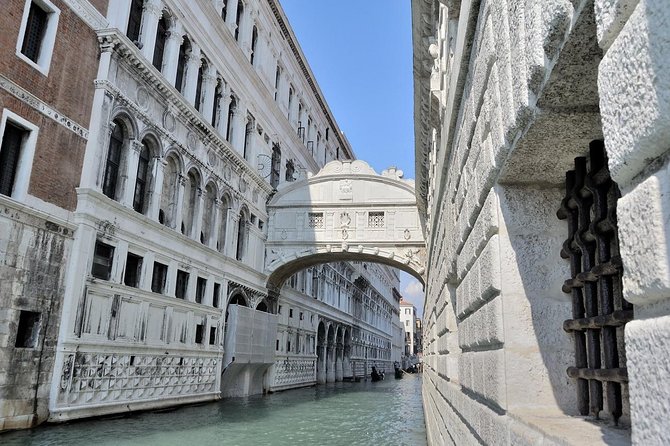
- Bridge of Sighs: the guided crossing you’ll remember
- Basilica dei Santi Giovanni e Paolo: a quick “pantheon” moment
- Campo Santa Maria Formosa: Venice’s bigger-than-it-looks square
- Marco Polo’s Il Milione: a story stop that adds meaning
- Price and value: is $118 a fair deal for this combo?
- Who this Venice morning tour suits best
- Should you book this Venice walking tour plus Doge’s Palace?
- FAQ
- How long is the Venice morning walking tour plus Doge’s Palace visit?
- What time does the tour start?
- Where does the tour meet and when does it end?
- Is Doge’s Palace admission included?
- Is entry included for Basilica dei Santi Giovanni e Paolo?
- Is Campo Santa Maria Formosa free to visit?
- What language is the tour offered in?
- Is the tour bilingual in winter?
- Is this a private tour?
- Will I need to pay an extra access fee to enter Venice?
Key things to know before you go
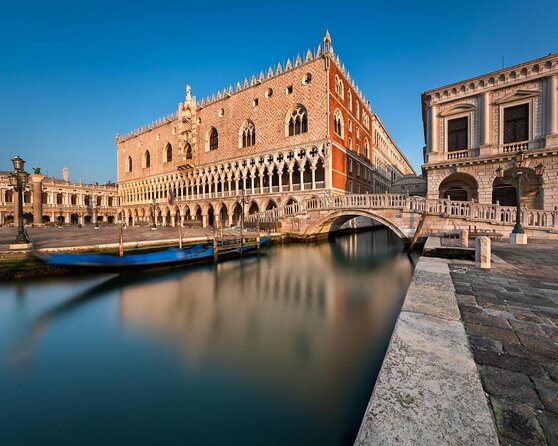
- Early start works: 9:00 a.m. is ideal when Venice gets loud later in the day.
- Two experiences in one window: city walking tour plus a guided Doge’s Palace visit, about 3 hours 15 minutes total.
- Included Doge’s Palace admission: you’re not hunting tickets mid-trip.
- Bridge of Sighs on the route: you’ll cross it as part of the guided flow, not as a random detour.
- Short, focused stops outside the palace: quick looks at places like Basilica dei Santi Giovanni e Paolo and Campo Santa Maria Formosa.
- Group size can be big: expect other people; headsets may help on busy days.
Meeting at Calle Larga de l’Ascension: start clean, not stressed
The tour meets at Calle larga de l’Ascension (30124 Venezia VE). It starts at 9:00 a.m., and the tour ends back at the same meeting point. That loop matters in Venice—when the day gets messy, you don’t want to be searching for where your tour “actually ends.”
Plan to arrive at least 10 minutes early. You’ll meet a representative who checks your vouchers and gives you what you need to start. If you’re the type who likes a calm arrival, this is a plus; Venice is easier when you’re not racing down lanes at the exact second your group is supposed to roll out.
Also keep in mind the practical rhythm of a walking tour: you’ll be on your feet for the full stretch, with brief pauses at each stop. On a rainy day (which can happen), you’ll still be doing street walking—so shoes with real grip help.
You can also read our reviews of more walking tours in Venice


From Piazza San Marco area to Venice’s narrow streets
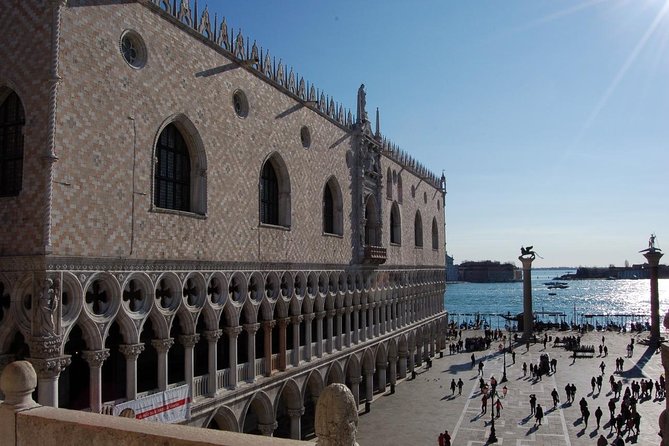
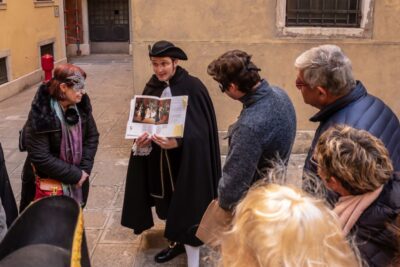
The early part of this tour is about orientation. You begin with a must-see stop tied to Piazza San Marco—then you shift into the maze that makes Venice feel like Venice. The guide’s job here is to connect what you see to what it meant, so you leave with a mental map instead of a memory of landmarks.
As you move, you’ll also get a story-based moment about Marco Polo—his life as an Italian traveller, writer, ambassador, and merchant. You’ll hear how the report of his journeys in the Far East was collected in Il Milione, described as a key geographical work compiled in Europe at the end of the 13th century about Asia. Even if you think you know the name, it’s useful to place Marco Polo in a broader Venice-to-the-world frame.
This walking segment is also where a good guide can make the difference. Some guides on this type of route are praised for avoiding the most crowded paths and keeping the group moving at an even pace. If you’re traveling with someone who hates getting stuck in lines, this early structure can feel like a relief.
One fair caution: the walking portion can feel less detailed than the palace visit. If you’re hoping for a minute-by-minute commentary on every bridge, you might find it a bit “big picture.” That said, it sets you up for the palace part much better than wandering on your own.
Palazzo Ducale in depth: Doge’s power explained
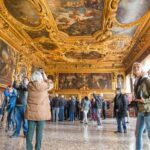
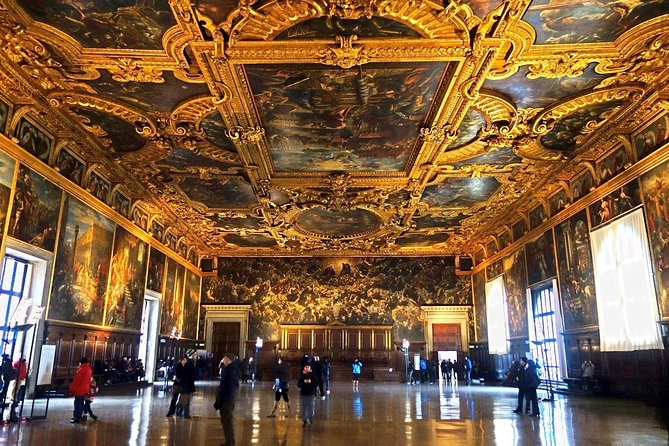
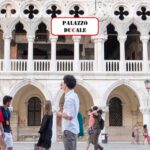
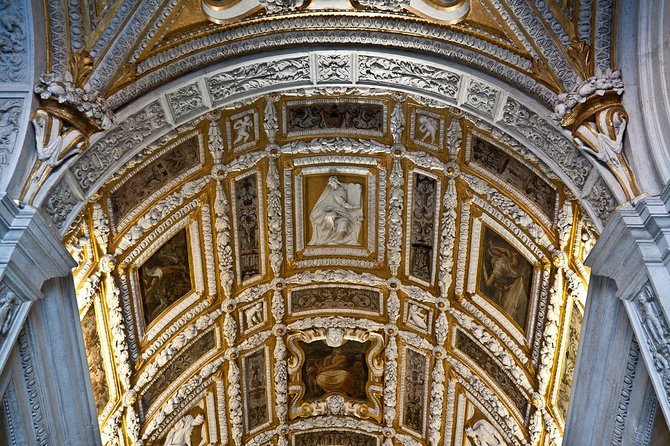
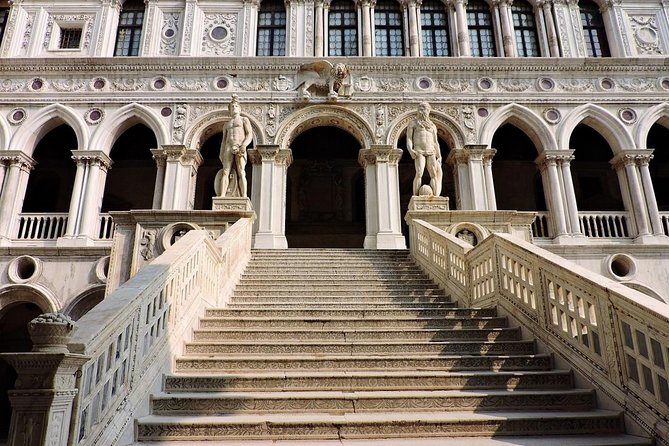
The heart of the tour is Palazzo Ducale (Doge’s Palace), with about one hour devoted to the guided visit. This is where the “why” clicks: Palazzo Ducale was the seat of the Venetian doges, so the building isn’t just pretty—it’s political power made stone.
I like the way this visit is timed inside your morning tour. You’re already thinking in terms of Venice’s institutions by the time you enter, so the palace doesn’t feel like a standalone museum stop. Instead, it becomes the logical destination after the streets, squares, and stories you heard earlier.
Admission is included, which is a big value lever here. Doge’s Palace tickets and timed entry can be a hassle—this tour removes that friction by bundling your palace access with a guide’s route.
What you should pay attention to: the guide’s framing. The palace works best when you understand how it functioned and who it served. On guided routes like this, you’ll also get a connection to the building’s famous bridge crossing as part of the broader storyline (more on that next).
No tour is perfect, and one downside to keep in mind: palace tour quality can vary with guide style and group flow. If you’re very detail-driven and dislike broad overview pacing, you may want to read between the lines and know this is designed for a group, not a one-on-one museum experience.
Bridge of Sighs: the guided crossing you’ll remember
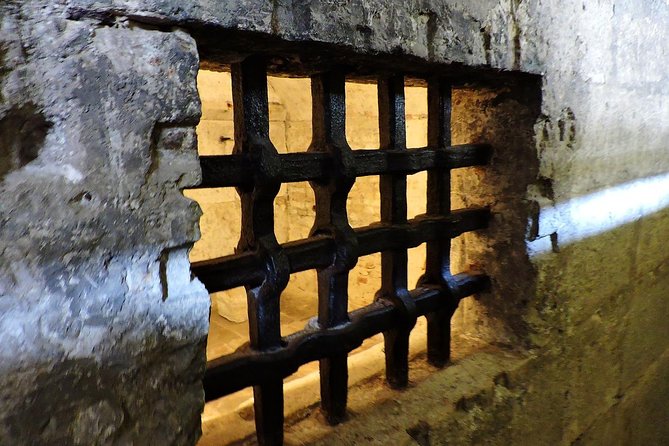
The highlights list includes a walk across the Bridge of Sighs. That’s one of those Venice moments that looks iconic in photos, but lands differently when you hear what it represents in Venice’s civic world.
Why I think this matters: Venice’s best sights often aren’t just about the view—they’re about context. A guided crossing helps you connect the bridge to the palace you just entered (or are about to enter) so it feels like part of a route, not a disconnected stop you rush through.
Also, this is a good example of why a combo tour is useful. You’re not paying for two separate experiences with different meeting points, different timing, and different entry rules. You’re paying for a single storyline that strings the city to the palace.
If you’re planning this as your first major palace visit, do it early in your trip when your head is fresh and your sense of direction is improving. After you’ve spent a day or two getting lost, you still can enjoy it—but you’ll appreciate the explanation less because you’ll already be running on instinct.
Basilica dei Santi Giovanni e Paolo: a quick “pantheon” moment
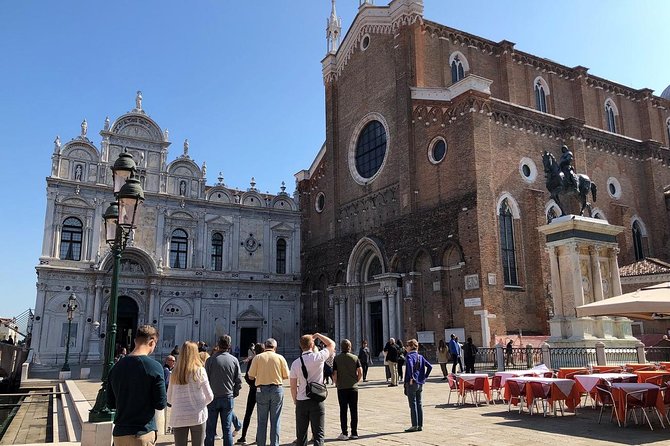
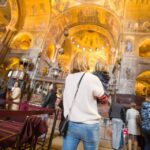
You’ll stop at the Basilica dei Santi Giovanni e Paolo for about 10 minutes. Admission isn’t included for this stop. That means you’ll get an exterior view and a short guided orientation, not a full independent church visit.
Still, this is a meaningful pause. The basilica is described as one of Venice’s most impressive medieval religious buildings, and it’s considered the city’s pantheon because many Venetian doges and other important figures have been buried there since the 13th century. It sits in the campo of the same name in the Castello district, and in September 1922 Pope Pius XI elevated it to the dignity of a minor basilica.
Ten minutes is short, so treat it like a guided “connect-the-dots” stop. You’re there to understand why the name matters and why it belongs on a Venice list alongside the grander well-known sites. If you’re a person who loves churches and wants time for artwork and details, you might enjoy adding extra independent time later on another day.
You can also read our reviews of more guided tours in Venice


Campo Santa Maria Formosa: Venice’s bigger-than-it-looks square
Next up is Campo Santa Maria Formosa, also about 10 minutes, and entry is free. This campo is in the Castello district and is one of Venice’s largest squares. What’s cool is how it connects: nine calli and eleven bridges branch off from it, with some bridges simply linking palace entrances to the square.
The name ties directly to the church of Santa Maria Formosa nearby, so this is a “Venice layout” stop as much as it is a “photo stop.” I love places like this because they show how Venice works at street level—how the city’s squares act like hubs that feed people into the canals and narrow lanes.
This stop also gives your legs a quick reset before the palace becomes the main event. In a city where everything is walking-distance but not always walking-easy, tiny breaks can keep the whole day enjoyable.
Marco Polo’s Il Milione: a story stop that adds meaning
One of the itinerary segments is dedicated to Marco Polo and Il Milione. You’ll hear that Marco Polo was an Italian traveller, writer, ambassador, and merchant, and that his Far East reports were compiled in Il Milione—a geographic encyclopedia that gathered the essential knowledge available in Europe at the end of the 13th century about Asia.
This is the kind of stop I enjoy because it ties Venice to the wider world. Venice wasn’t just a pretty set of canals—it was a trading and travel crossroads. When you link that to the doge system and Venice’s state power, the city’s global role starts to make more sense.
Even if your main goal is architecture and landmarks, this story element gives you something deeper than “I saw it.” It’s also a good example of what a guide can do: translate names and dates into a clearer picture of how Venice thought and acted.
Price and value: is $118 a fair deal for this combo?
At $118 per person, you’re paying for two things at once: a guided walking tour plus guided access to Doge’s Palace (with admission included). The value comes from removing decision fatigue. Instead of separately figuring out timing, ticket entry, and how much explanation you’ll get once inside, the tour bundles the pacing and interpretation.
You also get coverage that’s hard to replicate in one afternoon alone without planning. Venice is full of “looks impressive” sights, but the best payoff is when you connect them. This tour’s structure is built to do that: streets and story first, palace second, famous bridge crossing as the thread that ties it together.
Is it expensive? It’s not cheap. But you’re also paying for the one-hour guided palace portion, plus a guided morning framework that helps you enjoy your second day more. For many people, that “better future touring” effect is the real value.
One note for budget-minded planning: other stops (like Basilica dei Santi Giovanni e Paolo) do not have admission included, and Campo Santa Maria Formosa is free. That keeps the focus where it matters most—Palazzo Ducale.
Who this Venice morning tour suits best
This combo is a good match if you want a first-day plan that does two big tasks:
- Get oriented through Venice’s narrow lanes and bridge crossings
- Understand Palazzo Ducale with a guide rather than walking through the palace rooms as a silent visitor
It also suits people who like structure. The tour has a set start time, a defined flow, and you’re back near where you began.
If you’re traveling with someone who has strong opinions about pacing, be aware it’s a group tour. You’ll follow the itinerary and the group movement, and on busy days you may be surrounded by many other people. Reviews of this tour type often praise guide energy and the use of headsets when groups are large, which helps you stay engaged even in crowds.
And if you’re flexible and curious, you’ll probably appreciate the small narrative stops, like the Marco Polo segment, which adds meaning without extending your time too long.
Should you book this Venice walking tour plus Doge’s Palace?
Yes, I’d book it if you want a morning-first strategy and you care about understanding what you’re seeing at Doge’s Palace. The included palace admission and the Bridge of Sighs in the same flow are the big wins, and the early start is a practical edge against heat and crowd crush.
I would hesitate only if you’re extremely sensitive to group pacing or you expect a highly detailed, stop-by-stop lecture in every walking segment. This is designed as a blend: city orientation plus a stronger emphasis on the palace.
If you’re on a tight schedule and want one guided plan that covers the core “Doge’s Venice” experience, this is a solid fit.
FAQ
How long is the Venice morning walking tour plus Doge’s Palace visit?
It runs about 3 hours 15 minutes, approximately.
What time does the tour start?
The start time is 9:00 a.m.
Where does the tour meet and when does it end?
The meeting point is Calle larga de l’Ascension, 30124 Venezia VE, Italy. The tour ends back at the same meeting point.
Is Doge’s Palace admission included?
Yes. Doge’s Palace admission is included as part of the guided visit.
Is entry included for Basilica dei Santi Giovanni e Paolo?
No. The basilica stop is about 10 minutes and admission is not included.
Is Campo Santa Maria Formosa free to visit?
Yes. The Campo Santa Maria Formosa stop is listed as free.
What language is the tour offered in?
The tour is offered in English.
Is the tour bilingual in winter?
Yes. During the winter period (from November 1st to March 31st), explanations are provided in two languages if the group’s audience provenance is mixed.
Is this a private tour?
No. It’s a collective tour, meaning other participants will join your group.
Will I need to pay an extra access fee to enter Venice?
On certain dates, people staying outside Venice who plan to visit for the day may need to pay a €5 access fee. You’ll want to check the city’s official details and exemptions at https://cda.ve.it.