REVIEW · VENICE
Venetian Food and Wine Tour with a Local
Book on Viator →Operated by Nico Venice Tour · Bookable on Viator
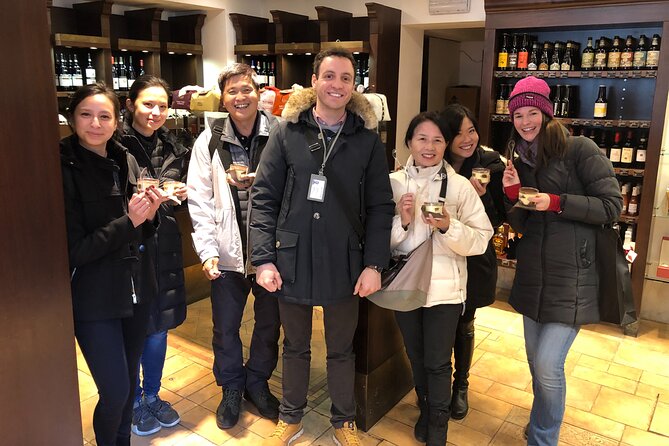
Venice tastes best when someone local holds the map. This Venetian Food and Wine Tour with a Local steers you through Cannaregio and the Venice Jewish Ghetto at a relaxed walking pace, capped at just 10 people so Nico can actually answer your questions. I like that it mixes real places to eat with specific history stops, so you feel like you’re learning and eating at the same time.
I also like the structure: bakery bites, two aperitifs (so yes, plan for drinks), a bacaro/bar stop, a dinner by a historic church, and then a finishing dessert near Rialto. One consideration: it’s a true food-forward outing. With a baked-good tasting plus dinner, it can feel like a full meal plan crammed into 3.5 hours—so don’t schedule a big lunch right before.
In This Review
- Cannaregio to the Ghetto: the Walk That Makes Sense
- Meet at San Geremia and Start With a Bakery Tasting
- Ghetto Ebraico: More Than a Name, With Real Context
- Fondamenta dei Ormesini: Where Venetians Do Aperitivo
- Campo dei Mori: Hidden Corners and Local Traditions
- Tintoretto’s House: Art History You Can Actually Picture
- Scuola Grande di Santa Maria della Misericordia: an Ancient Corner
- Dinner at the Church of Saint Mary of Miracles
- The Finish Near Rialto: Dessert at Campo S.S. Apostoli
- Price and Value: $185.82 for Real Stops, Not Just Talking
- What You’ll Actually Want to Do Before and After
- Who Should Book This Food and Wine Walk
- Should You Book Nico’s Venetian Food and Wine Tour?
- FAQ
- Where do we meet and where does the tour end?
- How long is the tour?
- What food and drink stops are included?
- How large is the group?
- Is the tour dependent on weather?
- Is there a Venice access fee for day visitors?
Cannaregio to the Ghetto: the Walk That Makes Sense
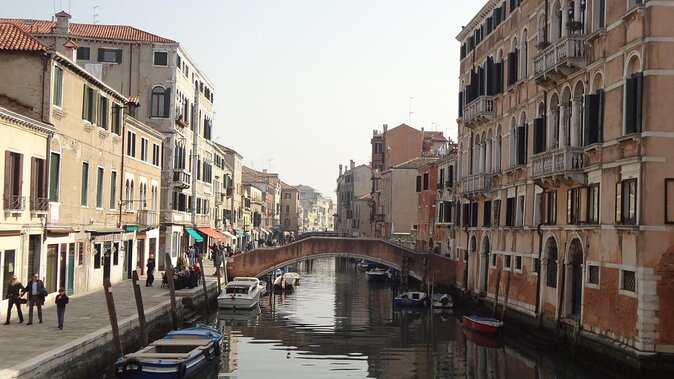
This tour’s route makes smart geographic sense. You start in Cannaregio, then work your way toward the Venice Jewish Ghetto area, before finishing close to Rialto Bridge and St Mark Square. That’s great because Venice can be confusing: one wrong turn and you’re wandering for ages. Here, the walking path is doing the heavy lifting.
The whole point is balance. You’re not just chasing landmarks. You’re seeing how different Venetian neighborhoods smell, taste, and sound. Cannaregio brings a more local vibe, while the Ghetto area gives you context for centuries of community life. And because the group is small (maximum 10), the tour avoids the usual herd-and-herd-again feel.
There’s also a practical benefit: most stops are short. You get little bursts of history and culture, then you head right into food. That keeps energy up, especially for a 3-hour-30-minute outing.
Meet at San Geremia and Start With a Bakery Tasting
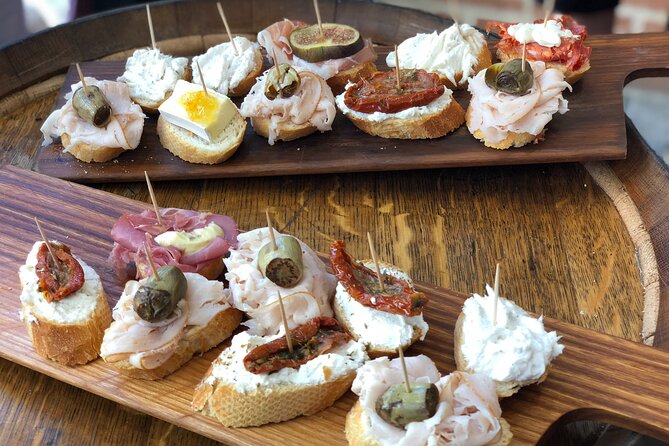
You begin right in front of San Geremia’s church in Cannaregio. The timing is set for a proper start (11:30am), which means you’ll be eating before the late-afternoon crowds really take over. It’s a good way to get your bearings fast, without waiting all day.
The first food stop is in the Ghetto area, where you’ll taste local products from a famous Venetian bakery. This is more than just a snack. Bakery tastings work well in Venice because they’re portable, easy to enjoy while walking, and they introduce you to the city’s pastry logic—flaky, sweet, and often built for coffee and conversation.
A small detail that matters: the tour ties what you’re tasting to where you are. That way, the food doesn’t feel random. You’re not just eating because someone has a schedule. You’re eating because this is part of how locals feed themselves.
You can also read our reviews of more food & drink experiences in Venice


Ghetto Ebraico: More Than a Name, With Real Context
The Venice Jewish Ghetto is a cornerstone stop. You’ll learn that the community’s presence dates to the 1500s, and you’ll hear how even the word ghetto has been misunderstood over time. That last part is important. Venice has a habit of using terms that sound obvious—until someone explains the origin and the meaning shifts.
You’ll also get that “quiet street” effect that Venice does best. Even when you’re not far from major sights, this area can feel tucked away. That makes the food tasting here feel more intimate, like you’re stepping into a place that still has daily life, not just photo backdrops.
Stop duration is about 20 minutes, so you won’t get stuck in explanations that drag. You’ll leave with a clearer mental picture of how this part of Venice fits into the city’s story—and with something tasty in hand while you’re learning.
Fondamenta dei Ormesini: Where Venetians Do Aperitivo
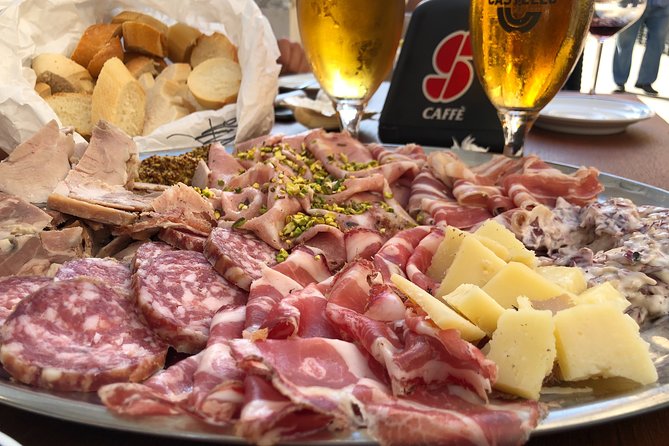
Next comes Fondamenta dei Ormesini, a canal-side alley that’s known for aperitifs. This is where your tour turns into a proper Venice evening-style routine, even if you’re starting at 11:30am. You’ll discover what a bacaro is and how these places work: short visits, lots of conversation, and a rhythm built around drinks and small bites.
This stop is also a sneaky win for first-timers. Venice can feel like a museum if you only look at buildings. Bacari help you see the city as a living, social place. You learn what people order, how they snack, and why the setting matters as much as the drink.
You’ll spend about an hour in this zone. That’s enough time to understand the vibe without feeling rushed into the next photo spot. And because the tour is small, you can usually hear the guide clearly and still keep up.
Campo dei Mori: Hidden Corners and Local Traditions
At Campo dei Mori, the tour shifts into the side-street Venice mode. This is described as off-the-beaten-path, an area where only Venetians walk and live. That doesn’t mean it’s empty or dead—it means you’re less likely to feel like you’re inside a theme park.
This stop is short (around 15 minutes), which is exactly right for a place like this. Small squares in Venice can be magical, but they can also blur together if you linger too long. Here, Nico gives you “why this matters” context, and then you move on while the moment is still fresh.
I like stops like this because they teach you how to navigate Venice after the tour. You start recognizing the shapes of neighborhoods, not just the names of streets.
Tintoretto’s House: Art History You Can Actually Picture
Then you’ll visit Casa del Tintoretto, where the famous painter lived. This is one of those stops that feels especially rewarding because it’s human-scale. It’s not just a painting behind glass; it’s the idea that artists had ordinary routines in these streets and rooms.
Tintoretto’s name comes up again in Venice because the city has many of his works, but the house visit helps connect that fame to place. You get a clearer sense of why artists mattered so much to the city’s identity.
This stop is only about 10 minutes, so don’t expect a lecture. Expect a quick but memorable anchor point: here lived the person behind the work you’ve seen in galleries around town.
You can also read our reviews of more tours and experiences in Venice




Scuola Grande di Santa Maria della Misericordia: an Ancient Corner
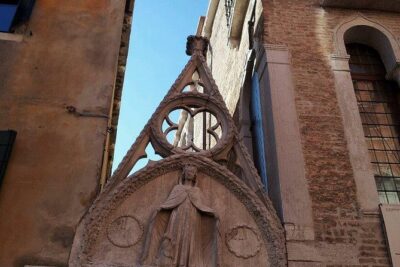
Next is Scuola Grande di Santa Maria della Misericordia, described as one of the older hidden constructions in Venice. You’ll be shown a corner with an older style feel, and that’s the point. Venice is full of big sights, but the smaller institutional buildings are often where you see the city’s long-term identity.
This is an about-20-minute stop. That’s long enough to get a sense of the structure and why locals would have cared, but short enough that your appetite stays on track for the next food segment.
If you’re the kind of traveler who wants more than the obvious checklist, this is a great “in-between” stop. You’ll leave with the sense that Venice has layers, and you just got shown one.
Dinner at the Church of Saint Mary of Miracles
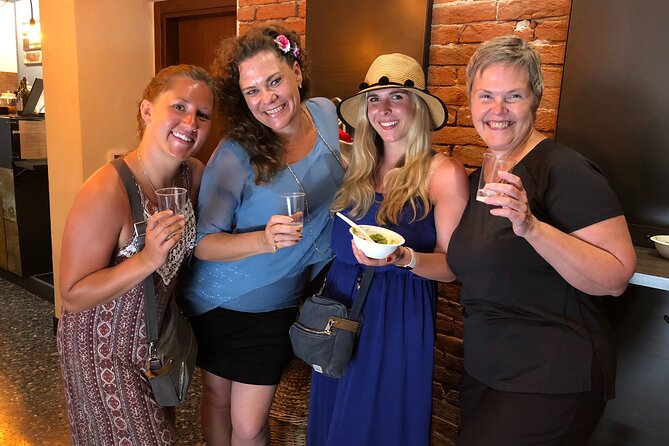
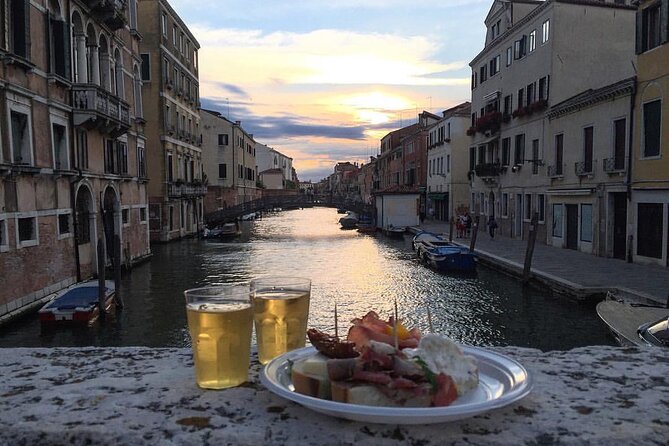
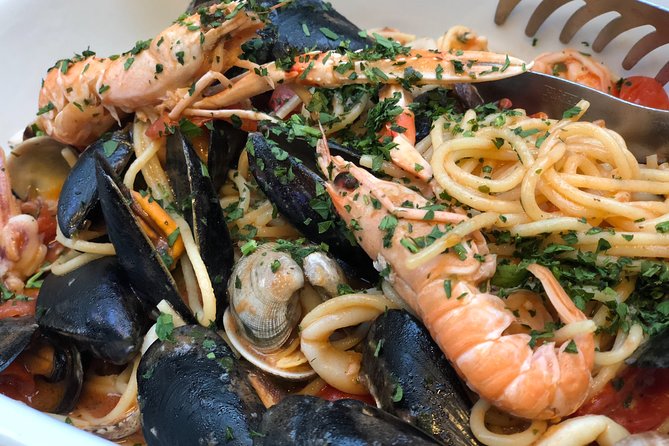
Later, the tour brings you to Church of Saint Mary of Miracles, which is framed as a local spot for having fun like Venetians, including a wonderful view. This is also the dinner anchor for the evening portion of the food plan, with about an hour set aside here.
Dinner in front of a historic church is a very Venetian choice. It creates atmosphere without making you feel like you’re sitting inside a staged dining room. And it helps you understand something important: food culture in Venice isn’t only about luxury. It’s about location, social flow, and picking the right place for the mood.
A note on expectations: this part is longer than the other stops, and it’s your main meal. If you’ve been nibbling the whole way, you’ll still have room, but go easy on extra snacks on your own right before the tour starts.
The Finish Near Rialto: Dessert at Campo S.S. Apostoli
The tour ends at Campo S.S. Apostoli, close to Rialto Bridge and St Mark Square, where the closing dessert happens. This timing matters because finishing near major sights gives you an easy next step. You don’t have to figure out where you are or how to connect to your next plan.
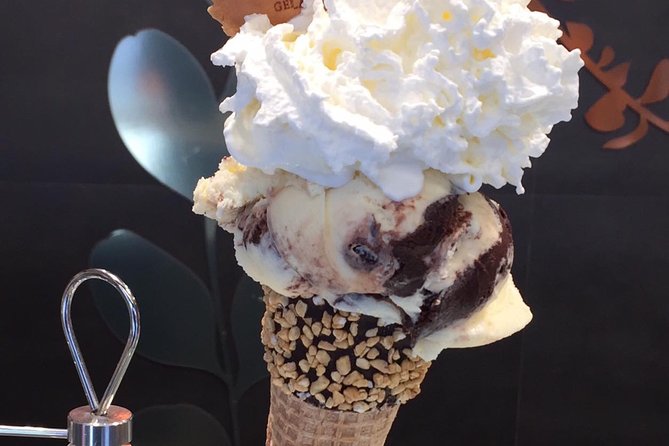
The final dessert is where the tour lands emotionally. After aperitifs, bacaro-style snacking, and dinner, you get a sweet capstone. In a city like Venice, dessert is part of the experience, not an afterthought.
The walking portion comes to a clean stop, too. The tour finishes near Rialto Bridge (ending around Campo San Bortolomio), which is convenient for heading onward by foot.
Price and Value: $185.82 for Real Stops, Not Just Talking
At $185.82 per person, this isn’t a budget snack tour. But it’s also not just paying for a guide’s script. You’re paying for multiple venues and guided timing that helps you eat in places you might not find on your own.
Here’s what makes the price feel more justified:
- You get bakery tastings plus a full dinner, not only small bites.
- You also get two aperitifs, which in Venice often means real drink stops tied to local culture.
- The group size cap (max 10 travelers) increases the odds you’ll get interaction, not just silence while you walk.
- You visit several specific spots that connect food to the city’s layout and community story, including the Ghetto and Tintoretto’s house.
There’s one more cost factor you should check before you go. If you’re a day visitor staying outside Venice, you might need to budget a €5 access fee on certain dates. That’s a Venice-wide policy detail, so it’s smart to confirm for your travel day.
Bottom line: if you want Venice food in actual local settings, guided and timed well, the value can make sense. If you want a light stroll with one or two tastes, this is probably more than you need.
What You’ll Actually Want to Do Before and After
I recommend arriving hungry enough to enjoy everything, not ravenous. The tour includes a lot of food: pastry tastings, baked goods, aperitifs, a bacaro stop, a dinner, and then dessert. If you eat a huge lunch right before, you may end up feeling overfull and less able to enjoy the later meal.
Wear shoes you trust. Venice streets can be uneven and slippery, especially near canals. This tour is a walking experience first, and food second in the sense that you’ll be moving between stops fairly often.
After the tour, you’ll be in a great spot to continue on your own near Rialto. Use that time to wander without stress, because your guide has already put you in the right neighborhood mindset.
Who Should Book This Food and Wine Walk
This tour is a great fit if you want:
- A small group experience with time to ask questions.
- Food that’s tied to where you are—Cannaregio and the Jewish Ghetto.
- A mix of culture stops (Tintoretto’s house, Scuola Grande, church area) plus multiple eating moments.
It may not be the best fit if:
- You prefer very light eating. This is built around real meal portions, including dinner.
- You strongly avoid alcohol. The tour includes two aperitifs, so your comfort matters.
- You’re traveling only for quick sights. This tour trades some landmark time for food and local context.
If you’re flexible and hungry for the way locals eat, it’s an easy yes.
Should You Book Nico’s Venetian Food and Wine Tour?
Yes, if you want a Venice evening-style food plan in a smaller, more human setting. I think the biggest win is the pairing of food with the Ghetto and Cannaregio geography, plus the stop variety: bakery, bacaro-style drinking, dinner in a church setting, and dessert near Rialto.
I’d say skip it if you’re shopping for minimal walking or you’d rather handle dinner on your own with zero structure. This tour gives you a lot of food and a lot of direction, and it works best when you let it.
If you book, do one thing: come with comfortable shoes and an appetite you can pace. Then you’ll get the point of Venice—how it tastes when someone shows you where locals actually go.
FAQ
Where do we meet and where does the tour end?
You start in Cannaregio, right in front of San Geremia’s church. The tour ends at Campo San Bortolomio, close to Rialto Bridge and St Mark Square.
How long is the tour?
It runs for about 3 hours 30 minutes.
What food and drink stops are included?
You’ll taste products from a local Venetian bakery, enjoy two aperitifs, visit a bacaro (bar), have dinner near a historic church, and finish with an artisanal dessert. You’ll also have baked good tastings along the way.
How large is the group?
The tour caps at a maximum of 10 travelers.
Is the tour dependent on weather?
Yes. The experience requires good weather. If it’s canceled due to poor weather, you’ll be offered a different date or a full refund.
Is there a Venice access fee for day visitors?
On certain dates, some visitors staying outside Venice may need to pay a €5 access fee. The tour notes this can depend on the day, and you should check the city details for your travel date.