REVIEW · VENICE
Ancient Venice and Its Spices: Cooking Class and Market Tour
Book on Viator →Bookable on Viator
Spices and pasta in a real Venice home. You’ll start at the Rialto Market with Massimo, taste Veneto favorites like cheese, salami, honey, and marmalades, then cook fresh pasta and eat a three-course lunch with unlimited homemade wine. One watch-out: this class is not suitable for celiacs.
I especially like that the cooking happens in an ancient Venetian house with a stay with a local, so it feels less like a show and more like learning from someone’s routine. It’s also small—up to 20 people—so you actually get time to ask questions while you work.
In This Review
- Key moments to look forward to
- The Rialto Market start: where your lunch gets real
- Meeting Massimo and settling into a local rhythm
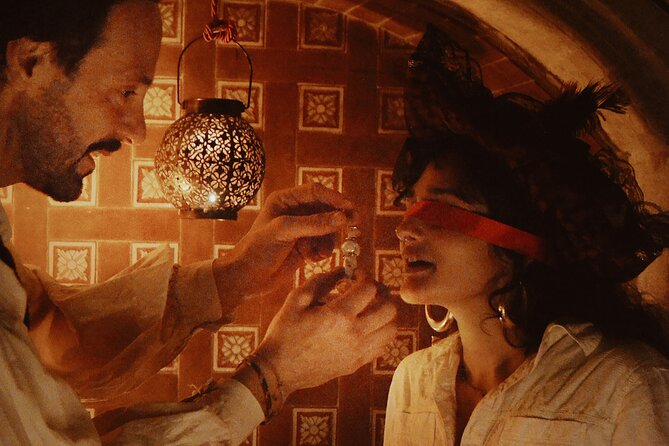
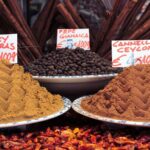
- Spices you’ll remember: saffron, cumin, turmeric, cloves, and nutmeg
- Focaccia and pasta: the hands-on cooking portion
- The three-course lunch: what you actually eat
- Wine during lunch: homemade and meant to match the food
- Market tour logistics and pacing: what feels easy, what might be tricky
- Price and value: is $108.43 a good deal?
- Who should book this class (and who should skip it)
- Practical tips for a smoother experience
- Should you book this Venice cooking class?
- FAQ
- How long does the Ancient Venice and Its Spices cooking class last?
- What does the tour cost?
- Where do I meet for the tour?
- Is the market tour included?
- What will I eat and drink?
- Can you handle dietary restrictions or allergies?
- What happens if the weather is poor?
Key moments to look forward to
- Rialto Market ingredients first: you shop and taste before you cook.
- Spice lessons that match the recipes: saffron, cumin, turmeric, cloves, and more.
- Hands-on fresh pasta: pesto (including rucola pesto) or seafood options.
- A full three-course meal with wine: homemade wine, unlimited during lunch.
- Cooking in a real Venetian home: ancient house setting, away from the biggest tourist lanes.
The Rialto Market start: where your lunch gets real
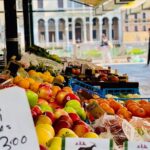
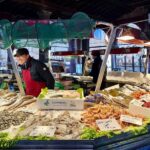
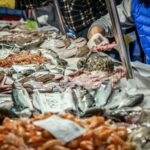
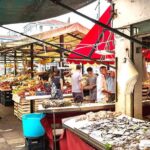
Your morning begins at Campo San Giacomo di Rialto, close to the Rialto area. You’ll meet your host and then head to Mercati di Rialto to shop for the ingredients that shape the meal. This matters more than you might think. Venice has plenty of good food, but most visitors only taste the end result. Here you build the meal from scratch, ingredient by ingredient.
At the market, you’re not just walking through stalls. You sample things like market salads, and you’ll run into flavor cues tied to the region—cumin and fennel show up early, and edible flowers make appearances as well. You also learn how the Veneto area shines with simple, high-quality staples: cheeses, salami, marmalades, and honey.
A great sign that this tour is aimed at food lovers: the spices aren’t treated like random seasoning. You’ll hear how Venice’s position as a crossroads for the spice trade connected to what ends up on tables in Veneto cuisine. That context makes the cooking feel smarter, not just messier.
You can also read our reviews of more shopping tours in Venice
Meeting Massimo and settling into a local rhythm
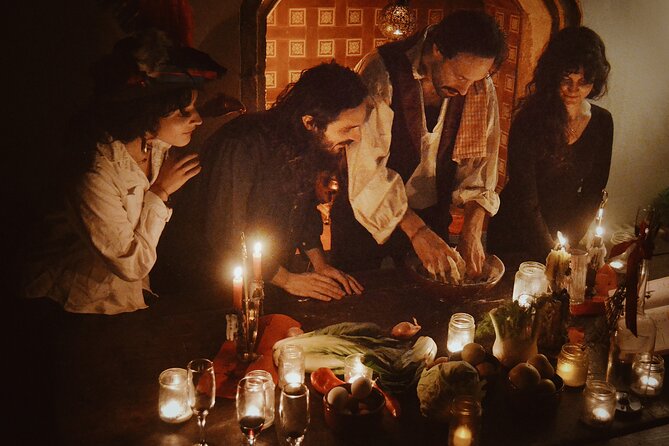
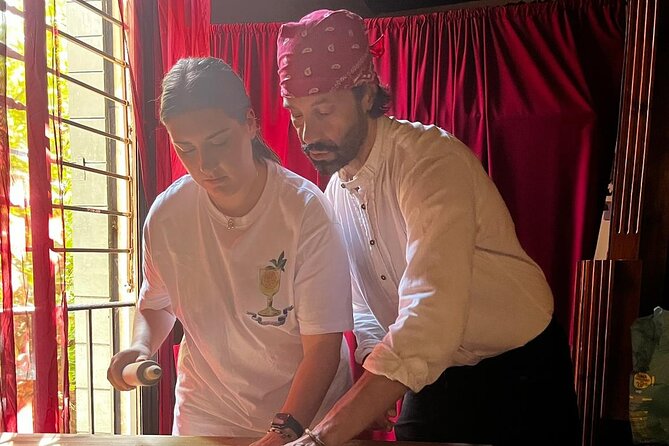
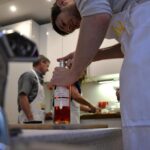
The heart of the experience is cooking with Massimo in his home, not in a standard classroom. You’ll move from the market into the winding streets and into an ancient Venetian house where the day actually unfolds. Reviews emphasize Massimo’s mix of humor and food storytelling, and the structure supports that: you get the spice history while your hands are busy.
Because this is in a residential setting, the pacing feels more natural. Instead of sprinting through attractions, you slow down. You taste, you chop, you shape pasta, you ask questions, and then you eat together.
Also, with a maximum of 20 people, the group stays manageable. For a hands-on activity, that’s a big deal. It’s the difference between getting lost in the crowd and actually participating.
Spices you’ll remember: saffron, cumin, turmeric, cloves, and nutmeg
If you’re the type who buys spices and then forgets what to do with them, this part is why the class is worth your time. The host ties spice names to dishes as you go, so you leave with mental handles, not just a bag of jars.
Expect the day to include discussions around spices like saffron and cumin, plus others that show up in pasta sauces and desserts—turmeric, cloves, and nutmeg are specifically mentioned as part of the cooking choices. You may also see citrus and even less-familiar directions in seafood-based recipes, where the spice pairing is part of the decision process.
There’s even a memorable example of how creative Veneto flavors can be: marmalade of mandarin with chili and saffron. You don’t have to be adventurous with food to appreciate this. It shows the logic of the cuisine: sweet meets spice, and the balance is the point.
Focaccia and pasta: the hands-on cooking portion
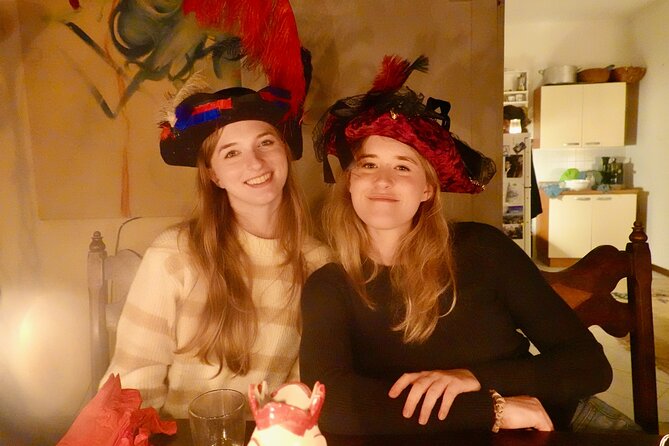
You’ll start with focaccia, including a style referenced as alla Nona. This is a key stage because it sets the mood: the class isn’t only about pasta. You learn how bread-flour choices and herbs like rosemary connect to centuries of local practice.
After focaccia, it turns into fresh pasta. You’ll see and then help with the process of making handmade pasta. This is one of the biggest values here. Dry pasta is easy to cook anywhere. Fresh pasta requires technique, and you get that technique with a real instructor who’s focused on your group—not on selling a ticket and moving you along.
For the sauce, the menu is flexible. You can end up with pesto, including rucola pesto, or a seafood option. There’s also mention that spice blends can shift depending on what you decide together, with examples tied to flavors like cloves and citrus.
The class structure also helps you avoid decision fatigue. You’re not left alone to figure out what sounds good. The host guides you through choices so you can stay present during the cooking instead of constantly asking for advice.
The three-course lunch: what you actually eat
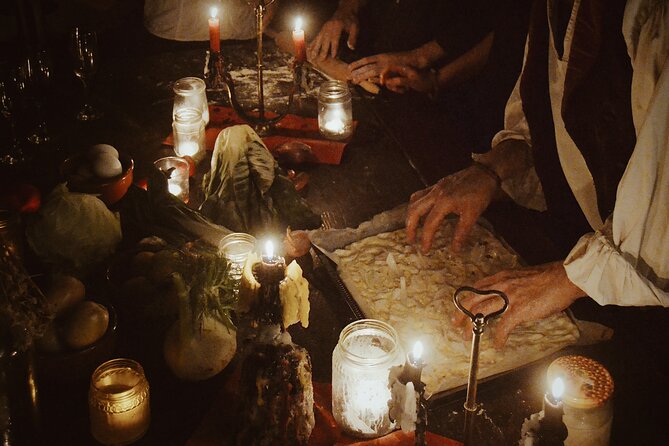
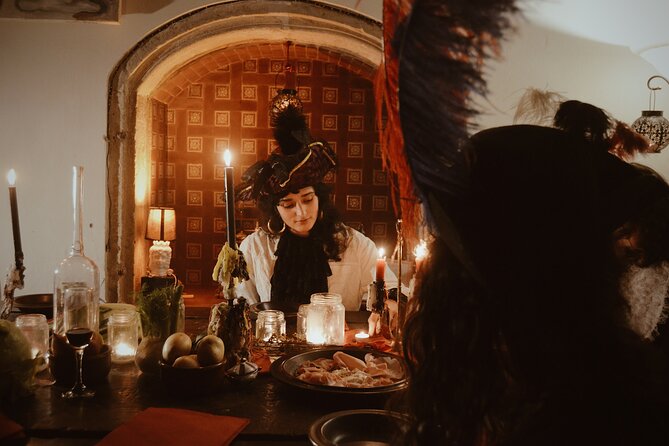
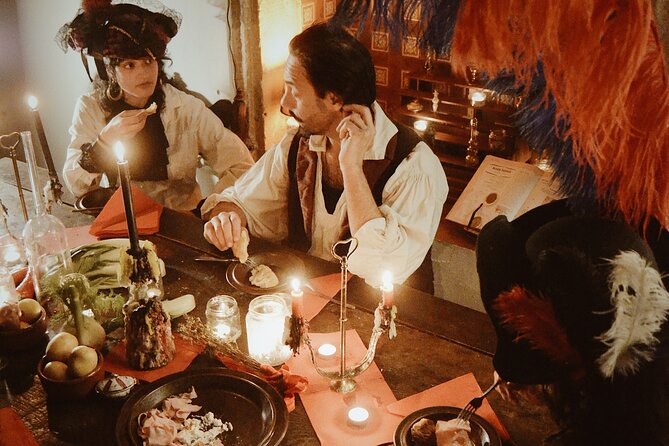
The meal is served as a full lunch, not a couple bites. You’ll eat in the home together, and the courses are designed to match what you cooked and tasted earlier.
Here’s what you can expect the day to include:
Starter ideas include fresh salads from the market, plus tasting flights of regional delicacies. Spices show up in this stage too, since the day is built around connecting flavor stories to food.
For the main course, handmade pasta is the headline. You might have pesto-based pasta (rucola pesto is specifically mentioned) or a seafood sauce. There’s also a described approach where the sauce spices and ingredients can change based on group choices, including examples like cloves and citrus, and even a local shark preparation in the conversation.
Another main element is focaccia again, this time described with ancient types of flours and flavors like rosemary. Think of it as part bread, part comfort food, and very much part of the old-school Italian pattern of not wasting any edible parts.
Dessert rounds it out with ricotta honey, figs, and hazelnuts, with spices like turmeric and lavender described as part of the flavor plan. It’s an interesting ending because it signals that the spice story doesn’t just belong to savory dishes.
You can also read our reviews of more tours and experiences in Venice
Wine during lunch: homemade and meant to match the food
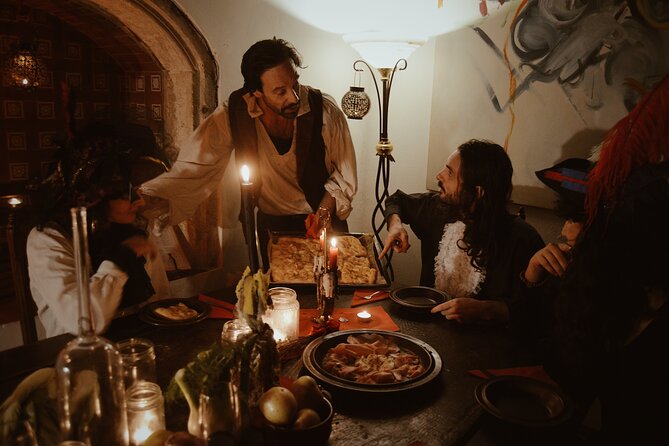
You’ll get unlimited wine during the meal, and it’s described as homemade production. That alone can shift your perception of the lunch. Instead of treating wine as a separate add-on, it becomes part of the rhythm.
Some details from the experience point to family-style hospitality—one account includes a bottle shared from a vineyard. Even if you don’t get that specific wine variation on your date, the core point remains: wine is part of the meal flow, not an optional extra.
If you’re the kind of traveler who prefers tastings to drinking heavily, you can still enjoy this. The class gives you enough structure to sip without turning your day into a blur.
Market tour logistics and pacing: what feels easy, what might be tricky
This activity is listed at about 3 hours 30 minutes. That’s a sweet spot for Venice. It’s long enough to do real cooking and eat properly, but short enough that you can still plan other sights the same day.
The tour includes a market tour if that option is selected. Either way, you’ll be centered on Rialto Market, and you’ll start from Campo San Giacomo di Rialto. Since this is near public transportation, getting there is usually straightforward.
What to consider:
- You’ll be on your feet at least part of the time, including in and around the market.
- You should come hungry. This is lunch, with multiple courses and homemade wine.
- The day needs good weather. If weather goes sideways, the experience may be offered on a different date or you get a full refund.
Also note: there’s no hotel pick-up or drop-off included. You’ll want to be able to reach the meeting point on your own.
Price and value: is $108.43 a good deal?
At $108.43 per person, this isn’t the cheapest thing in Venice—but it’s also not trying to be. You’re paying for multiple layers of value:
You’re getting ingredients shopping and tastings connected to the meal. You’re cooking in a private, ancient home setting with a local host. And you’re eating a full three-course lunch with unlimited homemade wine.
A class that only teaches technique and gives you a small snack would cost less and feel thinner. This one aims at the full loop: market → cooking → seated meal. On top of that, there’s room for customized menu handling for allergies and restrictions.
The only major mismatch I’d watch for is celiac suitability. It’s specifically noted as not suitable for celiacs, so if that applies to you, I’d look for a different option.
Who should book this class (and who should skip it)
This cooking class is a strong match if you want Venice beyond the postcard routine. You’ll get hands-on pasta making, a spice-focused lesson, and an actual meal experience in a home setting.
It’s also a good fit if you like guided food stories. The spice trade context and the way flavors are explained while you cook are the kind of learning that actually sticks.
You should think twice if you have celiac disease, since the class is not suitable for celiacs. If you have other dietary restrictions, the menu can be customized, but you should confirm details directly when you book.
Finally, if you hate crowded group tours, the cap of 20 travelers (and the possibility of a private class) can make this feel calmer and more personal.
Practical tips for a smoother experience
Here are a few simple moves that help you get the best out of the day:
- Plan to arrive a few minutes early at Campo San Giacomo di Rialto so you don’t feel rushed.
- Wear comfortable shoes for market walking and narrow streets.
- If you have allergies or restrictions, submit them during booking so the menu can be adjusted.
- Come with an open mind about spices. The class is built around saffron, cumin, turmeric, cloves, and nutmeg, plus flavor pairing decisions you’ll discuss during cooking.
Also, if you’re serious about going, don’t wait. This is typically booked about 84 days in advance on average, so popular weeks can fill up.
Should you book this Venice cooking class?
Yes, if you want a practical, food-first Venice experience that goes beyond tasting. The value is in the full arc: Rialto Market shopping, spice lessons tied to what you cook, fresh handmade pasta, and a real three-course lunch with unlimited homemade wine.
I’d only skip it if celiac disease affects your diet, or if you’re looking for a quick, no-effort activity. This is interactive. You’ll cook. You’ll taste. Then you’ll sit down and eat like it matters.
If that sounds like your kind of day, book it early and bring your appetite.
FAQ
How long does the Ancient Venice and Its Spices cooking class last?
It lasts about 3 hours 30 minutes.
What does the tour cost?
The price is $108.43 per person.
Where do I meet for the tour?
The meeting point is Campo San Giacomo di Rialto, 30125 Venezia VE, Italy.
Is the market tour included?
A market tour is included if you select that option.
What will I eat and drink?
You’ll have a three-course lunch (including items like fresh salads, handmade pasta, focaccia, and dessert such as ricotta honey with figs and hazelnuts). You’ll also have unlimited homemade wine.
Can you handle dietary restrictions or allergies?
The menu can be customized for allergies and restrictions. However, it is not suitable for celiacs.
What happens if the weather is poor?
The experience requires good weather. If it’s canceled due to poor weather, you’ll be offered a different date or a full refund.