REVIEW · VENICE
Cesarine: Home Cooking Class and Meal with a Local in Venice
Book on Viator →Operated by Cesarine: Cooking Class · Bookable on Viator
Venice smells like sea air, but this experience smells like dinner plans. In a local home near Rialto, you’ll cook classic Venetian dishes, then eat them with wine.
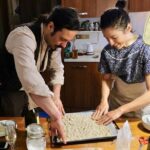
What I like most is the hands-on teaching in a small group (max 12), so you’re not watching from the sidelines. I also like the focus on real Venetian staples like fresh pasta and a traditional dessert—not just a quick tasting.
One thing to consider: this class moves at the pace of dough, sauces, and resting time. That can mean a longer stretch standing in the kitchen waiting for pasta to finish. If you’re sensitive to heat, double-check whether the home has air conditioning.
In This Review
- Key highlights worth your attention
- Venice Cooking Class, Rialto Meeting Point, and Getting to the Home
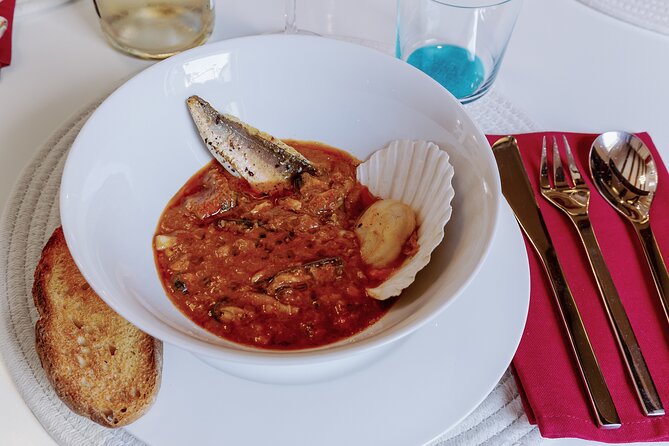
- What You Really Cook: Cicchetti, Fresh Pasta Choices, and a Real Dessert
- Starter (seasonal) and the Venetian rhythm
- Fresh pasta: the class menu includes big-name Venetian options
- Cicchetti: small bites, big learning
- Dessert: Venetian-style sweets, often one of several classics
- The Meal Setup: Wine Pairing, Espresso, and How the Timing Usually Feels
- Your Host Matters: The Names Behind the Teaching Style
- Price and Value: Why $215.66 Can Make Sense (or Not)
- Who This Cooking Class Is Best For
- Practical Tips That Make the Difference in Venice
- Should You Book Cesarine: Home Cooking Class and Meal with a Local?
- FAQ
- How long is the cooking class?
- What does the class include?
- What language is the class offered in?
- Is the group large?
- Where do we meet?
- Is hotel pick-up or drop-off included?
- Is this a private class?
- What types of pasta and dessert might we make?
- Are alcoholic drinks included?
- Is there free cancellation?
Key highlights worth your attention
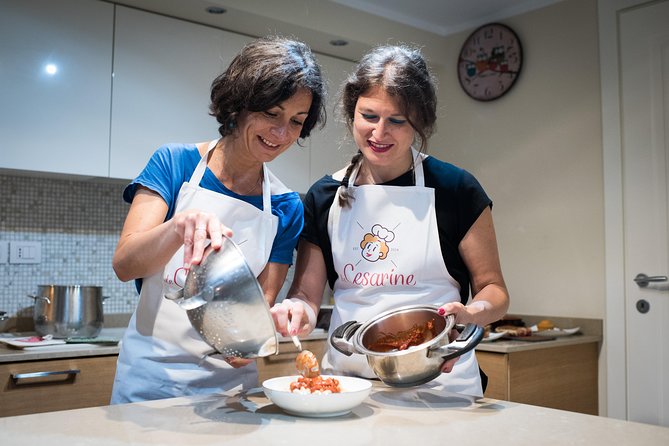
- Hands-on cicchetti practice: you’ll make small Venetian bites, not just one dish
- 3 recipes, full cycle: starter, fresh pasta (bigoli/risi e bisi/gnocchi options), and a Venetian dessert
- Local wine + espresso: a proper pairing with dinner, not just water on the side
- Small group size (max 12): more time with your host and less waiting your turn
- Rialto-area meeting point: easy to get to, and typically connected to a water-taxi approach
- Recipe and equipment take-home: you may leave with a written list and purchase ideas from your host
Venice Cooking Class, Rialto Meeting Point, and Getting to the Home
This starts at Chiesa di San Giacomo di Rialto (Campo S. Giacomo di Rialto, 30125 Venezia). It’s a practical anchor point because it keeps you out of the endless Venice guessing game. From there, you’re led to the home kitchen where the cooking actually happens.
A big part of Venice is logistics. This class is designed for that reality: it’s not built like a big tour bus event. You’re going to be walking in a concentrated area, and you’ll want to be comfortable with short, repeated steps. Also, because this is in a private home, there’s no hotel pickup.
In past sessions, hosts have guided people to the home with clear instructions, and the location is conveniently reachable by water taxi. That matters because, in Venice, the “fastest” route is often the one that avoids tricky walking. If you’re arriving from elsewhere in the city, check your plan so you’re not sprinting to make the start time.
If you’re visiting Venice as a day tripper staying outside the city, there can be a €5 access fee on certain dates. It depends on the day you come in, so check the official site listed in your booking details before you go. It’s one of those small “surprise costs” that’s easy to avoid with a quick look.
You can also read our reviews of more cooking classes in Venice

What You Really Cook: Cicchetti, Fresh Pasta Choices, and a Real Dessert
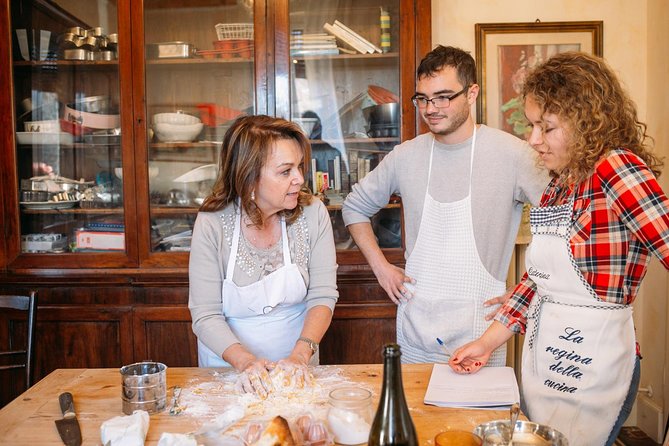
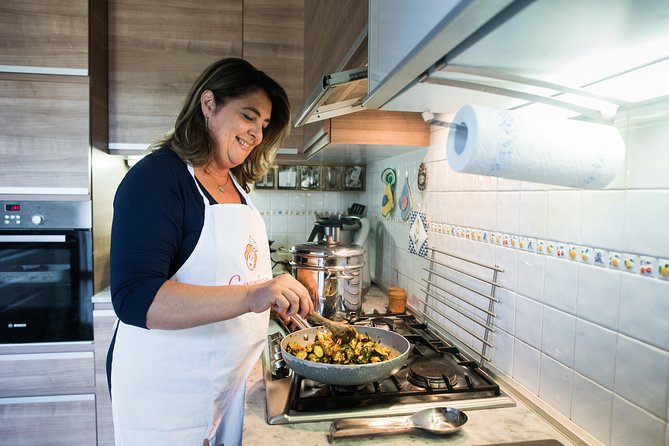
Here’s the heart of it: you’re not assembling plates at a restaurant counter. You’re cooking Venetian dishes in a home kitchen with a host who knows why the food works.
Starter (seasonal) and the Venetian rhythm
You’ll begin with a seasonal starter. The exact dish can vary, but the point is the same: you learn the flavors and techniques that make Venetian food feel distinct, even when it’s simple.
Venice cooking is often about balance and freshness: you taste and adjust as you go, not after the fact. That’s why the host’s guidance matters. If you’re a nervous cook, you’ll usually feel calmer once you see how they break steps into do-able parts.
Fresh pasta: the class menu includes big-name Venetian options
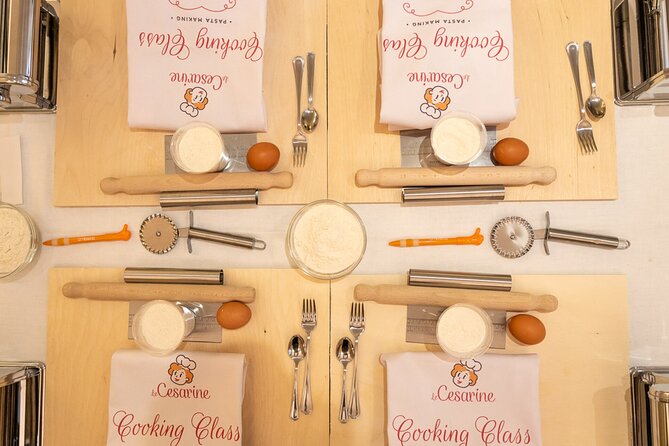
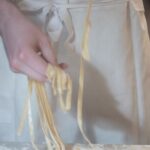
For the main, you’ll learn to make fresh pasta. The sample pasta dishes include:
- Bigoli
- Risi e bisi
- Gnocchi
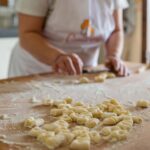
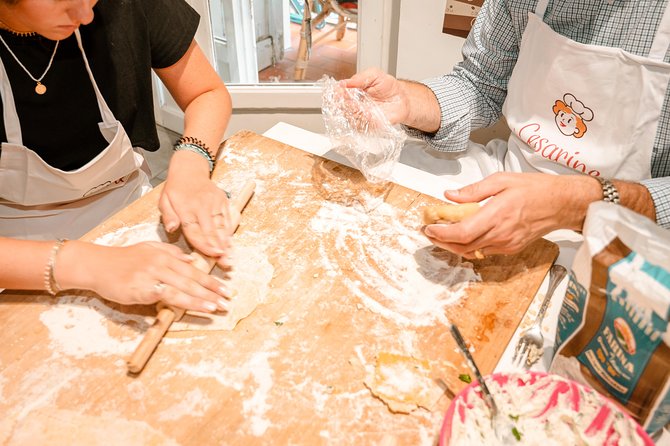
Not all classes will pick the same one, but you can count on the theme: Venetian comfort food you can recognize on sight. This is where the experience can feel especially satisfying. You’re taking something that normally looks intimidating—dough, shaping, timing—and turning it into something you can reproduce.
And yes, dough takes time. Some of that “time” is waiting for resting and proper cooking. One of the most common causes of a class that feels longer than expected is pasta timing. If you want a strict schedule, build in buffer time.
Cicchetti: small bites, big learning
The highlights specifically mention cicchetti, which are the small Venetian dishes people snack on. In practice, that means you’ll likely build a few components and bites rather than only one big main course. It’s a smart approach for you because you get multiple techniques in one session—tasting as you go, and learning how Venetian flavors work in smaller portions.
You can also read our reviews of more tours and experiences in Venice

Dessert: Venetian-style sweets, often one of several classics
For dessert, you’ll make a Venetian dessert. Examples include:
- Baicoli biscuits
- “Moro” chocolate pastry
- Zaeti biscuits
- Tiramisu
- or a similar typical dessert
The value here is not just eating dessert. It’s learning what Venetians reach for when the meal ends. You’ll taste, compare textures, and understand how the sweetness fits the rest of the menu.
The Meal Setup: Wine Pairing, Espresso, and How the Timing Usually Feels
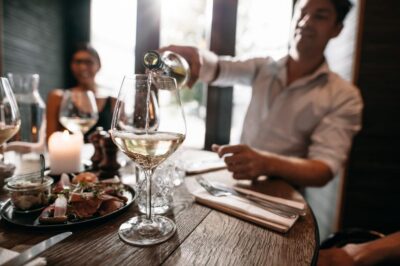
The class includes water, local wines, and espresso. You’ll sample a selection of local red and white wines to accompany the meal, which helps you understand Venetian dining as locals do: cooking, then pairing.
In at least some sessions, hosts have gone beyond the baseline with a celebratory toast (one person specifically mentioned prosecco). You should treat that as “possible,” not guaranteed, since the included info is local wines plus espresso.
What about pace? You’re looking at about 3 hours (approx.). In real kitchens, that usually means:
- demonstration and hands-on steps start quickly,
- pasta and sauce stages take actual time,
- then you sit down to eat.
One common note from participants is that after making the pasta, there can be an unusually long wait while the meal finishes cooking. If you plan dinner right after, give yourself extra time or schedule something flexible. Venice punishes tight timing.
Also remember: this is a small-home setup. If you’re used to open, spacious cooking schools, you might find the workspace tight. That doesn’t make it less fun, but it can change how comfortable you feel standing and moving around.
Your Host Matters: The Names Behind the Teaching Style
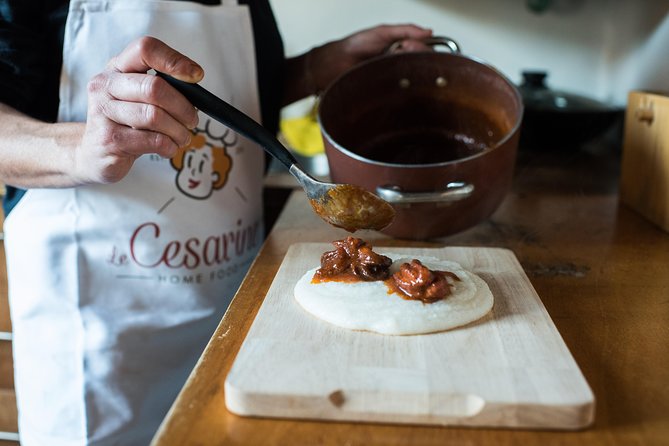
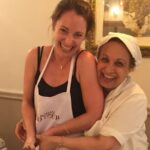
A Cesarine class is only as good as the person teaching. The good news: the teaching style you’ll get is consistently described as patient and structured.
You might cook with hosts named Barbara, Patrizia, Giulia, Lisa, Daniella, Nadine, Guilia, or Rossa—and that variety is part of what keeps it from feeling scripted. Each host tends to bring a local perspective, and in multiple experiences people specifically mention history or origin stories tied to what they’re cooking.
Practical tip: if you want your class to fit you, share preferences ahead of time when that option is offered. Some hosts ask about preferences before you arrive, and that can shape how the class feels—what gets emphasized, and how adjustments are handled during tasting.
Also, if you’re a first-timer at fresh pasta, you’ll probably appreciate the slow breakdown. Several people describe being complete novices and still managing to make excellent pasta by the end. In a home kitchen, this works because the host can correct technique in real time.
One caution from real-world experience: since this is a private home, you should ask about pets if allergies are a concern. Some homes may have cats, and air conditioning may not exist (especially in summer). If either of those factors affects your comfort or safety, message before booking and confirm.
Price and Value: Why $215.66 Can Make Sense (or Not)
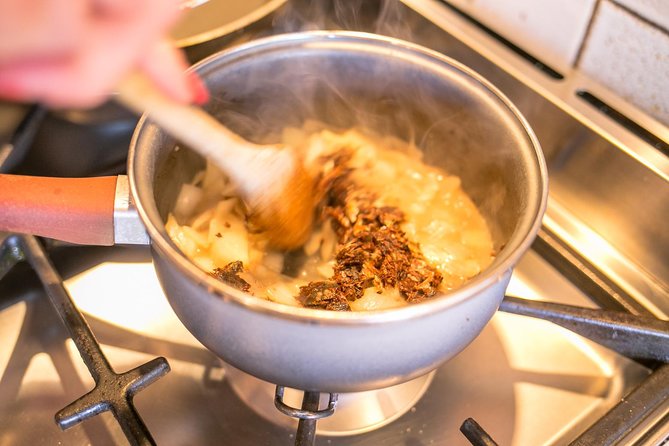
At $215.66 per person for about 3 hours, you’re paying for more than food. You’re paying for:
- a private-home kitchen (space and setup),
- hands-on teaching,
- multiple dishes (starter, fresh pasta, dessert),
- and wine + espresso with the meal.
This is not the cheapest way to eat in Venice. But it’s often good value if you care about skill and a real “Venice memory” that isn’t just a photo.
The pricing also makes sense when you factor in the small group size (max 12). You’re less likely to get ignored when the group is big. And because you cook, not just taste, you take more home than calories.
Where it might feel less worth it is if your expectations are purely about eating lots of food. This class is a tasting portion with learning at the center. If you want a full meal quantity, plan to eat after. If your priority is technique and authenticity, this price is easier to justify.
Who This Cooking Class Is Best For
This works especially well for:
- couples and small groups who want a shared activity without the pressure of a loud restaurant,
- people who want to learn fresh pasta at home (even if you’ve never done it),
- food lovers who like wine with dinner and enjoy short historical context.
It might feel less ideal if:
- you need a strict schedule with no waiting time,
- you strongly prefer air-conditioned indoor comfort,
- you have allergies and need guaranteed pet-free conditions (ask first),
- you want hotel pickup or a fully packaged “tour bus” flow (this does not include pickup and it’s not private).
Also note the kitchen reality. One participant highlighted that the kitchen workspace can be tight and can work best for small groups within the larger max size. If you’re traveling with a bigger party, you might still be fine—but you may feel more “shared space” than in a commercial cooking studio.
Practical Tips That Make the Difference in Venice
If you’re booking, do these and you’ll have a smoother experience.
- Plan for standing time. This is hands-on cooking, so wear shoes you can stand in.
- Bring a flexible schedule. Pasta timing can shift the end time in real kitchens.
- Use your confirmation details. The meeting point is clear, but private-home locations can have extra walking steps and instructions.
- Think about heat. Air conditioning isn’t guaranteed in Italian homes, so consider your own heat tolerance.
- Ask about pets if allergies matter. Since this is in someone’s home, you need a straight answer on animal presence.
- Come ready to taste and adjust. The class is about learning technique; don’t expect a rigid script where every dish turns out identical.
For packing, keep it simple: light layer you can remove, water bottle if you’re arriving early, and a small bag for any recipe notes you might receive. Some hosts provide a written recipe/equipment list, and that’s the kind of souvenir you’ll actually use later.
Should You Book Cesarine: Home Cooking Class and Meal with a Local?
Book it if you want a Venice experience you can repeat at home. This class gives you fresh pasta skills, a Venetian dessert you can name and recreate, and wine with a real table meal—without the big-tour feeling. The small group size is a meaningful quality upgrade, and the home setting turns cooking into a story you’ll remember.
Skip it or ask extra questions first if you have a strict time window, pet allergies, or heat sensitivity. Since it’s a private home, comfort factors like air conditioning and animals can vary, and you should not guess.
My call: if your travel style includes learning something practical, eating with locals, and bringing food skills home, this is a high-value pick for Venice.
FAQ
How long is the cooking class?
It lasts about 3 hours.
What does the class include?
You get a hands-on cooking class and you’ll learn and taste 3 recipes: a starter, fresh pasta, and a Venetian dessert. Water, local wines, and espresso are included.
What language is the class offered in?
It’s offered in English.
Is the group large?
It has a maximum of 12 travelers.
Where do we meet?
The meeting point is Chiesa di San Giacomo di Rialto, Campo S. Giacomo di Rialto, 30125 Venezia VE, Italy.
Is hotel pick-up or drop-off included?
No. Hotel pick-up and drop-off are not included.
Is this a private class?
No. A private class is not included.
What types of pasta and dessert might we make?
Fresh pasta options shown include Bigoli, Risi e bisi, or Gnocchi. Dessert examples include Baicoli biscuits, Moro chocolate pastry, Zaeti biscuits, or Tiramisu or a similar typical dessert.
Are alcoholic drinks included?
Yes. Local wines are included, along with water and espresso.
Is there free cancellation?
Yes, you can cancel for a full refund up to 24 hours in advance.