Morning streets tell Venice a truer story. This Venice Historic Walk takes you through Dorsoduro’s calm streets, where locals actually live, chat, and wander—while your guide helps you read the city like a map. You’ll learn the “city vocabulary” behind the buildings and waterworks, picking up words like squero and palazzo along the way.
I like two things most. First, the route mixes major Venice themes—squares, schools of the confraternities, gondola-boatyard life—with spots that feel everyday, not staged. Second, the guide (Nicoló and Aleksandra) connects what you see to how Venice was built and how it changed over time, including the urban planning side that most quick tours skip.
One consideration: not everything on the walk is ticket-free. Some key stops, including the area around Punta della Dogana and the Basilica di Santa Maria della Salute, have tickets inside not included, so you may want to plan a little extra for entry.
In This Review
- Key highlights you’ll feel during the walk
- Why Dorsoduro Makes This Venice Walk Feel Like Real Life
- Nicoló and Aleksandra’s Style: Learn Terms, Not Just Facts
- The 2.5-Hour Route, Stop by Stop
- Stop 1: Campo Santa Margherita (Venetian squares)
- Stop 2: Scuola Grande dei Carmini (What is a Scuola Grande)
- Stop 3: Squero Domenico Tramontin e Figli (What is a Squero)
- Stop 4: Osteria Al Squero (Venetian aperetivo)
- Stop 5: Fondamenta Zattere (Port and canals)
- Stop 6: Campo Sant’Agnese (Venetian urbanism)
- Stop 7: Punta della Dogana (Custom house and merchants)
- Stop 8: Basilica di Santa Maria della Salute (Palladio, Venetian Baroque, traditions)
- Stop 9: Ponte de la Toletta (Venetian Carnival)
- Stop 10: Giardini di Ca’ Rezzonico (Venetian Palazzo)
- What You’ll Learn to Notice About Venice’s Architecture
- Aperetivo + Canal Views: The Pause That Makes the Lessons Stick
- Price and Value: What $75.24 Buys You Here
- Weather, Tickets, and a Smooth Morning Plan
- Who Should Book This Venice Historic Walk?
- Should You Book It?
- FAQ
- How long is the Venice Historic Walk?
- How much does the tour cost?
- Is this tour private?
- Where is the meeting point and where does it end?
- What time does the tour start?
- What’s included in the price?
- Are tickets for churches or palaces included?
- Do I need to bring a mobile ticket?
- What if the weather is bad?
- Is there a Venice access fee for some visitors?
Key highlights you’ll feel during the walk
- Dorsoduro first: you’ll spend your time where locals hang out, not where cruise crowds peak
- Architecture language: you’ll learn terms like squero and palazzo so buildings make more sense fast
- Gondola boatyard focus: you’ll pause at a real squero tied to gondola craft
- Aperitivo stop that fits the neighborhood: you get a Venetian aperetivo moment at Osteria Al Squero
- Canals and port life: Fondamenta Zattere gives you a clean view of Venice’s water-based city logic
- A carnival clue: Ponte de la Toletta is part of the story behind Venice’s seasonal traditions
Why Dorsoduro Makes This Venice Walk Feel Like Real Life
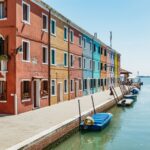
Venice has a way of turning into one big photo set if you’re not careful. This walk avoids that trap by placing you in Dorsoduro—one of the city’s livelier, resident-heavy neighborhoods—then keeping you on quieter backstreets rather than main corridors.
What makes that choice smart is the way Venice works. Squares are meaningful, but neighborhoods are where the city’s personality shows up: the rhythms of walking, how people move between canals and campi, and how buildings relate to street corners and water edges. Dorsoduro is ideal for that. You get to see Venice as a place people use, not just a place they pass through.
Also, starting in the morning (the tour begins at 9:00 am) helps. The light is better, the streets feel less crowded, and you can actually hear what your guide is pointing out without turning the whole experience into a loud sprint.
You can also read our reviews of more walking tours in Venice
Nicoló and Aleksandra’s Style: Learn Terms, Not Just Facts
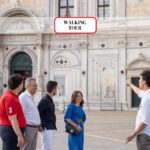
This is a private tour, so it stays flexible to your pace and your questions. That matters in Venice, where a “quick look” can turn into standing in the wrong spot for ten minutes. A private format gives you the kind of back-and-forth that helps you remember what you saw once you’re off the tour route.
I also liked how Nicoló and Aleksandra teach through language. You don’t just hear random history bits—you get practical words for Venetian things. Expect explanations that cover architecture and the city’s urbanist side, plus the artistic and cultural heritage thread that runs through the whole place.
In plain terms, you’ll walk away knowing what to notice: the shape and role of Venetian squares, the idea behind a scuola grande, the meaning of a squero, and how palazzo-style buildings fit into the bigger picture. Those terms become shortcuts for your future self when you wander on your own later.
The 2.5-Hour Route, Stop by Stop
The tour lasts about 2 hours 30 minutes, and it’s structured like a thoughtful loop: squares, landmark types, a working boatyard stop, a neighborhood aperitivo, then canal and urban planning points, ending at a palazzo-garden area.
Stop 1: Campo Santa Margherita (Venetian squares)
You start at Campo Santa Margherita, a classic Venetian square setting. This first stop is less about one monument and more about teaching you how Venice uses open space. Squares are where people orient themselves and where buildings “face” the public world. If you keep an eye on edges, entrances, and how streets funnel toward the campo, Venice suddenly becomes easier to navigate.
Stop 2: Scuola Grande dei Carmini (What is a Scuola Grande)
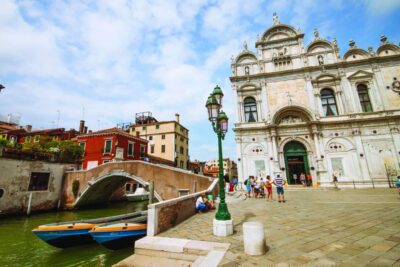
Next is the Scuola Grande dei Carmini, timed for a short but focused look. The key value here is the explanation of what a scuola grande is in Venice’s cultural system. Even if you don’t go inside, this stop gives you the context for why these institutions were so important in Venetian society.
You can also read our reviews of more city tours in Venice

Stop 3: Squero Domenico Tramontin e Figli (What is a Squero)
Then you hit the boatyard world: Squero Domenico Tramontin e Figli. This is where the walk gets extra “you’re really here” because it connects to the gondola craft tradition. You’ll spend time learning what a squero is and why these workshop spaces matter to Venice’s identity as a water city.
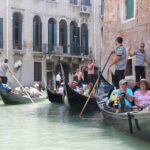
A squero-focused moment is a great antidote to the typical gondola-only approach. You don’t just ride the gondola—you understand it as a living craft and a specific type of place.
Stop 4: Osteria Al Squero (Venetian aperetivo)
At Osteria Al Squero, you take a breather with a Venetian aperetivo stop. The timing is good—about 15 minutes—so you’re not exhausted, and you still have time to enjoy the rest of the walk.
One practical detail: alcoholic beverages are not included. If you want a full drink order, you’ll pay for that yourself. But even without alcohol, a short aperitivo break works as a reset button and helps you absorb what you’ve learned so far.
Stop 5: Fondamenta Zattere (Port and canals)
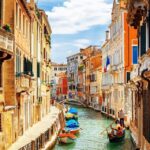
From there, the walk shifts to the waterfront logic of Venice. Fondamenta Zattere is framed as the Venetian port and canals segment. This stop is valuable because it ties the city’s layout to the movement of goods and people. When you look along the water’s edge with your guide’s prompts, you start to see how canal access shaped where institutions and neighborhoods grew.
Stop 6: Campo Sant’Agnese (Venetian urbanism)
Campo Sant’Agnese is about urbanism—how Venice’s streets and spaces organize themselves. This is the stop I’d recommend if you want to understand the city beyond “pretty views.” You’ll likely catch patterns like how paths connect, where the city opens up, and how buildings shape your walking line.
If you’ve ever felt like Venice is a maze (it is), urbanism-focused stops are what make the maze feel solvable.
Stop 7: Punta della Dogana (Custom house and merchants)
Then you reach Punta della Dogana, tied to the custom house and merchants of Venice. The story here is about trade and the flow of wealth and goods—how Venice’s power operated through its maritime connections.
Admission tickets inside are not included for this stop, so you can treat it as a viewpoint and context lesson from the outside unless you choose to add entry separately.
Stop 8: Basilica di Santa Maria della Salute (Palladio, Venetian Baroque, traditions)
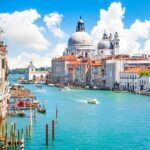
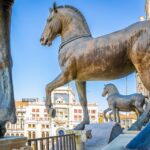
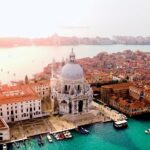
The Basilica di Santa Maria della Salute stop focuses on the Palladio connection, Venetian Baroque, and life traditions around the church. Again, tickets inside are not included, so your experience here centers on what you can take in from outside and what the guide connects to the broader Venice story.
This is a good moment to slow down. A big church can feel like a simple photo target—until your guide frames it as part of how people lived, celebrated, and organized civic life.
Stop 9: Ponte de la Toletta (Venetian Carnival)
Ponte de la Toletta adds the carnival angle. Expect a short, focused explanation tied to Venetian Carnival traditions. This stop works well because it shows Venice isn’t only architecture and trade; it also has seasonal theater and identity rituals.
If you like cultural details that go beyond dates and dynasties, this is the kind of point you’ll remember later when you’re walking around and noticing festival cues.
Stop 10: Giardini di Ca’ Rezzonico (Venetian Palazzo)
The walk finishes at Giardini di Ca’ Rezzonico, a palazzo-related end point. Ending near garden space gives you a calmer final feeling—less “tight streets, keep moving,” more “take a last look and let your brain file away what you learned.”
It’s also a smart finale because the word palazzo, which you hear earlier in the tour context, lands as an actual feeling: how grand Venetian buildings relate to gardens, space, and the city’s water-centered architecture.
What You’ll Learn to Notice About Venice’s Architecture
By the end, you’ll have a new way to look at Venice. Not every tour gives you the mental tools, but this one is built around them.
You’ll practice seeing how Venice was built and how it changed—so you understand why the city looks the way it does today. The walk also focuses on architecture and “urbanist aspects,” meaning you’ll pay attention to the structure of streets, the relationship between squares and buildings, and the way water defines access.
You’ll also learn cultural identity through the institutions your route touches: scuola grandes, squero workshops, merchants/custom house connections, and church life. Put together, those stops explain why Venice has the personality it does.
Aperetivo + Canal Views: The Pause That Makes the Lessons Stick
The walk includes a Venetian aperetivo moment at Osteria Al Squero, and it also includes a canal/port-facing stop at Fondamenta Zattere. That mix is practical, not just “nice.”
Aperitivo works in Venice because it matches the city’s slower rhythm. You get a short social pause right after a stop connected to craft life (the squero). Then the walk continues with water and port logic so you don’t spend the whole time thinking only about buildings.
And Fondamenta Zattere is the kind of canal stretch that helps you connect the dots. When you’ve been in narrow streets, it’s easy to think Venice is all about walls and angles. The canal segment reminds you this city is built around movement.
Price and Value: What $75.24 Buys You Here
The price is $75.24 per person for a roughly 2.5-hour private guided walk. Value here comes from three places:
First, the tour includes a guide and a structured route with real named stops tied to Venice’s craft, institutions, and water-city logic. Second, you don’t have to manage the “where do we go next?” decision—your path is already planned and timed. Third, the experience includes a Venetian aperetivo stop, which breaks up the walking.
What’s not included is also clear: alcoholic beverages aren’t included, and tickets inside churches/palaces at certain stops aren’t included. So if you’re the type who wants to go inside every major place, budget extra for those entries.
Weather, Tickets, and a Smooth Morning Plan
This tour needs good weather. If conditions are poor, you’ll be offered a different date or a full refund. That’s important because Venice’s magic depends on being able to move comfortably through outdoor spaces.
Plan for a little extra time for ticketed areas you may choose to enter. Punta della Dogana and Basilica di Santa Maria della Salute are listed with tickets inside not included, which means your experience there may depend on what you decide to do next.
Finally, note that on certain dates there can be a day-visitor access fee (often €5) for people staying outside Venice. The details and exemptions are posted by the city authority at https://cda.ve.it, so check before you go if that applies to your situation.
Who Should Book This Venice Historic Walk?
Book it if you want Venice in a way that feels lived-in: Dorsoduro, quieter streets, and explanations that teach you how to read the city rather than just point at it.
This also fits well if you enjoy:
- architecture and urban planning details
- learning Venetian terms like squero and palazzo
- craft-and-culture stops (especially the squero and scuola focus)
- a moderate-length morning plan that still leaves time for free exploring after
It may be less ideal if you want a tour where every major building is entered with included tickets. This one is more about understanding the city’s system and identity than collecting indoor stamps.
Should You Book It?
If you’re tired of “stand here, take photo, move on” tours, this is a strong choice. You get a private guided route in a resident neighborhood, plus real context that makes Venice feel organized instead of chaotic.
I’d especially recommend it if you plan to wander after the walk. Once you understand a few key Venetian building types and city patterns, your self-guided hours get better fast. Just make sure you’re prepared for some stops where entry tickets aren’t included, and choose a day with weather that cooperates.
FAQ
How long is the Venice Historic Walk?
It’s about 2 hours 30 minutes.
How much does the tour cost?
The price is $75.24 per person.
Is this tour private?
Yes. It’s private, so only your group participates.
Where is the meeting point and where does it end?
You meet at Campo Santa Margherita, 30123 Venezia VE, Italy, and the tour ends at Campo San Barnaba, 30123 Venezia VE, Italy.
What time does the tour start?
The start time is 9:00 am.
What’s included in the price?
A guide is included, and the walk includes the scheduled stops. Alcoholic beverages are not included.
Are tickets for churches or palaces included?
Tickets inside the churches/palaces are not included for some stops (for example, Punta della Dogana and Basilica di Santa Maria della Salute).
Do I need to bring a mobile ticket?
You’ll use a mobile ticket.
What if the weather is bad?
The experience requires good weather. If it’s canceled due to poor weather, you’ll be offered a different date or a full refund.
Is there a Venice access fee for some visitors?
On certain dates, travelers staying outside of Venice may be required to pay a €5 access fee. You can check applicable dates and exemptions at https://cda.ve.it.