REVIEW · VENICE
Venice Commissario Brunetti and Donna Leon: Walk His Beat
Book on Viator →Operated by deTourist Venice Valerio Coppo · Bookable on Viator
Brunetti’s Venice is quieter than you expect. This 2-hour walk traces real streets tied to Donna Leon and Commissario Brunetti, starting in Cannaregio and moving through spots you’d miss on the big vaporetto loops. I especially love the Brunetti front-door start and the Cannaregio side-street pacing that keeps the mood calm while the story runs.
One catch: it’s a true walking tour for about two hours on uneven stone, so comfy shoes matter.
In This Review
- Key points worth knowing
- Plot Turns into a Walking Route in Cannaregio
- Where You Meet, Where You End, and What That Means
- Price and Time: Why This Tour Can Be Good Value
- Cannaregio Start: Brunetti’s Front Door at the Beginning of the Case
- Santa Maria Maddalena: The Palazzo Scene and the Chase Moment
- Strada Nova Bar Stop: When Small Details Make a Scene Click
- Back to Cannaregio: The Pub Discussion and the Investigation Focus
- Rosa Salva near San Giovanni e Paolo: Café Culture with Grappa History
- San Zanipolo (Basilica dei Santi Giovanni e Paolo): The Kiosk and the City Map Moment
- San Francesco della Vigna: The Green Door Questura Moment
- Why This Donna Leon Walk Feels Different from Typical Venice Tours
- The Real Win: A Small Group with Time for Questions
- Practical Tips for Venice Footwear, Timing, and Comfort
- Who Should Book This Walk His Beat Tour
- Should You Book This Tour?
- FAQ
- Is pickup available for this tour?
- How long is the Walk His Beat tour?
- What language is the tour offered in?
- Where do I meet, and where does the tour end?
- What should I expect about tickets and admissions?
- What happens if the weather is bad?
Key points worth knowing
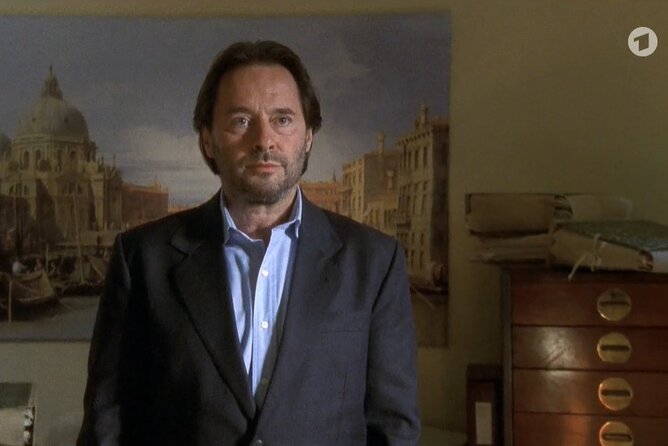
- Valerio Coppo guides the walk and keeps the pace fun, with lots of story + city context
- Real locations, not generic Venice: you’ll move from Cannaregio scenes to church stops and the Questura exterior
- You get quieter neighborhoods like Cannaregio and the Ghetto area rather than only postcard hot spots
- Small group size (maximum 15) helps the guide answer questions without constant rushing
- Stops are set up like mini scenes (dialogue, chases, café moments), so it feels like a guided rewatch
- End at the famous green doors tied to the police headquarters exterior
Plot Turns into a Walking Route in Cannaregio
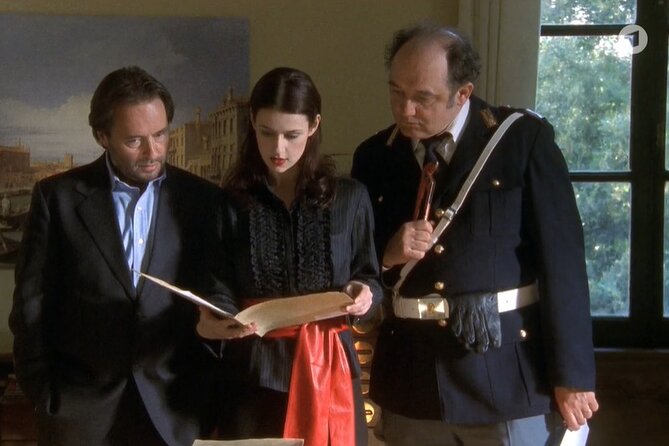
If you like mysteries, this tour turns the city into a living set. You’re not just seeing buildings—you’re following scenes that feel almost staged, then learning what Venice looks like when the cameras aren’t around.
The best part for me is the balance. You get Donna Leon/Brunetti connections, but the guide also helps you read the city itself: how neighborhoods work, where people actually go, and why some areas stay calmer than the usual routes. And because the group stays small, it’s easy to ask questions instead of listening through headphones while your feet try to keep up.
You can also read our reviews of more walking tours in Venice
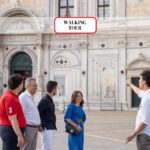
Where You Meet, Where You End, and What That Means
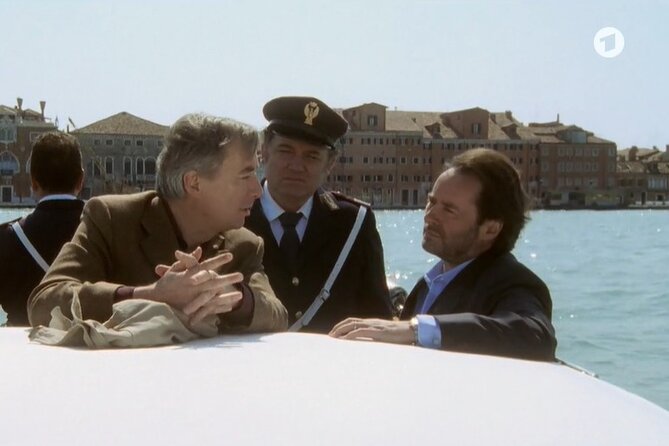
You start at Campo dei Gesuiti (4878, 30121 Venezia). The walk finishes at Campo San Francesco della Vigna (Campo S. Francesco, 30122 Venezia), at the police headquarters area tied to Brunetti’s world.
That start-to-finish plan matters. It pushes you from a more local-feeling start point into the sights around San Francesco della Vigna, so the last minutes land with real payoff—especially if you’ve pictured those green doors while reading.
Also, you’ll want to plan around Venice’s rhythm. This is near public transportation, but you’ll still be walking through narrow streets and small bridges. Service animals are allowed, and most people can join, as long as the walking pace works for you.
Price and Time: Why This Tour Can Be Good Value
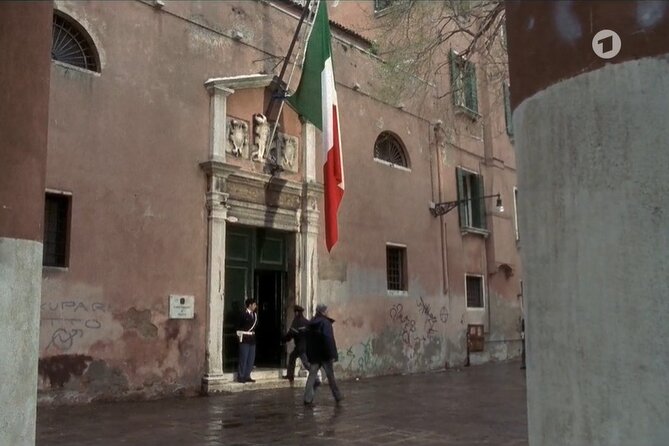
At $93.16 per person for roughly 2 hours, this isn’t a budget toss-in. But it can feel like solid value because you’re paying for a licensed guide (registration number 06000001) plus a tour designed around specific, film-scene locations across multiple stops.
A detail that helps: the stops are set up with free admission tickets listed for each location. So you’re not paying museum fees on top of the guide. You also get a mobile ticket, and there are group discounts available depending on how you book.
Finally, with a maximum of 15 travelers, you’re paying for guided attention rather than a stampede. If you’re the type who likes asking how the story fits the city, that small size is worth something.
Cannaregio Start: Brunetti’s Front Door at the Beginning of the Case
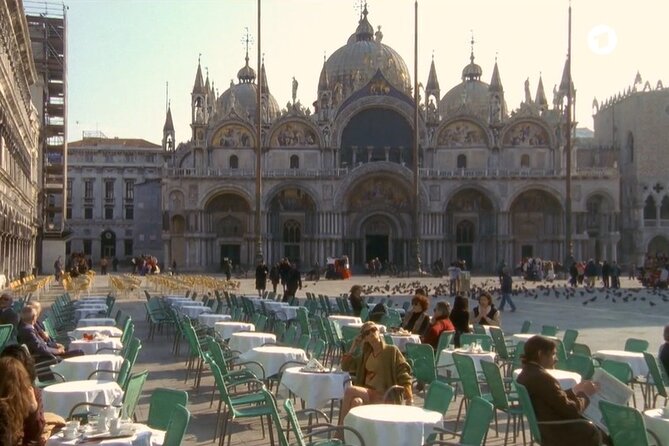
The walk begins with the Brunetti family’s front door in Cannaregio. This is the kind of moment that makes crime-fiction fans grin immediately. The guide sets you up to notice what would be easy to miss on your own: the specific door and entrance that many readers recognize as a kind of home base.
This first stop does two jobs. First, it gives you an anchor for the rest of the tour—once you’ve seen the door, the next streets feel like continuation instead of random sightseeing. Second, it quietly teaches you something Venice-specific: how much identity a neighborhood entrance can carry, even when you’re surrounded by canals, doorways, and repeating facades.
Plan to spend a little extra attention here if you’re a book person. The guide tends to link what you’re looking at to how characters move through their day, not just what the building “is.”
Santa Maria Maddalena: The Palazzo Scene and the Chase Moment
Next comes the Chiesa di Santa Maria Maddalena. Nearby palazzo space functions as a stage location for the radical animal protection organization Angelo Animale.
You’ll hear the scene setup as masked figures slip away from a side entrance, followed by the Commissario and colleagues. One escape fails, and the stop becomes more than scenery—it becomes part of the investigation in motion. The guide adds the story connection that the caught figure is actually Chiara, Brunetti’s daughter, which is a sharp emotional turn for fans.
Practical note: churches in Venice often mean uneven ground around entrances and quick transitions between outside viewpoints. Wear shoes you can walk in confidently, and keep your attention on the guide’s pacing rather than trying to “beat” the group for photos.

Strada Nova Bar Stop: When Small Details Make a Scene Click
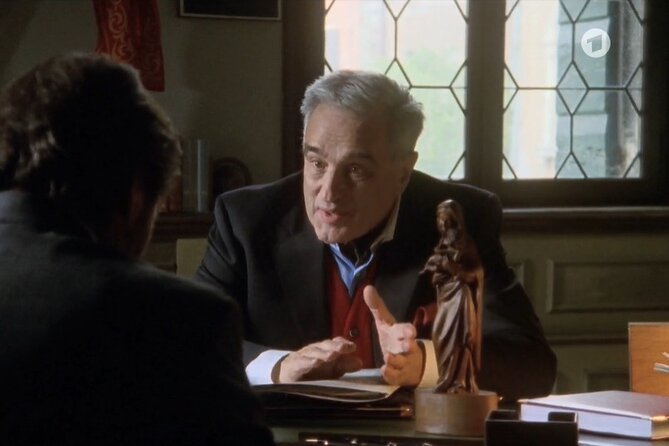
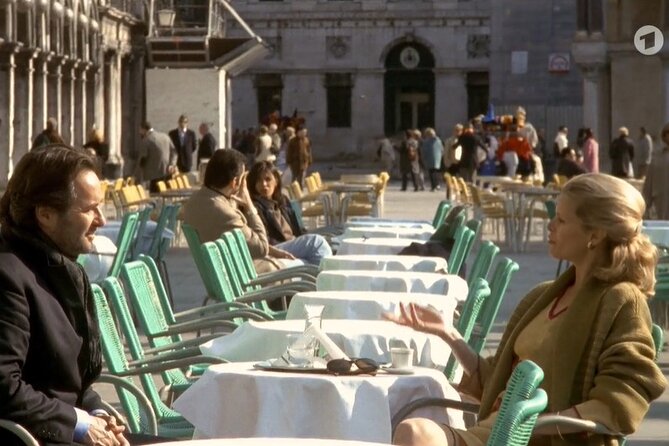
Then you move to Strada Nova, a bar stop tied to a very human, oddly specific moment: Signora Gismondi enjoying the last two balls of chocolate ice cream of her life.
This stop is short, but that’s exactly why it works. It shifts you from big plot locations to everyday Venice textures—bars, counters, casual corners where the story feels grounded. If you tend to read crime novels for character and tone, this kind of beat is fun. It also reminds you that in Venice, “scene” can happen in the smallest place.
I like that it’s not only dramatic. It gives you a break from chase energy while still keeping the narration rolling.
Back to Cannaregio: The Pub Discussion and the Investigation Focus
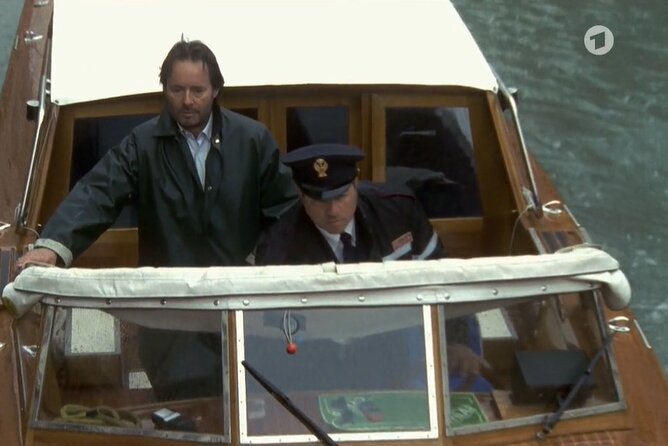
Back in Cannaregio, the tour shifts into discussion mode. After the realization about Chiara and Angelo Animale, the Commissario and his daughter talk in a pub setting, and the investigation tightens toward a murder case connected to Professor Nava and the slaughterhouse background.
This part of the tour is where the guide’s style matters. Valerio Coppo tends to blend the story with city context, so you don’t feel like you’re marching from one themed point to the next. You’re hearing why people talk the way they do in the series—and how that maps onto real neighborhood life.
If you’re not sure where to put your attention: put it on how the guide connects motives to surroundings. The city isn’t just wallpaper here. It’s part of how the characters see the world.
Rosa Salva near San Giovanni e Paolo: Café Culture with Grappa History
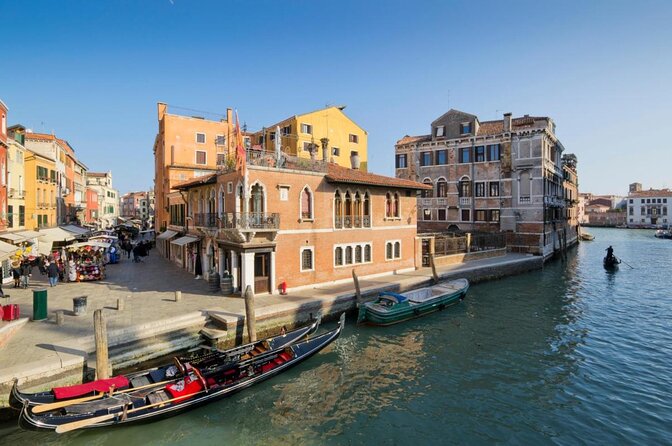
Stop five takes you to Rosa Salva – SS. Giovanni e Paolo, another bar setting linked to Vice-Questore Patta and the day-to-day rituals that make the story feel lived-in.
You’ll hear the grappa memory—an era when the inspector may have had one too many—then the scene pivots to food and café culture. The tour name-checks Vianello for appreciating the café here: the guide points out that the place is known for the best café in town and delicious croissants.
You also get concrete food ideas tied to the narrative: a panino prosciutto or a tramezzino with ham and artichoke, plus a glass of white wine. Even if you don’t order anything, the guidance helps you understand what kind of stop this is: quick, comfortable, local.
A practical thought: if you do want to eat or drink, keep it light. The tour is designed as a walking sequence. If you turn it into a long lunch, you’ll feel rushed for the final churches and the Questura exterior.
San Zanipolo (Basilica dei Santi Giovanni e Paolo): The Kiosk and the City Map Moment
Next is the Basilica dei Santi Giovanni e Paolo (San Zanipolo). Here you’ll connect to a kiosk location linked to Signora Maria, who knows the neighborhood and points Brunetti in the right direction.
The guide also brings in a real-world reference inside the fiction: Brett Lynch, an American archaeologist. That detail is a nice bridge between two worlds—Venice the tourist reads about and Venice that scholars investigate.
This stop is also a reminder that Venice’s layers sit on top of one another. A basilica can be both a religious space and a landmark in a story’s geography. You get to feel how the city holds multiple meanings at once, without needing a lecture.
San Francesco della Vigna: The Green Door Questura Moment
The tour ends at Chiesa di San Francesco della Vigna, where you reach a striking columned hall in a campo. This is the moment that many fans have pictured: the area through which employees, visitors, or delinquents in the series hurry toward the Questura.
And yes, this is where the famous green door connection comes in. It’s framed as a portal to the police headquarters—the end point that ties everything together. By the time you arrive, you’ve already walked through neighborhood scale and everyday street scenes. Now the final architecture does the heavy lifting for atmosphere.
One more note from what I’d expect you to notice: the “movie set” feeling can be different in real life. Some locations linked to the series don’t look brand-new. That’s not a deal-breaker. It’s actually part of the honesty of Venice. The city keeps aging, and the story keeps moving.
Why This Donna Leon Walk Feels Different from Typical Venice Tours
Plenty of Venice tours show the big hits—then you sprint toward another big hit. This one slows down the reading of the city.
You’re led through quieter neighborhoods and bar-life zones, like Cannaregio, instead of treating Venice like a checklist. Even the church stops work because they’re used as scene nodes, not lecture rooms. The guide helps you connect the fictional investigation to real urban geography: entrances, side exits, courtyards, and the kind of street layout that encourages secrets and sudden meetings.
Another standout: the guide doesn’t treat fans like they only come with one interest. If you’re a Donna Leon reader, you’ll recognize the places. If you’re not, you’ll still appreciate Venice as a city of doors, corners, and local habits. That mix is why a lot of people recommend this even if they’re not hardcore Brunetti fans.
And if you like to go deeper after the walk, you can ask about how the series shows up on German television. The guide has suggested that kind of extra angle for people who want more context beyond the books.
The Real Win: A Small Group with Time for Questions
With a cap of 15 travelers, this tour works best when you’re curious. You can ask how a street fits the plot. You can ask what to look for while walking on your own after the tour. You can even ask practical Venice questions without feeling like the guide will cut you off mid-sentence.
I also like that the tour feels built for conversation. It’s not just a one-way storytelling machine. The stop structure gives you natural pauses: a door moment, a church scene, a quick bar beat, then the final architecture.
If you’re traveling in a mixed group, this size keeps it from turning into separate conversations. Everyone stays in the flow.
Practical Tips for Venice Footwear, Timing, and Comfort
This is a walking tour. That’s the whole deal. To make it easy on yourself:
- Wear shoes that handle uneven stone and occasional slick patches.
- Bring a light layer. Even in pleasant weather, churches and shaded streets can feel cool.
- Keep your phone charged for the mobile ticket and maps. You won’t want to hunt for signal while crossing small lanes.
- If you’re visiting as a day trip from outside Venice, check whether an access fee applies on your date at cda.ve.it.
Weather matters here too. The tour requires good weather; if it’s canceled because of poor weather, you’ll be offered a different date or a full refund.
Who Should Book This Walk His Beat Tour
This tour is for you if:
- you want Venice through a story lens, not just monuments
- you like quiet neighborhoods (Cannaregio-style streets) more than crowd-control lines
- you enjoy guides who connect plot points to what you can physically see
It’s also a good fit if you’re traveling with someone who likes local life and doesn’t just want another checklist. The bar stops and neighborhood scale make it feel grounded, even when you’re walking toward an iconic green-door ending.
If you’re the type who hates walking—even a moderate amount—this might feel like too much. The structure is compact, but the pace still adds up over two hours in Venice.
Should You Book This Tour?
If you’re deciding between generic Venice sights and something story-focused but still practical, I’d book this. The price is fair for a licensed, small-group walk that uses real entrances and ends at a signature police headquarters exterior with the green door moment.
You should skip or rethink if you have limited tolerance for walking on uneven surfaces. And if you want purely historical sites with no fiction framing, this may feel too story-driven for your taste.
But if you’re a Donna Leon or Commissario Brunetti fan, or you simply want Venice that feels lived-in rather than staged, this one does a great job.
FAQ
Is pickup available for this tour?
Pickup is offered only for private group bookings. If you booked a private tour, you can request pickup at your hotel or any location within the historical center of Venice.
How long is the Walk His Beat tour?
The tour lasts about 2 hours.
What language is the tour offered in?
The tour is offered in English. On certain bookings, there may also be a small group tour in German, with a specified meeting point at Campo dei Gesuiti.
Where do I meet, and where does the tour end?
Meet at Campo dei Gesuiti, 4878, 30121 Venezia. The tour ends at Campo San Francesco della Vigna, Campo S. Francesco, 30122 Venezia, at the police station area tied to Brunetti.
What should I expect about tickets and admissions?
A licensed tour guide is included. The stop locations list admission tickets as free, and gratuities are at your discretion.
What happens if the weather is bad?
This experience requires good weather. If it’s canceled due to poor weather, you’ll be offered a different date or a full refund.