REVIEW · VENICE
Venice Art and Architecture Private Walking Tour
Book on GetYourGuide →Operated by Venice Events srl · Bookable on GetYourGuide
Venice is best seen on the quiet side. This private walking tour keeps you off the main stampede and focuses on Venice’s art and architecture through standout churches and squares, from Santa Maria dei Miracoli to Santi Giovanni e Paolo. I especially like the way the route prioritizes context over checklist sight-seeing, so the buildings make sense as part of La Serenissima’s changing tastes.
The biggest thing to plan for is that this is external-only. You won’t automatically go inside the churches, so if you want interiors, you’ll need to pay the extra entrance fee on the spot.
In This Review
- Key things you’ll notice on this tour
- What you’re really buying: art and architecture with breathing room
- Meeting at Campo San Bartolomeo: your tour starts before you even turn a corner
- Corte Seconda del Milion: Marco Polo’s name in the city fabric
- Santa Maria dei Miracoli: Renaissance architecture you can actually read from the street
- Santi Giovanni e Paolo: the Pantheon of Venice, with doges in the story
- Campo San Giovanni e Paolo: where the square becomes part of the lesson
- How the private licensed guide changes the pacing
- Price and value: is $150.10 per person worth it?
- Practical tips that keep the experience smooth
- Who should book this tour, and who might skip it
- Should you book this Venice Art and Architecture Private Walking Tour?
- FAQ
- Is this tour inside the churches?
- How long is the Venice Art and Architecture Private Walking Tour?
- Where do I meet the guide?
- Is hotel pickup included?
- What languages are available?
- Is there a group size limit?
- Is the tour wheelchair accessible?
- What’s included in the price?
Key things you’ll notice on this tour
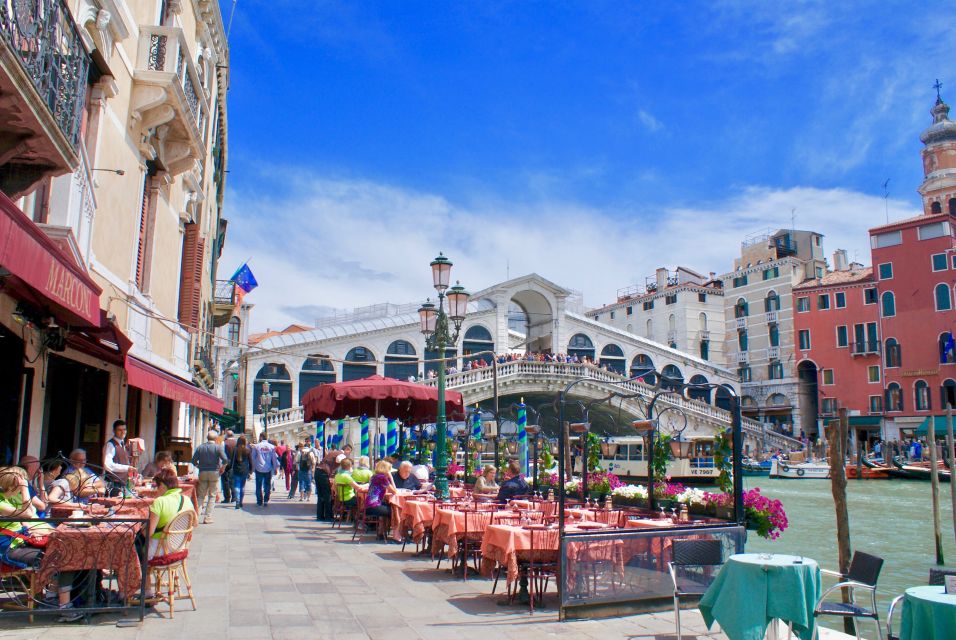
- A St Mark’s crowd-avoidant route that swaps big landmarks for quieter architectural stops
- Santa Maria dei Miracoli framed as a true lesson in Renaissance design
- Santi Giovanni e Paolo tied to its Pantheon-style reputation and the burial story of Venetian doges
- Campo San Giovanni e Paolo as a major square stop, not a quick photo pause
- Corte del Milion connected to Marco Polo’s Far East travels
- A small group size (up to 8) with a private licensed guide who can match your interests
What you’re really buying: art and architecture with breathing room
In Venice, you can get lost two ways. One is physical—getting turned around in alleyways. The other is mental—seeing buildings as isolated postcards instead of a connected story. This tour helps with the second one. You’re guided through the city’s architectural evolution with stops chosen for how much they teach, not for how fast they can be ticked off.
The most practical win is simple: you avoid the main-sight crowd orbit. That means you spend more time looking at facades, squares, and details at human speed, and less time waiting in bottlenecks. And because you have your own licensed guide, you don’t just see the shape of a church—you get the why behind it.
You also get a topic anchor. The tour is set up around La Serenissima, so the buildings start to connect to power, faith, and trade. Venice wasn’t static. It changed style as ideas and wealth moved through the city. This walk shows you that shift through architecture, rather than through long lectures.
You can also read our reviews of more walking tours in Venice
Meeting at Campo San Bartolomeo: your tour starts before you even turn a corner
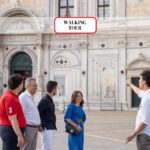
You meet at Campo San Bartolomeo, in front of the statue of Goldoni. Plan to arrive about 15 minutes early. Look for your guide holding a sign with your name on it, then listen for a quick orientation before you head off through the less-traveled lanes.
That meeting point matters more than it sounds. Campo San Bartolomeo is close enough to Venice’s high-traffic areas that you’ll feel oriented, but it also sets you up to move into streets that don’t feel like a human queue. If you’ve only experienced Venice by following the crowd, this is a nice contrast right away.
If you’re staying within the St Mark’s area, you can arrange hotel pick-up. That can be a big deal with Venice walking plans, because it reduces the time you spend dragging bags or trying to figure out where you’re supposed to be. If you’re not in that zone, you’ll rely on the public meeting point.
Corte Seconda del Milion: Marco Polo’s name in the city fabric
The walk kicks into gear with Corte Seconda del Milion, guided as part of the story-line of the city. This stop ties directly to the idea of Venice as a trade and travel power. You’ll connect the name Corte del Milion to Marco Polo’s account of his travels in the Far East.
Why this matters: it gives you a lens for reading Venice. The city can feel like it’s made of stone. But it’s also made of connections—routes, stories, and the way wealth and knowledge reshaped art and architecture. When you see a name tied to Polo, you’re reminded that the buildings weren’t just made to look pretty. They reflect a Venice that wanted to project its reach and its identity.
At this point in the tour, your guide also tends to set expectations for what you’ll notice next. That usually means more attention to structure and setting: how the space holds the building, how the surrounding streets frame views, and how different eras show up side by side.
Santa Maria dei Miracoli: Renaissance architecture you can actually read from the street
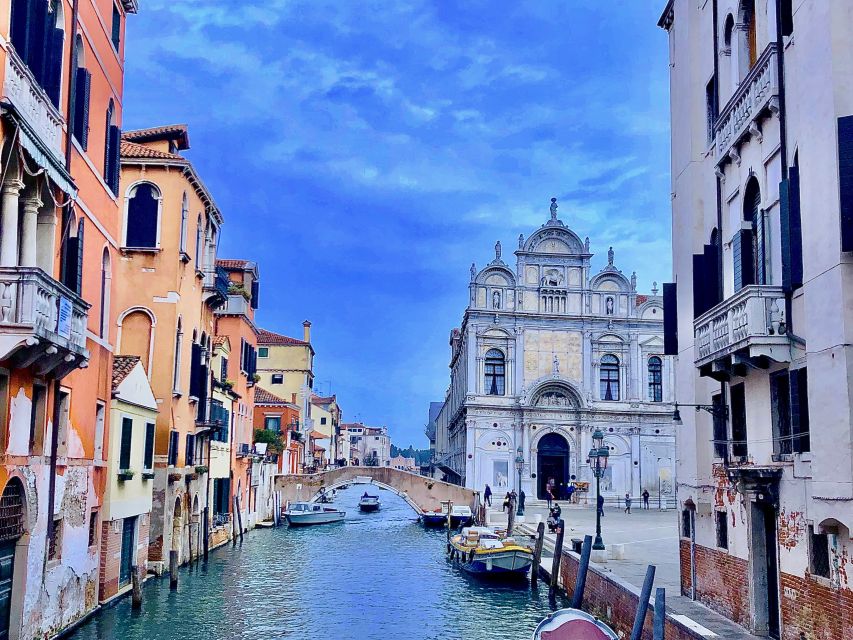
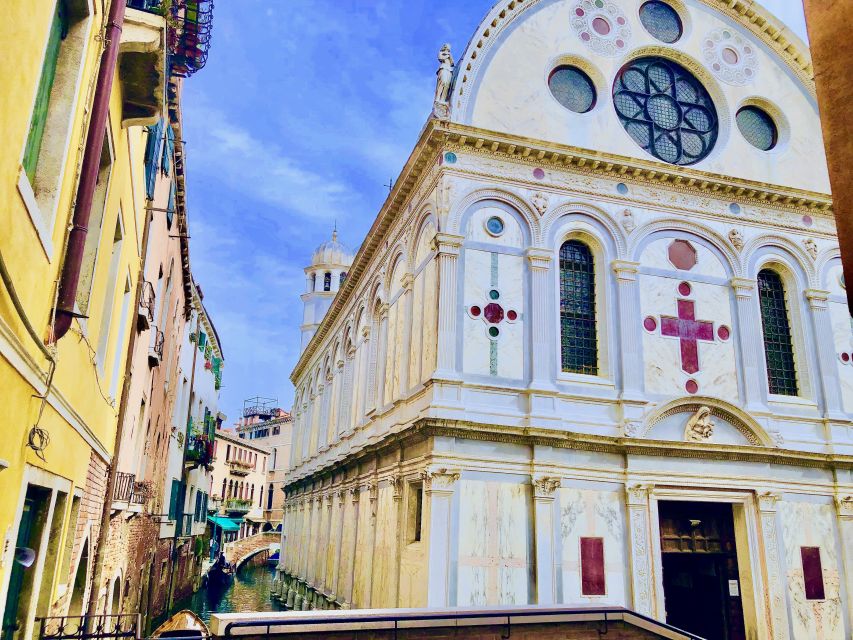
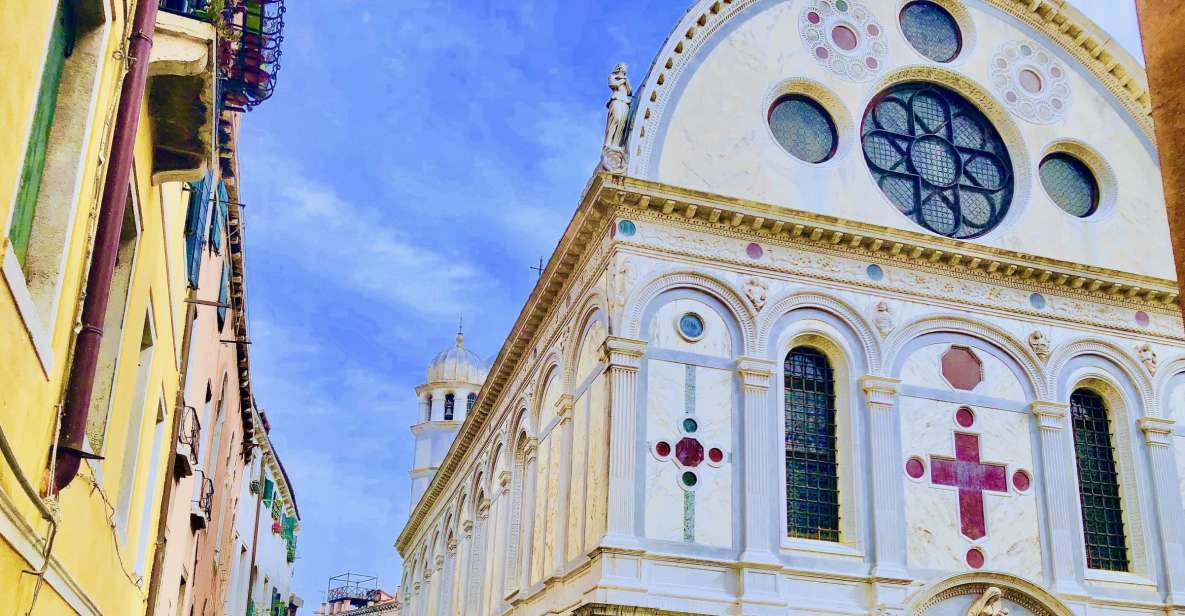
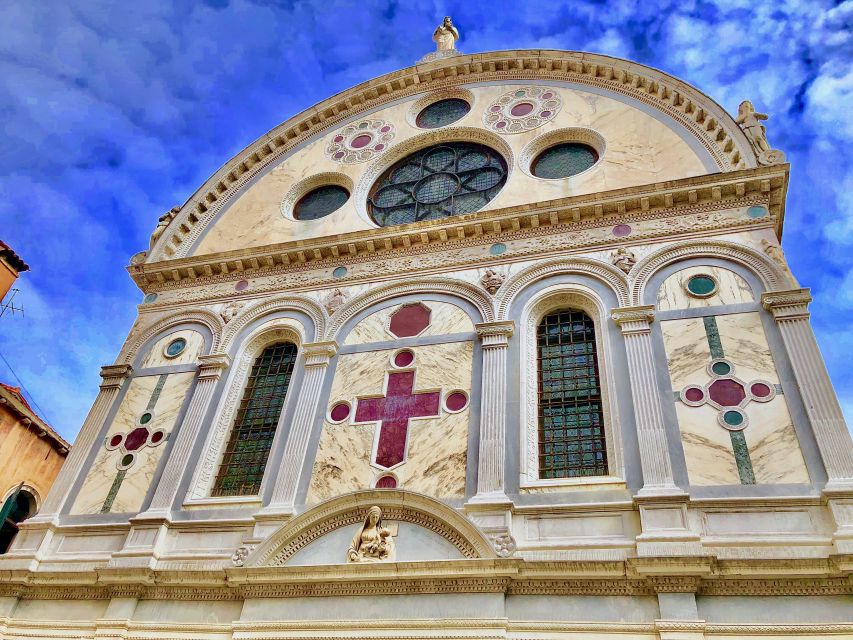
Next comes Santa Maria dei Miracoli, described as miraculous Renaissance architecture. Even without stepping inside, the exterior gives you plenty to work with—especially if your guide points out what to look for.
The value here is interpretation. Renaissance design often shows up as clean proportions and carefully organized form. In a city with lots of layered styles, that clarity can look almost surprising. With guidance, you can compare what the church is doing visually against the surrounding architectural language. You’re not just taking in a pretty facade. You’re learning how Venice adopted and adapted Renaissance thinking.
One key detail to remember: the tour is external. That’s important because it changes how you should plan your expectations. If you’re hoping for a full interior experience, budget for the option to pay entrance fees on the spot. If interiors aren’t a priority for you, the exterior-focused approach still makes sense, because it keeps the pace flowing and keeps the crowd problem away.
Santi Giovanni e Paolo: the Pantheon of Venice, with doges in the story
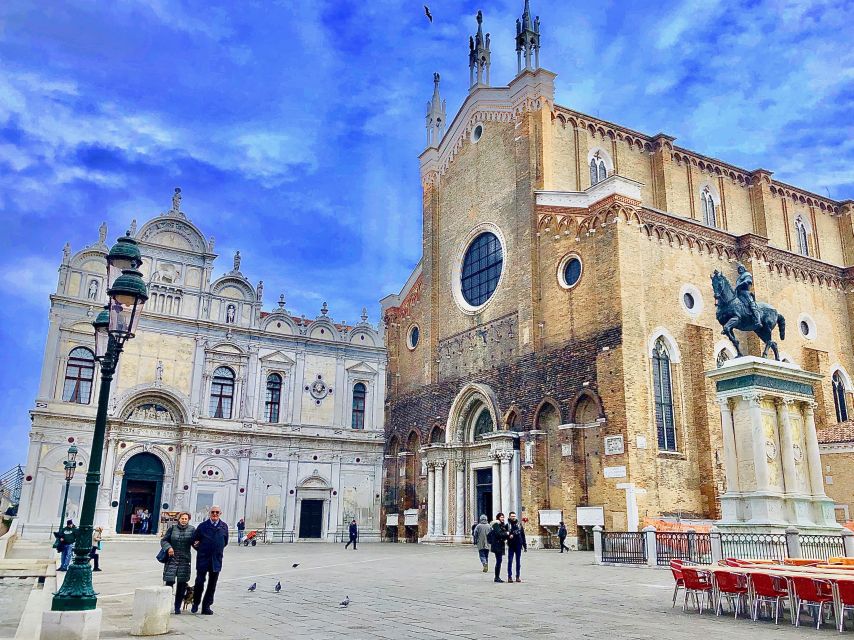
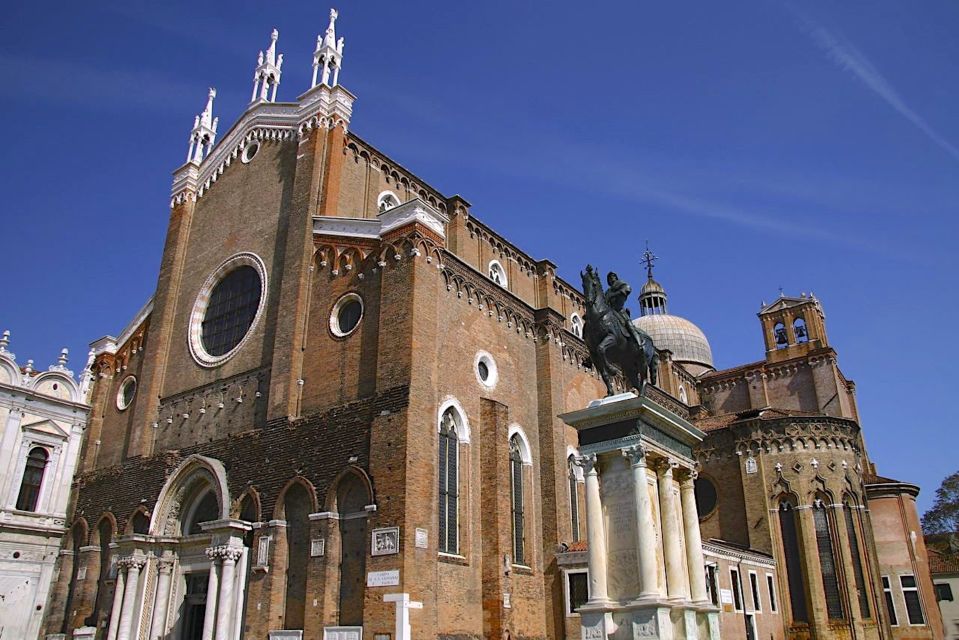
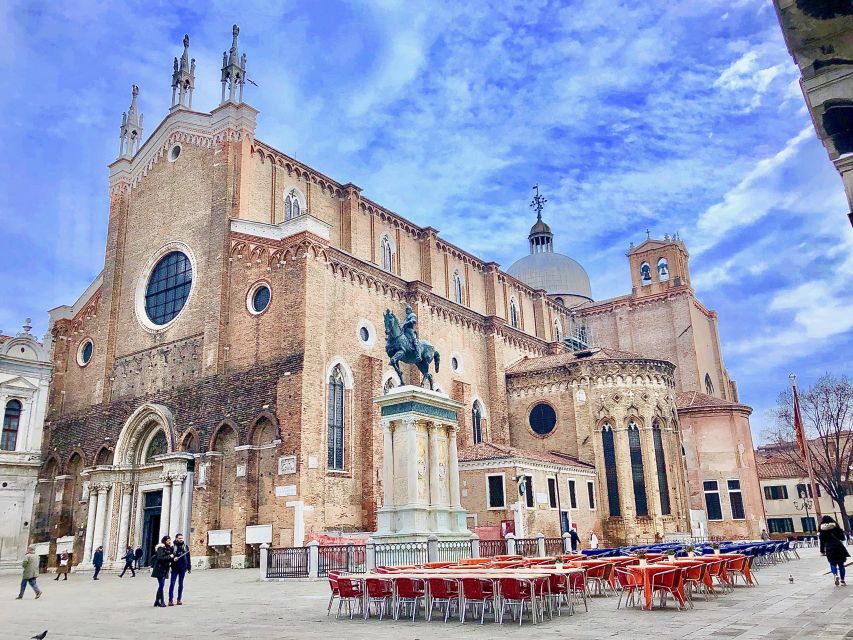
This is one of the tour’s main architectural targets: Santi Giovanni e Paolo. It’s often known as the Pantheon of Venice, and the guide explains why—especially the burial connection for Venetian doges after the 15th century.
That detail changes how you look at the church. Instead of treating it as just another impressive building, you start reading it as a public statement. This is architecture tied to governance and legacy. You’re learning how the city honored leadership, and how those choices show up in the monuments that survive.
You also get to see a big moment of the walk conclude near the building, with the tour finishing at Basilica dei Santi Giovanni e Paolo. That gives you time to linger a bit after you’ve received the meaning behind the stop. It’s a useful pacing trick: interpret first, then absorb.
Since this is an external walking tour, you’re not rushing past for an inside visit. You can take in scale and setting, and you’re free to ask the guide why certain features mattered in the period when they were created.
You can also read our reviews of more private tours in Venice


Campo San Giovanni e Paolo: where the square becomes part of the lesson
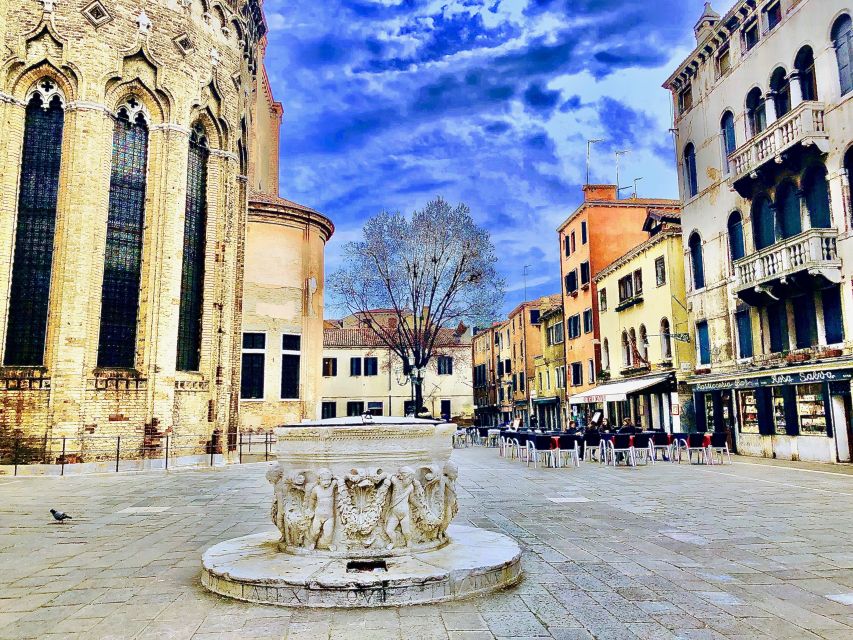
No architecture tour is complete without the public space that surrounds it. Here, that role is filled by Campo San Giovanni e Paolo, described as one of Venice’s most beautiful squares. And it’s a smart choice for a guided walk, because squares are where Venice’s social life shows up through stone.
When you stop in a place like this, your guide can connect the building to the city’s rhythm: how a square supports gathering, how it frames viewpoints, and how public space reinforces status. You also tend to notice the way the square’s geometry directs your eyes back to the church and surrounding structure.
This stop is also a good mental break. You’ve been walking. Now you can pause, look, and let the information settle. In a short two-hour tour, that kind of pause is gold.
How the private licensed guide changes the pacing
This isn’t a big bus-style tour. It’s built around a private licensed guide for 2 hours, in a small group capped at 8 participants. That smaller number is what keeps the experience flexible. It’s also what makes it easier to hear answers without craning your neck or missing key points.
Your guide can talk at the level you want and respond to questions as you go. In one standout case I’m using as a model for what you should look for in a guide, Gentiana was described as answering questions fully and adjusting the tour to the group’s interests in architecture and history. Even if your guide isn’t the same person, the format supports that kind of interaction when the guide is paying attention.
Flexibility also seems to matter. There’s an example of a walk adjusting when a request was made to start from a different point. That’s not something you should assume automatically, but it signals that the team understands this isn’t one-size-fits-all.
Language options are another practical advantage. The tour is offered in English, French, German, Spanish, and Italian, so you’re not stuck with a “best guess” translation. Better language usually means better questions, and better questions usually mean better understanding.
Price and value: is $150.10 per person worth it?
At $150.10 per person for a 2-hour private licensed walking tour, you’re paying for two things: time and interpretation. You’re not paying for transportation or a museum ticket. You’re paying for someone licensed to guide you through Venice’s art and architecture while you move through the city.
That price can feel high if you’re comparing it to a casual free-walk plan. But Venice isn’t casual. The city is hard to read without help, and the time cost is real. A guided walk saves you from wandering randomly, and it saves you from turning every church into a blur.
The value gets better because the tour is built around quieter, off-the-crowd areas. You’re buying attention, not just access. And you may get the benefit of skip-the-ticket-line language in the tour description, but do note the important practical point: it’s still an external tour unless you choose to enter churches and pay on the spot.
Where this fits best is when you care about architectural meaning and you want to leave Venice with a clearer sense of how style shifts connect to the way La Serenissima worked.
Practical tips that keep the experience smooth
This walk is listed as not suitable for wheelchair users, and Venice sidewalks can be uneven. Even if you can walk fine, it’s still wise to wear comfortable shoes. Two hours in Venice can turn into extra minutes fast.
Also remember: this is an external walking tour. If you want to go inside churches, you’ll need to pay entrance fees on the spot. If you’re the kind of person who likes to decide on the day, you’re fine. If you know you want interiors, go in with the expectation that there will be a few extra costs.
One more small consideration: guidance in tight Venetian spaces can feel close. In a less positive experience described by someone, the guide kept too little distance, and the tour felt too short. That’s not guaranteed, but it’s a fair reason to communicate your comfort level early. If you prefer extra personal space, say so at the start. Good guides adjust.
Finally, plan for a “no food” format. Food and drink aren’t included, so you’ll want to eat before or after. Two hours is short enough that hunger can sneak up and disrupt your attention to detail, so a quick snack plan is smart.
Who should book this tour, and who might skip it
This tour is ideal if you:
- want architecture and art context without committing to multiple long museum visits
- prefer a route that avoids the strongest crowd magnet near St Mark’s
- enjoy learning how Venice’s public identity shows up in churches, squares, and names like Corte del Milion
You might think twice if you:
- want a guaranteed inside-church experience for every stop
- strongly dislike close movement in crowded or narrow areas
- need accessibility support beyond what a normal Venice walking route provides
Should you book this Venice Art and Architecture Private Walking Tour?
If your idea of Venice includes reading buildings as part of a story, this is a strong booking. The best part is that it’s designed to keep your head clear: two hours, a private licensed guide, and a route that favors quieter architecture like Santa Maria dei Miracoli and Santi Giovanni e Paolo.
Book it when you want less crowd stress and more meaning per minute. If you’re excited about interiors, plan for the extra entrance fees and treat the walk as the guided framework, not the full stop-to-stop ticket package.
If you’re flexible, curious, and you like asking questions while you walk, this tour will likely feel like the kind of Venice you can carry home with you.
FAQ
Is this tour inside the churches?
This is only an external walking tour and does not go inside the churches. If you want to enter the churches with your guide, you pay the extra entrance fee on the spot.
How long is the Venice Art and Architecture Private Walking Tour?
The tour duration is 2 hours.
Where do I meet the guide?
Meet at Campo San Bartolomeo, in front of the statue of Goldoni. You should arrive 15 minutes before departure. The meeting point address is Campo San Bartolomeo, Rialto 5282, 30124.
Is hotel pickup included?
Hotel pick-up is included if you arrange it from hotels within the St Mark’s area.
What languages are available?
The live tour guide is available in English, French, German, Spanish, and Italian.
Is there a group size limit?
Yes. The tour is a small group with a maximum of 8 participants.
Is the tour wheelchair accessible?
No, it is not suitable for wheelchair users.
What’s included in the price?
Included are a private licensed guide for 2 hours. You also have hotel pick-up on arrangement from hotels within the St Mark’s area. Entrance fees to churches and food and drink are not included.