REVIEW · VENICE
Venice: 1.5-Hour Wandering Around the City
Book on GetYourGuide →Operated by Venice Boat Experience · Bookable on GetYourGuide
Venice teaches history on foot. This 1.5-hour wander threads together the city’s most recognizable landmarks, from St. Mark’s Square to the Mercerie shopping streets, with stories that explain why the Serenissima mattered for centuries. I especially like how the route hits major civic sites first, so you understand the power and layout of Venice fast.
I also like the way you move through different corners of the city—squares, schools, theatres, and famous houses—so Venice feels like a living place, not a photo stop. One thing to consider: guide style can vary. One past booking mentioned the guide name Silvana shared plenty of facts, but passion wasn’t as strong, so if you care most about storytelling, you’ll want to pick your departure carefully.
In This Review
- Key things I think matter most
- A 1.5-Hour Venice Primer: Why This Walk Works
- Meeting Point and Timing Near St. Mark’s
- Piazza San Marco: Basilica, Ducal Palace Area, and the Towers Story
- Santa Maria Formosa Square: Smaller Space, Better Context
- Campo SS. Giovanni e Paolo: Doge’s Pantheon and Charity Power
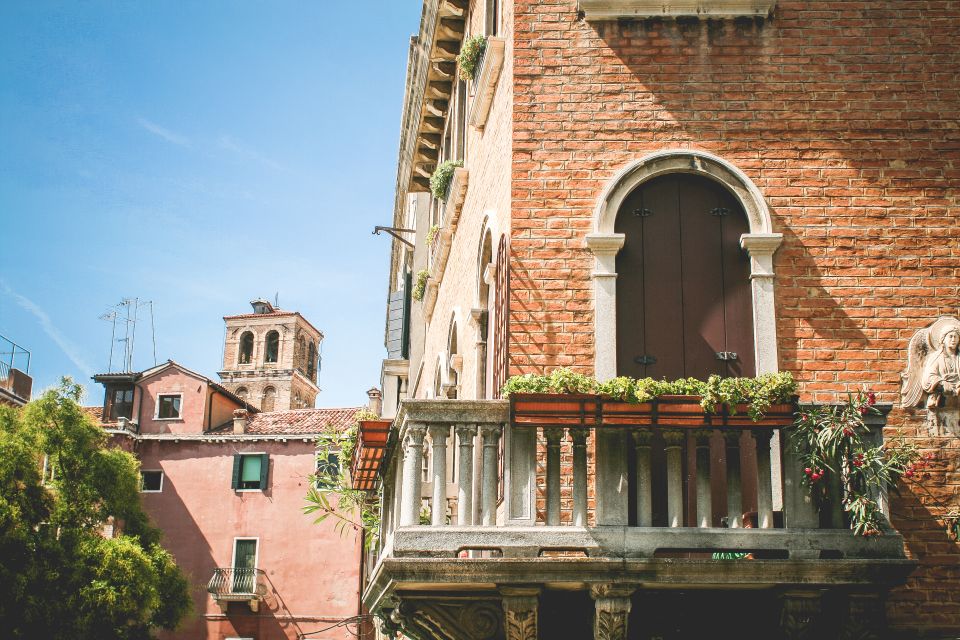
- Marco Polo’s House and Malibran Theatre: Stories Between Monuments
- Mercerie to Rialto Connections: The Street You’ll Remember
- The Optional Glass Furnace Stop: Venetian Craft After the Sights
- Price and Guide Value: Is $41 Worth It?
- Who This Tour Fits Best
- Should You Book This 1.5-Hour Wandering Tour?
- FAQ
- Where is the meeting point?
- How early should I arrive?
- How long is the tour?
- What does the tour include?
- What languages are offered?
- Is there a lot of walking?
- How much does it cost?
- Is there an optional extra at the end?
- Can I get a refund if I cancel?
Key things I think matter most
- A tight 1.5-hour route that covers landmarks most first-time visitors miss
- St. Mark’s Square focus on the Basilica, Doge’s palace area, and key towers
- Campo SS. Giovanni e Paolo stops tied to the Doge’s Pantheon and major charitable institutions
- Mercerie walking segment that links Rialto and St. Mark’s with real street-life and shopping
- Marco Polo’s House and Malibran Theatre with anecdotes between the monuments
- Optional glass furnace visit for a hands-on taste of Venetian glass craft
A 1.5-Hour Venice Primer: Why This Walk Works
If you only have a small window in Venice, you still want the city’s spine: where power sat, where people gathered, and where commerce moved. This tour is built around that idea. In about 90 minutes, you cover a run of must-see areas that usually take much longer to connect on your own.
I like the pace. It’s long enough to hear context for major landmarks, but short enough that you’re not burned out before you even start exploring on your own. Venice is all walking and turning corners, so a guided route helps you avoid aimless wandering—and it keeps you from spending your first afternoon stuck staring at street signs.
The itinerary also makes sense for first-timers. You start at the city’s showpiece and then progressively move into other important squares and historic institutions. By the time you reach the Mercerie area, you’re not just moving through streets—you’re understanding how Venice’s layout connects.
You can also read our reviews of more city tours in Venice


Meeting Point and Timing Near St. Mark’s
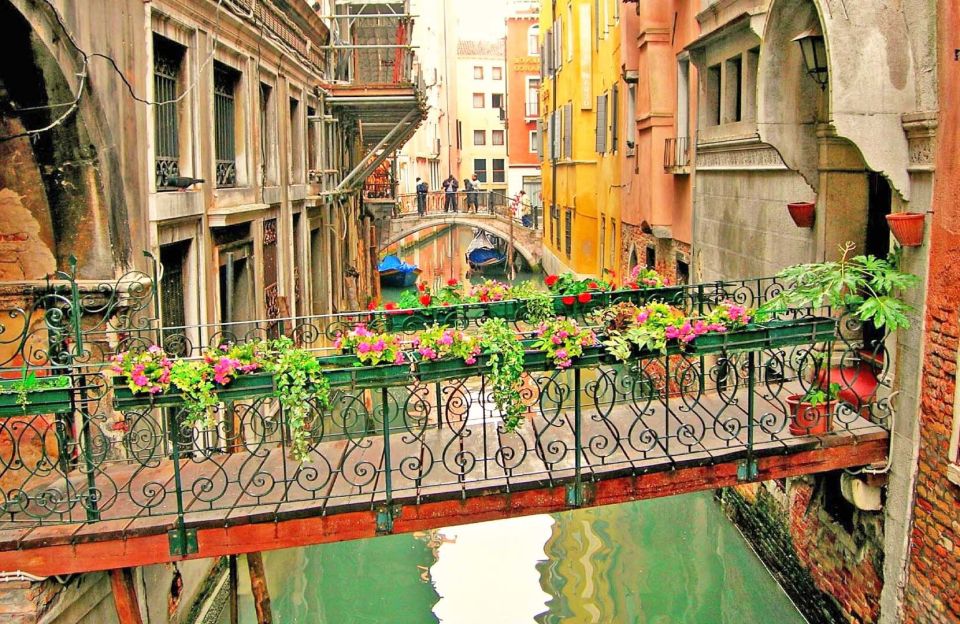
You’ll meet at Calle Larga de l’Ascension, right in front of the TURIVE kiosk near St. Mark’s Square. Plan to arrive 15 minutes early. In Venice, that buffer is not optional. Streets are narrow, signage can be confusing, and you’ll want time to find the exact kiosk area without stress.
Duration is 1.5 hours, with moderate walking. That usually means comfortable shoes matter more than anything else. If you’re the type who needs frequent breaks, Venice can test that—so go in with realistic expectations and pace yourself.
The tour offers live guiding in German, English, Spanish, and French, and adult pricing applies to everyone. If you have language preferences, lock those in early so you’re not stuck with the closest departure time.
Piazza San Marco: Basilica, Ducal Palace Area, and the Towers Story
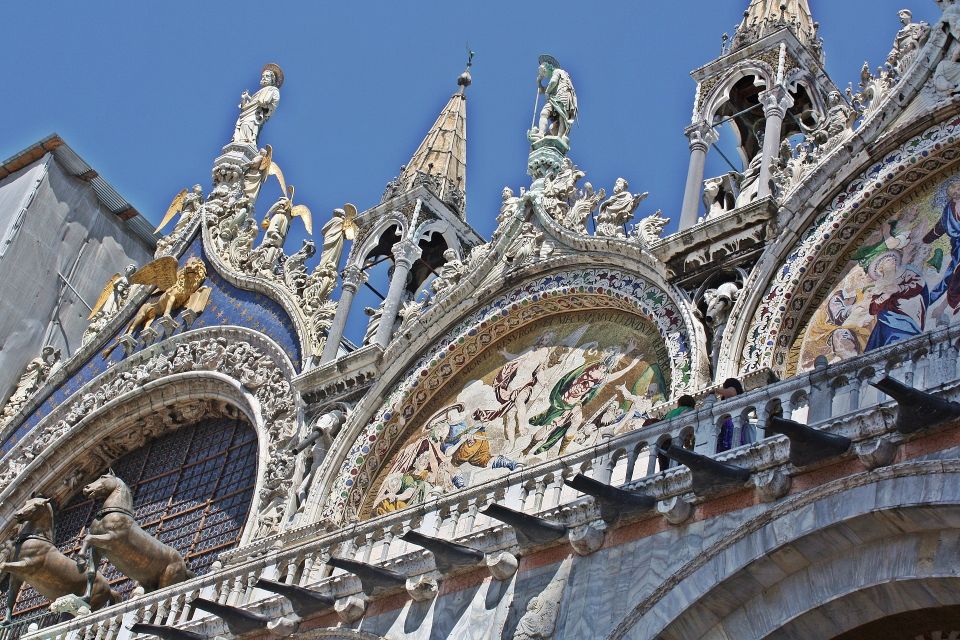
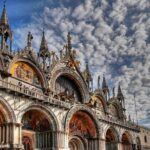
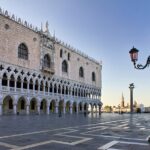
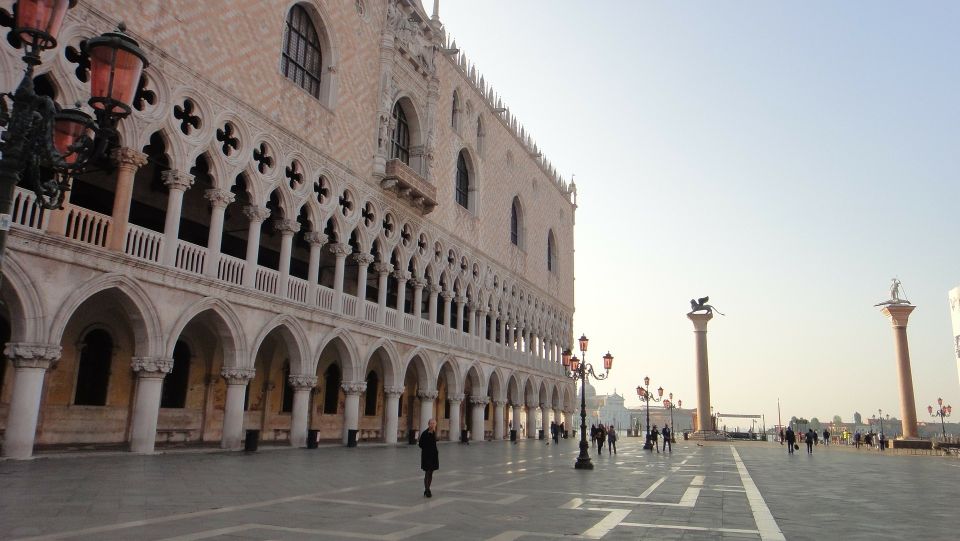
Piazza San Marco is the starting point for a reason. It’s where Venice projected authority, ceremony, and wealth. The tour begins here by walking you through the square’s origins and then pointing out the main monuments you’ll keep seeing referenced across the rest of your trip.
You’ll focus on:
- Basilica San Marco
- Palazzo Ducale (Doge’s Palace)
- Bell Tower
- Clock Tower
- Procuratie
Even if you’ve seen these names before, having them stitched together helps. You learn not just what you’re looking at, but what each landmark represented—civic power, public ceremony, and the city’s identity as the Serenissima Republic. If you’ve been wondering why Venice looks the way it does—why the center feels so theatrical—this is where that question starts getting answered.
A practical tip: St. Mark’s Square can feel like a magnet for crowds. The value of a guided walk here is that you don’t lose time trying to interpret architectural details while people move past you. You get orientation, then you can choose how long to linger later.
Santa Maria Formosa Square: Smaller Space, Better Context
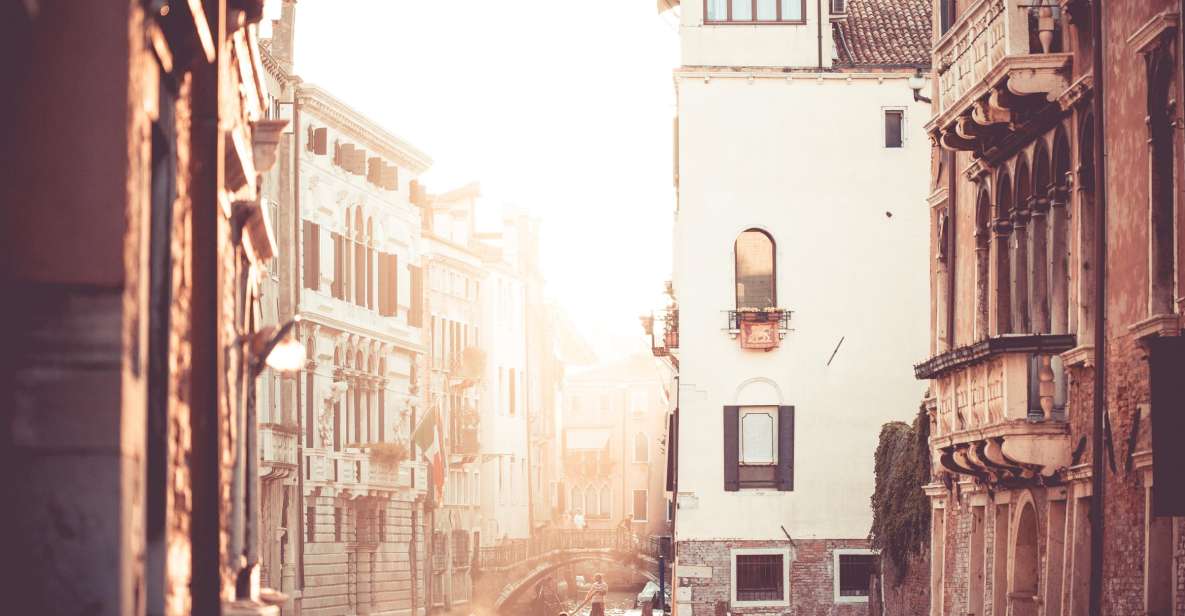
After the big reveal of St. Mark’s, you move to Santa Maria Formosa Square. This stop matters because it shifts the feel of the tour from grand spectacle to a more human scale.
You’ll hear history and anecdotes tied to the square—plus you’ll start connecting it to what comes next, including the route toward Campo SS. Giovanni e Paolo. I like this contrast. Venice can be overwhelming at first. When the tour pulls you into a different kind of public space, you get a clearer sense of how everyday life and power coexisted.
This is also a good moment to watch how people use the space—where they pass through, where they linger, and how the surrounding streets shape the flow. That’s the kind of detail you’ll carry with you when you branch off later to explore more quietly.
Campo SS. Giovanni e Paolo: Doge’s Pantheon and Charity Power
Next comes Campo SS. Giovanni e Paolo, a major historical stop tied to elite Venetian institutions. The anchor idea here is how the Republic honored and managed leadership, faith, and civic responsibilities all in one zone.
The tour highlights include:
- The Doge’s Pantheon
- The Great School of Charity
- The Captains of Fortune
This combination is why I think the stop is more than a checklist. The Doge’s Pantheon connects the city’s political leadership to spiritual and memorial traditions. The charitable institution ties power to social responsibility, showing that Venice’s system wasn’t only about rulers in palaces. And the mention of Captains of Fortune points toward the organized world of prestige and ventures—Venice’s ability to reward those who drove outcomes.
You’ll leave this stop with a better mental map of Venice’s identity: not just art and architecture, but institutions and systems.
If you’re the kind of person who enjoys learning what buildings were for, this part tends to land well.




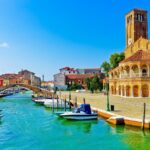
Marco Polo’s House and Malibran Theatre: Stories Between Monuments
The route then turns toward two names that make people sit up: Marco Polo’s House and Malibran Theatre. Here, the value is in the anecdotes. Venice is full of famous names, but what you care about is how they connect to the city’s evolving life.
You’ll hear how past and more recent history cross in this corner of Venice. That matters because Venice didn’t freeze in time. It changed—politically, culturally, and in the way people enjoyed entertainment, theatre, and public identity. Marco Polo’s name gives you a doorway into the idea of Venetian reach, while Malibran Theatre helps you feel how arts and performance fit into daily life.
A small practical consideration: these are not always the easiest places for quick photos depending on crowds and street layout. I treat this portion like listening time first, and photo time second.
Mercerie to Rialto Connections: The Street You’ll Remember
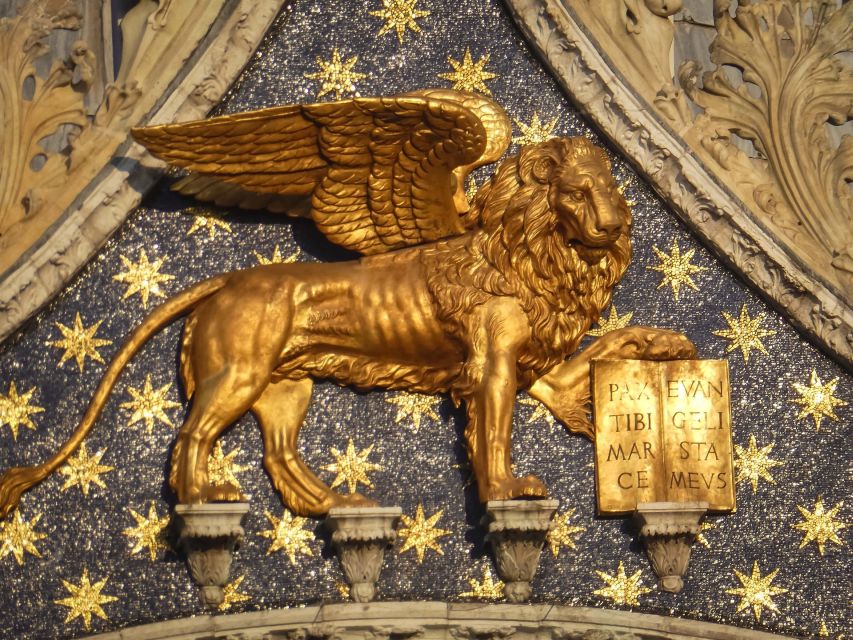
One of the smartest parts of the tour is how it transitions through Mercerie. Mercerie is described as a vital connection between Rialto and San Marco, and it also doubles as Venice’s main street for city shopping.
This segment is where the walk becomes more than history talk. You start moving through a commercial spine. Even if you don’t buy anything, you’ll get a feel for where the city channels movement and attention.
I like this because it gives you an immediate use for the information you just learned. After hearing about Venice’s political center and major institutions, you see the city’s practical arteries—where people trade, shop, and circulate.
If you’re hoping to return later for your own exploring, this is the part that makes navigation easier. You’ll know what direction you’re walking and why that stretch matters.
The Optional Glass Furnace Stop: Venetian Craft After the Sights
At the end, you may have an optional visit to a glass furnace—a touch of the Venetian greatest art. This is a good choice if you want something beyond stone and legend.
Even without detailed mechanics included in the tour description, the concept is clear: Venice built a reputation for high craft, and glassmaking is part of that identity. If you’re curious about how the city’s art world extends into real processes, this add-on can make your final stretch feel more grounded and less purely sightseeing.
If you’d rather keep the time purely centered on walking and monuments, you can treat the furnace option as optional—use it only if it fits what you want from your day.
Price and Guide Value: Is $41 Worth It?
The price is $41 per person for a 1.5-hour walking tour with a licensed guide. Whether that’s “worth it” comes down to one question: do you want orientation and context, or do you want to wander alone?
For me, the value is the guided linking of sites. St. Mark’s Square alone can turn into a confusing blur of names and architecture if you don’t get a guide to explain how each piece relates. Likewise, places like Campo SS. Giovanni e Paolo can be truly meaningful only when someone frames the story for you—Doge’s Pantheon, charity institutions, and the Captains of Fortune reference points are not always obvious on sight.
So if your goal is to learn quickly and move confidently, the cost makes sense. If you’re already comfortable navigating and you love reading on your phone, you could do it alone cheaper. But you’d likely trade away the time-saving context.
One more note: guide enthusiasm can vary. One past experience mentioned the guide Silvana gave a lot of information but wasn’t overly passionate. That doesn’t ruin the tour, but it’s a reminder that “lots of facts” and “great storytelling” are not always the same thing. If you care about narrative style, prioritize matching your language and departure.
Who This Tour Fits Best
This tour works best if you:
- Want a fast overview of Venice’s major historic anchors
- Prefer learning while walking rather than planning a long self-guided route
- Like hearing how civic institutions connect to the places you see
- Are comfortable with moderate walking for about 90 minutes
It may not fit if:
- You hate crowds and want only quiet lanes (St. Mark’s area can be busy)
- You dislike guided group pacing and prefer full freedom
- You want deep time at one monument rather than broad coverage
Should You Book This 1.5-Hour Wandering Tour?
I’d book it if you want to get your bearings fast and leave with a clearer story of Venice. The route hits the biggest landmark themes—power at St. Mark’s, institutional Venice at Campo SS. Giovanni e Paolo, famous names like Marco Polo, and the Mercerie connection toward Rialto. For $41, the time-saving and context are the real benefit.
I’d skip or reconsider if your priority is a long, slow visit to just one interior site. This is an “essential tour” style walk, not a deep dive into one building.
If you can handle moderate walking and you’ll appreciate practical guidance in English, German, Spanish, or French, this one is a smart way to spend a small chunk of your Venice day.
FAQ
Where is the meeting point?
You meet at Calle Larga de l’Ascension, in front of the TURIVE kiosk near St. Mark’s square.
How early should I arrive?
Plan to arrive about 15 minutes before the scheduled departure time.
How long is the tour?
The duration is 1.5 hours.
What does the tour include?
It includes a walking tour with a licensed guide.
What languages are offered?
The live tour guide is available in German, English, Spanish, and French.
Is there a lot of walking?
There is a moderate amount of walking involved.
How much does it cost?
Adult pricing applies to all travelers, and the price is $41 per person.
Is there an optional extra at the end?
Yes, there is an optional visit to a glass furnace for a touch of Venetian glass art.
Can I get a refund if I cancel?
Free cancellation is available up to 24 hours in advance for a full refund.