REVIEW · VENICE
Morning Walking Tour of Venice with Mini Cruise
Book on Viator →Operated by Consorzio Vidali Group · Bookable on Viator
Venice in two hours beats aimless wandering. This morning walk packs Piazza San Marco and Rialto into a tight route, then adds boat time so you’re not stuck on foot the whole morning. The trade-off: the group can include multiple languages, so English may start a bit later on some departures.
I like that you get both big landmarks and real neighborhood texture, including a stop in the Jewish Ghetto area and a final look at daily life near Venezia Santa Lucia. It’s the kind of tour that helps you get your bearings fast before you start choosing your own paths for the rest of the trip.
One thing to keep in mind: the experience is short, and there’s a lot of ground to cover, so it won’t feel like a slow, deep study of one site.
In This Review
- Key things to know before you go
- Two hours of Venice value: why this tour costs $29.79
- Meeting at Riva degli Schiavoni, then walking into the icons
- Piazza San Marco in a time box: what you’ll actually notice
- Rialto Bridge and the Canal Grande: the skyline shot, explained
- Santa Sofia, a quick gondola hop, and the Rialto-market side
- Strada Nova and the Jewish Ghetto: why neighborhoods matter
- Finishing at Venezia Santa Lucia: modern Venice, not just monuments
- The experience style: guides, language mix, and hearing the story
- Pacing and comfort: what to expect from the walking
- Should you book this morning Venice walk + mini cruise?
- FAQ
- What time does the tour start, and where?
- How long is the walking tour with mini cruise?
- Is the gondola ride included in the price?
- Are there admission tickets required for the stops?
- Is the tour offered in English?
- Is there an access fee for day visitors staying outside Venice?
Key things to know before you go
- A focused morning loop that moves from San Marco toward Rialto, then into quieter Venice by the Jewish Ghetto
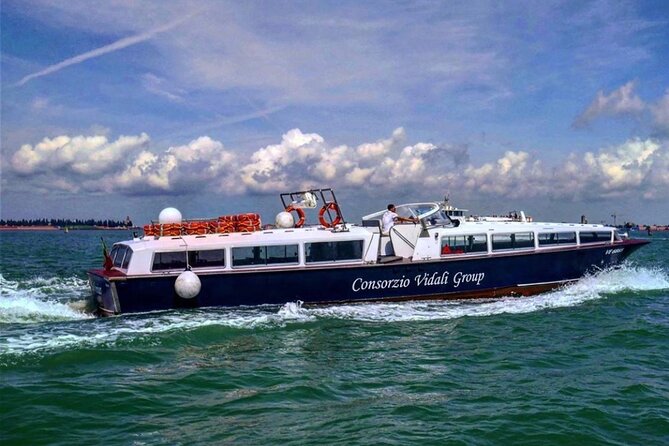
- Boat time included, including a motorboat ride through the Giudecca Canal as part of the morning plan
- Optional gondola across the Grand Canal for an extra €2
- Short stop format (think 10–20 minutes each) so you see more, but don’t linger
- Max group size 25 for a more manageable pace in a crowded city
- English is offered, but mixed-language groups can affect how quickly the guide switches to English
Two hours of Venice value: why this tour costs $29.79
At $29.79 per person, this is priced like a “high-efficiency” Venice overview. You’re paying for a guide-led route, plus private transportation that includes the water segments, not just a basic walking stroll.
The stop entries in this plan are marked as ticket-free, which matters in Venice where “little” admission costs add up quickly. The only clearly stated extra is the gondola ride (optional) at €2, plus your own food and drinks.
Two small cost reality checks. First, if you’re staying outside Venice and visiting for the day, you may need to plan for a €5 access fee on certain dates. Second, because this runs in a tight window (about 2 hours starting at 9:30am), it’s not the best choice if you want a long, unhurried tour.
This is a good fit for first-timers who want the essentials and a sense of how the city connects—especially since Venice can feel like a maze the first morning you arrive.
You can also read our reviews of more walking tours in Venice
Meeting at Riva degli Schiavoni, then walking into the icons
The tour starts at Riva degli Schiavoni, 4142, 30122 Venezia VE at 9:30am. That’s a smart place to begin because you get quick access to the waterfront side of central Venice, right where the city’s postcard views start.
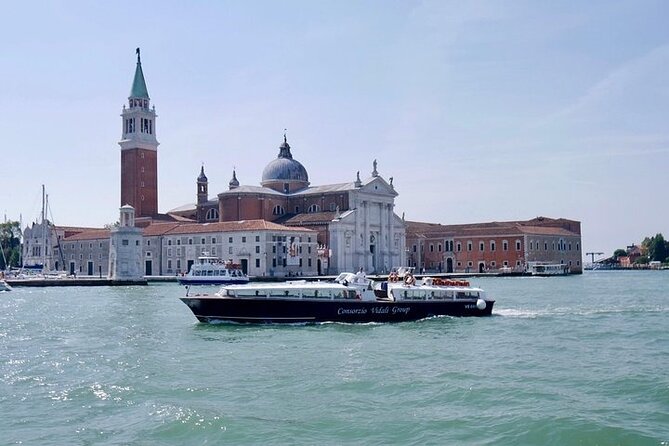
From there, the plan includes a pass along one of the most scenic stretches near the viewpoint over the Bacino di San Marco (the lagoon basin). It’s a nice warm-up before you go full throttle into the famous squares and bridges.
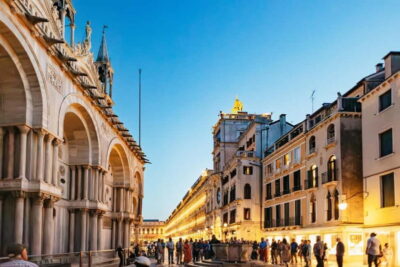
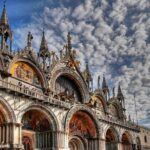
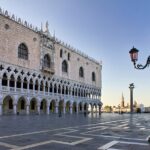
You’ll then hit Piazza San Marco, the tour’s biggest anchor. It’s given about 15 minutes, which is plenty to orient yourself: where the space opens up, how the edges work, and why San Marco feels like the social center of Venice.
Practical note: even in the morning, Piazza San Marco attracts crowds. Since the tour is time-boxed, you’ll get less “space to breathe” than if you visited on your own.
Piazza San Marco in a time box: what you’ll actually notice
With a stop of around 15 minutes, you’re not meant to memorize architecture details. Instead, you’re meant to notice the structure of the place:
- The way the square behaves as a hub (walkways radiate outward)
- How close the “main sights” are to each other
- Why Venice’s power lived here—then moved into the neighborhoods
I like this style because it helps you avoid the classic Venice first-day problem: seeing landmarks without understanding what connects them. You leave Piazza San Marco with a clearer map in your head.
Also, because Venice weather and crowding can change quickly, a fixed morning stop reduces the risk of losing your whole day to wandering.
Rialto Bridge and the Canal Grande: the skyline shot, explained
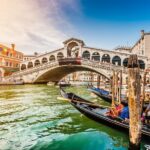
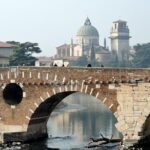
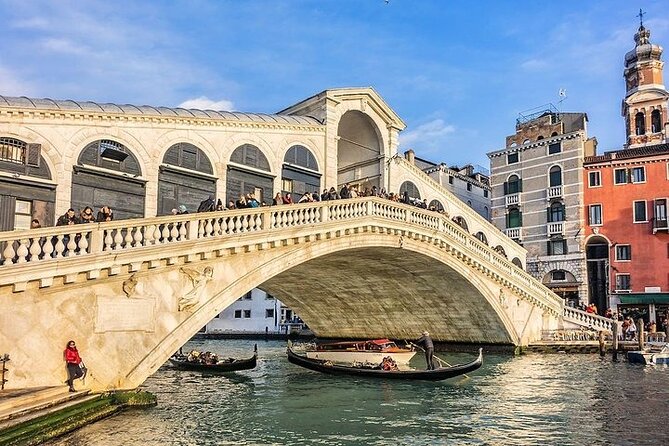
Next comes Ponte di Rialto (about 10 minutes). It’s one of those places where you don’t need a long stop to understand why it matters. The bridge is old, built for movement, and it frames a view that screams Venice.
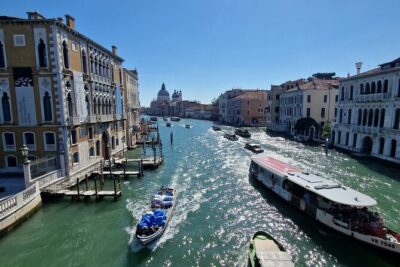
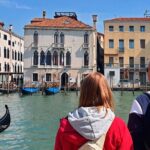
After that, you’ll spend around 10 minutes on Canal Grande, the city’s main water corridor. This matters because Venice is easier to understand when you think in waterways first. The canal is what splits neighborhoods, links commerce, and explains why so many streets feel like they orbit the water.
From a pacing standpoint, this is where the tour starts to feel efficient. From a sightseeing standpoint, it’s where you get your “classic Venice” fix without needing to plan extra transportation.
If you prefer calmer views, go early: the route is designed for a morning start, and morning light does wonders on the canal edges.
Santa Sofia, a quick gondola hop, and the Rialto-market side
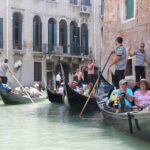
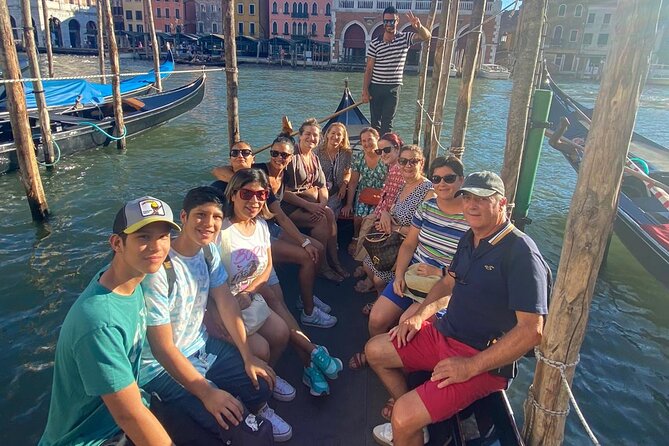
One of the most interesting transitions is the stop at Chiesa di Santa Sofia (about 10 minutes). From there, the plan includes an optional gondola ride across the Grand Canal. The gondola is listed as an inexpensive extra at €2, so you can decide on the spot whether you want the full canal-crossing experience.
This part is valuable even if you’re not a gondola person. Why? Because it’s a shortcut to understanding how the city’s halves relate. You also trade some walking time for a canal view, which feels like a “reset” during a busy morning.
On the other side, you’re directed toward the Rialto Market area. That shift—from monumental sights to the market zone—gives you a sense of Venice as both pageant and working city.
Caution: gondola decisions are personal. If you’re traveling on a strict budget, skipping it keeps costs down. If you want the boat-and-bridge photo set, the €2 add-on is an easy yes.
You can also read our reviews of more boat tours in Venice


Strada Nova and the Jewish Ghetto: why neighborhoods matter
The route then moves to Strada Nova (about 20 minutes). This is Venice’s main road feel in the sense that it connects parts of the city you’d otherwise struggle to link on your first day. In practical terms, it helps you understand traffic patterns—both pedestrian paths and the way the city’s flow changes as you move away from the big squares.
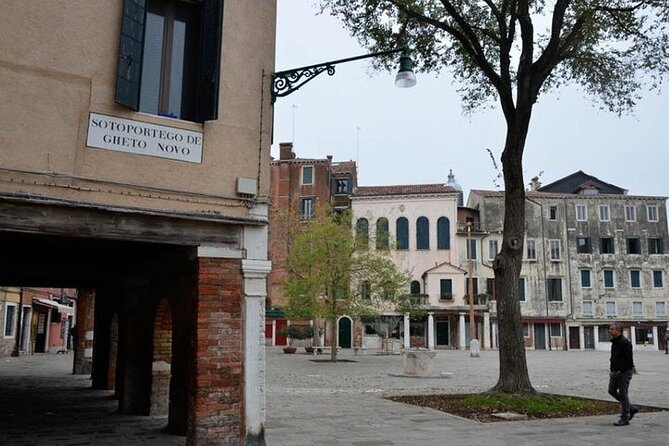
After that, you’ll reach Antico Quartiere Ebraico, the Jewish Ghetto area (about 15 minutes). This stop is one of the tour’s strongest reasons to book at all. You’re not just ticking off famous points—you’re learning how Venice shaped life for real communities, including the history behind why Jews were compelled to live in this district under the Venetian Republic. The famous word ghetto is tied to this place.
Even if you’re not a “history tour” person, this makes the whole morning feel more grounded. Venice isn’t only palaces and bridges. It’s also politics, rules, and survival—and those stories show up in the streets.
If you want one takeaway from this tour, I’d make it this: the Jewish Ghetto stop changes how you read the city after you leave.
Finishing at Venezia Santa Lucia: modern Venice, not just monuments
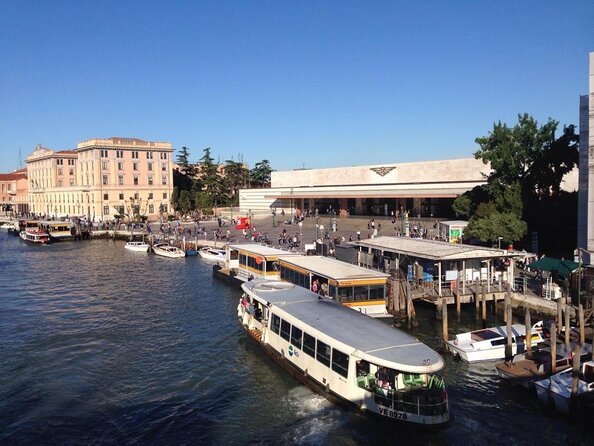
The tour ends near Stazione di Venezia Santa Lucia (about 15 minutes). Instead of wrapping up with another postcard moment, the guide explains something more practical: how Venetians live in modern times.
That’s a smart final lesson because it helps you stop treating Venice like a museum. You get a sense of the city as a place where people still work, commute, and make daily choices—right up against the tourism center.
Ending at the station is also convenient. If you’re taking a train later, you don’t have to fight for transport across the city after a walking morning.
One small downside: if you’re hoping for a final stop right back near St. Mark’s, this plan does not match that expectation. It’s built as a one-way morning circuit that ends at Santa Lucia.
The experience style: guides, language mix, and hearing the story
This tour depends heavily on the guide and how the group is organized.
Some guides have been highlighted by name—Irena, Julie, and Martha—for making the walking route fun and informative, including in English. When a guide keeps things clear, the whole morning feels like a fast-but-meaningful orientation.
But here’s the fair warning that affects your enjoyment: even when a tour is offered in English, the guide may work with tourists speaking other languages in the same group. In that situation, English can start after other language segments finish, so you might stand around longer than expected. Add Venice crowd noise, and it can get harder to hear.
Audio is also a practical factor. Some people felt the presentation was tough to follow without better audio support. If you’re sensitive to sound issues, consider bringing your own hearing-assist strategy (for example, positioning yourself closer to the front).
My advice: if English-first matters a lot to you, pick your departure date carefully and arrive early so you’re in the best spot to hear.
Pacing and comfort: what to expect from the walking
This is a morning built for movement. With multiple short stops across central Venice, you should plan on several miles of walking over the course of the tour.
Venice streets are crowded and often uneven. Even when it’s “just walking,” it’s still a workout: cobblestones, tight corners, and stopping-and-starting. If walking comfort is a concern, know that it’s described as not recommended but possible for travelers with walking disabilities.
What helps: sturdy shoes and a calm attitude about navigation. Part of the point of a guided loop is that you don’t have to solve Venice geography while you’re tired.
Also, because it’s about 2 hours, you’ll feel the time pressure. It’s designed for an overview, not for taking your time at each site.
Should you book this morning Venice walk + mini cruise?
Book it if you want:
- A fast first-morning orientation that hits San Marco, Rialto, and a major neighborhood like the Jewish Ghetto
- A guided route that reduces your need to plan connections
- Boat segments for a different angle of Venice, including a Giudecca Canal motorboat ride and an optional gondola for €2
Skip it (or choose something else) if you:
- Need a strict English-only experience with no waiting
- Want slower, deeper explanations at one site
- Struggle with hearing in crowds or prefer a tour with stronger audio support
My final call: for many visitors, this is a solid way to turn a half-day into a real map of Venice. If you’re the type who likes to return later and linger on what caught your attention, this tour is exactly the kind of “morning setup” that makes the rest of your trip feel easier.
FAQ
What time does the tour start, and where?
It starts at 9:30am and meets at Riva degli Schiavoni, 4142, 30122 Venezia. The tour ends at Venezia Santa Lucia.
How long is the walking tour with mini cruise?
The duration is about 2 hours.
Is the gondola ride included in the price?
No. The gondola ride is an extra cost at about €2. It’s described as nominal and optional.
Are there admission tickets required for the stops?
The listed stops are marked as free admission within this tour plan.
Is the tour offered in English?
It’s offered in English, but the guide may manage multiple languages within the same group depending on how the departure is organized.
Is there an access fee for day visitors staying outside Venice?
For some dates, visitors staying outside Venice who plan to visit for the day may need to pay a €5 access fee. The applicable days and exemptions are listed on the official Venice access fee information page provided.