REVIEW · VENICE
Venice Wheelchair-Accessible Private Tour
Book on Viator →Operated by deTourist Venice Valerio Coppo · Bookable on Viator
Venice can be tough with mobility needs.
This private wheelchair-accessible tour is designed to make the city feel navigable, not intimidating, with routes tailored to your pace and needs.
I especially like the way this tour treats access as more than ramps. You get guides who plan around bridges, steps, and long walks, and that matters in a city where Venice is basically built out of corners, canals, and “one more bridge” surprises. I also like the human communication side: guides such as Valerio Coppo can adapt for hearing needs, and Genny brings a calm, off-the-beaten-track style that keeps the experience comfortable.
One consideration: Venice is still Venice. Even on an accessible route, you’ll want to expect some compromises from the city’s physical layout, and the pricing can grow if you extend beyond the first part of your time window.
In This Review
- Key things to know before you go
- Turning Venice’s Steps and Bridges Into an Actual Plan
- Private and Personalized: You Set the Tone, the Guide Adjusts
- The Route Experience: Castello Toward Cannaregio, With Room to Breathe
- Dorsoduro Perspectives and Off-the-Beaten-Track Quiet
- Accessibility That Includes Hearing, Communication, and Choice
- What You’re Paying For: Value in Flexibility and Trained Support
- Time on the Ground: How to Think About 2 to 8 Hours in Venice
- Getting Around: Water Bus Tickets and Simple Transit Logic
- Who This Tour Suits Best
- Should You Book This Wheelchair-Accessible Private Tour?
- FAQ
- Is this tour private?
- How long is the wheelchair-accessible Venice private tour?
- Is hotel pickup included?
- What language is the tour in?
- Is this suitable for wheelchair users and strollers?
- Are service animals allowed?
- Are water bus tickets included?
- Are there extra fees?
- Is there any access fee for certain visitors?
- Is free cancellation available?
Key things to know before you go
- Wheelchair and stroller-friendly routing that can reduce bridges and long stretches
- Truly private tour for just your group, with customizable pacing
- Accessibility training built in, including Tourism4all education
- Support for more than mobility, including hearing and visual communication needs
- Guides stay engaged, including coordination before and advice after the tour
- Private time flexibility from 2 to 8 hours, with costs that may change if you go longer
Turning Venice’s Steps and Bridges Into an Actual Plan
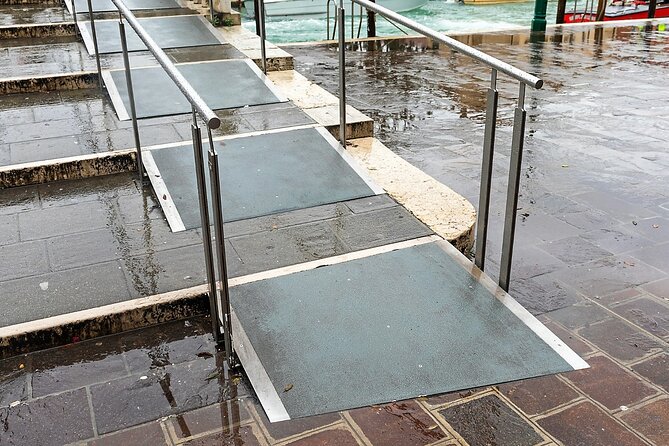
Venice has a reputation for being photogenic and romantic. It also has a reputation for being difficult. That difficulty isn’t theoretical. It’s the hundreds of bridges, the constant climbing and descending steps, and the way streets can feel confusing when you’re managing mobility limits—or sensory and cognitive overload.
What I like about this tour is that it starts from that reality and works backward. Instead of pushing you to “just keep going,” the route is built around your constraints. If you’re using a wheelchair or traveling with a stroller, the goal is to avoid too many bridges and long walks. If you have sensory or cognitive needs—like hearing loss, visual limitations, or difficulty processing busy environments—the guide customizes the experience so it’s still usable and genuinely enjoyable.
This is where the “private” part becomes more than a price tag. A group tour is stuck to the route it has. Here, your guide can shift direction, slow down, change the order of sights, and aim for calmer routes. In Venice, that often makes the difference between a stressful day and a memorable one.
You can also read our reviews of more private tours in Venice
Private and Personalized: You Set the Tone, the Guide Adjusts
This is a private tour, so it’s not a crowd march. Only your group participates, and the tour is described as customizable across different needs. That flexibility shows up in the way the guides approach communication and timing.
Take the coordination style. Valerio Coppo is noted for staying in contact before the tour so you understand the time and the meeting spot. After the tour, he also follows up with advice on best routes. That kind of pre- and post-planning matters because Venice isn’t just what you do in the moment. It’s also how you get from place to place after the guide leaves you.
Genny is another guide name connected with this service, and her approach is described as friendly and focused on quieter routes and perspectives that aren’t the obvious tourist lines. In Venice, that often translates into a more relaxed atmosphere, less visual noise, and more time actually looking around instead of bracing for the next obstacle.
The tour also supports more than one kind of “access need.” It’s described as suitable for wheelchair users and also for people traveling with strollers. And for sensory and cognitive needs, the guide adapts so you don’t just survive the city—you enjoy it.
The Route Experience: Castello Toward Cannaregio, With Room to Breathe
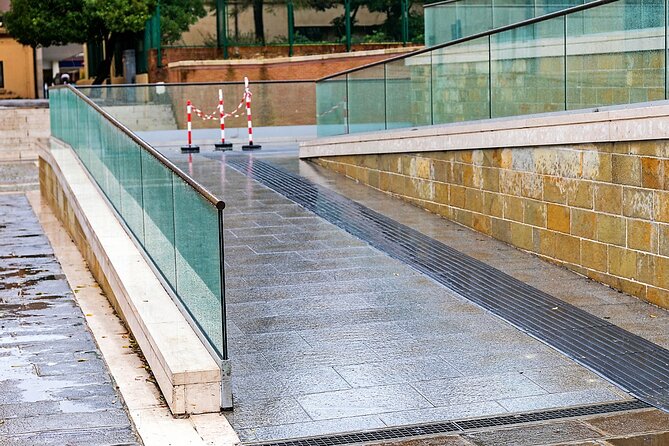
A common style of routing mentioned for the experience is moving through Castello toward the northwest, heading in the direction of Cannaregio. If you’re looking for Venice beyond the postcard lanes, this kind of movement tends to feel more like you’re learning the city’s rhythm than checking off monuments.
One practical benefit of this route style is that it naturally supports pacing. Instead of a relentless hop between landmarks, you’re traveling through neighborhoods with space to pause, regroup, and take in details at a speed that fits your body and attention span.
In Cannaregio, the tour includes a pause for calmer breaks—specifically time in parks described as hidden and tucked away, where kids can play and families can relax. Even if you don’t have children, parks like this are useful in Venice. They give your legs a reset, your eyes a rest, and your brain a chance to stop processing crowds for a minute.
What to watch for: Venice neighborhoods still mean turning corners, crossing streets, and dealing with variable ground. A guide that personalizes routing helps a lot, but you should still plan your day with comfort in mind—especially if you know you’re sensitive to uneven surfaces or tight spaces.
Dorsoduro Perspectives and Off-the-Beaten-Track Quiet
Another highlight style tied to the tour is a quieter Venice feel, with routes that are described as different perspectives and paths that locals might use. Dorsoduro shows up here too, with mention of views from that area and the sense of being away from the loudest, most clogged corridors.
This matters for accessibility in a subtle way. Crowds aren’t just annoying; they can be overwhelming. A tour that uses quieter routes reduces that constant sensory input. It also improves safety and comfort if you’re managing mobility devices, strollers, or communication needs.
Genny’s approach is especially associated with this quiet, off-the-beaten-track feel. The tour is described as private and friendly, with a “quiet atmosphere” and routes that feel Italian, not tourist-only. If you’re the type who wants Venice to feel like a place where people live—not just a theme park—this is a strong match.
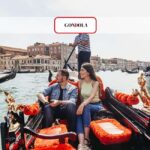
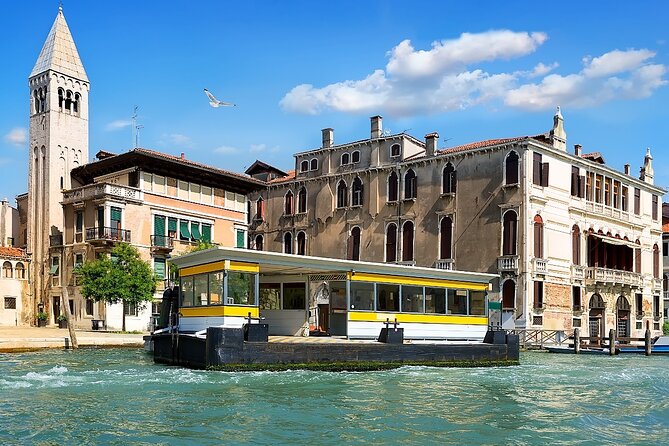
A possible added experience: one review mentions a short gondola ride across a canal by Gritti Hotel. That’s not explicitly listed as a standard, guaranteed stop in the provided info, so treat it as something you might encounter depending on your customized route and timing. Still, it’s a useful example of the kinds of pleasant moments this tour can build in, rather than only focusing on walking.
Accessibility That Includes Hearing, Communication, and Choice
Most accessibility descriptions stop at physical access. This one goes further in a way that can really help real people.
For hearing needs, there’s a very concrete example: Valerio is described as easy to understand, and for an Italian he speaks really good German. There’s also mention that a guest could read lips well, and Valerio used a mask with a viewing window to support that. That’s exactly the kind of practical communication detail that turns a tour into something inclusive.
For visual and sensory limitations, the tour description explains that the guide customizes the experience so it’s usable and entertaining. That could mean adjusting pacing, clarifying what’s happening before it happens, and structuring the information in a way that doesn’t rely on overwhelming visual complexity.
For cognitive difficulties, the goal is customization—making the experience more manageable and more enriching instead of exhausting. In practice, this often looks like fewer rushed transitions and more time on what you can process comfortably.
One more important point: the included tour leader and interpretive guide bring education on accessibility, tied to Tourism4all. That’s a signal that the guide team is prepared to think about how the experience lands, not just how far you walk.

What You’re Paying For: Value in Flexibility and Trained Support
At $182.26 per person, this isn’t a budget tour. But Venice isn’t budget-friendly for anyone with accessibility needs. The city costs time, energy, and extra planning. A private, adaptable tour is one of the most direct ways to “buy back” that stress.
Here’s where the value comes from:
- Private routing for your group. No waiting for people who can’t keep up with stairs or narrow paths.
- Accessibility education built into the guide team via Tourism4all training.
- Real communication adaptability, including the kind of detail that helps hearing needs.
- Hotel pickup offered, which saves you from navigating Venice on your own before the tour even begins.
Duration is part of the value story. The tour can run from 2 to 8 hours, so you can match the day to your energy. If you want a short introduction, you can. If you want a longer, deeper route, you can—just note the pricing consideration.
Pricing consideration to keep in mind: extra fees may apply after the first 2 hours. Also, water bus tickets aren’t included; tickets are purchased onboard. Those aren’t deal-breakers, but they can affect your final total if your plan includes transit.
If you’re comparing options, don’t just compare the hourly cost. Compare the cost of a day that stays pleasant instead of stressful.
Time on the Ground: How to Think About 2 to 8 Hours in Venice
Venice rewards good pacing. It also punishes poor pacing. For an accessibility-focused day, it helps to plan your time like a sequence of energy levels, not like a race to landmarks.
Here’s the practical approach I’d use:
For a 2 to 3 hour tour, think of it as orientation plus a comfortable highlight route. You’ll get your bearings fast, learn which areas feel easiest, and leave with enough info to explore lightly on your own.
For a 4 hour tour, you can usually include more neighborhoods and a few pauses—time in places like parks in Cannaregio, plus a stronger “story” through the route. One review specifically highlights a 4-hour experience through Castello toward Cannaregio, with the time described as flying by because the guide stayed flexible and engaged.
For longer days (up to 8 hours), customization becomes even more important. You’ll want frequent stops, clear communication about what’s next, and enough breathing room to manage fatigue. The guide’s ability to tailor pacing is what makes longer tours reasonable.
Getting Around: Water Bus Tickets and Simple Transit Logic
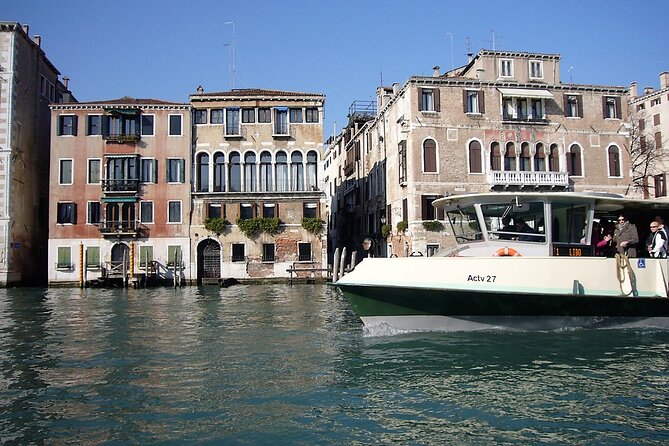
The tour notes that water bus tickets are purchased onboard. That’s a small detail, but it changes how you plan your time and your day’s rhythm. If your route includes a water crossing, you’ll want to build a little buffer for boarding and ticketing.
This is also why hotel pickup can be helpful. It reduces the “pre-tour scramble,” especially if you’re traveling with a wheelchair or stroller and want your day to start calmly.
A note on location: the meeting point is pickup on request, and it’s stated to be near public transportation. So even if pickup isn’t your choice, you should still be able to reach the start area without a long, complicated journey.
Who This Tour Suits Best
This is a strong choice if any of the following are true:
- You use a wheelchair and want a route designed around fewer bridges and less strain
- You’re traveling with a stroller and want a calmer, more manageable walk
- You have hearing loss or visual limitations and need communication support that’s practical, not just promised
- You want a private Venice experience that can shift based on needs
- You’d rather spend time relaxing in parks and quieter areas than getting trapped in the most crowded corridors
It’s also a good fit for visitors who want an educational and interpretive element. The guide team includes interpretive education on accessibility, so the day should feel thoughtful, not just logistical.
Should You Book This Wheelchair-Accessible Private Tour?
If your biggest worry is that Venice will be too hard to enjoy, I’d book this. You’re paying for flexibility, trained accessibility support, and a guide who plans with your constraints in mind. The route approach through neighborhoods like Castello and Cannaregio, plus built-in calmer breaks, is the kind of structure that makes the city feel livable.
I’d hesitate only if you’re looking for a fixed, fast-paced checklist tour and you don’t want your day shaped around your needs. Venice still has physical hurdles, and the tour’s value is tied directly to how adaptable your guide can be.
If you want Venice that feels possible—and not exhausting—this is a very solid bet.
FAQ
Is this tour private?
Yes. It’s a private tour/activity with only your group participating.
How long is the wheelchair-accessible Venice private tour?
The duration is approximately 2 to 8 hours.
Is hotel pickup included?
Yes. Pickup is offered, with pickup details provided on request.
What language is the tour in?
The tour is offered in English.
Is this suitable for wheelchair users and strollers?
Yes. The tour is described as suitable for wheelchair users and also for travelers with strollers.
Are service animals allowed?
Yes. Service animals are allowed.
Are water bus tickets included?
No. Water bus tickets are not included and will be purchased onboard.
Are there extra fees?
There may be extra fees after the first 2 hours.
Is there any access fee for certain visitors?
On certain dates, day visitors who stay outside of Venice may be required to pay a €5 access fee. Details and exemptions are listed at https://cda.ve.it.
Is free cancellation available?
Yes. You can cancel up to 24 hours in advance for a full refund.