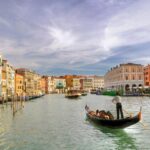
A gondola here feels like a secret password. This private ride swaps some of the usual rush for quieter canals and still delivers big-name scenes like Rialto and San Marco from the water. I love the balance of expert gondoliere skill plus optional commentary, so you can go full romantic silence or ask questions when something grabs you. One drawback to plan for: the ride duration can shorten if you’re late, and winter water can feel cold fast.
You also get real flexibility. You choose a 30-minute, 1-hour, 1.5-hour, or 2-hour window, and the route adjusts to match. In feedback, I saw gondoliers like Fabio, Tommy, and Flavio called out for smooth handling, calm navigation through traffic, and a friendly, helpful vibe that makes the trip feel personal without turning it into a lecture.
In This Review
- Quick Hits Before You Go: What Makes This Gondola Different
- Price and Value: What $95.78 Buys You on the Water
- Choosing the Right Ride Length: 30 Minutes vs 1 Hour vs 2 Hours
- The 30-minute ride: short, pretty, and efficient
- The 1-hour ride: enough time to feel Venice, not just pass it
- The 1.5-hour ride: the Rialto stop that most people remember
- The 2-hour ride: full itinerary and more flexibility with timing
- Meeting Point at InGondola: How to Avoid the Most Common Headache
- What You’ll See: A Route That Mixes Quiet Canals and Big-Water Icons
- Carmelite church and Torrres’ neo-medieval charm
- Palazzo Ca’ Zenobio: elegance with a hint of intrigue
- Cicogna Palace and Fondamenta Briati: the courtyard well detail
- San Polo: Venice’s biggest square and a lived-in corner
- Gondola time on the Grand Canal: iconic views and a pro at the helm
- Degli Scalzi Bridge and Pisani-Moretta Palace
- Rialto Bridge from the water: the timeless crossing without shoulder-to-shoulder
- Ca’ Farsetti and Ca’ d’Oro: civic power and legendary gold
- Rialto Market and San Marco Square: from produce scent to Europe’s living room
- Bridge of Sighs and the Doge’s Palace: secrets in stone
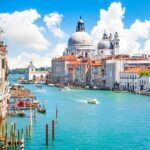
- Chiesa della Salute: built after the plague, still standing strong
- Gondoliere Style: Silence, Questions, and Names That Matter
- Comfort Tips: Cold Water, Rain, and the Small Things That Affect Your Mood
- Route Expectations: Why Some Canals Feel Quieter Than You Expected
- Who Should Book This Private Gondola Ride (and Who Might Skip)
- Should You Book It? My Decision Rules
- FAQ
- How long is this Venice private gondola ride?
- Does the tour include the Grand Canal?
- Can we choose whether we get commentary or silence?
- Where is the meeting point?
- Do we need transportation to the meeting point?
- What happens if it rains?
- Is there a night ride option?
- What if we arrive late?
- Are service animals and dogs allowed?
- Do babies need a ticket?
Quick Hits Before You Go: What Makes This Gondola Different
- A quieter route option that aims for less-crowded waterways, not just the main parade routes
- Multiple time slots (30 minutes to 2 hours) so you’re not paying for more time than you want
- Optional commentary: your gondoliere asks if you want info or prefer quiet sightseeing
- Iconic bridges and palaces from the canal level, including Rialto and views tied to the Calatrava Bridge
- Private means only your group, which usually makes timing and attention easier than shared rides
Price and Value: What $95.78 Buys You on the Water
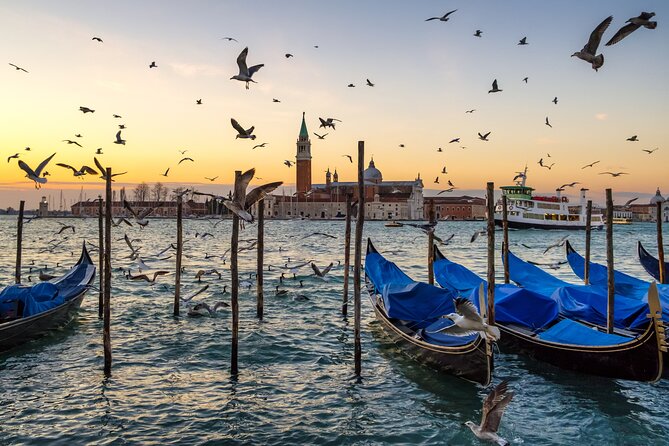
At $95.78 per person, this isn’t the cheapest way to ride a gondola in Venice. But it is a very specific kind of value: you’re paying for a private boat experience with a set time you can choose in advance, plus an English-speaking local gondoliere and the option to tailor the “talk vs. silence” level.
In Venice, you can often find lower-cost gondola rides near the usual piers. I’ve also seen a common complaint that online pricing can feel steep compared with the standard gondola rate people describe paying directly at the dock. So here’s my practical take: if you’re traveling in a group, the cost can start to feel more reasonable because the ride is private for your party.
The bigger “value” question is what you want from the gondola:
- If your goal is scenery from every angle with less waiting and fewer shared-ride interruptions, this style makes sense.
- If you mainly want a quick photo lap and don’t care about a route mix, you might prefer a cheaper on-the-spot option.
You can also read our reviews of more private tours in Venice
Choosing the Right Ride Length: 30 Minutes vs 1 Hour vs 2 Hours
This tour is built around four clear choices, and the length really changes the feeling of the trip.
The 30-minute ride: short, pretty, and efficient
This version goes up to Palazzo Briati and then turns back. It’s a good choice when you want the classic gondola motion and a few major sights without committing to a longer window. The tradeoff is obvious: you won’t get the full “Grand Canal hits plus neighborhood canals” rhythm.
The 1-hour ride: enough time to feel Venice, not just pass it
The 60-minute option goes up to San Polo and then returns. You get more time to notice how Venice changes by district, and you spend enough time on both larger and smaller waterways that the ride feels like an actual tour route rather than a quick spin.
The 1.5-hour ride: the Rialto stop that most people remember
At 90 minutes, you reach Rialto Market, which is a strong choice if you want the water-level feeling of Venice’s shopping and food energy. You also get more bridge-and-palace viewing time along the way.

The 2-hour ride: full itinerary and more flexibility with timing
The full 2-hour ride covers the longest list of landmark moments, including the Grand Canal highlights that make first-time Venice gondola rides so memorable. With longer time, you also have a better chance of catching a lighting change that makes a bridge or palace look extra dramatic, especially during evening rides.
A small but important note: duration is “approx.” and can shift with traffic on the canals, so don’t plan a tight next activity.
Meeting Point at InGondola: How to Avoid the Most Common Headache
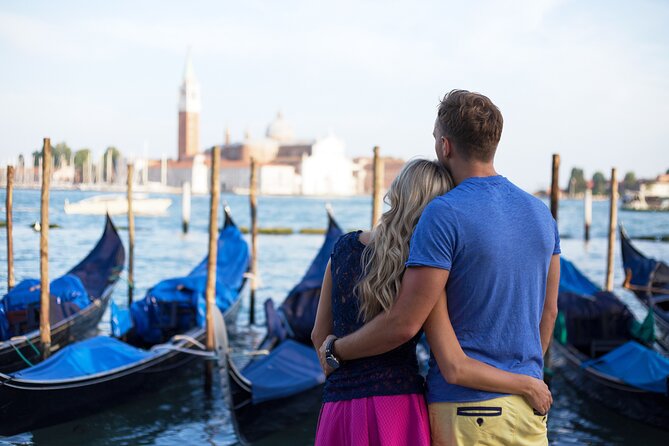
Your ride starts and ends back at the meeting point at InGondola – Servizio Gondole, P.le Roma / Fondamenta Cossetti (458-458a), Venice. Plan to arrive about 10 minutes early. Late arrivals can mean a shorter ride, and if you’re more than 15 minutes late, it can be treated as a no-show.
One reason this matters: multiple pieces of feedback point to the same theme. People who felt rushed, cold, or disappointed often connected it to timing, cold weather, or a ride that ended sooner than expected.
So my advice is simple:
- Treat Venice gondola timing like a train platform, not a museum ticket line.
- If you’re navigating on foot, give yourself buffer time. Venice foot traffic can move slowly and signage isn’t always straightforward.
What You’ll See: A Route That Mixes Quiet Canals and Big-Water Icons
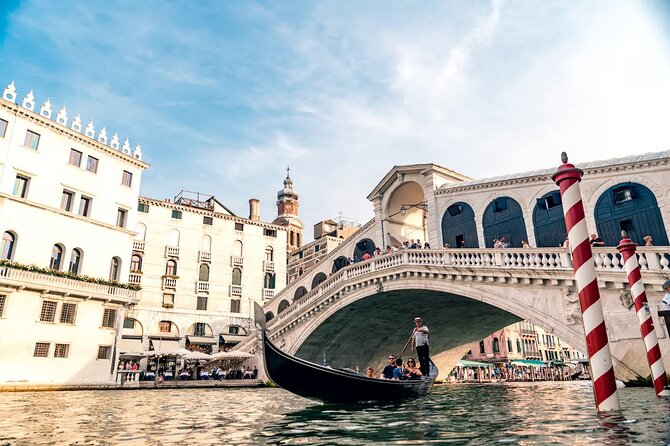
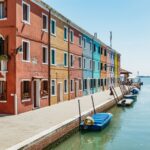
This gondola experience is designed around contrast: you get quiet streets and then you hit Venice’s most famous waterways and structures. That contrast is the whole point. Venice looks like a dream from the water, but it also looks different in calm side canals than it does along the main routes.
Below is the “walk-through” of what you’ll be seeing, tied to the kinds of moments each stop creates.
Carmelite church and Torrres’ neo-medieval charm
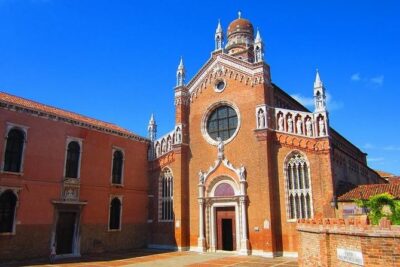
You start with passing views that lean historic and romantic: a Carmelite church with a Renaissance façade and then Torres’ neo-medieval home. From the water, small façades and tucked-away details feel close enough to read, even when you’re moving. This is the kind of start that helps you settle into gondola mode right away.
Palazzo Ca’ Zenobio: elegance with a hint of intrigue
Next comes Palazzo Ca’ Zenobio, where the ride quality is about more than scenery. Big palace façades look especially good from a gondola because you’re viewing them at canal height, not across a street. If you’re lucky, you may even spot a film shoot vibe here, which can make the whole experience feel extra cinematic.
Cicogna Palace and Fondamenta Briati: the courtyard well detail
As the ride continues along Fondamenta Briati, you pass Cicogna Palace and you get a glimpse of a quieter courtyard with an Istrian stone well. This is a classic Venice gondola advantage: you can catch “inside the building” glimpses that most people never see on foot.
San Polo: Venice’s biggest square and a lived-in corner
When the itinerary reaches San Polo, you’re not just seeing a landmark—you’re seeing a neighborhood identity. San Polo is Venice’s largest square, and it’s known for a mix of daily life and trade. You’ll also pass historic churches and the birthplace of playwright Carlo Goldoni, which adds a layer of meaning beyond postcard beauty.
Gondola time on the Grand Canal: iconic views and a pro at the helm
At some point (depending on your time slot), you’ll switch into Grand Canal mode. This is where Venice goes full spectacle, and where your gondoliere’s skill shows.
You’re guided on the Grand Canal, locally nicknamed Canalasso, and your gondoliere may also point out views like the Calatrava Bridge. If you catch it in evening light, the modern glass-and-steel look contrasts sharply with the historic stone—and that contrast is exactly why it’s a highlight.
Degli Scalzi Bridge and Pisani-Moretta Palace
You’ll also pass Degli Scalzi Bridge (built in 1846). Its purpose was practical: connecting districts and supporting access tied to the era of the railway station. This kind of detail helps you see Venice not just as art and romance, but as a city that evolved.
Then there’s Pisani-Moretta Palace, a Venetian Gothic façade with design sections framed by intricate stonework. Viewing this from water level gives you a sense of scale that you simply don’t get from a crowded street.
Rialto Bridge from the water: the timeless crossing without shoulder-to-shoulder
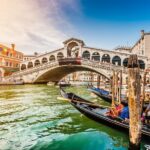
Rialto is the big name, and the gondola view is a smart way to experience it. You get a privileged water view of Rialto Bridge, Venice’s oldest and most celebrated crossing. Around the bridge you’ll see the mix of traditional shops and restaurants, plus the market area that grew prominent by the mid-13th century.
From the boat, you can pause visually without getting swept into the crush. It’s still busy in the area, but your vantage point changes everything.
Ca’ Farsetti and Ca’ d’Oro: civic power and legendary gold
As you glide along the Grand Canal corridor, you pass Ca’ Farsetti, the city hall seat. The style is Venetian-Byzantine, built in the 13th century, and the arches and columns give it a serious civic feel.
You’ll also notice the old mint connection that led to the former name Ponte della Moneta, then continue toward Ca’ d’Oro. Ca’ d’Oro’s façade is famously linked to a story of being believed to be adorned with real gold. Whether or not you take the legend literally, it’s a fun detail to catch while the palace passes by.
Rialto Market and San Marco Square: from produce scent to Europe’s living room
With the longer rides, you reach Rialto Market, where the water-level view pairs with the energy of the area: colors, movement, and fresh-produce smells if you’re close to the edge.
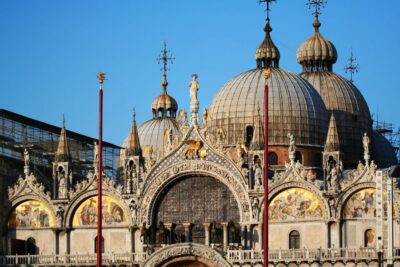
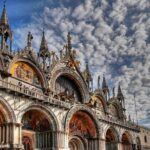
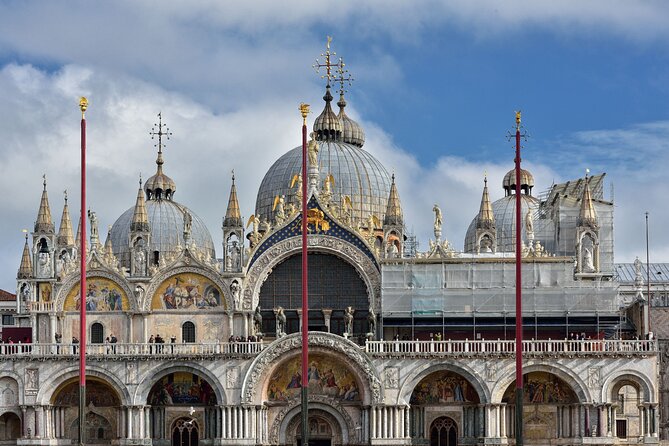
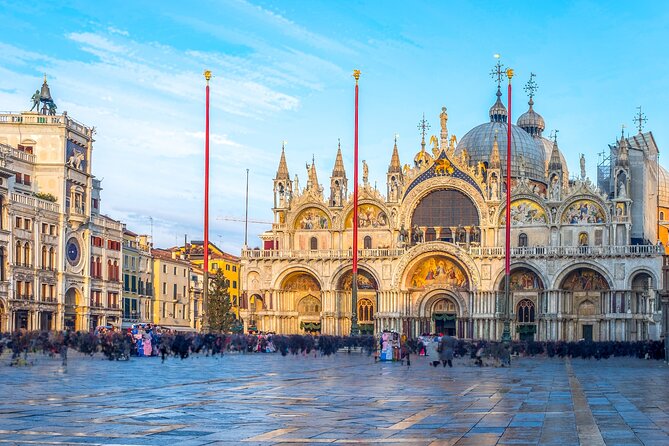
Then you move into San Marco Square, often described as Venice’s grand social room. You pass the majestic cathedral and bell tower, rebuilt in 1902 after centuries of awe.
Bridge of Sighs and the Doge’s Palace: secrets in stone
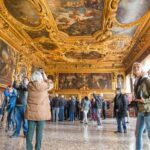
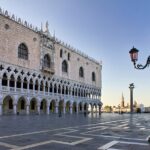
You pass under the Bridge of Sighs, with the well-known sunset “kiss” legend. Then you glide beneath the shadowed arches of the Doge’s Palace, where you see the building that once served as a center for rulers and prisoners. The palace walls feel heavy with story even if your gondoliere keeps commentary minimal.
Chiesa della Salute: built after the plague, still standing strong
For the last big landmark moment, you reach Chiesa della Salute at the Grand Canal’s edge. It was built in gratitude after the plague, and its Baroque form makes it look almost architectural-sculptural from the water.
Gondoliere Style: Silence, Questions, and Names That Matter
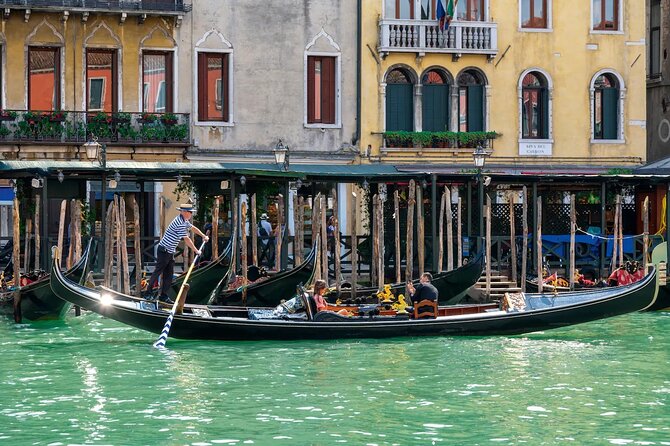
This is one of the biggest practical differences between gondola rides that feel great and rides that feel like a chore: whether you actually feel engaged.
Your gondoliere asks you if you want commentary or quiet sightseeing. This matters because some people love the calm. Others want facts, context, and the “why does that matter” angle. If you want details, speak up early. If you want silence, say so and then enjoy the sounds of the canal.
I saw strong praise for gondoliere personalities and skills:
- Tommy was described as friendly and highly skilled, with smooth handling through busy waterways.
- Fabio was praised for balancing info with space to look, which is rare.
- Flavio was specifically noted for being helpful even in rain, including lending an umbrella.
Also note a reality check: gondola rides are not always structured like guided museum tours. Some gondoliere commentary may be brief, and a few people reported not getting much spoken info. If your ideal gondola ride is heavy narration, plan to ask direct questions as you go.
Comfort Tips: Cold Water, Rain, and the Small Things That Affect Your Mood
Venice gondola rides happen over water, with wind and movement. That means clothing can make or break the experience.
In winter, feedback includes people saying the ride felt much colder on the water than on shore. A common theme was wanting a knee rug or extra covering that didn’t arrive. Even if a blanket isn’t part of what you expect, you should pack for “water chill.”
Rain is another factor. The ride runs rain or shine, but it can be canceled if weather becomes unsafe, including exceptionally high tides or heavy rain. In at least one case, rain turned the moment into something kind because a gondoliere lent an umbrella, so don’t assume you’ll be stuck without help.
Practical packing ideas:
- Warm layers and a hat if it’s cold.
- Waterproof outer layer.
- Something to keep your legs warm, especially if you’re sitting still for a while.
Route Expectations: Why Some Canals Feel Quieter Than You Expected
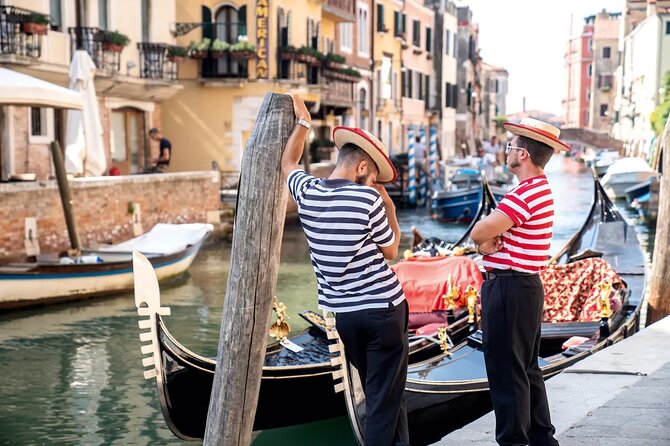
One complaint I saw (and you should take seriously when setting expectations) is that some canals can look more workaday than postcard-pretty. That can include construction areas or views that don’t feel like they belong in a brochure.
Here’s how to interpret that: the route is designed to include less crowded waterways, not just the most photographed streets. That usually means you’ll see Venice as it functions, not only as it performs for visitors. If you want Venice that looks untouched, this might not be your match. If you want Venice that feels real, you’ll probably like the tone.
Who Should Book This Private Gondola Ride (and Who Might Skip)
This is a great fit if you:
- Want private time on the water without juggling other people’s schedules.
- Care about seeing more than the Grand Canal only, including neighborhood canals and squares.
- Enjoy landmarks but also like side details like palace façades, courtyard glimpses, and bridge views.
- Prefer a gondoliere who can talk when you ask, not someone who narrates constantly.
It might be less ideal if you:
- Want a fully guided tour experience with nonstop commentary.
- Are sensitive to cold and you don’t pack for it.
- Tend to arrive late when plans are tight.
Also keep in mind: your ride length is tied to boarding time, and traffic can affect how things play out. Build slack into your day.
Should You Book It? My Decision Rules
Book this gondola if you want a private, flexible Venice water route and you’ll actually appreciate canal-level views of Rialto and San Marco, plus the smaller waterways that give the city its lived-in feel. The biggest win is the contrast: quiet canals for atmosphere, then big-water landmarks for the wow factor.
Skip it or look for an alternative if your main goal is the cheapest possible gondola ride or if you need heavy, continuous narration. Also consider choosing a longer slot if you want evening light. Short rides are fun, but they can feel too fast if you’re hoping to linger at bridges and palaces.
If you do book, your best move is simple: arrive early, dress for cold, and tell your gondoliere how you want the experience to feel—quiet, or with answers.
FAQ
How long is this Venice private gondola ride?
You can choose a 30-minute, 1-hour, 1.5-hour, or 2-hour option. Actual time can vary with canal traffic.
Does the tour include the Grand Canal?
It depends on the time slot. Longer rides include more Grand Canal viewing and major landmarks, while shorter rides focus on a shorter portion of the route.
Can we choose whether we get commentary or silence?
Yes. Your gondoliere will ask if you want commentary during the ride or if you prefer to enjoy the sights quietly.
Where is the meeting point?
The meeting point is at InGondola – Servizio Gondole, P.le Roma / Fondamenta Cossetti, 458-458a, 30135 Venezia VE, Italy.
Do we need transportation to the meeting point?
Transportation to the meeting point is not included.
What happens if it rains?
The ride runs rain or shine, but in exceptionally high tides or heavy rain, the local supplier may cancel and offer a full refund.
Is there a night ride option?
Yes, night ride options are available.
What if we arrive late?
You should arrive about 10 minutes early. If you are more than 15 minutes late, it can be considered a no-show, and if you arrive late your ride may be shortened.
Are service animals and dogs allowed?
Service animals are allowed, and dogs are allowed on the boat and do not count toward the maximum number of people.
Do babies need a ticket?
Yes. Babies count as adults for ticketing, so you need to book a ticket for them.