REVIEW · VENICE
Venice Palazzo Mocenigo: History of Textile, Costume and Perfume
Book on Viator →Operated by Weekend in Italy · Bookable on Viator
Venice can feel like a nonstop parade, but Palazzo Mocenigo slows things down. You’ll explore the history of textiles and costume alongside the importance of perfume in Venetian life, all in a quieter setting than the headline museums. The trade-off: some visitors feel the display focus leans more toward a smaller set of standout items (like waistcoats) rather than a huge wall-to-wall range of clothing.
What I like most is that this isn’t just glass-case staring. You get a self-guided visit where you can linger, and the perfume component stands out as a hands-on-style highlight for families too. One practical consideration: information inside can rely on QR code scanning, and that doesn’t work for everyone if you prefer traditional labels.
In This Review
- Key Things You’ll Actually Get From Palazzo Mocenigo
- Palazzo Mocenigo: A Venice Museum Built Around Materials, Not Monuments
- Walking Through Textile and Costume History (Without Feeling Rushed)
- The Perfume Side of Venice: Why Scent Belongs in a Museum
- Temporary Exhibits and Why the Rooms Feel Less Cookie-Cutter
- Timing Your Visit: Choose a Slot, Then Stay as Long as You Like
- Getting There in San Croce: Easy by Foot or Transit
- Price and Value: When $18.52 Feels Right (and When It Doesn’t)
- What to Bring and How to Get the Most Out of Your Visit
- Who This Works Best For
- Should You Book Palazzo Mocenigo?
- FAQ
- How long does the Palazzo Mocenigo visit take?
- Is the museum visit guided?
- What does the ticket include?
- Can I pick my entry time?
- How far in advance should I book?
- When will I receive confirmation after booking?
- Is the museum easy to reach using public transportation?
- Is there an extra access fee for day-trippers from outside Venice?
- What if I cancel—can I get a refund?
Key Things You’ll Actually Get From Palazzo Mocenigo
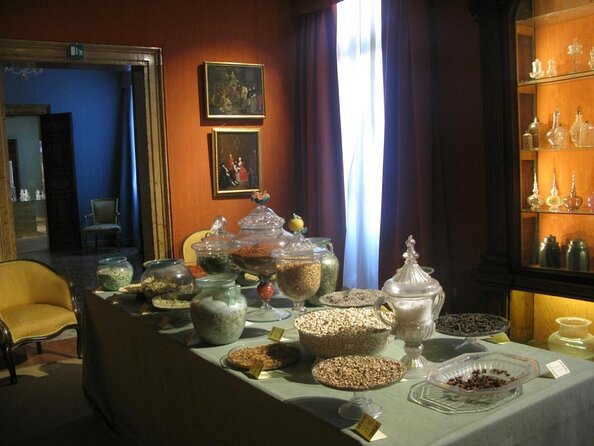
- Self-guided pacing: take your time without a fixed tour script running you out the door
- Textiles and costume history in one place: clothing spanning centuries, with notable Baroque-era pieces
- Perfume history tied to Venice: you’ll see why scent mattered in daily life and culture
- A calm break in San Croce: a museum experience outside the busiest tourist lanes
- Standout 18th-century waistcoats: visitors consistently point to these as highlights
Palazzo Mocenigo: A Venice Museum Built Around Materials, Not Monuments
Most Venice museums hit you with paintings, churches, or famous masterpieces. Palazzo Mocenigo takes a different route: it’s about what people wore and what they smelled like. That means the museum connects art to everyday life—fabric choices, tailoring, status, and the practical world of scent in a city built on trade.
The setting helps. Palazzo Mocenigo is in the Santa Croce district, along the salizada of San Stae. It feels like a real palace you can wander through, not a warehouse of artifacts. And because the visit is self-guided, you can treat it like a slow stroll through Venice’s craft heritage—without the pressure of keeping up with a group.
There’s also a behind-the-scenes angle worth knowing. The museum collection is described as part rare pieces on display, while much of the textile collection is available to scholars, plus the museum includes a library specializing in this sector. Translation for your visit: you’re seeing curated highlights, not literally everything the institution owns.
You can also read our reviews of more historical tours in Venice

Walking Through Textile and Costume History (Without Feeling Rushed)
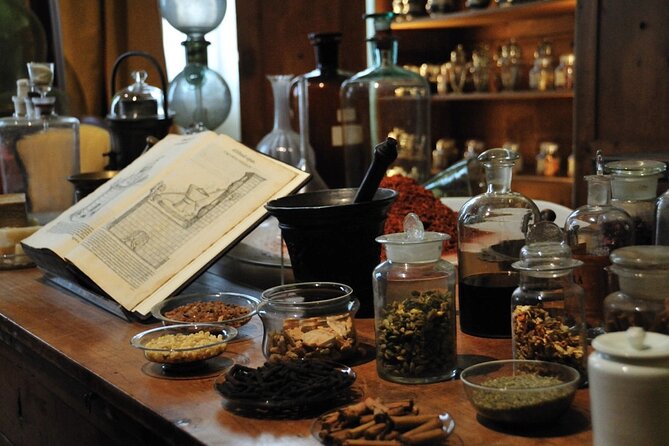
Inside, the displays focus on rare textiles and costumes of special importance, with a larger textile collection historically meant for research. You’ll spend time in the visual storytelling of how Venetians dressed across centuries, including examples reaching back to the Baroque period.
In practice, that works best if you enjoy close observation. Look at the details that don’t scream from across a room: fabric structure, decorative choices, and the way tailoring reflects the era. Several visitors call out the 18th-century waistcoats as beautiful and a clear reason to visit.
That said, here’s the balanced part. A minority of visitors feel the collection experience can seem narrower than expected—more a set of rooms with a few standout displays (like waistcoats on mannequins) than a huge, wide-ranging parade of original clothing. If you’re hoping for a massive survey museum of all periods at once, set expectations accordingly.
A useful tip for getting the most out of it: slow down for the clothing that’s actually on display. If you’re standing in front of something with strong decorative detail, give it a full minute or two. This museum rewards the “look closer” style.
The Perfume Side of Venice: Why Scent Belongs in a Museum
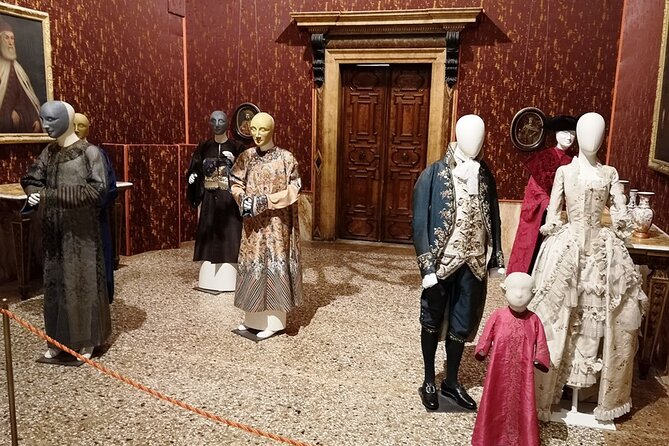
Perfume is the museum’s other major attraction, and it’s not treated like an afterthought. The museum frames perfume as a Venetian story—how scent fit into culture, daily life, and craft. That theme makes this experience different from typical costume-only exhibits.
From what you can expect, perfume shows up in a way that goes beyond a static display. Reviews mention a perfume-making component for some visits, including the chance for children (with family-friendly appeal) to make their own perfume after learning about and smelling different scents. If you’re traveling with kids, this is one of the few Venice museum experiences that has a built-in “activity payoff,” not just viewing.
You may also notice that the perfume area is tied to the craft side of creating scents. One review highlights the presence of a perfumer’s organ connected to composing perfumes. Even if you don’t nerd out on the mechanics, it helps you see perfume as technology and art, not just perfume bottles in a shop.
And yes, you’ll still be in Venice—so you’ll probably appreciate the contrast: salt air and canals outside, scent-focused storytelling inside.
Temporary Exhibits and Why the Rooms Feel Less Cookie-Cutter
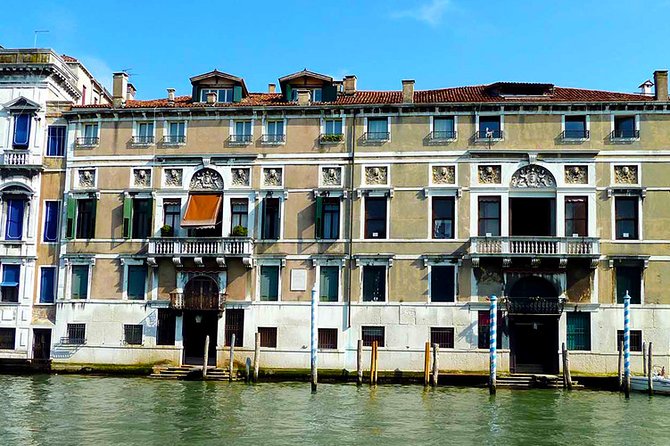
A pleasant surprise is how the museum’s temporary displays can change what you get out of your visit. Reviewers describe the temporary exhibits as always interesting, which matters because Venice travelers often do a lot of “permanent collection fatigue.”
Room layout also earns praise. Several comments talk about the museum feeling like a sequence of rooms that you understand as you move through them. In a city where you can spend a lot of time lost in narrow streets, that kind of indoor flow helps.
You may also encounter artistic details that aren’t the main point of textiles and perfume, but still add pleasure—such as decorative elements and mentions of Murano pieces connected with the palace interior. That’s not the core theme, but it makes the space feel intentional, not sterile.
Timing Your Visit: Choose a Slot, Then Stay as Long as You Like
The ticket lets you choose an entry time, which is a big deal in Venice. It helps you line up the museum with the rest of your day instead of hunting for last-minute availability. And it saves you from the ticket window stress.
Duration is listed at about 1 to 3 hours, which is a sweet spot for Venice. It’s long enough to enjoy the materials and perfume area, but short enough that you can still do a canal walk or dinner without feeling trapped.
Because it’s self-guided, the best schedule is simple:
- If you want calm and slower pace, pick a quieter time slot.
- If you’re using the museum to “fill” a mid-day break, choose a time when you’d otherwise be waiting in line somewhere else.
Also, confirmation typically comes within 48 hours after booking (subject to availability). If you’re traveling in peak season or you have a tight itinerary, this is one more reason to book ahead rather than gamble on walk-up entry.






Getting There in San Croce: Easy by Foot or Transit
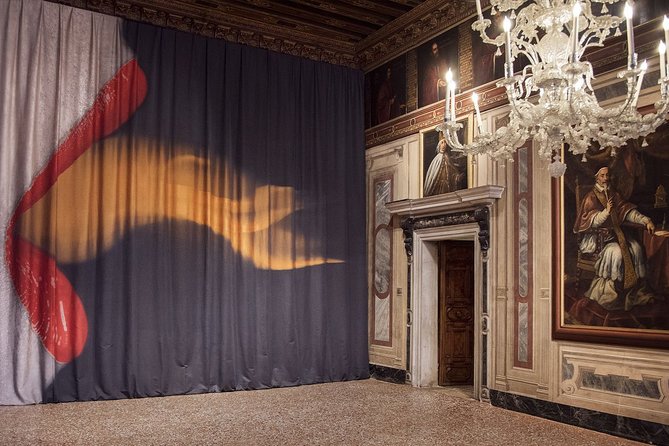
Palazzo Mocenigo sits in San Croce, along the salizada of San Stae. That’s useful because it keeps you off the most crowded routes near Venice’s headline sights. You get to see another side of the city—still Venetian, but less squeezed.
The museum is noted as being near public transportation, which helps if you’re doing a multi-stop day and don’t want to rely entirely on walking every leg. Venice is walkable, but getting your feet back to baseline matters. Give yourself buffer time, especially if you’re balancing museums with the classic canal photo stops.
Inside the museum, plan on steady walking through rooms and exhibits. Shoes that handle stone floors won’t be a bad idea.
Price and Value: When $18.52 Feels Right (and When It Doesn’t)
At $18.52 per person, the ticket isn’t a bargain, but it also isn’t in the “pay-to-enter-the-planet” category. The value depends on what you want from a museum.
Here’s when I think it’s a strong buy:
- You like costume and textiles, especially if you enjoy details and craftsmanship.
- You want something more specific than Venice’s usual art highlights.
- You’re curious about perfume as culture and craft, not just as a retail product.
- You’d rather have a self-guided museum that fits your pacing.
Here’s when you might feel disappointed:
- If you’re expecting a huge, broad collection of clothing across many eras all at once.
- If you want lots of printed labels and full explanations for every item, rather than information delivered via QR code (a point that came up as inconvenient for some visitors).
The fairest way to judge this ticket is to ask: are you here for textiles, costume, and perfume as themes? If yes, the museum is built for you. If you’re more of a “show me famous masterpieces” visitor, you may find it less satisfying.
What to Bring and How to Get the Most Out of Your Visit
Because it’s self-guided, your success comes down to how you set up your visit.
What I’d do:
- Bring your booking confirmation (in whatever format you plan to use on-site). One review described an entry problem when scanning didn’t work, so having the details ready can save time.
- If you don’t love QR code reading, plan to treat the visit as more visual than lecture-based. Some items may have less context than you’d expect from a traditional museum label system.
- Use the 1–3 hour window realistically. Don’t schedule it like a 45-minute stop unless you’re trying to sprint.
Also, if you’re traveling with kids, keep an eye out for the perfume-making component mentioned in reviews. That’s the kind of activity that makes a small museum feel like a full experience.
Who This Works Best For
This museum is a great match if you:
- Enjoy fashion history, vintage craftsmanship, or material culture
- Want a quieter Venice stop in San Croce
- Are traveling as a couple, solo, or family and want a museum that doesn’t feel like homework
- Appreciate science/craft themes (perfume creation) mixed with culture
It’s less ideal if you:
- Want only the biggest, most famous collections
- Are strongly label-driven and rely on printed explanations
- Need a nonstop schedule with lots of different departments and variety every few minutes
Should You Book Palazzo Mocenigo?
If you want one distinctive Venice museum that isn’t about gondolas or famous paintings, I’d book Palazzo Mocenigo: History of Textile, Costume and Perfume. The combination of costume/textile storytelling plus Venice’s perfume culture makes it a refreshingly specific experience. And pre-booking helps you avoid the ticket-window hassle so your day stays smooth.
I’d especially consider it if you like quiet spaces, close-looking at details, or you’re traveling with kids who will enjoy the perfume angle. If you go in expecting a massive “all clothing, all eras” exhibit with lots of printed context, you may judge the ticket differently. Go in knowing it’s curated, theme-focused, and designed for lingering.
FAQ
How long does the Palazzo Mocenigo visit take?
The experience is listed as about 1 to 3 hours.
Is the museum visit guided?
This is a self-guided museum entry, so you can explore at your own pace.
What does the ticket include?
The ticket includes entrance to the museum.
Can I pick my entry time?
Yes, you have a choice of entry times.
How far in advance should I book?
On average, it’s booked about 31 days in advance, so booking ahead is a good idea.
When will I receive confirmation after booking?
Confirmation is received within 48 hours of booking, subject to availability.
Is the museum easy to reach using public transportation?
Yes, it’s noted as being near public transportation.
Is there an extra access fee for day-trippers from outside Venice?
On certain dates, visitors staying outside Venice who plan to visit for the day may need to pay a €5 access fee. Details and exemptions are listed on the provided link.
What if I cancel—can I get a refund?
This experience is non-refundable and cannot be changed for any reason.