Venice is best understood on foot. This 2-hour walk threads together Rialto Bridge, St. Mark’s Basilica, and the Doge’s Palace area with a guide who keeps things moving and makes you look twice at what you see.
What I like most is the mix of famous stops and the smaller lanes in between, plus the fact you get real orientation so Venice stops feeling like a maze. You also benefit from restroom breaks and photo pauses so you’re not sprinting from one postcard to the next.
The second thing I really like is how guides turn major landmarks into stories you can remember, not just names you forget. You’ll get help understanding what you’re looking at—Teatro La Fenice and the Doge’s Palace area included—and you can ask questions as you go. The one drawback to consider is that if you’re specifically hunting for lots of very off-the-map detours, you may feel the route stays mostly focused on core sights rather than endless side alleys.
In This Review
- Key highlights to know before you go
- Why a 2-hour Venice walk is the sweet spot
- Where to meet: Campo S. Bortolomio and the Carlo Goldoni statue
- Rialto Bridge, Teatro La Fenice: a strong first half
- St. Mark’s Basilica: what your guide helps you notice
- Doge’s Palace and the Bridge of Sighs: power, justice, and stories
- Venetian Arsenal at the end: a calmer, different Venice
- Private group vs set-route: customize without getting lost
- What you’ll actually get from the guide beyond the buildings
- Price and value at $29 for a 2-hour loop
- Should you book this Venice highlights walking tour?
- FAQ
- How long is the Venice highlights and hidden gems guided walking tour?
- Where do I meet the guide?
- Which stops are included during the walk?
- What languages are available for the live guide?
- Is the tour wheelchair accessible?
- What is included in the price, and what is not?
Key highlights to know before you go

- Rialto Bridge first: a smart start point that sets the tone for the rest of the walk
- St. Mark’s Basilica and Doge’s Palace together: two big-ticket buildings in one efficient loop
- Bridge of Sighs timing: you see it as part of the palace story, not as a standalone photo
- Teatro La Fenice context: you learn why this place matters before you even think about selfies
- Venetian Arsenal as a different ending: the final stop shifts your perspective away from the main square hype
- English, French, Italian, Spanish: pick the language that helps you get the most out of every stop
Why a 2-hour Venice walk is the sweet spot
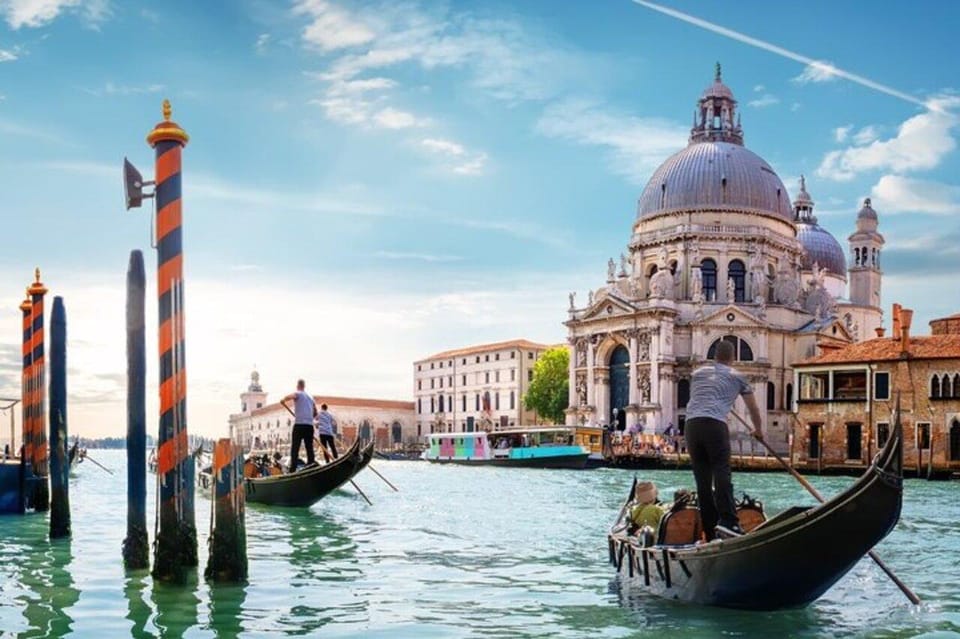
Venice is compact in the sense that everything is close, but it’s also mentally exhausting because there are twists, crossings, and no straight lines. A 2-hour guided route is a nice reset. You get a coherent storyline without blowing half a day on logistics.
At $29 per person, the value comes from efficiency and interpretation. You’re not just visiting landmarks; you’re getting help spotting what matters and what to pay attention to. Food is not included, but the guide-style notes you receive can easily save you time later when you’re figuring out where to eat.
The main limitation is simple: two hours means you cannot cover every corner of Venice. If your goal is maximum wandering or long museum time, you may want to pair this with more focused visits afterward.
You can also read our reviews of more walking tours in Venice


Where to meet: Campo S. Bortolomio and the Carlo Goldoni statue
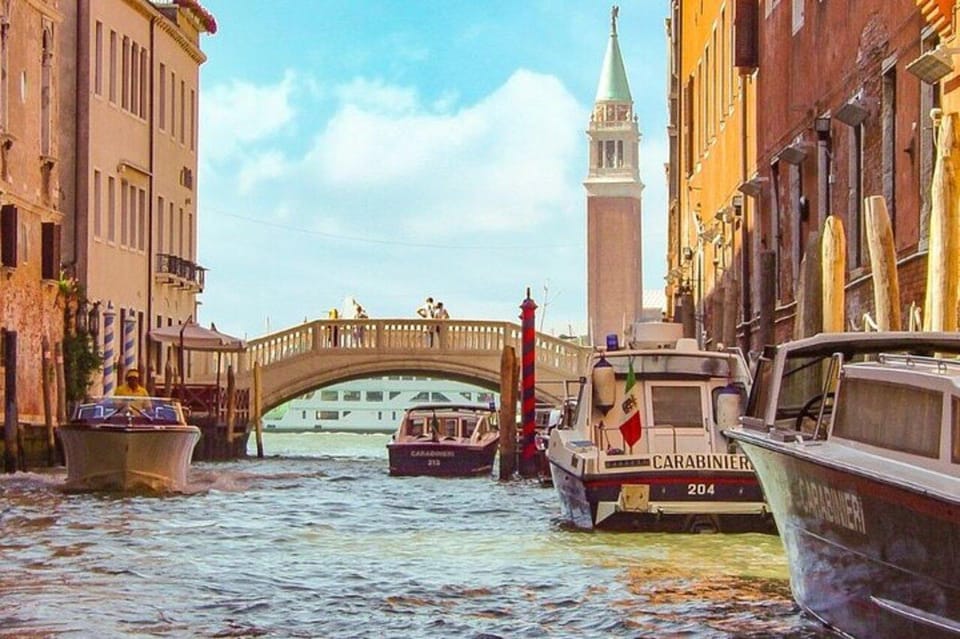
You’ll meet your guide near the Carlo Osvaldo Goldoni Statue, in Campo S. Bortolomio (5313). This is helpful because it gives you a recognizable anchor point in an area where directions can feel slippery.
Plan for comfortable walking from the start. Venice sidewalks and stone bridges can be uneven, and you’ll be doing multiple guided stops back-to-back. If you’re bringing kids, a camera-heavy setup, or anyone with slower mobility, tell your guide early so they can adjust the rhythm.
One more practical note: you’ll have opportunities for restroom breaks during the walk. That’s not a small thing in Venice, where long waits can ruin the day.
Rialto Bridge, Teatro La Fenice: a strong first half
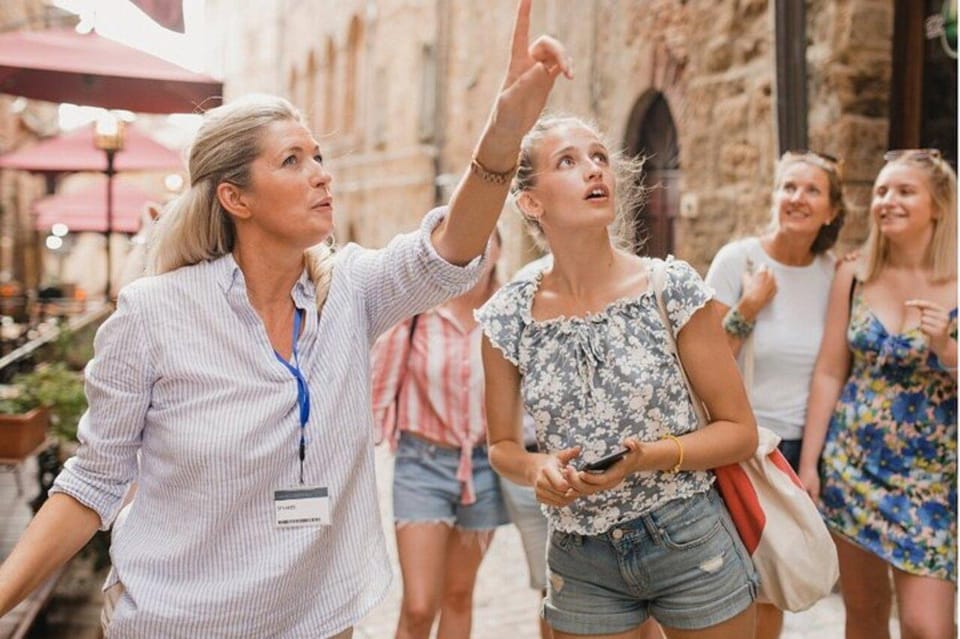
The tour kicks off with Rialto Bridge, one of the most iconic views in Venice. The value here is not the view alone. A good guide helps you understand why Rialto became a commercial and cultural hub, and how the bridge fits into Venice’s trading identity.
From there, you move toward Teatro La Fenice. This stop is a great example of what you can gain from walking with a guide: you’re not just seeing a famous façade. You learn the cultural significance of the theater and why it became tied to Venetian public life.
A practical bonus: these early stops are often ideal for photographs because you’re starting before the crowds fully stack up around every camera point. You’ll also have moments to capture pictures along the way, without feeling like every second is a photo contest.
Potential downside: since Rialto and La Fenice are popular areas, expect normal Venice crowd levels. The guide helps you move through it with purpose, but you can’t avoid the fact that these are top attractions.
St. Mark’s Basilica: what your guide helps you notice
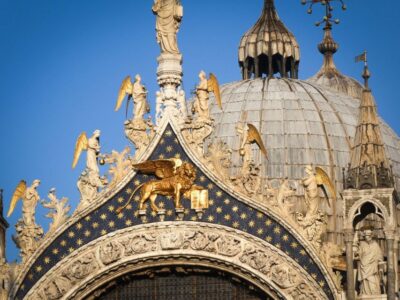
Next on the walk is St. Mark’s Basilica. This is the kind of place where you can get overwhelmed fast—details everywhere, gold everywhere, and a line of people wanting the same photo. The guide’s role is to help you slow down mentally, so you know what you’re looking at and why it matters.
You’ll get a guided visit, with chances to ask questions. That matters because basilicas can feel like a blur unless someone gives you a simple way to read the building. You’ll leave with better context, especially around what makes St. Mark’s so central to Venetian identity.
If you’re the type who likes to understand before you react, this stop is a win. And if you’re more of the wander-and-feel crowd, you’ll still appreciate it because you’re not guessing.
Photo tip: take the pictures you want, then look again. A guide-led visit helps you spot elements that are easy to miss when you’re just aiming a phone.
Doge’s Palace and the Bridge of Sighs: power, justice, and stories
After St. Mark’s, the walk shifts into Doge’s Palace. This is where the tour really earns its keep for people who want meaning behind the monuments. The guide connects the building to Venice’s government and systems, so the palace stops being a pretty shell and becomes something you can actually place in history.
Then you reach the Bridge of Sighs, which works best when you understand it as part of the palace complex rather than a quick stop for a postcard. A good guide helps you grasp the idea of how people moved and what the architecture symbolized. You get a clearer read on the story you’re seeing.
Photo opportunities happen again here, but try not to treat it as only a shooting gallery. Pause for the story points first, then capture your angles. It’s the difference between having pictures and having memories.
One consideration: Doge’s Palace area can be busy, so the more you let the guide set the pacing, the smoother your experience tends to feel.
You can also read our reviews of more guided tours in Venice



Venetian Arsenal at the end: a calmer, different Venice
The tour’s final notable stop is the Venetian Arsenal. This is a smart ending because it changes the mood. Instead of staying locked into the St. Mark’s bubble of art and pageantry, you finish with a sense of Venice as a working power—organized, strategic, and built for maritime strength.
Even if you only know the broad basics of Venice, the Arsenal stop helps you understand how the city functioned beyond its big squares. It’s a nice antidote to the feeling that Venice is only canals and costumes.
If you’re planning the rest of your day, the timing can also help. After a high-intensity stretch of landmarks, you can use the Arsenal moment as a mental reset before you head out on your own.
Private group vs set-route: customize without getting lost
You can choose a private option (when available). The private tour includes customization, which is a big deal in Venice. You can match the pace to your group and spend a little more time on what you care about, rather than forcing everyone to keep up.
In practice, customization works best if you know your priorities before you meet your guide—like whether you care more about art, architecture, political history, or photography. If you’re traveling with someone who moves slower, a private format can make the experience feel less like a race.
For group tours, the structure still holds. You’ll follow the same core loop, with guided stops that keep the story coherent. That’s a good thing if you want efficiency and clear guidance.
From past experiences highlighted with specific guides, what often goes well is adaptability to your real time needs. One guide style that stands out is helping you locate places and even suggesting where to eat, which is exactly what makes a tour useful after it ends.
What you’ll actually get from the guide beyond the buildings
This kind of walking tour is only worth it if the guide helps you connect dots. Here, that means learning stories tied to Teatro La Fenice, St. Mark’s Basilica, and Doge’s Palace, and using that context to understand what you’re standing in front of.
You should also expect practical advice. Guides often share suggestions on where to eat and how to get your bearings fast once the tour finishes. That kind of on-the-ground guidance is gold in Venice because it helps you avoid wasting time circling the same area.
The best approach: ask questions on the spot. If you’re curious about what to focus on inside the basilica, ask. If you want to know why the palace matters, ask. Guides can tailor the answers because you’re moving through the landmarks in real time.
The one caution: a small number of experiences note that promised follow-up info did not arrive. So if you’re expecting extra materials after the walk, take screenshots of your own notes during the tour and don’t rely on anything being emailed later.
Price and value at $29 for a 2-hour loop
Let’s talk value without marketing fluff. $29 is a reasonable price point for a Venice walking tour because you’re paying for three things: interpretation, time-saving route structure, and help with ticket planning.
Tickets are not included, but the tour provides help from the team to book tickets for the visits you want. That can save you headaches, especially around big sites where timing matters. Food and drinks are not included, so budget for snacks separately.
What you get for the price is a clear, guided sequence:
- a first landmark that orients you (Rialto),
- cultural anchors (Teatro La Fenice, St. Mark’s),
- political power and architecture (Doge’s Palace, Bridge of Sighs),
- and a closing stop that adds a different angle (Venetian Arsenal).
If your goal is to come away with both photos and understanding, this price-to-time ratio tends to work well.
Should you book this Venice highlights walking tour?
Book it if you want a 2-hour structure that hits the major sights without leaving you confused. It’s also a smart choice if you like asking questions while you walk, because the guide experience is built around explanation and real-time advice.
Skip it or pair it with more time elsewhere if you’re expecting a long parade of remote, rarely-seen alleys all the way through. This route is designed to be efficient and sightseeing-focused, and the “unknown areas” feel is more about side lanes and context than a totally off-grid itinerary.
If you do book, I suggest two things. First, wear comfortable shoes and bring a camera strap you trust. Second, tell your guide what you care about right away—art, architecture, food tips, or photo angles—so the customization option (if you choose private) or the group pacing works for you.
FAQ
How long is the Venice highlights and hidden gems guided walking tour?
The tour duration is 2 hours.
Where do I meet the guide?
Meet your guide near the Carlo Osvaldo Goldoni Statue.
Which stops are included during the walk?
The tour includes Rialto Bridge, Teatro La Fenice, St. Mark’s Basilica, Doge’s Palace, Bridge of Sighs, and the Venetian Arsenal.
What languages are available for the live guide?
The tour offers live guiding in English, French, Italian, and Spanish.
Is the tour wheelchair accessible?
Yes, the tour is wheelchair accessible.
What is included in the price, and what is not?
The tour includes private tour options if selected, customization for private tours if selected, and team help to book tickets for the desired visits. Food and drinks are not included.