REVIEW · VENICE
Venice: Fondazione Querini Stampalia Entry Tickets
Book on GetYourGuide →Operated by Fondazione Querini Stampalia onlus · Bookable on GetYourGuide
A palace ticket, from modern art to gardens. I like how Fondazione Querini Stampalia mixes Venetian painting and architecture with work by major contemporary artists, and I like the hidden garden designed by Carlo Scarpa. One drawback: you need to respect the schedule—last admission is 5:30 PM, and the museum is closed on Mondays.
You’ll get a full day to wander. The ticket covers permanent and temporary exhibitions, plus an audio guide, so you can move at your own pace through historic halls and aristocratic rooms. If you’re hoping to bring a big bag, note that luggage or large bags aren’t allowed, and pets aren’t allowed (assistance dogs are fine).
In This Review
- Key things to know before you go
- Why Fondazione Querini Stampalia feels like Venice in quiet mode
- Timing: how to plan around 10 AM–6 PM and last entry at 5:30
- What you’ll see: Venetian masters meeting major contemporary names
- Inside the aristocratic palace: rooms, atmosphere, and your own pace
- The garden designed by Carlo Scarpa: the pause you’ll remember
- Café, bookshop, and temporary exhibits: where the visit breathes
- Practical value: what the $14 ticket includes (and what that buys you)
- Entry logistics done simply: tickets, vouchers, and sensible rules
- Who this suits best (and who should think twice)
- Should you book Fondazione Querini Stampalia tickets?
Key things to know before you go
- One-day validity: a single entry ticket works for the entire day
- Scarpa’s garden: a major highlight designed by Italian architect Carlo Scarpa
- Art across centuries: Venetian masters paired with contemporary names like Joseph Kosuth
- Built-in breaks: you can pause at the café and spend time in the bookshop
- Audio guide included: helps you pace your visit without rushing room to room
- Easy comfort level: wheelchair accessible, and the setting is designed for slow exploring
Why Fondazione Querini Stampalia feels like Venice in quiet mode
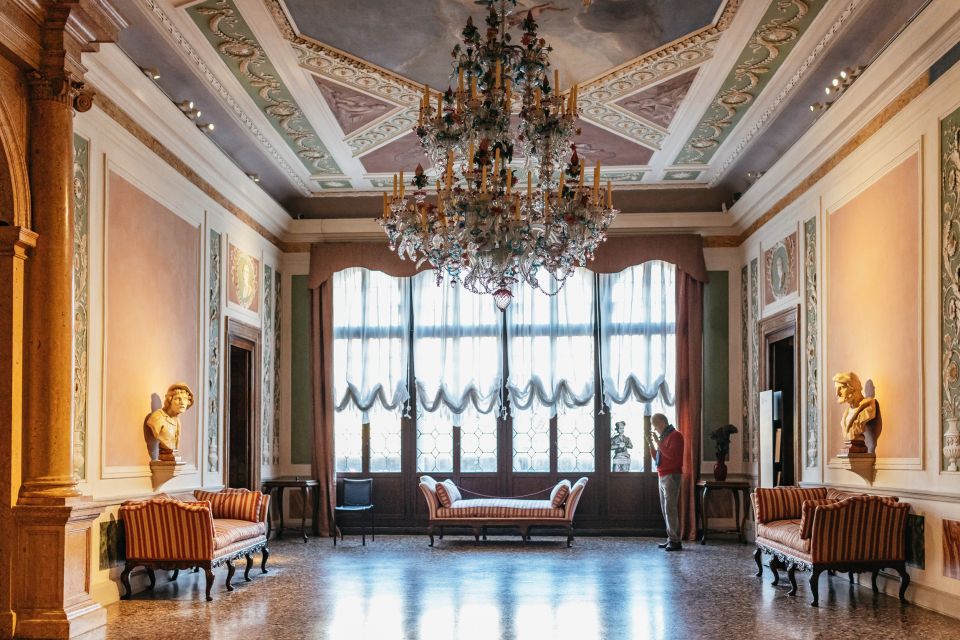
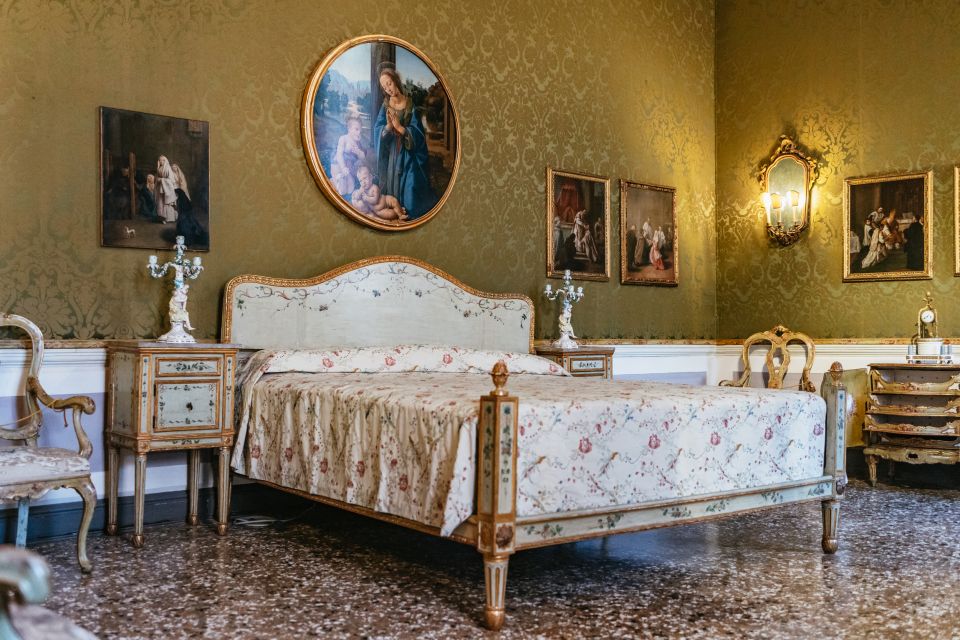
Most Venice museum visits feel like a quick sprint through rooms. Fondazione Querini Stampalia is different because it’s not just a collection in a building—it’s the experience of an aristocratic home from the Venetian world, tied to the life of Count Giovanni Querini.
That matters because you’re not only looking at art. You’re also seeing how that art fits into architecture, light, and space. This is one reason the “centuries in one place” effect works so well: you can stand in rooms that feel unmistakably Venetian, then meet the conversation between older painters (from the 14th to the 20th century) and modern voices.
And for value, it’s hard to beat: the entry price includes permanent and temporary exhibitions and an audio guide. For $14, you’re not paying just to look at a few paintings—you’re buying time in a historic house museum setting.
You can also read our reviews of more tours and experiences in Venice

Timing: how to plan around 10 AM–6 PM and last entry at 5:30
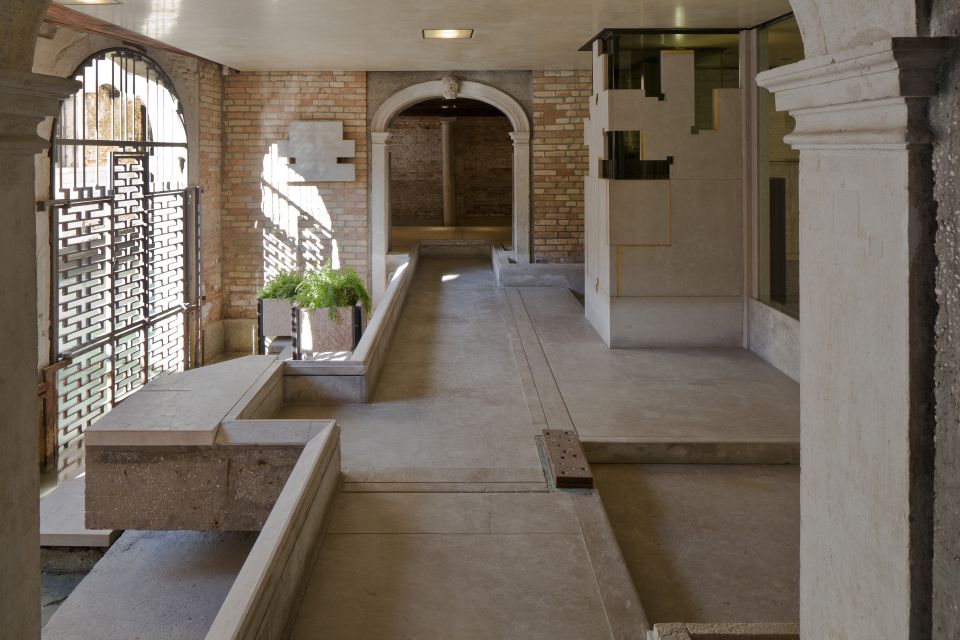
You’ve got a clean visiting window: 10 AM to 6 PM, with the last admission at 5:30 PM. That last-admission detail is important because you can easily arrive late in Venice without noticing it. If you want a relaxed pace—especially if you plan to stop for coffee and spend time in the garden—aim to get in earlier rather than later.
The museum closes on Mondays, so if you’re building a Venice week, put this one on your other days. Also think about your day flow. If you’ve already walked a lot around Venice’s canals, this can be a refreshing change: indoor rooms, then a calm garden space, then a chance to reset.
What you’ll see: Venetian masters meeting major contemporary names

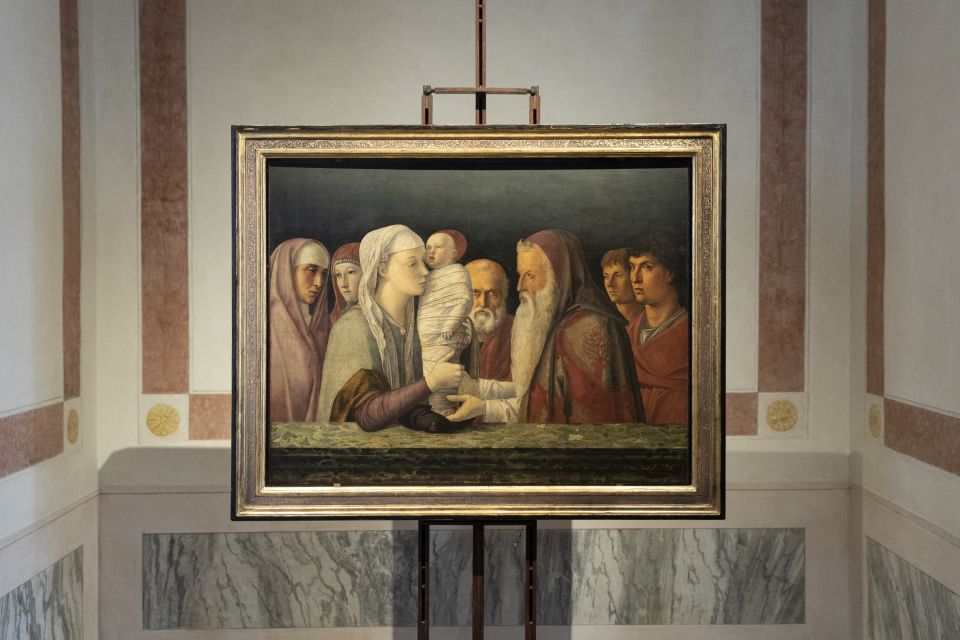
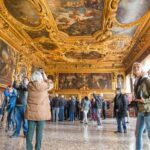
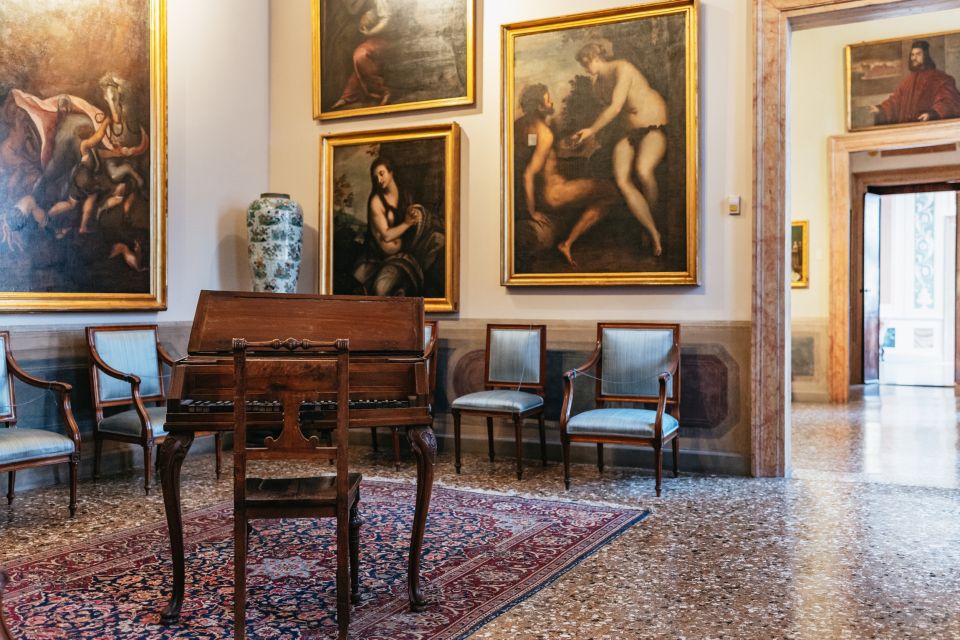
This is where the museum really earns its keep. You’ll be moving through art from the 14th to the 20th century, including big Venetian names like Giovanni Bellini and Palma il Vecchio (also listed as Palma Vecchio). You can also find artists such as Pietro Longhi and Giambattista Tiepolo—painters who help you understand how Venetian culture looked and how it wanted to be seen.
Then the collection shifts into modern and contemporary work, featuring artists like Joseph Kosuth, Carlo Scarpa, Mario Botta, Valeriano Pastor, and Michele De Lucchi. That mix isn’t random. It gives you a chance to compare how different eras use space and form—especially in a building that’s already about prestige and private taste.
If you like when old and new talk to each other in the same setting, this museum does that better than many. The rooms feel historical, but the exhibitions keep the conversation going rather than treating the past like a locked display case.
Inside the aristocratic palace: rooms, atmosphere, and your own pace
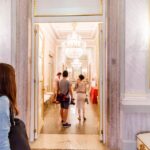
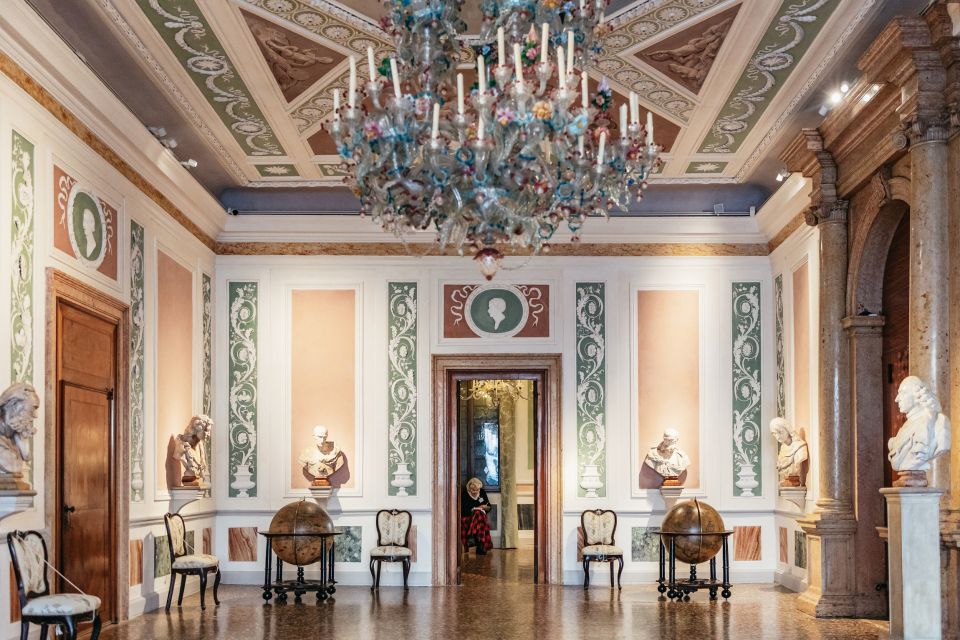
You’re visiting the aristocratic palace of Count Giovanni Querini, and the ticket gives you time to explore without the “one route only” feeling. That freedom is underrated. Venice is full of crowds and rigid schedules, and here you can actually choose your pacing—linger where something clicks, then move on when your feet (and brain) need a break.
The audio guide helps you build context as you go. I like audio guides most when they don’t force you to race to hit the “must-see” list. Here, the included audio guide supports that slower style: you can stop, listen, then continue through historic halls and architectural details.
The garden designed by Carlo Scarpa: the pause you’ll remember
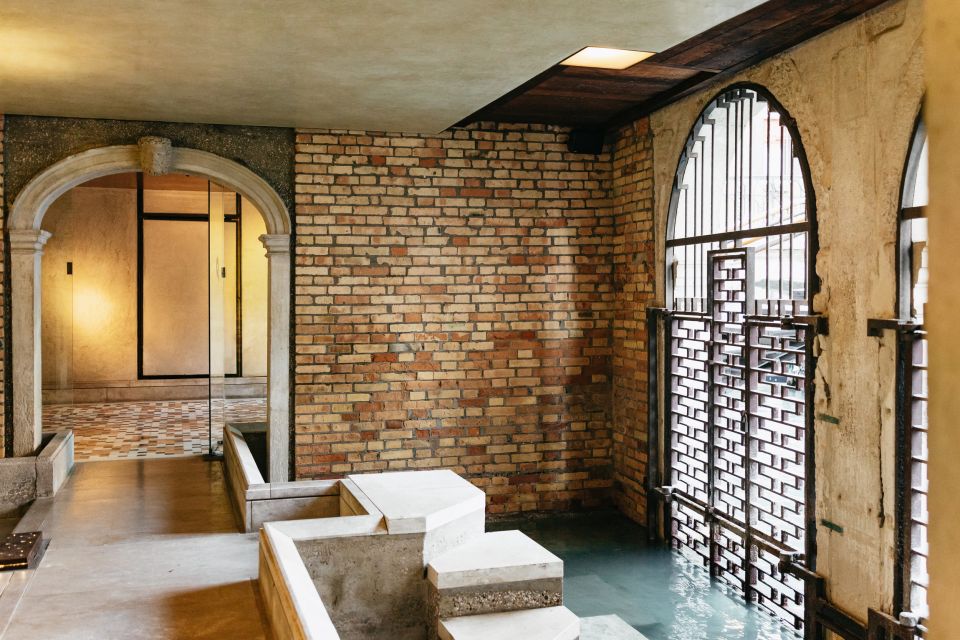
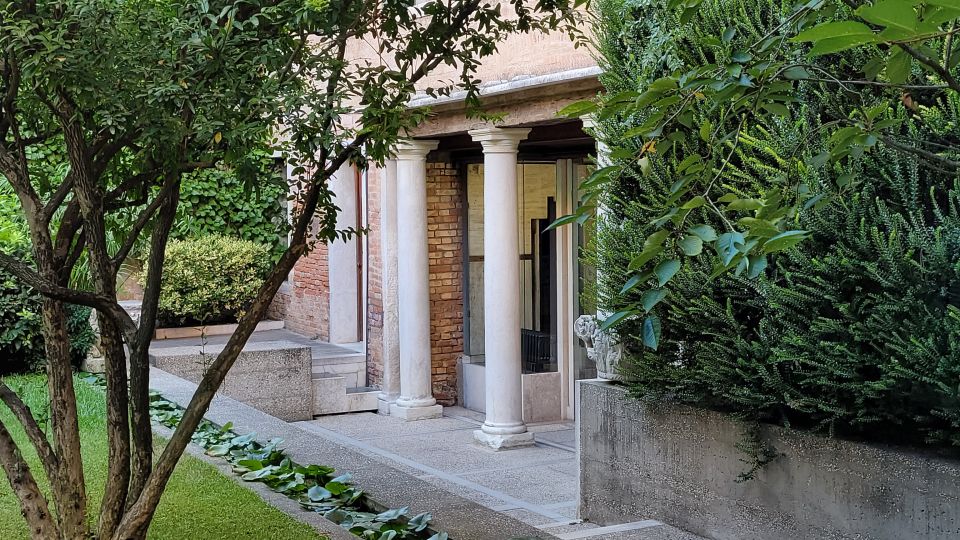
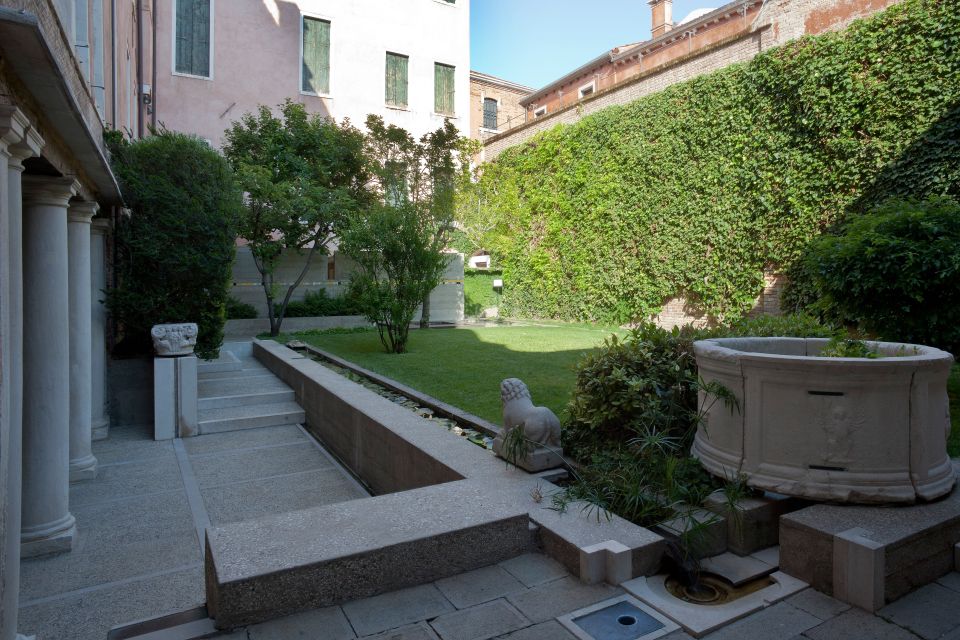
One of the most praised features is the secret garden designed by Italian architect Carlo Scarpa. Even if you don’t know Scarpa’s work yet, you’ll feel why it’s a highlight: it changes the rhythm of your visit.
Plan your garden time deliberately. After a few rooms of paintings and sculptures, step outside (or into the garden spaces) and let your eyes reset. You’re not just seeing a pretty courtyard. You’re seeing design thinking that shapes how you move—so the garden becomes part of the storytelling, not a background photo spot.
A nice approach: do a chunk of the indoor collection first, then come back to the garden later. That way, you get both the contrast of atmosphere and the benefit of not feeling rushed when you’re ready to slow down.



Café, bookshop, and temporary exhibits: where the visit breathes
A good museum visit has built-in recovery time. Fondazione Querini Stampalia gives you that through its café and bookshop, plus temporary exhibits layered into the experience.
I especially like having an actual place to sit rather than just “walk until you’re done.” One review highlighted how easy it is to pause and move between the bookshop, garden, café, and the central courtyard area with seating—perfect when you’ve had a day of sightseeing and you don’t want your feet to make decisions for you.
Temporary exhibits add another reason to book even if you’re returning to Venice or visiting other museums that day. They help keep the visit from feeling like a static checklist. You might find yourself staying longer in the rooms where the temporary works connect to the surrounding architecture.
Practical value: what the $14 ticket includes (and what that buys you)
At $14 per person, the value is driven by three things you actually use:
- Full-day access: the ticket is valid for the day, so you don’t have to schedule your life around a single hour.
- Permanent + temporary exhibitions: you’re not only paying for a single wing or one set of rooms.
- Audio guide included: this turns your visit from casual viewing into informed wandering.
If you’ve got limited time in Venice, this ticket can work like a high-efficiency cultural block. If you’ve got more time, it still feels worth it because the garden and the café/bookshop areas help you stretch the visit without turning it into a forced marathon.
Entry logistics done simply: tickets, vouchers, and sensible rules
This is an entry-ticket experience, not a guided lecture that pins you to a group all day. Still, you may be part of a group at check-in. The group leader is required to exchange the voucher at the ticket counter, so if you’re traveling with someone, confirm you understand who’s handling that step.
A few rules to plan around:
- No luggage or large bags
- Pets aren’t allowed (assistance dogs are allowed)
- Wheelchair accessible
These aren’t deal-breakers, but they change what you pack for the day. If you’re carrying shopping bags or a large daypack, consider storing items before you arrive so you don’t lose time at the counter.
Who this suits best (and who should think twice)
This works especially well for you if:
- you want a Venice museum experience with atmosphere, not just objects on walls
- you like the idea of pairing Venetian painters with contemporary artists in the same historic setting
- you want time to slow down, sit, and reset with café/bookshop breaks
- you’re interested in Carlo Scarpa’s garden design
You might want to think twice if:
- your schedule is tight and you arrive late often (last admission is 5:30 PM)
- you’re traveling with a lot of gear (large bags aren’t allowed)
- you need Monday options (it’s closed on Mondays)
Should you book Fondazione Querini Stampalia tickets?
I think it’s a yes for most people who want something more personal than the typical “top sights” checklist. For $14, you get a full day, permanent and temporary exhibitions, and an audio guide, plus a major highlight in Carlo Scarpa’s garden. The setting is one of those places where the building itself helps you understand what you’re seeing.
If you’re the type who appreciates slow-looking, architecture-as-story, and the contrast between Venetian patrician life and contemporary art, book it early in your day plan. If you’re shopping for a quick half-hour art stop, this might feel too “designed for lingering.”