REVIEW · VENICE
Venice Cicchetti, Spritz and Wine Tour with a Local Guide
Book on Viator →Operated by Hili Travel s.r.l. · Bookable on Viator
Two hours, two neighborhoods, lots of bites. This small-group walk shows how locals eat: cicchetti you can taste right from the bar counter, plus a history primer in the Ghetto Ebraico that explains why Venetian food has fingerprints of the Jewish community. One possible drawback: the tastings are guided and set, so if you have strict allergies or need gluten-free, plan to check carefully first.
I love the spritz variety in Cannaregio. Aperol is just one option, and your guide steers you toward other spritz styles and local wine-bar pours so you’re not stuck ordering the same drink everywhere.
You’ll start near Porta del Ghetto (Cl. Ghetto Vecchio) and finish at Fondamenta de la Misericordia, with the route staying in areas that are easy to reach by public transport. On some dates, day-trippers staying outside Venice may face a €5 access fee for the ghetto area, so it’s worth reading that rule before you go.
In This Review
- Key things to know before you eat
- Why this 2-hour cicchetti-and-spritz tour feels worth it
- Porta del Ghetto meeting point: how to plan your evening walk
- Ghetto Ebraico stop: the story behind Venice’s food signals
- Cannaregio cicchetti tastings: what to expect from the bacaro-style stops
- Second Ghetto stop: walking the corners after you’ve tasted
- Cannaregio wine-bar finale: spritz variations and the local order rhythm
- Price and value: what $143.61 is really buying
- Who should book (and who should rethink)
- Should you book this Venice Cicchetti, Spritz and Wine Tour?
- FAQ
- How long is the Venice Cicchetti, Spritz and Wine Tour?
- What’s included in the price?
- Is the tour suitable for celiacs or people with severe allergies?
- Does the tour include admission tickets?
- What language is the tour offered in?
- What is the group size?
- Where does the tour start and end?
Key things to know before you eat
- Small group (max 10) means you can actually ask questions and get ordering advice, not just follow a crowd.
- Cicchetti standouts can include sarde in saor (sweet and sour sardines) and baccalà mantecato (creamy whipped codfish).
- Spritz beyond Aperol: your guide can suggest other refreshing versions once you’re in the wine-bar rhythm.
- Ghetto Ebraico storytelling covers how the Jewish ghetto shaped Venetian language, cuisine, music, and dance.
- Walking, not waiting: short stints in two areas let you sample more without long transfers.
- Vegetarian option exists, but it’s not suitable for celiacs or people with severe allergies.
Why this 2-hour cicchetti-and-spritz tour feels worth it
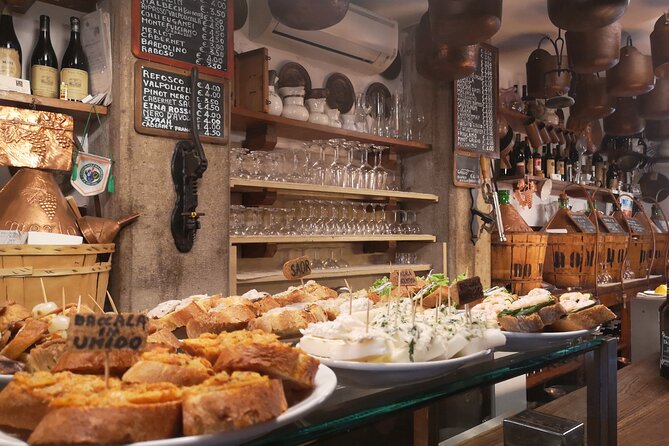
At $143.61 per person, you might wonder if you’re mostly paying for food. Here’s how I think about the value: yes, you get samples of typical Venetian cicchetti and classic Italian spritz-style drinks. But you’re also buying the shortcut that Venice guards carefully—knowing where locals go, what to order, and what each bite is actually about.
This tour is designed around short, focused stops rather than a long sit-down meal. You spend around 15 minutes at the Jewish Ghetto area, about 45 minutes doing cicchetti tastings in Cannaregio, another 15 minutes for a second loop in the ghetto neighborhood, then end with about 45 minutes at a local wine bar for spritz and more cicchetti. That structure matters because it keeps the evening moving and helps you try more variety while the flavors are still fresh and exciting.
Group size also changes the whole experience. With a maximum of 10 travelers, you’re less likely to feel like a number. I also like that you can have real conversations with the guide while you’re standing at the bar, not after you’ve already finished eating.
You can also read our reviews of more guided tours in Venice


Porta del Ghetto meeting point: how to plan your evening walk
The tour starts at Porta del ghetto (Cl. Ghetto Vecchio, 1122) and ends at Fondamenta de la Misericordia. That’s a practical setup: you begin at the edge of the ghetto area and end on the Fondamenta side, which is where Venice’s walking paths and canal views come in handy for connecting to dinner or a relaxed post-tour stroll.
Because the route is in central neighborhoods (Ghetto Ebraico and Cannaregio), you’re not spending time on long rides or complicated transfers. The tour is also offered in English, and it’s described as something most travelers can participate in. That said, you are still doing a walking food tour in Venice, so wear shoes you’re comfortable walking in for a couple of hours.
Also pay attention to what can affect your timing. The ghetto area sometimes has a €5 access fee for day-trippers staying outside Venice on certain dates. That doesn’t show up as part of the “normal” admission at the listed stops, so you’ll want to check the local rule tied to your tour details so there are no surprises.
Ghetto Ebraico stop: the story behind Venice’s food signals
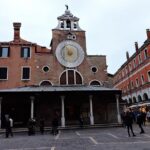
The first stop is the Ghetto Ebraico, about 15 minutes. This is not just a photo stop. You get context for why this area matters: the Venetian Jewish ghetto was established over 500 years ago, and it left a lasting cultural impact on Venetian language, cuisine, music, and dance.
What I like about starting here is that it gives you a lens before you taste. If you go to Venice only chasing canals and masks, you miss how different communities shaped everyday life. After this short intro, the cicchetti tastings in Cannaregio feel less random. You’re already thinking about how food travels through history, markets, and shared city routines.
After the first tasting round, the tour revisits the Jewish area for a second 15-minute stop. This is more about slow looking—corners, streets, and the neighborhood feel—so you get a chance to appreciate the place itself rather than only hearing facts while walking.
You may also notice something the guides seem to do well: they connect history to what you can see and smell around you. Guides like Alice, Marina, Silvia, and Olympia show up in past tours, and the consistent theme is that they bring both facts and personal understanding to the route. If your guide calls out details you might not clock on your own, this is exactly when it helps.
Cannaregio cicchetti tastings: what to expect from the bacaro-style stops
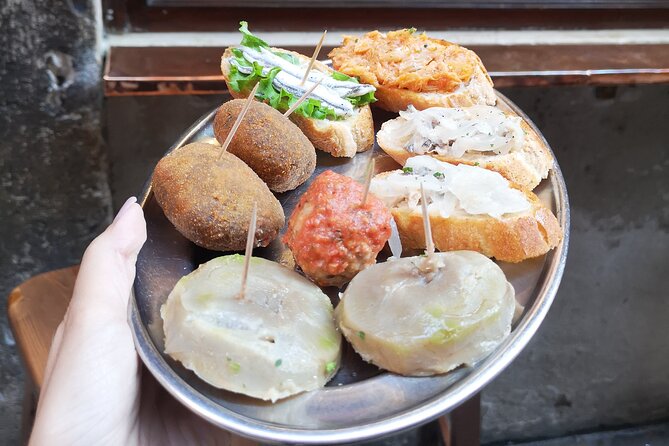
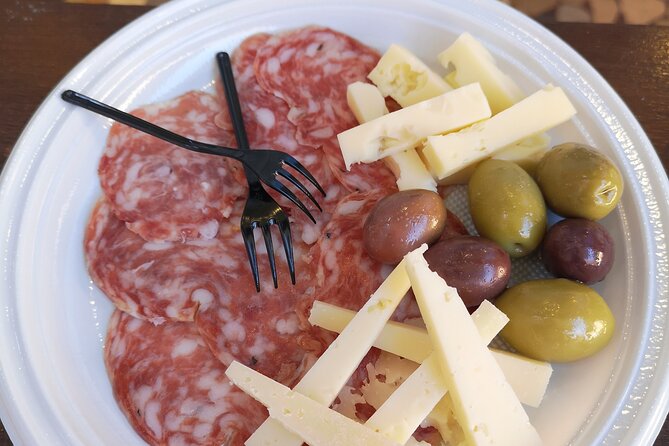
Cannaregio is where the tour turns into pure eating. You spend about 45 minutes on cicchetti tastings in traditional local eateries.
The big idea with cicchetti is that it’s Venice’s version of tapas: small plates designed for sampling. Instead of one big main dish, you get a series of bites that let you compare flavors—savory, briny, creamy, sweet-sour—while your guide helps you understand what’s typical here and why it works.
Two specific highlights called out for this tour are:
- Sarde in saor: sweet and sour sardines. This is the kind of flavor that sounds simple until you try it. The balance of tang and richness is very Venetian.
- Baccalà mantecato: creamy whipped codfish. It’s soft, spreadable, and often paired with the right bread so each bite feels complete.
This is one of the best parts for food lovers because the bites are meant to be fresh and locally sourced rather than “tour menu” versions. And because you’re with a guide, you’re not standing at a menu trying to guess what a Venetian actually orders.
A practical note: vegetarian options are available with prior notice. But that doesn’t mean it’s automatically safe for everyone. The vegetarian option is noted as not suitable for celiacs or people with severe allergies. If your needs are complex, I strongly suggest you contact the operator before you book so they can tell you what’s realistic for your dietary limits.
Second Ghetto stop: walking the corners after you’ve tasted
After the first tastings, you return for another short visit to the Ghetto Ebraico for about 15 minutes. This stop is less about new food and more about seeing the neighborhood with fresh attention.
I find this structure smart. You don’t just hear history in the abstract. You taste first, then walk again, which helps your brain connect the dots. It’s the difference between reading about a place and actually feeling how it’s laid out.
This second walk is also where you tend to notice the “city-within-a-city” feeling. The ghetto’s identity is shaped by rules, community life, and culture that lasted long after its establishment. The tour framing emphasizes that lasting influence on Venetian culture—language, cuisine, music, dance—so even though the stop is short, it adds meaning to what you already tasted.
And yes, this section can be quieter than Cannaregio. That quiet pace is a plus if you want something calmer between food stops. It also helps you reset before the spritz-and-wine finale.
You can also read our reviews of more wine tours in Venice





Cannaregio wine-bar finale: spritz variations and the local order rhythm
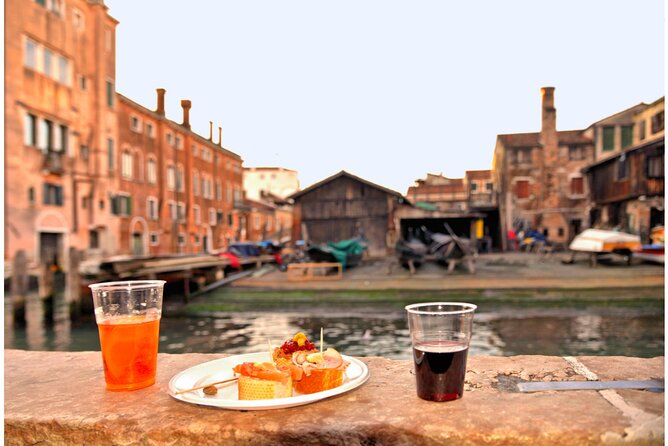
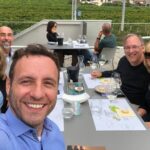
The last stop takes you back to Cannaregio for about 45 minutes at a local wine bar for spritz and additional cicchetti.
This is where the tour becomes a proper aperitivo moment. You may already know the classic Aperol Spritz. But this tour is specifically positioned to show that Venice’s spritz culture includes more than one bottling strategy. Your guide encourages you to ask what else is available, so you can try something that feels local instead of copied from every other city.
The drink focus isn’t just theory. There are mentions of other refreshing options, including a local spritz-style called Select in past experiences. Even if the exact drink list varies by bar and what’s in season, the lesson is the same: Venice often treats the aperitivo as a menu of options, not a single default.
This ending stop is also where guides tend to shine with personal recommendations. Many guests come away with practical ideas for places to eat and drink that are not stuck in the most crowded central areas. That’s the real “takeaway” value: you’re leaving with a short list of where to return that feels more like a neighborhood choice than a tourist detour.
One more detail to keep in mind: a few past experiences mention a sweet finish like gelato or ice cream at the end of the evening. The tour isn’t described as a gelato tour on paper, so don’t assume it’s guaranteed every time. But if your guide suggests it, it’s usually a good sign.
Price and value: what $143.61 is really buying
Let’s talk money in a grounded way.
You’re paying $143.61 for:
- a local guide
- samples of typical Venetian cicchetti
- guided time in the ghetto area
- an included vegetarian option (with limits)
In plain terms, you’re not just paying for food quantity. You’re paying for:
- Access to the right spots for cicchetti and spritz, not the generic places that look busy but feel generic.
- Translation and context so you understand what you’re eating and why the neighborhoods matter.
- A tight route that packs meaningful walking and tasting into about two hours.
- Small-group comfort (max 10) so you can interact instead of stand silently.
One practical way to judge value: food and drink for a tour like this often lines up around roughly €20–€30 worth of items per person. That means the remaining cost is effectively paying for the guidance and local insight. If you like having someone else handle the ordering and the “what’s worth it here” decisions, the price starts to make sense.
If you already have a tight self-guided plan—meaning you know exactly which bacari you want to hit and you’re comfortable ordering in Italian—then this might feel pricier. But for most first-timers, the guide saves time and guesswork, and that’s worth a lot in Venice.
Who should book (and who should rethink)

I’d book this tour if you want:
- a local bacaro-style introduction without guessing
- to eat recognizable Venetian favorites like sarde in saor and baccalà mantecato
- a short but meaningful walk in the Ghetto Ebraico that connects culture to everyday life
- a guide who helps you choose spritz drinks beyond Aperol
You might rethink it if:
- you have celiac disease or severe allergies. The vegetarian option is explicitly not suitable for celiacs or people with severe allergies, so you need careful confirmation before going.
- you want total freedom to pick exactly what you eat. The tasting format is guided and set up by the route.
If you’re traveling with someone who wants both food and story, this hits the balance. It also works well as an early trip activity since it gives you a “Venice basics” feeling: where to walk, what to order, and how Venetians pace their evenings.
Should you book this Venice Cicchetti, Spritz and Wine Tour?
If you like eating where locals actually eat and you’d rather learn the menu than memorize it, I think this is a smart booking. The small-group size, the specific cicchetti focus, and the ghetto context make it more than a snack run.
My main caution is dietary. If you need gluten-free or you have severe allergies, don’t treat this as automatically safe. Reach out before booking and get a clear yes for your situation.
Overall: if you want a guided evening that helps you understand Venice through tastes, this is one of the better ways to spend two hours in the city.
FAQ
How long is the Venice Cicchetti, Spritz and Wine Tour?
It runs for approximately 2 hours.
What’s included in the price?
You get a local guide, samples of typical Venetian cicchetti, a guided visit around the ghetto area, and a vegetarian option if requested in advance.
Is the tour suitable for celiacs or people with severe allergies?
The vegetarian option is not suitable for celiacs or people with severe allergies. If that applies to you, you should double-check before booking.
Does the tour include admission tickets?
The listed stops show admission ticket free. However, on certain dates, day-trippers staying outside Venice may need to pay a €5 access fee for the ghetto area.
What language is the tour offered in?
The tour is offered in English.
What is the group size?
The tour has a maximum of 10 travelers.
Where does the tour start and end?
It starts at Porta del ghetto, Cl. Ghetto Vecchio, 1122 and ends at Fondamenta de la Misericordia, 2515.