REVIEW · VENICE
Venice: Ca’ Pesaro Modern and Oriental Art Museum Ticket
Book on GetYourGuide →Operated by Venezia Unica by Vela Spa · Bookable on GetYourGuide
Two museums, one stunning palace. That’s what makes the Ca’ Pesaro ticket so fun: you get modern art heavy-hitters and a top-notch Oriental collection under one roof in a baroque marble building facing the Grand Canal. I especially love the chance to see Kandinsky and Klimt side by side with other European modernists, and then switch gears to the Oriental Art Museum’s rare focus on Edo-era Japanese works, including samurai armor.
One thing to plan for: this ticket is self-guided, so you won’t have a live guide to steer you through the art or explain context as you go. You’ll want to pace yourself, because the last entrance is at 5PM and the museum is closed on Mondays.
In This Review
- Key things to know before you go
- Ca’ Pesaro’s baroque setting: the building is part of the show
- Getting your bearings: modern art on the first floor
- Modern art you can’t ignore: Klimt, Chagall, Klee, Kandinsky, and more
- A quick note on Rodin
- Oriental Art Museum: Edo-era Japan with samurai armor
- Beyond Japan: Chinese and Indonesian art that broadens the day
- Why pairing these two museums works so well
- Price and value: $11 is a bargain for this much art time
- Timing tips so you don’t feel rushed
- A few practical details that matter in Venice
- Who this ticket is best for
- Should you book this ticket?
- FAQ
- Where do I go to enter?
- What’s included in the ticket?
- Do I get a live guide?
- What are the basic timing rules?
- Can kids visit for free?
- Is the ticket refundable?
- Do I need to pay Venice’s Access Fee?
Key things to know before you go
- Ca’ Pesaro is two museums in one: modern art plus the Oriental Art Museum, all in a historic palace.
- You’ll see big-name modernists like Klimt, Chagall, Klee, and Kandinsky, plus other 19th–20th-century works.
- Oriental Art Museum highlights Japanese Edo art, including important examples and samurai armor.
- Japanese, Chinese, and Indonesian art are all represented, so the collection doesn’t feel one-note.
- Comfort perks exist: free lockers for bags, and a cafe with Grand Canal views helps you reset.
Ca’ Pesaro’s baroque setting: the building is part of the show
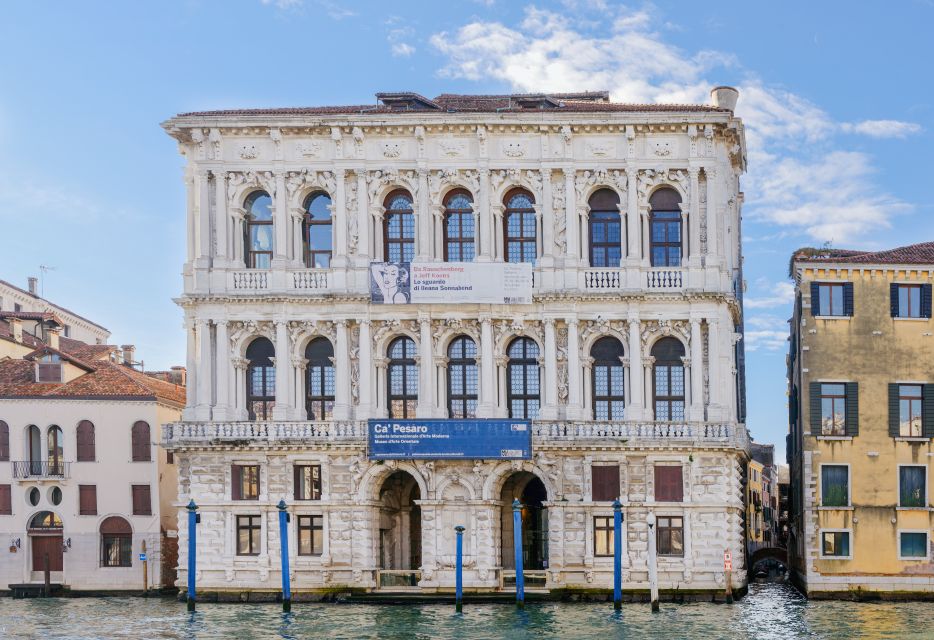
Ca’ Pesaro sits like a proper Venice landmark—an elegant baroque marble palace facing the Grand Canal. Before you even start on the art, the exterior and grand interior space set your expectations: this isn’t a bare-bones museum stop. It feels like walking into a cultural statement, then stepping into carefully arranged galleries.
The best part for me is that the building makes the visit feel like an experience, not just an assignment. You can take a pause in the calmer moments between rooms, look up, and refocus. And if you need a break from museum mode, there’s a cafe where you can grab a drink and enjoy the view over the Grand Canal from a veranda or balcony-style spot.
You can also read our reviews of more tours and experiences in Venice

Getting your bearings: modern art on the first floor
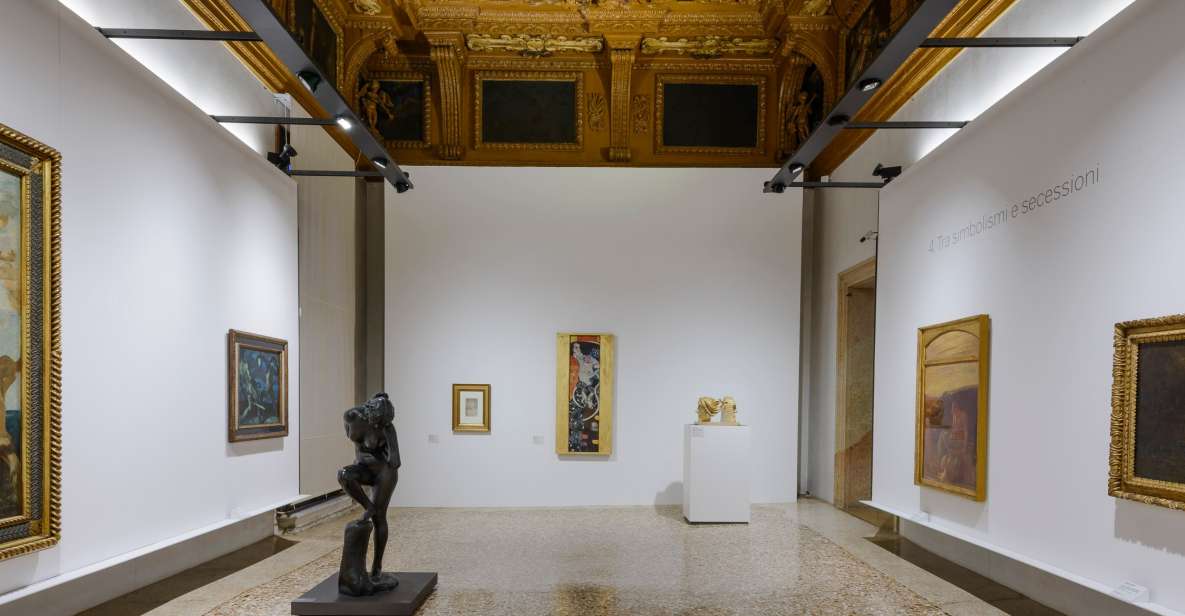
After you enter and show your ticket, you’ll be in a layout that makes the day easy to manage. The modern art area is on the first floor, which matters in Venice because you don’t want your legs doing unnecessary work. You can plan your visit as a clean “modern first, then Oriental” route.
Because this is self-guided, your rhythm is up to you. I like starting with the modern galleries while your attention is fresh, especially if you’re the kind of person who wants to remember what you saw before you switch into a totally different art world.
Modern art you can’t ignore: Klimt, Chagall, Klee, Kandinsky, and more
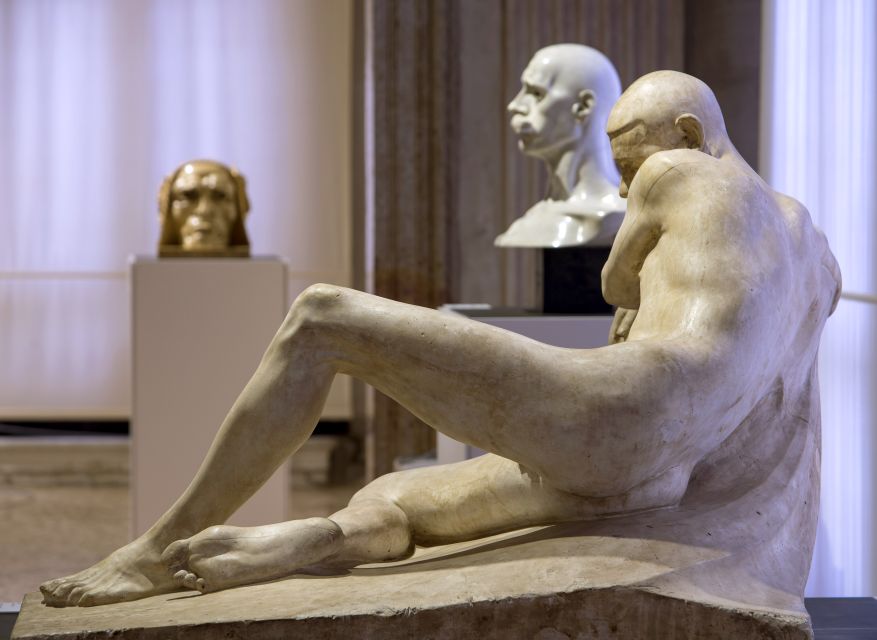
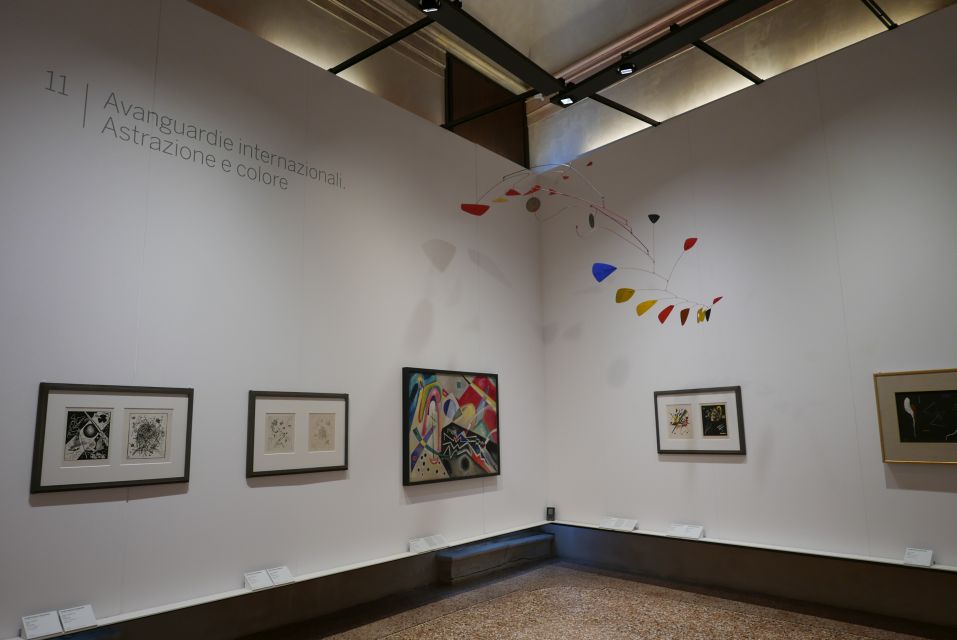
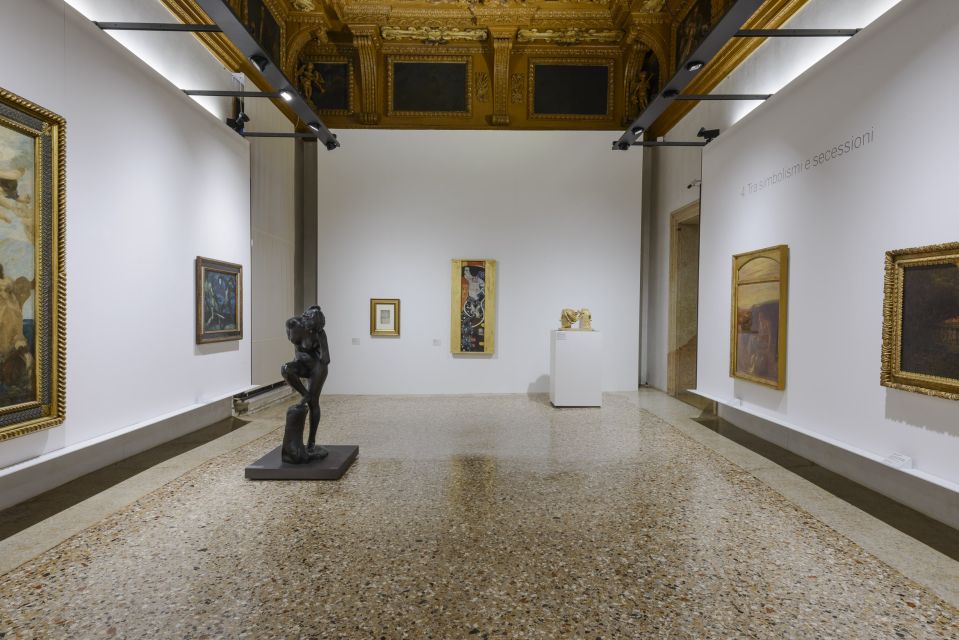
This is where the ticket really earns its spot on a Venice itinerary. You’ll move through 19th- and 20th-century paintings and sculptures, including work by major modern artists such as Klimt, Chagall, Klee, and Kandinsky. Even if you only know a couple of these names, the collection gives you a sense of how European modern art evolved—not as one style, but as a bunch of ideas colliding.
What I enjoy most is that the museum doesn’t only trade on international fame. A lot of what you’ll see is the kind of art that isn’t as widely known outside Italy, but it still reflects the big movements happening across Europe at the time. So you’re not just collecting famous names for bragging rights. You’re learning what those movements looked like when they arrived in Venice and how artists interpreted them.
If you’re an art fan, make time for the moments when you stop “just looking” and start comparing. Kandinsky’s world is one of color and emotion; Klimt’s is often more symbolic and decorative. Seeing major figures within the same visit helps you feel those differences faster than if you were flipping through a book at home.
A quick note on Rodin
In the same modern-collection orbit, you may also run into Rodin sculptures, which add a sculptural backbone to the paintings and help the galleries feel balanced. If you’re used to modern art showing up mostly as flat surfaces, sculptures like these are a nice reset—your eyes travel differently, and the room scale feels more physical.
Oriental Art Museum: Edo-era Japan with samurai armor
Then the day shifts. The Oriental Art Museum is where your brain gets to change settings—from European modern art to works with different histories, materials, and storytelling traditions.
The museum is known for one of the most important collections of Japanese art from the Edo period, and that’s a big deal if you care about how Japanese visual culture developed before the modern era. The samurai armor is especially striking because it turns “history” into something tangible. Even if armor isn’t your usual museum interest, the craftsmanship tends to grab you right away: the form is impressive, but it’s also the details and structure that make it unforgettable.
You can also read our reviews of more museum experiences in Venice


Beyond Japan: Chinese and Indonesian art that broadens the day
I like that the Oriental collection isn’t only about Japan. You’ll find unique examples of Japanese, Chinese, and Indonesian art, which keeps the galleries from feeling like a single-topic museum. For a one-day ticket, this variety is smart: it gives you multiple entry points into the Oriental section without requiring you to fully “know” the art history first.
This is also a good move for families or mixed-interest groups. One person can spend real time on Edo-era Japanese pieces; another can be drawn to the Chinese or Indonesian works. The museum lets you share the same space while still having your own personal favorites.
Why pairing these two museums works so well
At first glance, modern art and Oriental art can sound like two unrelated stops. In practice, the pairing works because you’re seeing how different cultures and eras used art to answer big questions: identity, power, beauty, belief, and how to represent the world.
It also helps that both collections are strong enough to stand on their own. You’re not stuck with one major highlight and lots of filler. The modern side has recognizable names and major 19th–20th-century themes. The Oriental side has serious depth—especially with its Edo focus and the samurai armor display.
That “two worlds” effect is part of the value. You don’t spend your day doing the same type of looking over and over. You get real variety in one ticket.
Price and value: $11 is a bargain for this much art time
At $11 per person for a one-day entry ticket, this is hard to ignore—especially in a city where museum pricing can creep up fast. You’re paying for two museum experiences rather than one, and the collections are both substantial.
Value isn’t only about cost, though. The price makes sense because:
- You’re getting a major baroque setting that makes the whole visit feel special.
- You’re seeing internationally recognized modern artists and also important Edo-era Japanese works.
- You can plan a full day around art without needing additional guided add-ons.
So if you’re trying to balance Venice’s classic postcard stops with something quieter and more thoughtful, this ticket is a good trade. You’re not “missing out” on the city—you’re adding a high-impact museum day that fits right into Venice’s culture.
Timing tips so you don’t feel rushed
This ticket is valid for one day, with last entrance at 5PM. That means you can build a relaxed schedule—late morning through afternoon is a comfortable window, especially in warm months when Venice walking can wear you down.
A practical approach that works well:
- Start with modern art while you’re fresh.
- Take a mid-visit break at the cafe if you want a sit-down moment and a view.
- Save the Oriental Art Museum for later in the day, when the shift feels like a real event, not a fatigue blur.
Also remember: the museum is closed on Mondays, so you’ll want to avoid that day if your trip lands midweek.
A few practical details that matter in Venice
Here are the kinds of on-the-ground things that help your day run smoothly, without getting lost in technicalities:
- Go directly to Ca’ Pesaro and show your ticket when you enter. There’s no live guide pickup to coordinate.
- Free lockers are available for bag storage, which is a real relief when you’re moving around Venice.
- The museum is wheelchair accessible, which is helpful for travelers who need smoother routes through galleries.
- Children under 6 get free entry, so it can be easier to bring younger kids.
One extra thing to watch if your dates fall within Venice’s planning window: during certain days between 18 April 2025 and 27 July 2025, an Access Fee may be required by the City of Venice (with some exemptions). Check the city’s official fee page for the latest rules and how payment/exemptions work.
Who this ticket is best for
This is a strong choice if you:
- Want a real museum day without adding multiple separate tickets.
- Care about modern art beyond just the most famous names.
- Love when a museum gives you a visible “wow” moment—here, samurai armor and major modernists both deliver that.
- Prefer self-guided wandering, with the option to pause when a room grabs you.
It’s also good for mixed groups. The modern collections give you recognizable touchstones, while the Oriental section offers deep variety for people who like to go beyond the obvious.
If you’re looking for a fully guided lecture with storytelling throughout, note that the ticket does not include a live guide. In that case, you might want to bring a little personal research (even just reading quick overviews of artists you’re most curious about) so the day feels more connected.
Should you book this ticket?
I think you should book this if you want two high-quality museum experiences in one efficient Venice day. The combination of modern art landmarks (Klimt, Chagall, Klee, Kandinsky, plus sculptural highlights like Rodin) and the Oriental collection’s strong Edo-era Japanese focus with samurai armor makes the $11 price feel like a smart buy, not a gamble.
Skip it only if you’re set on having a live guide for every major stop, or if your trip falls on a Monday. Otherwise, this is exactly the kind of Venice visit that adds depth without turning your vacation into a checklist.
FAQ
Where do I go to enter?
Go directly to the Ca’ Pesaro International Gallery of Modern Art and show your ticket when entering.
What’s included in the ticket?
Admission is included to the Ca’ Pesaro International Gallery of Modern Art, covering the modern art collection and access to the Oriental Art Museum as part of the same entry.
Do I get a live guide?
No. A live guide is not included with this activity.
What are the basic timing rules?
The museum is closed on Mondays, and the last entrance is at 5PM. Opening and closing details can change, so check the official Civic Museums of Venice website.
Can kids visit for free?
Yes. Children under 6 years old get free entry.
Is the ticket refundable?
No. This activity is non-refundable.
Do I need to pay Venice’s Access Fee?
On certain days between 18 April 2025 and 27 July 2025, Venice requires an Access Fee for visitors, except for specific exemptions. Check the official cda.ve.it website for dates, payment methods, and exemption details.