Venice stops being postcard Venice fast when you skip the main streets. This 2-hour Hidden Venice walk takes you from Campo San Geremia into Cannaregio and the Jewish Quarter, then lines you up at Rialto Bridge with context most first-timers miss. Guides such as Mateo and Nico turn everyday details—bridges, mercados, even old workshop doors—into a story you can actually picture.
I love how the tour balances famous landmarks with quieter neighborhood life. You’ll get the big-ticket stop at Rialto Bridge, then spend real time in spots like the Ghetto Ebraico and the churches and palaces people often breeze past. My other big win is the pace: a max of 15 means you can ask questions and not just listen into the void.
One thing to consider: it’s still a walking tour. The route moves from bridge to bridge and includes short stops with some history talk, so if you get antsy standing still, plan to lean into it—or choose the private option if available.
In This Review
- Key highlights worth planning for
- A quieter Venice route through Cannaregio and the ghetto
- Starting at Campo San Geremia: the funny campo in a calm neighborhood
- Crossing into the Ghetto Ebraico: where history lives in plain sight
- Madonna dell’Orto and its Tintoretto pull: a church stop that changes your viewpoint
- Palazzo Mastelli del Cammello: the Camel House story
- Squero dei Muti and Ponte Chiodo: gondola history on the same route as today
- Rialto Bridge with context: what to look for beyond the crowd
- Campo San Giacomo di Rialto and Mercato di Rialto: the trade life behind the beauty
- How the 2-hour walking format works for real people
- Price and what you actually get for about $47
- Meeting point, walking reality, and who should book
- Guides, vibe, and the small touches that make the walk stick
- Should you book The Real Hidden Venice walk?
- FAQ
- How long is the tour?
- How big is the group?
- Where does the tour start and end?
- What’s included in the price?
- Is entry to churches included?
- Do I need to pay an extra Venice access fee?
Key highlights worth planning for
- Campo San Geremia first: a calm start in Cannaregio with a funny, unusual story
- Jewish Quarter orientation: you’ll hear where the word ghetto comes from and what daily life looked like
- Church stop with an art hook: Madonna dell’Orto and its connection to Tintoretto paintings
- Camel House legend: a quick look at Palazzo Mastelli del Cammello and why it earned that nickname
- Old-school gondola production: Squero dei Muti and what you’re actually seeing
- Rialto done with answers: stories behind the bridge, plus nearby markets and canals
A quieter Venice route through Cannaregio and the ghetto
If your idea of Venice is pigeons on St. Mark’s steps, this tour is a needed reset. You’ll start in Cannaregio, in a part of the city where you can hear yourself think and where the canals feel more like local streets than museum backdrops. The whole point is simple: see the places that shape life here, not just the places that sell tickets.
The tour is built around small-group movement—up to 15 people—so you’re not packed into a conga line. And because the route ends near Rialto Bridge, you get the best of both worlds: quiet streets first, then you’re positioned for the famous area afterward.
English is offered, and the format is designed for questions. Based on what guides emphasize in their delivery, expect conversations that connect what you see now with why Venice looks the way it does.
You can also read our reviews of more tours and experiences in Venice.

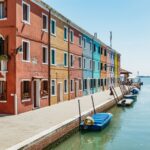
Starting at Campo San Geremia: the funny campo in a calm neighborhood
Your walk begins at Campo San Geremia, a peaceful square tucked in Cannaregio. This is a smart opener because it lets your brain switch from tourist navigation mode to local navigation mode. Squares like this are where Venice “works” socially—people meet, gossip, wait for deliveries, and make plans.
One of the small joys here is how the guide handles place-based stories. Campo San Geremia has an unusual, comic history, and that sets the tone for the rest of the route. You start learning Venice not as dates and rulers, but as habits and details that make sense when you’re standing there.
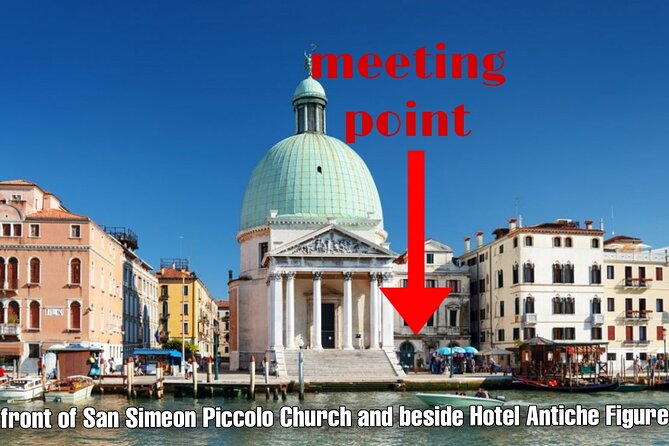
Practical tip: since this is the first stop, give yourself a little buffer so you’re not rushing. The meeting point is in the Santa Lucia train station area, near Hotel Antiche Figure, so plan for that walk from your arrival point if needed.
Crossing into the Ghetto Ebraico: where history lives in plain sight
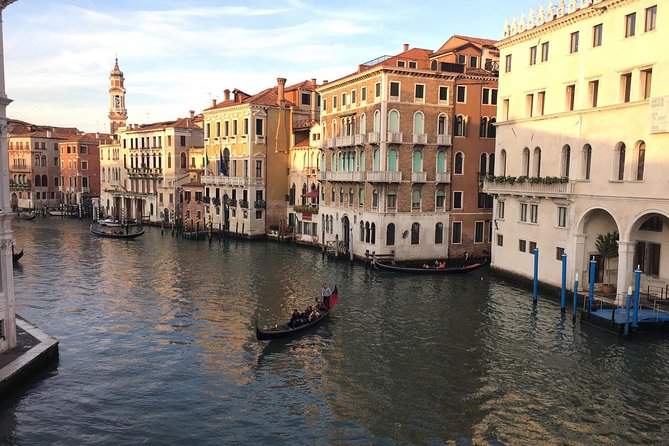
After Cannaregio’s quiet footbridges, you step into the Ghetto Ebraico—Venice’s Jewish Quarter. This stop matters because it changes how you interpret the city. Venice isn’t just canals and palaces; it’s also layers of identity, regulation, survival, and community.
You’ll hear the story behind the origin of the word ghetto, and you’ll get a sense of how that history shaped street life over time. The key value here is that the guide doesn’t treat it as a topic to memorize. You’re walking through the neighborhood, so the information lands in context.
If you’re sensitive to history that includes injustice and restrictions, this is handled in a straightforward way. Still, it can feel like a heavier segment in the middle of a relaxed walk, so it’s worth going in with the right mood.
Madonna dell’Orto and its Tintoretto pull: a church stop that changes your viewpoint
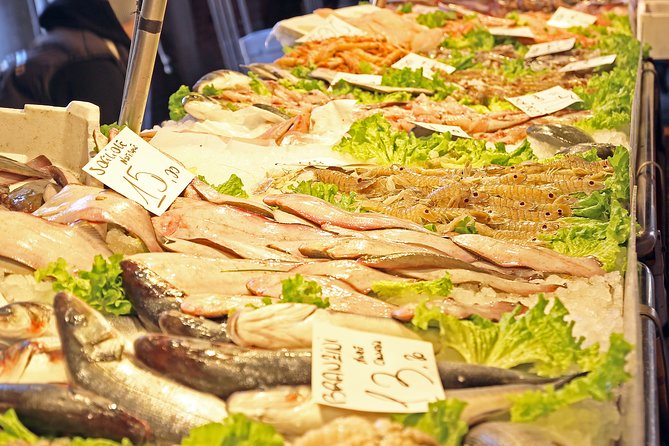
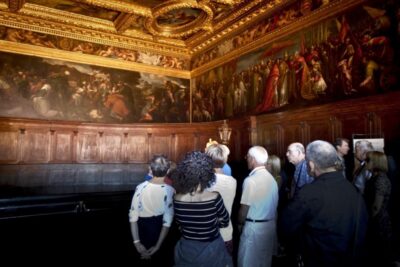
Next up is Chiesa della Madonna dell’Orto, a stop that mixes art and street-level Venice. The church is famous for Tintoretto paintings, and that’s the headline most people recognize.
What makes it more than a “quick photo stop” is the detail the tour points you toward: the original floor of Venice in front of the church. That kind of moment is why walking tours beat guidebooks. You’re not just reading about layers—you’re seeing them underfoot.
Note on logistics: the church admission is listed as not included. So if you want to see everything inside, budget time and be ready to pay for the entry on the day.
Palazzo Mastelli del Cammello: the Camel House story
From there you hit Palazzo Mastelli del Cammello, known for its nickname Camel House. You don’t spend long here, but the short stop is purposeful. This is the kind of structure Venice loves: a famous facade, a local legend, and a nickname that sticks because it’s visual and memorable.
The practical value is how the guide uses the nickname to connect architecture with storytelling. You start looking at the building like a local would—less like a landmark and more like something that belongs to the neighborhood’s memory.
If you’re the type who loves noticing small details in facades, this stop will feel fun instead of rushed.



Squero dei Muti and Ponte Chiodo: gondola history on the same route as today
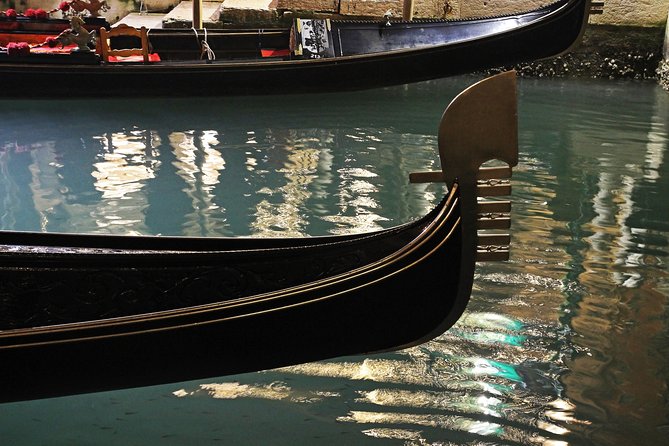
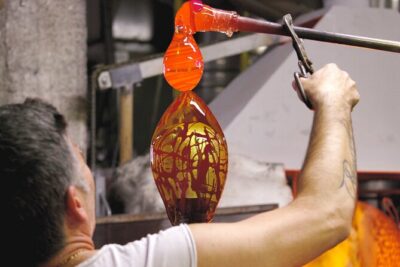
Then comes a stop that turns the romance of gondolas into something more concrete. At Squero dei Muti, you’re seeing an old gondola factory. Even if you’re not a craft-nerd, it helps to understand that Venice’s famous boats aren’t just scenery. They’re built in places like this, using techniques tied to generations of work.
Right after that, Ponte Chiodo enters the story. The tour presents it as the original bridge of the Venetian Republic, which makes it a strong “context bridge”—you’re literally moving across history. It’s a good reminder that bridges here are never just crossings. They’re timeline markers.
One reason this part of the tour feels good: you’re not bouncing between far-apart sites. The route keeps you close enough to notice how canals, bridges, and small streets interact as one system.
Rialto Bridge with context: what to look for beyond the crowd
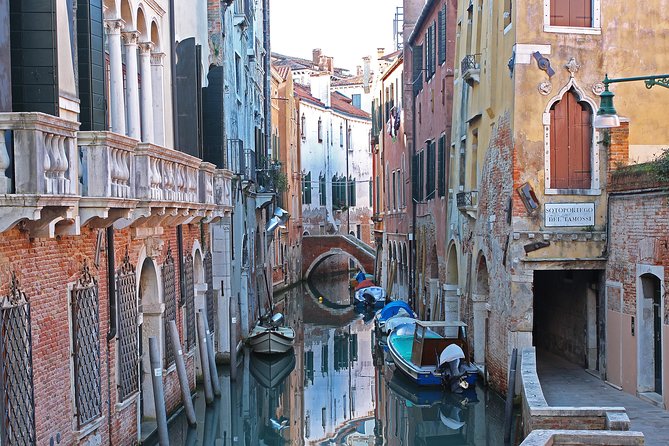
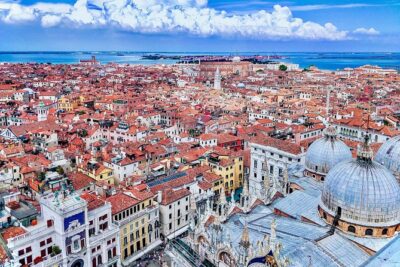
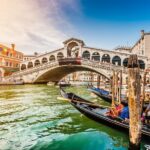
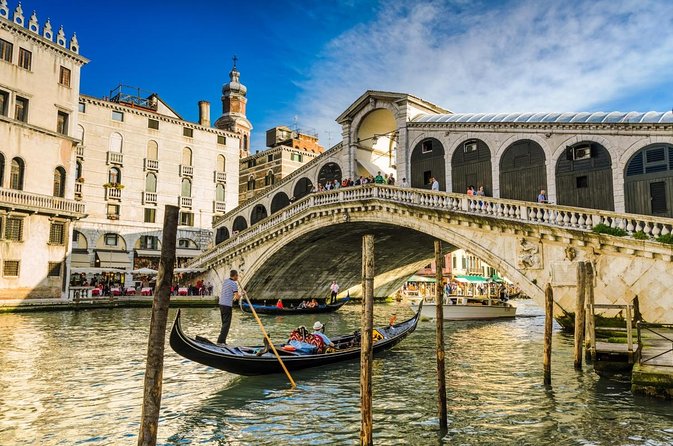
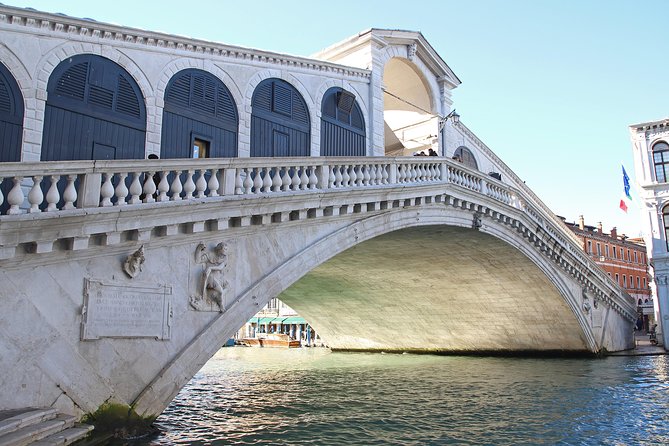
When you reach Ponte di Rialto, the mood changes. This is the star attraction, and you’ll be surrounded by the usual Venice energy. The difference is that you won’t feel like you’re just rubbernecking. The guide shares the stories behind the 16th-century landmark and the traditions around it.
You’ll also learn about the bridge as the first bridge built on the Grand Canal, based on what the tour describes. That context helps you see why this location mattered for trade, movement, and the daily rhythm of the city.
And because the tour ends near Rialto Bridge, you’re well-positioned to keep exploring on your own right after you get oriented. This is one of the smartest tour designs: give you the anchor landmark and the surrounding meaning, then let you wander with confidence instead of fear.
Campo San Giacomo di Rialto and Mercato di Rialto: the trade life behind the beauty
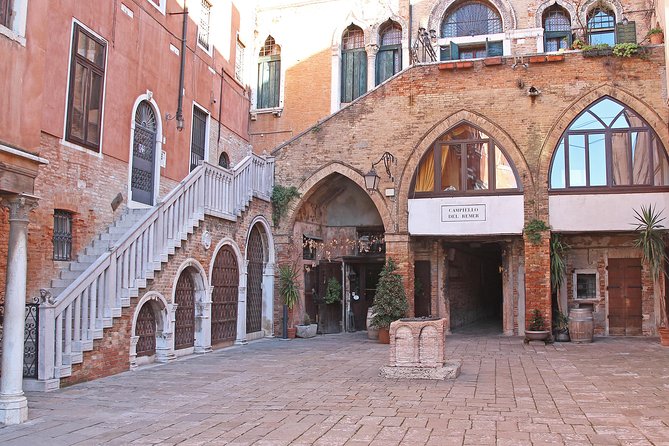
In the final stretch, the route keeps widening your Venice brain. You’ll pass by Campo San Giacomo di Rialto, described as the first lived island of Venice, and that detail reframes what you thought you knew about the city’s geography. Venice’s growth isn’t abstract here. It’s mapped out in the way streets and water behave.
Then comes Mercato di Rialto, described as the old trade center of the Venetian Republic, La Serenissima. Even with minimal time, the stop gives you a valuable takeaway: Venice’s wealth and fame weren’t only about art. They were about commerce and people moving goods through water-adjacent streets.
If you love food markets, you’ll enjoy mentally linking what you see today to why this area became so central. Even if you’re not shopping, it helps you understand the city’s “why.”
How the 2-hour walking format works for real people
Two hours sounds short, but Venice is a city that eats time. This tour’s structure uses tight windows—some stops are just a few minutes—so you get a lot of scenes without losing the day. It’s also why the small group limit matters. With fewer people, you can hear the guide and keep moving.
That said, the pace can include moments where you’re standing and listening. One attendee’s note about hearing and standing stretches is worth taking seriously. If you’re in a bigger group than expected or the guide needs to repeat answers, you may feel it. Private options (when available) can reduce that risk.
Photo advice: take your pictures quickly at the landmark angles, then come back for a second look while your brain is still fresh with the history. Rialto will be busy, so the best shots happen when you understand the angles the guide points out.
Price and what you actually get for about $47
At $47.16 per person for roughly 2 hours, this sits in the “small budget, high value” zone for Venice. The big question isn’t the cost—it’s what you get that you can’t easily get on your own.
You’re paying for three things:
- A route choice: quieter Cannaregio streets plus the Jewish Quarter, finishing near Rialto
- A human connector: a local guide who turns buildings and bridges into stories you can picture later
- Time you don’t have to spend planning: the stops are set up so the city’s layers make sense in sequence
Plus, you get a city map per person, local taxes are included, and you’re in English. There’s also mention of mobile ticket and group discounts, which can help if your schedule lines up with other people.
If you’re only in Venice for a day or two, this is one of the best “orientation plus meaning” spends you can make before your own wandering gets too chaotic.
Meeting point, walking reality, and who should book
Your meeting starts in front of Hotel Antiche Figure in the Santa Lucia train station area (Santa Croce, Fondamenta San Simeon Piccolo). The tour includes pickup there—double-check the booking info so you’re at the right place at the right time. The tour ends near Rialto Bridge, which is convenient if you’re planning your next move toward the main sights or a waterbus stop.
This experience calls for moderate physical fitness. You’ll be on foot for about two hours, crossing bridges and moving through neighborhoods with uneven surfaces that are typical for Venice. If you have mobility challenges, do the math on how you’ll reach the start point and how long you’ll walk before the pickup helps.
It also specifies that children must be accompanied by an adult. If you’re traveling with teens, they often enjoy the “how Venice works” angle guides tend to include—daily life details, not just plaques.
Guides, vibe, and the small touches that make the walk stick
One of the most consistently praised aspects is the guide style. Names come up like Giovanni, Nico, Mateo, Sebastiano, Sebastian, Georgia, Michelle, and Thomas—and across them, the pattern is clear. Guides bring history to life with humor and practical city guidance, not just recitation.
A common theme is that you don’t just learn facts. You learn how Venice functions: water-linked transport, how people live day to day, and why certain streets and buildings exist. One guide even shared local tips for getting ferries toward islands like Murano.
You’ll also likely get restaurant and neighborhood suggestions at the end. That helps you turn the tour into an actual plan for the afternoon.
Should you book The Real Hidden Venice walk?
I think it’s a strong pick if you want Venice to feel less crowded and more human. This is ideal for first-timers who are willing to walk a bit and want context before they chase landmarks. It’s also a good second-or-third trip choice if you’ve seen St. Mark’s and Rialto from the outside but want the quieter districts that explain why the city works.
Skip it (or go private) if you dislike standing still for history talks or you want a super-fast, moving-only tour. Also consider timing: good weather matters for a walking day, and some routes in Venice can feel longer than the clock says.
If you’re deciding between a “must-see sights” day and a “see how locals live” day, this leans toward the second. And that’s why it’s such a popular Venice start: you leave knowing where you are and why it matters.
FAQ
How long is the tour?
The walking tour lasts about 2 hours.
How big is the group?
The group tour has a maximum of 15 travelers.
Where does the tour start and end?
It starts at Hotel Antiche Figure in the Santa Lucia station area and ends near Rialto Bridge.
What’s included in the price?
Included are pickup at Hotel Antiche Figure (per booking info), a city map per person, a local guide, local taxes, and the 2-hour walking tour. A mobile ticket is also mentioned.
Is entry to churches included?
Admission to Chiesa della Madonna dell’Orto is not included.
Do I need to pay an extra Venice access fee?
On certain dates, day visitors staying outside Venice may need to pay a €5 access fee. Check the official city guidance link listed for details and exemptions.