REVIEW · VENICE
The gems of the lagoon. Torcello Burano Murano
Book on GetYourGuide →Operated by ANDREAPAOLO BARBINI TOUR LEADER · Bookable on GetYourGuide
Three islands, one lagoon mood. This trip has a simple goal: help you understand how Murano, Torcello, and Burano each shaped Venice, from daily work to big-picture survival. I like the Murano glass focus, because you get more than a photo stop. You see how glass is actually made, and why Murano became Venice’s craft engine.
I also like the contrast between Burano lace and Torcello’s slow, almost frozen-in-time feel. One island is built on tradition and color; the other feels like you stepped away from the modern city for a while. The main drawback to think about: you’ll still need your own 24h vaporetto (ACTV) ticket for the water transport, which adds cost on top of the tour price.
In This Review
- Key takeaways before you go
- The three-island idea: why this route works
- Getting to the water: where you start in Venice
- Vaporetto time: the lagoon ride you’ll actually remember
- Murano glass: walking Glasser’s street and watching masters at work
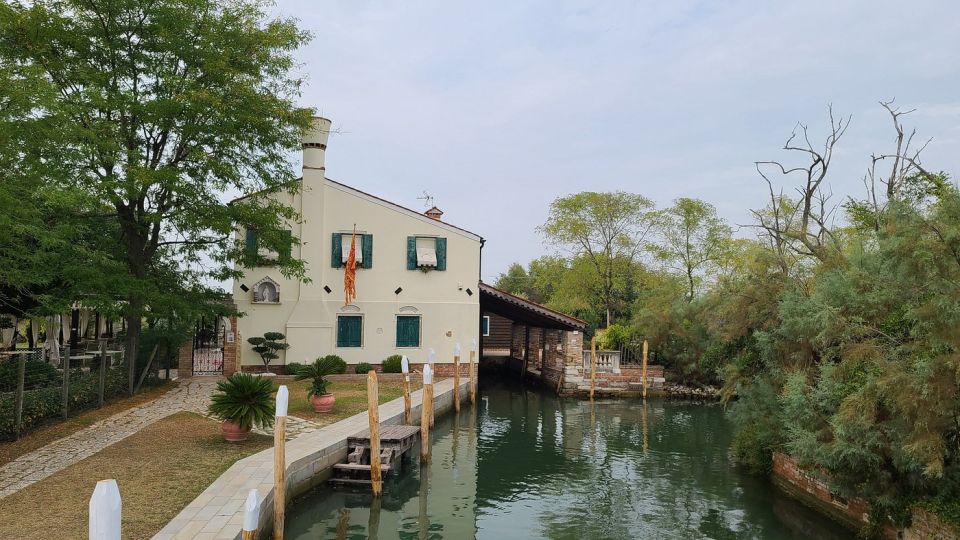
- Torcello: the “dark ages” feel of Venice’s earliest community
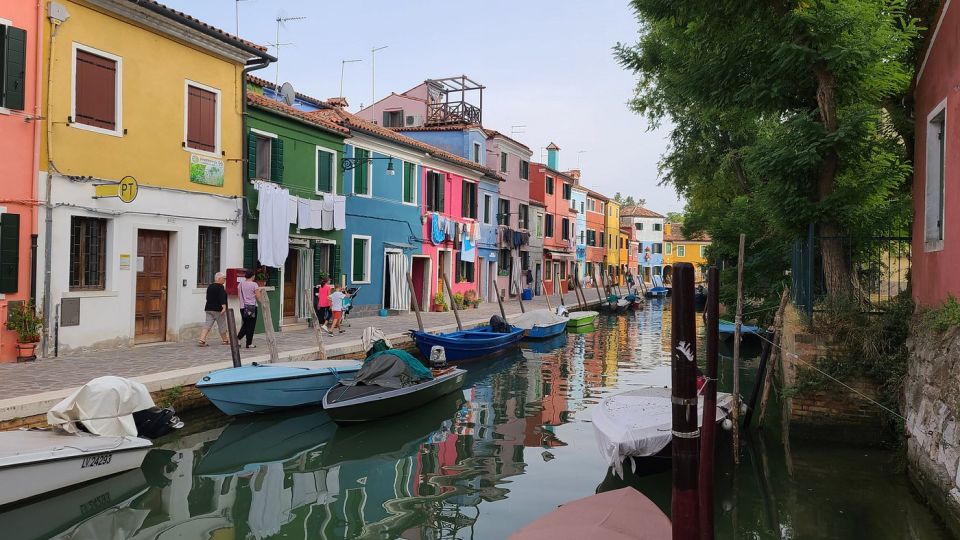
- Burano: fishermen, lace makers, and a lunch-friendly break
- Price and value: $65 plus what you must add
- The guide factor: Andreapaolo Barbini sets the tone
- How long is this day, really?
- Who should book this Murano, Torcello, Burano tour?
- Should you book it?
- FAQ
- Which islands are included in this tour?
- Are the Murano glass and Torcello archaeological visits included in the price?
- Do I need a vaporetto ticket to join?
- Where do we meet in Venice?
- What languages are offered by the driver and guide?
- Is lunch included?
- How long should I expect to be out?
Key takeaways before you go
- Murano glass visits with production access, not just a showroom walk-through
- Torcello’s “first Venice” setting, including an archaeological stop and a tower viewpoint
- Burano’s lace-making tradition, with time to watch old-style handmade work
- Vaporetto rides are part of the experience, not wasted transit time
- Guide-led context matters, especially if you want to connect what you see to why it matters
The three-island idea: why this route works
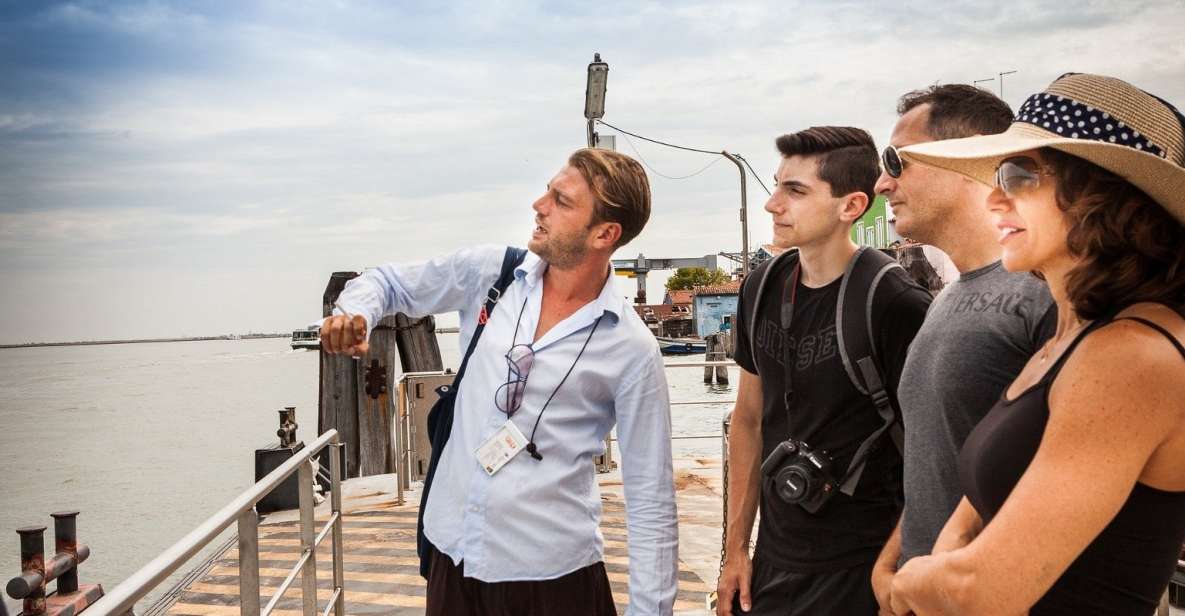
This is a classic Venice lagoon loop, but it’s built in a smart way. Instead of treating Murano, Torcello, and Burano like three separate checkboxes, the tour connects them through work and community. Murano shows Venice’s technical trade. Torcello reflects Venice’s earliest settlement pattern and how the lagoon can feel remote. Burano adds the human scale again with fishermen, color, and lace-making that’s been passed down for generations.
For you, that means less aimless wandering. You still get walking time, views, and that good lagoon air, but you also get explanations while the places are in front of you. Even when conditions turn wet, a guide can keep the day moving in a way that helps you understand what you’re seeing without rushing.
You can also read our reviews of more tours and experiences in Venice.

Getting to the water: where you start in Venice
You meet at Fondamente Nuove, in front of the ticket shop at Gate B. Depending on your situation, there are also two start/drop-off options involving Hotel Vecellio in Fondamente Nove.
What this means in real life: you’re not fighting for position on the most crowded inner-water spots. You’re starting at a major transit hub with plenty of water access. Then you shift from Venice mainland bustle to lagoon travel, which is the whole point of this day.
If you’re prone to travel stress, this kind of fixed meeting point helps. Venice has a way of making even short distances feel long, so having a clear start point reduces decision fatigue.
Vaporetto time: the lagoon ride you’ll actually remember
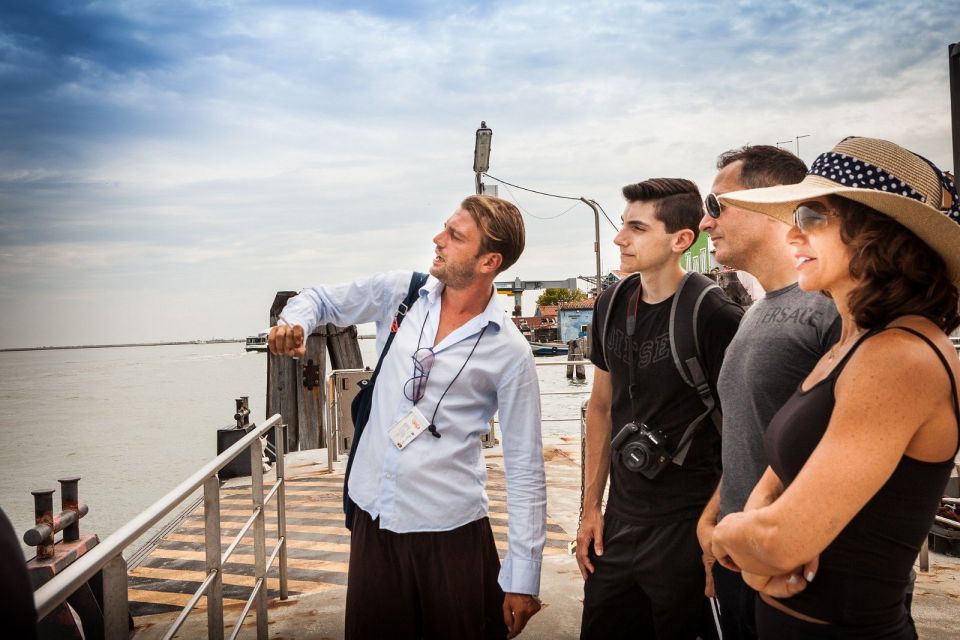
The day runs on the vaporetto, Venice’s water bus system. The tour description leans into the idea that this service has been running since 1895, which you can feel once you’re aboard. It’s not a private boat fantasy. It’s the real transit rhythm locals use, and it puts the lagoon into context fast.
You’ll enjoy scenic views on the way and learn to look beyond the buildings. In the lagoon, the water is the architecture. You’re moving through channels, past island edges, and into the kind of spacing that makes Venice feel big but not hectic. That’s a big part of why this route feels like more than a series of stops.
Practical tip: dress for weather. Even in a good forecast, lagoon days can shift. If rain shows up, bring something you can move in, because the walking segments still happen.
Murano glass: walking Glasser’s street and watching masters at work
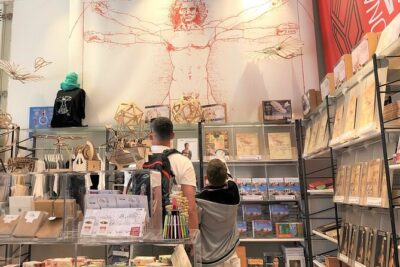
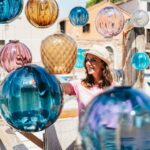
Murano is the obvious star, but what matters is how the visit is done. Instead of stopping at one viewpoint and calling it a day, you head into a real glass production setting. The tour includes a glass production visit (and specifically mentions the 8€ glass entry as part of the price).
You’ll walk through what’s described as Glasser’s street, and you’ll get a look at how a family-run workshop environment works. There’s also mention of a family art gallery connected with the factory, plus the chance to see masters working. For many first-time visitors, that’s the magic moment: watching the craft while someone can explain the steps and the traditions behind them.
Why this is good value: glass in Venice can turn into either a quick shopping stop or a museum-like viewing. Here, you get a working-world experience. Even if you don’t buy anything, you’ll come away with a clearer sense of why Murano became the go-to name for Venetian glass and why production families kept the knowledge inside their community.
A note to set expectations: this is still a guided factory visit with walking. If you want long free time to browse glass shops, plan to do that later, after the tour window.
Torcello: the “dark ages” feel of Venice’s earliest community
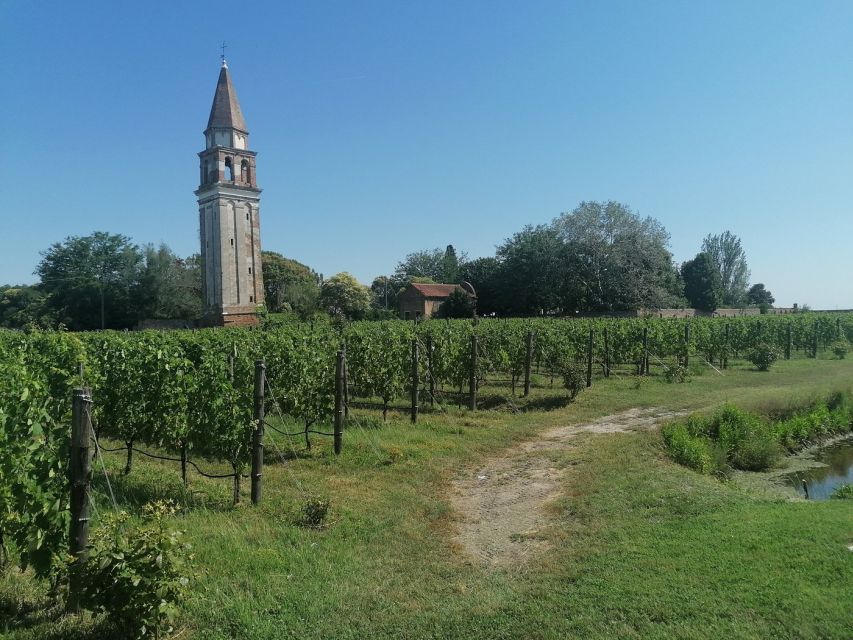
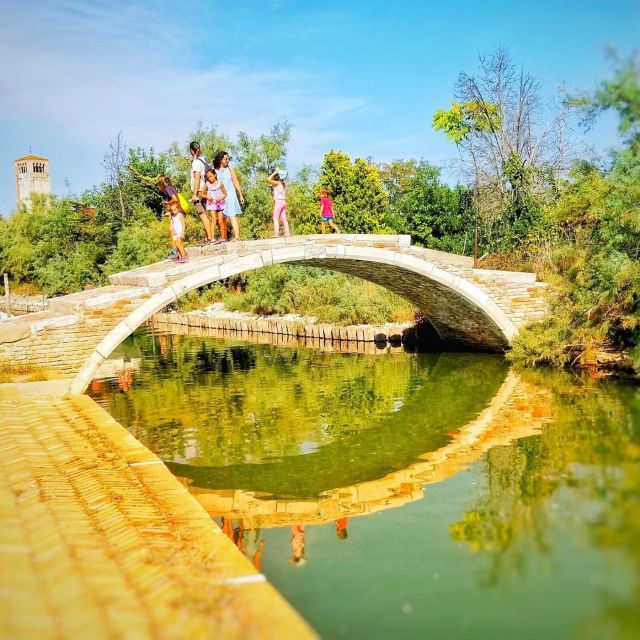
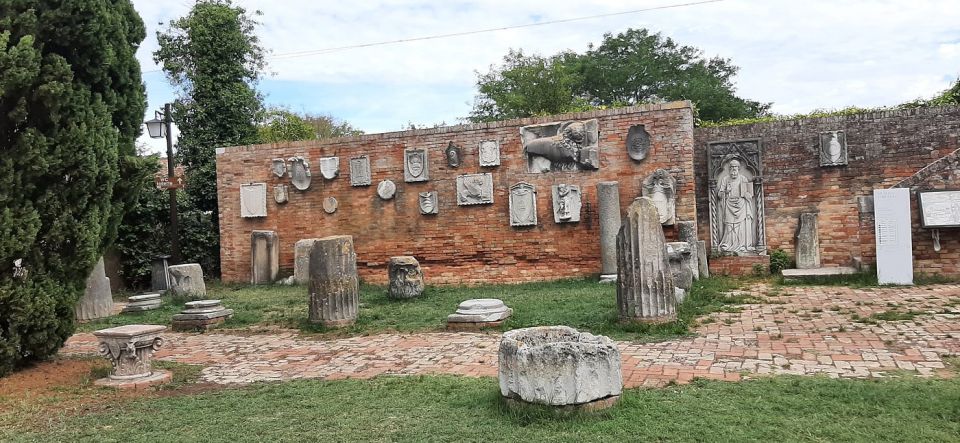
Torcello is where the day changes pace. The tour positions it as the first Venice community, and today you get a sense of why that matters. It’s described as an area that still feels like it’s operating on a much older timeline, with very few locals remaining—explicitly, the tour says the last 9 residents still live there.
The included stop is the Torcello archaeological area (with 5€ included in the tour price). That’s important because it helps turn Torcello from a quiet backdrop into a meaningful place. You’re not just taking photos of an empty-feeling island. You’re connecting the structures and setting to Venice’s beginnings.
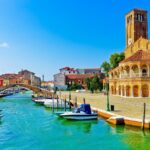
One highlight is the Romanesque tower viewpoint. From the top, you get a view over the lagoon that’s specific in a way that street-level sightseeing can’t match. It’s also a good reset for your eyes before Burano’s color and crowds (even if the crowds are limited, you can feel the difference in energy).
What could be a drawback: Torcello is quieter. If you’re the kind of traveler who wants constant action, you might find it calm rather than exciting. I see it as a feature. The day needs one stop that slows you down enough to actually notice the lagoon.



Burano: fishermen, lace makers, and a lunch-friendly break
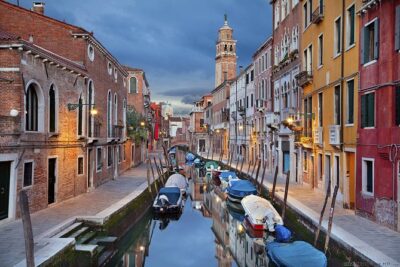
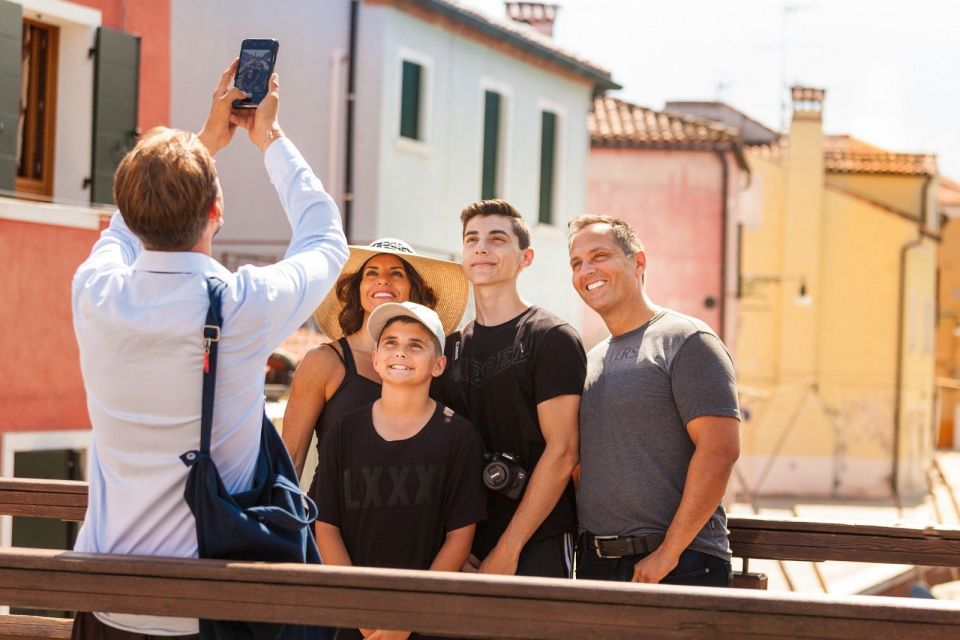
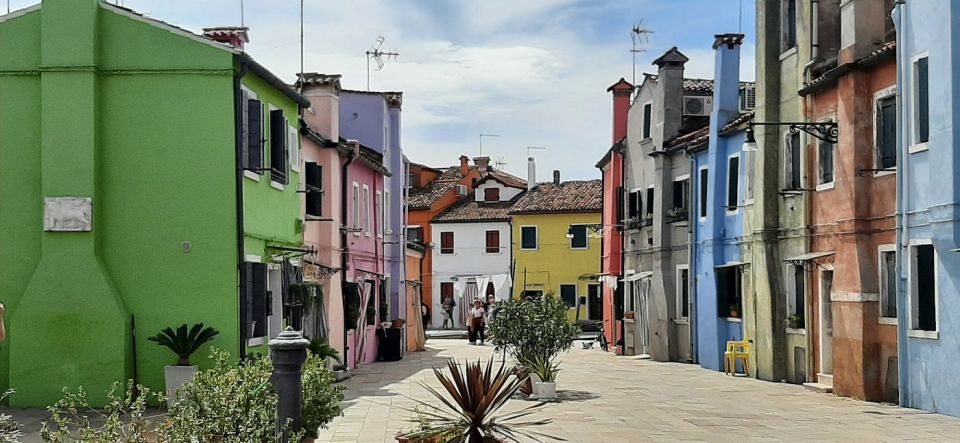
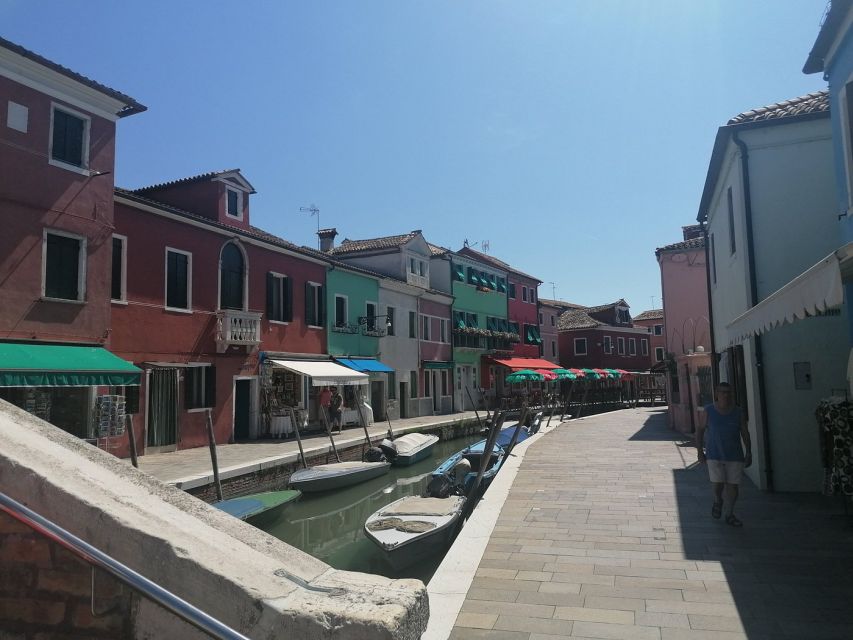
Burano is the contrast. It’s described as a wonderful community of fishers, built around an unforgettable skyline—yes, those colors do matter, but the point is that the town is still tied to work. The tour also calls out Burano’s lace-making legacy, pointing to millennial traditions and describing it as an industry that communities built their identity around.
A key moment here is the lace visit. You’ll see one of the last lace factories, where the old lacers are still doing the handmade tradition. If you’ve ever wondered how lace can look so detailed without modern tools, this is the kind of place where your curiosity makes sense. Watching the process (even briefly) gives you a new respect for what’s being preserved.
Timing-wise, the tour suggests lunch time in Burano around 12. That’s practical advice. If you wait until you’re back in Venice proper, you can lose the island vibe you came for. And Burano is where seafood feels like the natural choice, not a tourist decision.
One more detail worth planning around: Burano can be photogenic, so you might be tempted to spend too long stopping and starting. I’d treat the lace visit as the anchor, then let the skyline and streets be your second priority, not the other way around.
Price and value: $65 plus what you must add
The tour price is listed at $65 per person. That’s the part you can compare directly across tours, but value in Venice also depends on what’s included and what’s not.
What this price covers (from the tour info):
- Murano glass production entry included (listed as 8€)
- Torcello archaeological area included (listed as 5€)
- There’s also a note about the Torcello property belonging to the Church, and it’s described as an offer included in the tour price.
What isn’t included:
- A 24h ACTV vaporetto ticket, listed as 25€, is mandatory for joining since the transport uses the water bus system.
So the real budget picture is closer to tour price plus the vaporetto ticket. If you were already planning to use Venice transit a lot, that added 25€ might not hurt as much. If you were planning a light-use day with only a couple of crossings, this matters more.
Still, the value case is stronger than it looks at first glance because you’re paying for guided visits tied to specific included entries, not just general sightseeing.
The guide factor: Andreapaolo Barbini sets the tone
The tour leader listed is Andreapaolo Barbini (also referenced as Andrea in English-speaking contexts). The guide’s style seems geared toward making the big-picture ideas easy to hold onto: big Venetian storylines mixed with smaller, human details.
There’s also evidence that the guide remains effective even in tough weather. When rain shows up, Venice can turn into a sequence of shortcuts. A good guide helps you keep understanding while you change how you move.
Why that matters for you: islands like Torcello aren’t naturally loud. Murano glass factories can be visually fascinating but confusing if you don’t know what you’re looking for. A guide who can explain the why while you’re standing there turns the trip from scenery into comprehension.
The day is also language-flexible, with English and Italian mentioned as supported.
How long is this day, really?
This is where you should check the start time closely. The info says the activity is “Duration: 1 hour,” but other text in the same description frames it as a half-day trip and also references a schedule running about 5.5 hours.
That doesn’t mean one part is wrong on purpose. It usually means the booking duration label might not match the full loop you’ll experience on the water and walking segments. Before you commit, double-check the actual start time and the time range shown on your confirmation.
For planning, treat this as a half-day lagoon commitment rather than a quick stop.
Who should book this Murano, Torcello, Burano tour?
Book it if you want:
- a structured lagoon day with built-in context
- the chance to see Murano glass production as part of a guided walk
- an island that slows you down (Torcello)
- a strong “craft + community” theme (Burano lace and fishermen)
You might skip it if:
- you only want Venice’s main-city highlights and prefer no island travel
- you hate any walking segments when weather changes
- you expect the day to be a quick, low-cost add-on with zero extra transit fees (because the vaporetto ticket is mandatory)
Should you book it?
I’d book this tour if you’re excited by the idea that Venice isn’t only about architecture. It’s also about labor, craft, and how communities survive in a lagoon environment.
Here’s the decision shortcut I’d use:
- If you’re curious about how glass and lace are made, and you want an explanation while you’re there, the guided factory visits and Torcello’s context are worth it.
- If your budget is tight and you’re unlikely to use vaporetto beyond one or two rides, price can feel less friendly once you add the 25€ 24h ticket.
For many visitors, the mix of Murano production, Torcello’s quiet sense of origin, and Burano’s lace-and-fishing community makes it an efficient way to see what makes the lagoon islands feel like Venice’s other half.
FAQ
Which islands are included in this tour?
The tour covers Murano, Torcello, and Burano.
Are the Murano glass and Torcello archaeological visits included in the price?
Yes. The price includes a Murano glass industry production visit (8€) and Torcello archaeological area access (5€).
Do I need a vaporetto ticket to join?
Yes. A 24h ACTV vaporetto ticket is mandatory and costs 25€.
Where do we meet in Venice?
You meet in front of the Fondamente Nuove ticket shop (Gate B).
What languages are offered by the driver and guide?
The driver is listed as English and Italian, and those are the tour languages.
Is lunch included?
Lunch in Burano is suggested around 12, but it is not listed as included in the price.
How long should I expect to be out?
The activity is listed with a Duration of 1 hour, while the broader day planning indicates a half-day loop of about 5.5 hours. Check your specific time window before you go.