REVIEW · VENICE
The Dark Side of Venice: Mysteries and Legends
Book on Viator →Operated by Private Tours of Venice · Bookable on Viator
Venice has a darker after-hours side. I like the private, crowd-free pace and the English-speaking local guide who connects legends to real streets, including the Bridge of Wonders and the gondola shipyard. The main drawback: it is outdoors for about two hours, so bring solid shoes and hope for clear weather.
You’ll start in central Venice at 6:00 pm and work your way through Dorsoduro and the Zattere waterfront with short, focused stops that help you get your bearings fast. I also appreciate the mix of famous landmarks and places most first-timers skip, like the classic gondola shipyard.
Just keep in mind that some stops are ticketed or closed. Palazzo Dario is currently closed to the public, and a couple of other admission items are not included, so the story matters more than the sightseeing inside.
In This Review
- Key things to love on this Venice darker-sides walk
- Venice at night: why this tour feels different
- The 6-stop route: where the stories land in real life
- Stop 1: Dorsoduro / Accademia and the legend of the Seven Sisters
- Stop 2: Squero di San Trovaso, a working gondola shipyard
- Stop 3: Fondamenta Zattere at night, plus the Hospital for the Incurable
- Stop 4: Palazzo Dario, the notorious palace that’s closed
- Stop 5: Basilica di Santa Maria della Salute and the dome you can spot
- Stop 6: Punta della Dogana and the ship-bow viewpoint finish
- Price and value: what $226.37 buys you in Venice
- Guides matter here: what the best storytelling brings
- Timing and logistics: an evening route that works
- Who should book The Dark Side of Venice
- Should you book it?
- FAQ
- How long is the tour?
- Is this a private tour?
- What language is the tour offered in?
- Where does the tour start and end?
- Are admission tickets included?
- What time does the tour run?
- What happens if the weather is bad?
Key things to love on this Venice darker-sides walk
- Private guide, not a shuffle: it’s designed for only your group, with a dedicated storyteller pacing your questions.
- Legends tied to specific corners: you’re not hearing vague spooky tales; you’re walking to the places the stories grew around.
- Gondola production history: Squero di San Trovaso brings a working Venice feel to the myths.
- A waterfront with a past: the Zattere walk includes the link between the Hospital for the Incurable and what was once called the French disease.
- A view-heavy finish: the route ends at Punta della Dogana, where the pointed shape of the building frames a standout panorama.
Venice at night: why this tour feels different
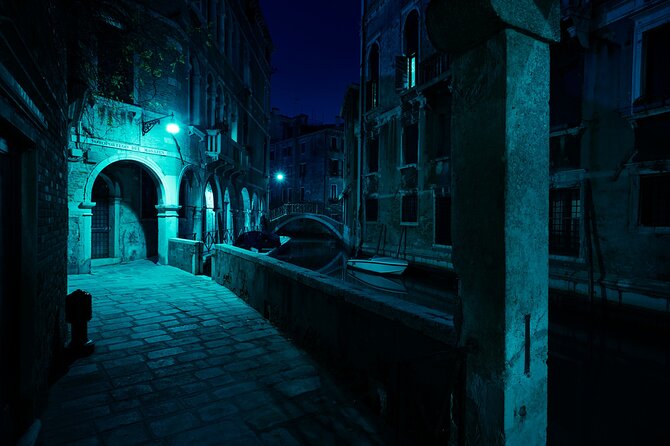
If you only see Venice in daylight, you miss part of the city’s personality. This tour leans into the shadowy side: schemes, fear, illness, death, and the way those stories still cling to old stone. The best part is that it is not a jump-scare show. You get street-level context that makes the legends feel like they belong in the neighborhood, not in a themed attraction.
I also like that the pace is built for an evening walk. You’re out when the city is calmer, and the route naturally moves you from one landmark to the next without dragging you through long stretches with nothing happening. Ending on a viewpoint is a smart touch too, because it gives you a clean reset after a heavier run of tales.
One more practical note: the experience says most travelers can participate, and it runs about two hours. That’s long enough to feel like a full outing, but short enough that you won’t feel stuck if you’re tired after a day of canals and crowds.
You can also read our reviews of more tours and experiences in Venice.

The 6-stop route: where the stories land in real life
Stop 1: Dorsoduro / Accademia and the legend of the Seven Sisters
You begin near Ponte delle Meraviglie (the Bridge of Wonders), close to the Academia Galleries area. Your guide talks about the legend of the seven sisters who lived in that area long ago. Even if you don’t know the story before you start, the location helps. Bridges in Venice are not just routes. They’re social stages where people watch each other, trade news, and connect different parts of the city.
This first stop works well because it sets the tone without exhausting you. It’s also admission-free, so you can spend your focus on the story and the surroundings rather than worrying about tickets.
Stop 2: Squero di San Trovaso, a working gondola shipyard
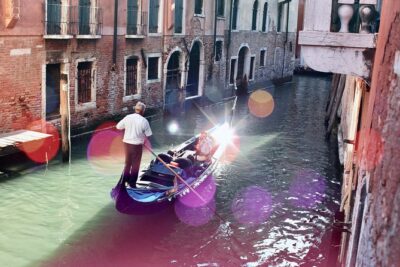
Next up is Squero di San Trovaso, the classic wooden shipyard where gondolas were built and repaired. This stop gives you the practical side of Venice. Myths are fun, but gondolas are the city’s everyday craft, tied to labor and skill, not just drama.
The drawback here is simple: admission is not included. If you hate paying surprise extras, this is the one stop you’ll likely notice most. Still, it’s worth it if you want the dark-lore tour to include real Venice work—wood, repairs, and the physical craft behind the famous boats.
Stop 3: Fondamenta Zattere at night, plus the Hospital for the Incurable
Then you walk along the Zattere waterfront pavement toward the area connected to the Hospital for the Incurable. The tour frames it through the history of people who were treated for what was then called the French disease—syphilis—and explains how the site later became home to the Academy of Fine Arts.
This is one of the most meaningful stops on the route because it connects the darker theme to a real institution, not just a single creepy tale. Venice’s charm can feel almost weightless, but places like this remind you that the city dealt with serious illness and difficult care long before modern medicine.
It’s also admission-free, which keeps the experience smooth. And the timing matters: an evening walk along the Zattere is a classic Venice setting, even when the story turns heavy.


Stop 4: Palazzo Dario, the notorious palace that’s closed
Your guide then points you toward Palazzo Dario, described as the palace that kills. It’s currently closed to the public, but the story is still the star. You’ll hear about unsettling events tied to the palace’s first owner and later arrivals.
This is a smart way to handle a closed site. You’re not paying for access you can’t use. Instead, you get the narrative built around the façade and location—how power and violence get written into the city’s architecture.
The consideration: if you were hoping for interior photos and full viewing, you won’t get that here. You’ll get atmosphere, story, and context, not a typical sightseeing stop.
Stop 5: Basilica di Santa Maria della Salute and the dome you can spot
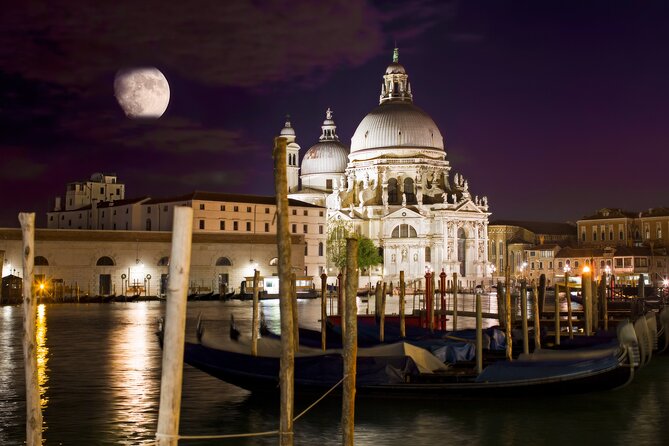
After the heavier stops, you move to Basilica di Santa Maria della Salute. It’s described as one of Venice’s most beautiful churches, and its dome is visible across the city. This is where the tour balances the mood again: you go from grim stories to a church that visually anchors Venice’s skyline.
Admission is not included at this stop, so consider what you want out of it. If the dome and exterior views are enough for you, this stop still delivers. If you want inside access, check your expectations before the day starts.
Stop 6: Punta della Dogana and the ship-bow viewpoint finish
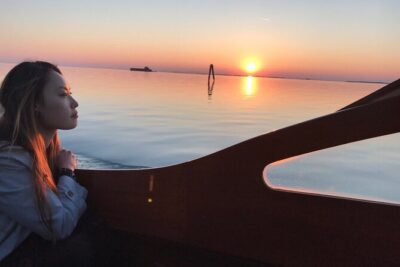
The final stop is Punta della Dogana, famous for its singular pointed shape that resembles the bow of ships. It’s also where you get one of the best city views on the route. The timing also makes sense: ending on a panorama is a natural way to close a tour built around darker lore.
Admission is listed as free for this stop, which is a nice win at the end. You finish at Punta della Dogana – Pinault Collection, so if you’re the type who likes to tack on a museum stop afterward, your route sets you up well.
Price and value: what $226.37 buys you in Venice
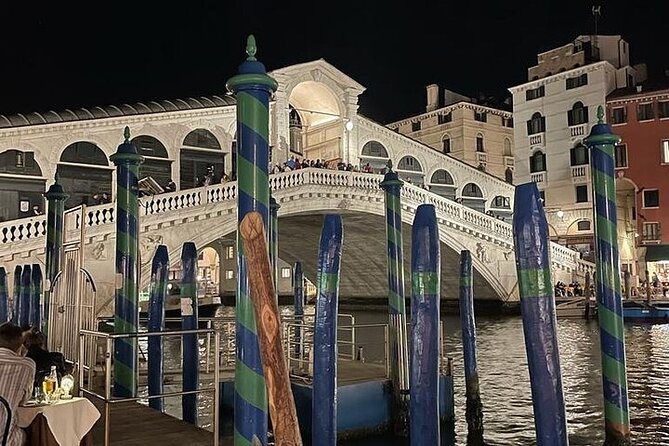
At $226.37 per person, this is not a budget group walk. But it is also not an expensive museum day where you barely move. You’re paying for a private experience with a dedicated English-speaking local guide, a route that avoids the worst crowd crush, and several stops where admission is free.
What makes the price feel more reasonable is the structure. You get a guided sequence through multiple districts—Dorsoduro, the Zattere area, and a viewpoint finish—plus story-heavy interpretation that turns Venice geography into something you remember.
Where you might feel the cost is if your group is small and you’re not a story-first traveler. If you mainly want photos, and you dislike paying for ticketed stops (like Squero di San Trovaso) or closed buildings (like Palazzo Dario), then you may prefer a more classic sights route.
A smart tip for value: ask your group how much they care about dark legends versus standard landmarks. If you’re all in, this private format pays off fast.
Guides matter here: what the best storytelling brings
The guides are the difference between a spooky stroll and a genuinely satisfying evening tour. I like the way the guides described here treat the city as a living puzzle: romance is part of Venice, but so is the mess that fed the myths.
Annalisa, for example, is highlighted as a native guide who doesn’t soften the facts—scheming, murder, plague-era fear, and even the way modern Venice keeps reinventing itself. Desi is praised for knowledge plus the ability to answer real questions and adapt to what the group is interested in. Bianca is remembered not just for the spooky side, but for making it fun with practical breaks, like pointing you toward good gelato.
Even if you don’t get the same guide, that pattern matters. You’re booking an evening walk where the guide is expected to explain more than the headline legend.
Timing and logistics: an evening route that works
This tour starts at 6:00 pm from Campo Santo Stefano, 30124 Venezia VE and ends at Punta della Dogana. That start time is a big deal. Venice feels different at dusk, and you often get better walking rhythm when the worst midday crush has eased.
You’ll also want to plan for the tour being mostly outside. It requires good weather. If skies don’t cooperate, the experience may be canceled and you’ll be offered another date or a full refund, so keep that in mind if your schedule is tight.
One more consideration for non-Venice stays: there can be a €5 access fee on certain dates for travelers staying outside Venice who are visiting for the day. Check the city’s guidance link provided with the experience so you’re not surprised.
Who should book The Dark Side of Venice
This tour is a good fit if you want Venice with sharper edges. Think of it as for you if:
- you like history that includes the ugly parts, not just grand palaces
- you enjoy legends when they’re tied to specific streets and structures
- you want a calmer, private walk with time to ask questions
- your group includes people who want a mix of spooky stories and real Venice craft history (like gondola building)
It’s less ideal if you only want classic postcard stops and prefer lots of indoor time. Since some sites are ticketed or closed, the experience leans heavily on storytelling and street interpretation rather than museum-style access.
Should you book it?
Book this tour if you’re craving Venice that feels real—romantic, yes, but also complicated. The best reason is the pairing of a private guide with a route that moves through meaningful places: the legend at the Bridge of Wonders, the wooden gondola shipyard at Squero di San Trovaso, and the Zattere waterfront history linked to the Hospital for the Incurable.
Skip it if you want a more traditional sightseeing checklist, or if you strongly dislike paying extra for ticketed stops. The route includes free stops, but it also includes at least one not-included admission and a closed palazzo, so your expectations should match a story-first evening walk.
If you do book, wear comfortable shoes and treat the tour like a guided walk with a storyteller, not a haunted attraction. The payoff is in how the city’s dark legends start to make sense once you’ve stood where the stories were shaped.
FAQ
How long is the tour?
It lasts about 2 hours.
Is this a private tour?
Yes. It is a private activity, and only your group participates.
What language is the tour offered in?
The tour is offered in English.
Where does the tour start and end?
It starts at Campo Santo Stefano, 30124 Venezia VE and ends at Punta della Dogana – Pinault Collection, Dorsoduro, 2, 30123 Venezia VE.
Are admission tickets included?
Some stops are free and some are not included. For example, Ponte delle Meraviglie area / Dorsoduro-Accademia is free, Squero di San Trovaso is not included, Fondamenta Zattere is free, Palazzo Dario is not included, Basilica di Santa Maria della Salute is not included, and Punta della Dogana is free.
What time does the tour run?
The listed start time is 6:00 pm.
What happens if the weather is bad?
The experience requires good weather. If it’s canceled due to poor weather, you’ll be offered a different date or a full refund.