REVIEW · VENICE
Ancient Venice and its spices: cooking class and market tour
Book on GetYourGuide →Operated by The Venetian silk route · Bookable on GetYourGuide
Venice tastes like a spice route. This 3-hour class pairs a Rialto market walk with cooking in Massimo’s candlelit, old-recipes home, where spices get tied to stories you actually want to remember. I’m drawn to the spice-route theme and the fact that you don’t just watch—you taste and cook.
I love the Rialto market start, because you learn by looking: saffron, pepper, anise, cardamom, and more show up as real ingredients, not textbook terms. I also like the multi-course meal flow, including a vegetarian option that has impressed people with every course feeling intentional, not thrown together.
One thing to consider: it’s a short, active experience and it’s not suitable for several health situations (including epilepsy, diabetes, and high blood pressure), so make sure it fits your needs before you book.
In This Review
- Key takeaways before you go
- How the Spice Route Turns Venice Into a Story You Taste
- Meet at Caffè Vergnano 1882 and Use Rialto as Your Starting Line
- Mercato di Rialto: Shopping, Sightseeing, and Learning Spices the Real Way
- The Walk, the Photo Moment, and the First Taste of Venice Drinks
- Inside Massimo’s Ancient-Style Home: Tricorne, Candles, and Real Cooking
- The Meal: Vegetarian Multi-Course, Wine Tasting, and Grappa + Espresso
- Price and Value: Why This Feels Worth It in 3 Hours
- Who This Works For (and Who Should Skip It)
- Practical Tips to Make Your Day Go Smoothly
- Should You Book Ancient Venice and Its Spices?
- FAQ
- Where do we meet for this experience?
- How long is the Ancient Venice and its Spices experience?
- Is the class taught in English?
- Is it a private group?
- What’s the main stop besides the cooking part?
- Is there any food and drink included?
- Do they skip the ticket line?
- What should I do if I have allergies?
- Is this experience suitable for kids or older adults?
- What health conditions make it not suitable?
Key takeaways before you go
- Meet at Caffè Vergnano 1882: you start right by one of the best-known Venice coffee institutions, easy to orient yourself.
- Rialto Mercato is the lesson: you shop and sightsee for about an hour, then translate what you found into your cooking.
- Cooking happens in a themed home setting: tricorne, candles, and old-recipe storytelling make the kitchen feel like a time machine.
- Spices connect to Venice characters: the class links flavors to figures like Marco Polo and Casanova, with entertaining spice histories.
- Expect drinks and dessert in the same sitting: it’s not only cooking—there’s wine tasting, spirits, cocktail, and sweet finish time.
- Massimo handles details, including allergies: the host invites preferences and has been praised for being kind and flexible.
How the Spice Route Turns Venice Into a Story You Taste
Venice has always been a trading city. This experience leans hard into that truth, using spices as the thread. You’ll talk about how ingredients traveled long distances and then how Venetians made them part of everyday eating—shaped by merchants, ship routes, and the kind of curiosity that kept the city moving.
What makes this feel different from a typical cooking class is the story engine. You’re not just learning recipes; you’re learning why certain flavors mattered. The class frames Venice’s spice world as a journey across centuries, with an easy link between Marco Polo’s era, merchant life, and later characters like Casanova. It turns ingredient names into something you can picture.
And yes, it’s hands-on. You’ll taste spices along the way, then cook and eat in the same arc of learning. That matters because Venice cooking isn’t only about technique—it’s about balance. People who enjoy food history but get bored by lectures usually find this style more fun than they expect.
You can also read our reviews of more shopping tours in Venice
Meet at Caffè Vergnano 1882 and Use Rialto as Your Starting Line
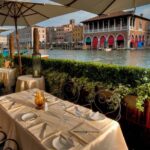
Your meeting point is just in front of the door of Caffè Vergnano 1882. That’s a smart choice for a 3-hour experience: it gives you a fixed landmark and helps you avoid the usual Venice “where exactly is the group?” stress.
From the start, the tone is friendly and practical. The instructor teaches in English, and before you begin you’re encouraged to share what you’d like to taste and any allergies. That small detail is a big deal in Venice, where food can include more ingredients than you expect. It also helps explain why people mention the host’s care and accommodation.
Once you’re together, you’re guided toward the market area with a mindset shift. Instead of thinking of Rialto as a place to “see,” you start treating it like a pantry in motion. You’re about to learn what spices look like in real life—whole forms, blends, and the way merchants talk about their products.
Practical tip: wear shoes you can walk in comfortably. Even though the whole experience is short, the market portion is on foot and Venice streets don’t do “slow rolling.”
Mercato di Rialto: Shopping, Sightseeing, and Learning Spices the Real Way
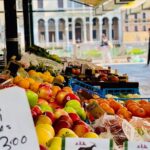
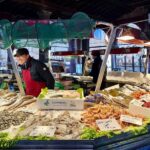
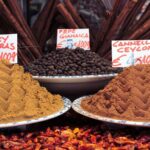
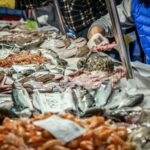
Your first big stop is Mercato di Rialto, with about an hour for visiting, shopping, and sightseeing. This isn’t a distant look from behind ropes. It’s close enough that you can notice textures, how people handle produce and pantry items, and how spices fit into everyday purchasing.
Why this part matters: you’re training your senses before the kitchen. You get to connect smell with origin and with use. The class specifically talks about spice staples that arrived via Venice’s long trade routes—think saffron and other aromatics like pepper, anise, and cardamom. Those names can stay academic if you only read them. Here, they become part of a shopping-to-cooking chain.
You’ll also pick up a sense of how merchants’ decisions shaped flavor. The stories are what turn the market into more than a photo stop. You hear how trade routes affected what Venetians could access and what they did with it once it arrived.
The market experience also helps you pace your expectations. If you’re the type who wants to understand Venice through food rather than landmarks, this is where the day locks in. You end up with a mental map: where ingredients come from, and what those ingredients made possible.
The Walk, the Photo Moment, and the First Taste of Venice Drinks
After the market, you move on foot for around ten minutes. That short stretch is the calm between two active halves of the experience: walking and browsing first, then cooking and eating.
You’ll also have a photo stop in Venice, plus the start of the drinking-and-tasting side with a cocktail and spirits. This matters because it keeps the experience from becoming purely instructional. Food history is one thing; learning to pair flavors and textures in real time is another.
This is the moment where you stop thinking of spices as ingredients and start thinking of them as atmosphere. Venice spice culture isn’t only about the final dish. It’s about the way a city smells while you move through it—coffee, dried aromatics, cured notes, and the warm bite of pepper in the background.
By the time you reach the kitchen/home setup, you’re ready. Not just hungry. Ready.
Inside Massimo’s Ancient-Style Home: Tricorne, Candles, and Real Cooking
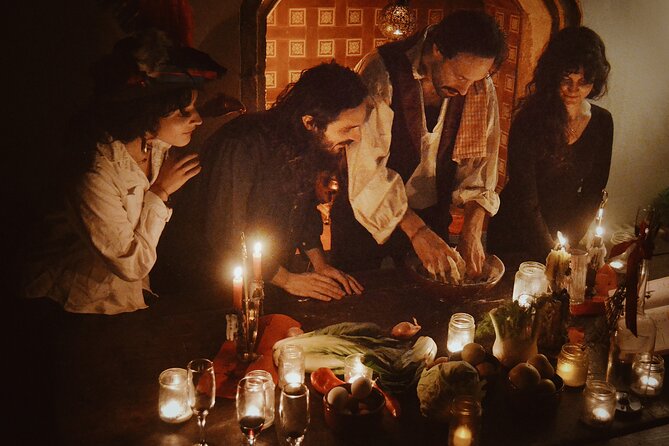
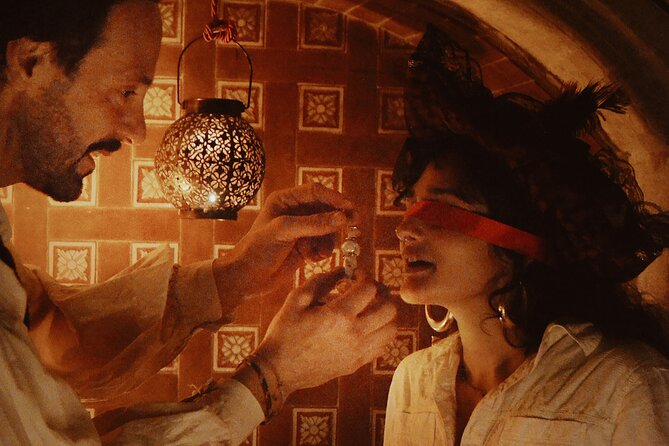
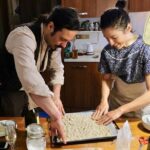
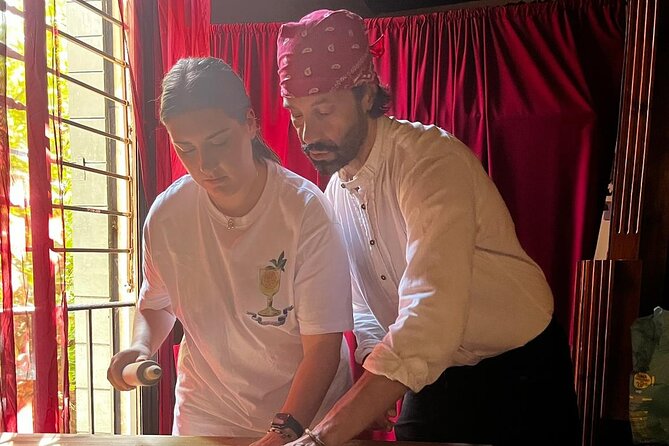
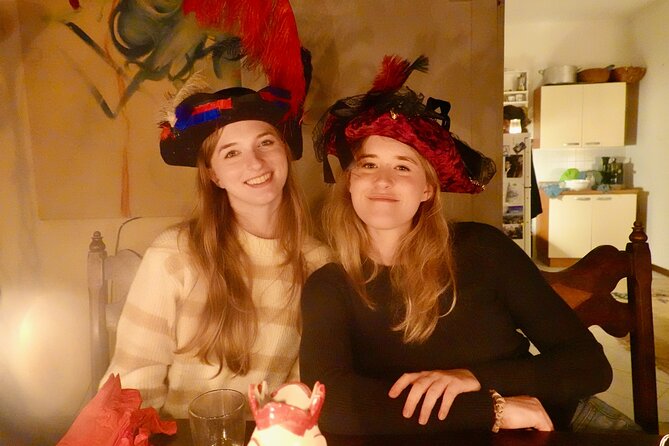
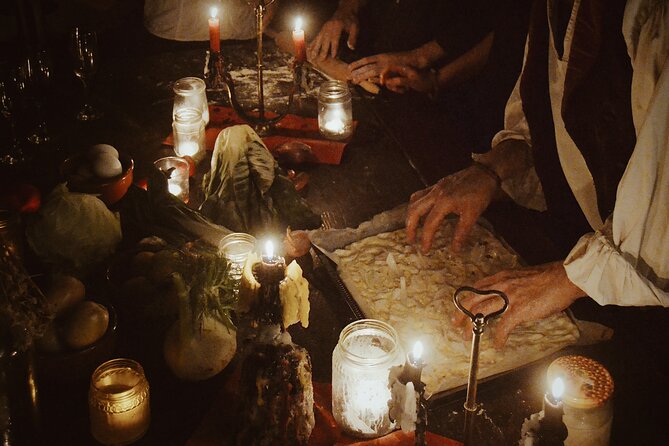
The main event happens in Massimo’s house setting—designed as a journey into the past. Candles, tricorne details, and old recipes aren’t decoration for decoration’s sake. They give you a sense of what the class is trying to do: make Venice feel like a living museum, but one you can eat.
This is also where the spice lesson becomes practical. The host guides you through how spices act in cooking: which ones perfume gently, which ones add warmth, and how to balance aromatics so the dish tastes Venetian rather than just spiced.
The class frames the whole day like you’re climbing aboard an old galleon taking spices along the spice route. That’s storytelling language, but the result is still real: you’ll connect specific spices to specific effects in the food you’re making and tasting.
One of the most praised parts is the way Massimo blends history and personal story without making it heavy. People mention that conversation flows, not that it’s only lecture mode. You get the sense of a teacher who wants you to understand—and also wants you to have fun doing it.
If you like cooking where technique is explained in plain terms, this is a good fit. You’re not expected to be a chef. You just need curiosity and a willingness to try.
You can also read our reviews of more tours and experiences in Venice

The Meal: Vegetarian Multi-Course, Wine Tasting, and Grappa + Espresso
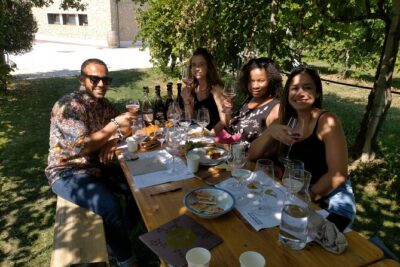
After the cooking portion starts, the meal becomes the reward. Expect a sequence that includes dessert and a wine tasting component, plus spirits and espresso moments. People have described the full outcome as a divine multi-course meal, and one of the reviews specifically highlights an excellent vegetarian menu.
Here’s what that means for you: if you worry about cooking classes turning into small snacks, this one doesn’t. It’s built like a proper meal, with multiple tastes tied back to the spices you discussed.
Some of the cooking highlights people call out include handmade pasta made with ancient flour. The sauce is described as a mix featuring wild mushrooms, nutmeg, and cinnamon. That combination alone gives you a clue about the class’s style: it treats warm spices as part of a larger flavor architecture, not as a gimmick.
And the finishing touches—grappa and espresso—fit the Venice mood. They help you close the loop: spice route story → cooking and tasting → digestif and coffee. It’s a satisfying arc, especially for food people who want a complete experience rather than a single plate.
If you’re someone who tracks details, you may also enjoy the part where you look for differences between various spices. Tasting side-by-side is one of the fastest ways to learn what each spice actually does in your mouth.
Price and Value: Why This Feels Worth It in 3 Hours
Even without a stated price in the info I have, I can still talk about value in a useful way. This experience packs a lot into a short time window: market walk, guided tasting/learning, on-the-spot cooking, and a multi-course meal with drinks.
What you’re paying for isn’t only food. You’re paying for:
- Time with a host who ties ingredients to Venice stories
- A market-based ingredient education
- A kitchen session where you don’t just watch
- A meal structure that includes wine tasting, spirits, dessert, and coffee-style finish
The biggest value signal is how often people call it their favorite activity in Venice. That usually means the host did something right: pacing, hospitality, and a final meal that actually tastes like it was built with care.
Also, it’s private group. That changes the feel. In a small group, you’re more likely to ask questions about spices, and you’re more likely to get personal attention with dietary needs.
Who This Works For (and Who Should Skip It)
This experience is best for you if you:
- want Venice food as a story, not just a recipe list
- enjoy markets and want ingredients explained in context
- like hands-on cooking, including tasting multiple things
- want a fun evening-style atmosphere even in the daytime
It’s also a good birthday pick. People describe it as special, celebratory, and warm.
Now the cautions. It’s not suitable for children under 2 years, babies under 1 year, wheelchair users, and people with epilepsy. It also lists diabetes and high blood pressure as not suitable. And it’s not suitable for people over 70 years.
If any of those apply, don’t force it. A spice-focused meal with alcohol components and an active market walk can be the wrong setup. Better to choose a different kind of Venice food experience that fits your needs.
Practical Tips to Make Your Day Go Smoothly
Venice works best when you plan for your feet and your stomach.
Bring:
- comfortable walking shoes for the market portion
- an appetite (this is a meal experience, not a snack tour)
Plan for:
- asking about allergies and preferences right away
- being open to new spice combinations (nutmeg and cinnamon with savory dishes can surprise people in a good way)
Also, if you tend to get overwhelmed in busy market spaces, treat Rialto like your ingredient classroom. You don’t need to buy everything. Your goal is to notice and taste. The cooking part will help everything click.
Finally, set your expectations for pace: it moves. You’ll walk, taste, cook, and eat in a tight 3-hour loop. If you love that kind of energetic structure, you’ll feel right at home.
Should You Book Ancient Venice and Its Spices?
Book it if you want a Venice experience that’s more than views and photo stops—one that uses spices as the key to understanding how the city eats. The market-first approach, the hands-on cooking in a themed home, and the meal flow with wine, spirits, and dessert make it a strong use of a short time in Venice.
Skip it if you fall into the listed not-suitable categories, or if you hate the idea of a paced, walk-and-cook day. Also, if you’re looking for only a light food stroll with zero time in the kitchen, this may feel like too much activity.
If your sweet spot is food history you can taste—plus a host like Massimo who keeps the tone warm and fun—this is an easy yes.
FAQ
Where do we meet for this experience?
You meet just in front of the door of Caffè Vergnano 1882.
How long is the Ancient Venice and its Spices experience?
It lasts 3 hours.
Is the class taught in English?
Yes, the instructor speaks English.
Is it a private group?
Yes, it’s a private group.
What’s the main stop besides the cooking part?
You spend about 1 hour at Mercato di Rialto for a visit, shopping, and sightseeing.
Is there any food and drink included?
Yes. The experience includes a cocktail, spirits, dessert, lunch, dinner, wine tasting, and tasting as part of the cooking class.
Do they skip the ticket line?
Yes, the experience notes that it skips the ticket line.
What should I do if I have allergies?
Before the class, you can tell the host your preferences and allergies, and they aim to prepare the cooking class accordingly.
Is this experience suitable for kids or older adults?
It’s not suitable for children under 2 years, babies under 1 year, and people over 70 years.
What health conditions make it not suitable?
The info provided says it’s not suitable for wheelchair users, people with epilepsy, people with diabetes, and people with high blood pressure.