REVIEW · VENICE
Secret Venice & Gondola Tour
Book on GetYourGuide →Operated by Bucintoro Viaggi · Bookable on GetYourGuide
Venice feels brand new when you leave the main streets. I love the hidden piazzas and palaces plus the clear Renaissance architecture spotting, and I love the gondola ride as a slow, pretty finish. The main drawback to plan for: the gondola time can run shorter than you expect, and the tour isn’t suitable if you have mobility limits.
For about two hours, you trade big crowds for small corners—then you end near San Marco with water views in your head. At around $71 per person, this is good value if you want a guided orientation that still feels local.
In This Review
- Key things to know before you go
- Secret Venice starts at San Marco Royal Gardens (and why it works)
- The 90-minute walk: hidden piazzas, palaces, and the art of not getting lost
- Fenice Theatre from the outside: a lesson in tragedy and restoration
- San Fantin Church: where Renaissance style has receipts
- Palazzo Contarini del Bovolo: the exterior spiral you don’t want to miss
- Gondola time near San Marco: calm canals, variable timing
- Price and value: why $71 can feel fair (or not)
- Who this tour suits best (and who should skip it)
- Practical rhythm: what to do the day you book
- Should you book Secret Venice & Gondola Tour?
Key things to know before you go
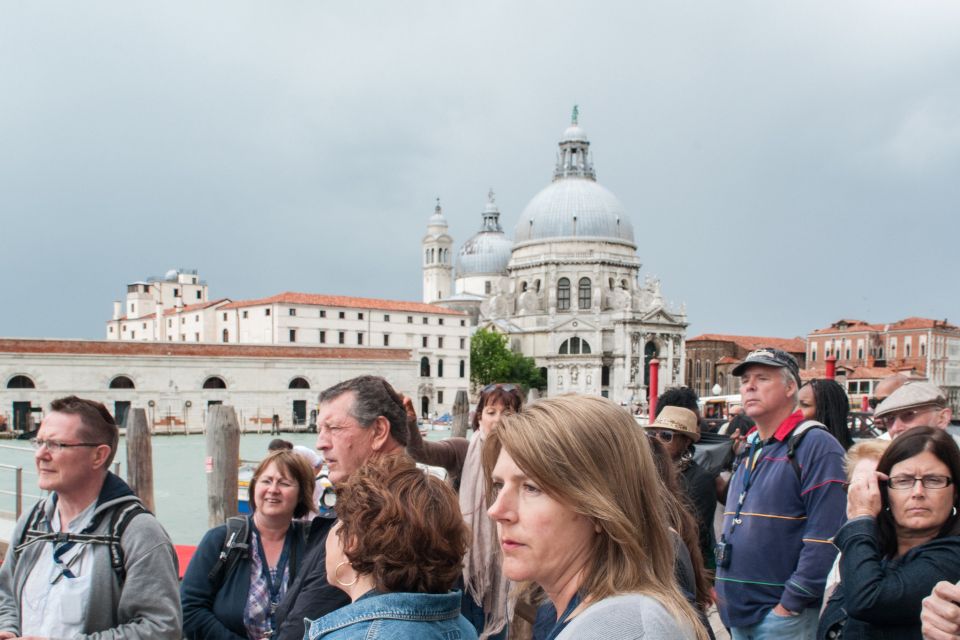
- 90-minute walking loop through lesser-known squares and canal-side lanes near San Marco
- Fenice Theatre outside views with context on its 1996 fire and restoration
- San Fantin Church as a practical lesson in Renaissance building phases
- Palazzo Contarini del Bovolo for that famous exterior spiral staircase look
- ~30-minute gondola ride along canals near San Marco Square
- Highly praised guides are often described as funny, engaging, and history-focused
Secret Venice starts at San Marco Royal Gardens (and why it works)
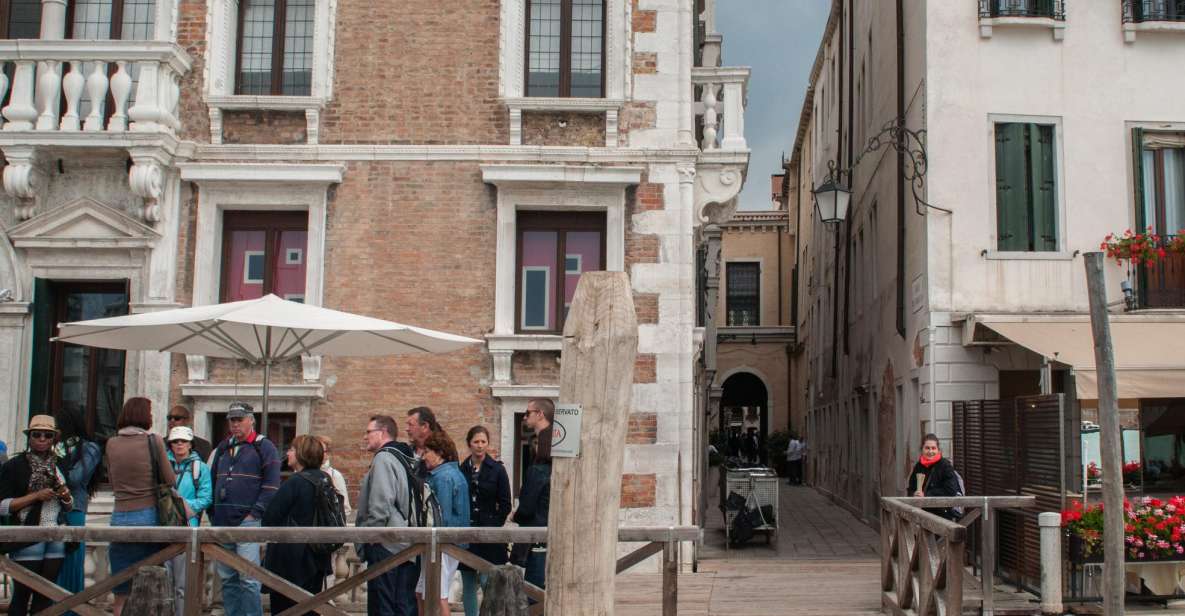
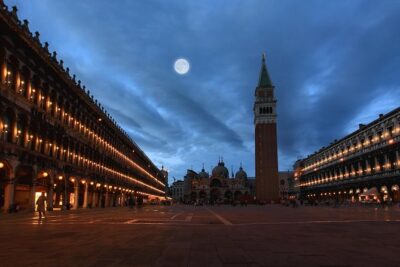
This tour is built for the part of Venice most people skip: the quieter, slightly off-center Venice near San Marco where you still get grandeur, just without the same stampede. You start at the Venice Pavillon area, in front of the Royal Gardens near San Marco Square, and the route quickly shifts from recognizable landmarks to smaller squares and narrow streets you’d be unlikely to find alone.
The meeting step matters. You exchange your voucher at the Alilaguna ticket office in front of the Royal Gardens gate in San Marco. If you tend to miss small signs, don’t worry—you’re not alone. Venice signage can be subtle, so give yourself a few extra minutes to get your bearings around the public waterbus area.
This is a walking-first experience, so the best “bring” is simple: comfortable shoes. Even if the pace feels relaxed, you’ll be on uneven stone and getting in and out of tight lanes. Also keep in mind: the tour is not set up for wheelchair users or guests with mobility impairments.
You can also read our reviews of more tours and experiences in Venice.

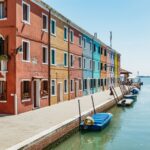
The 90-minute walk: hidden piazzas, palaces, and the art of not getting lost
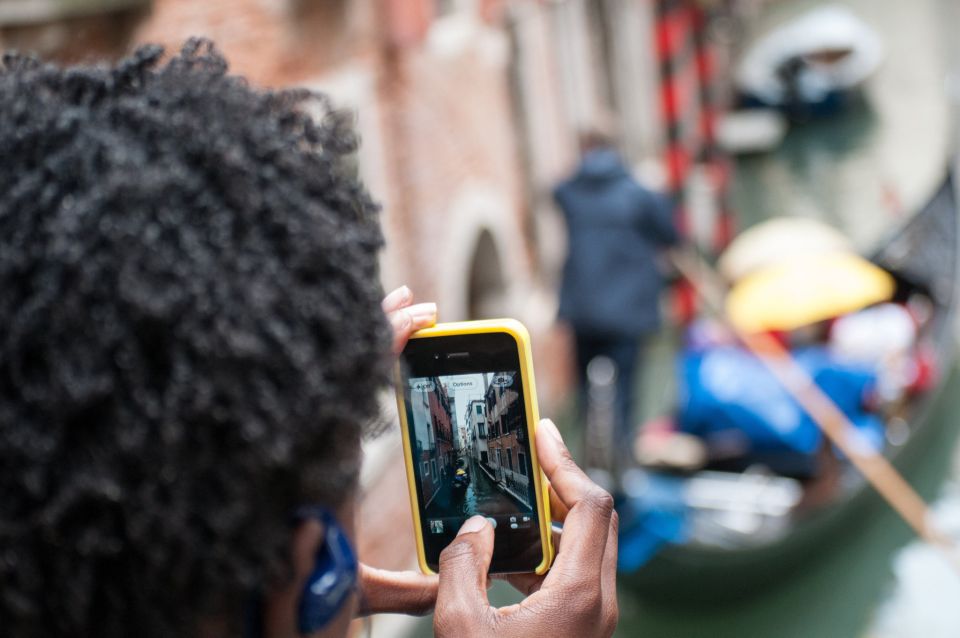
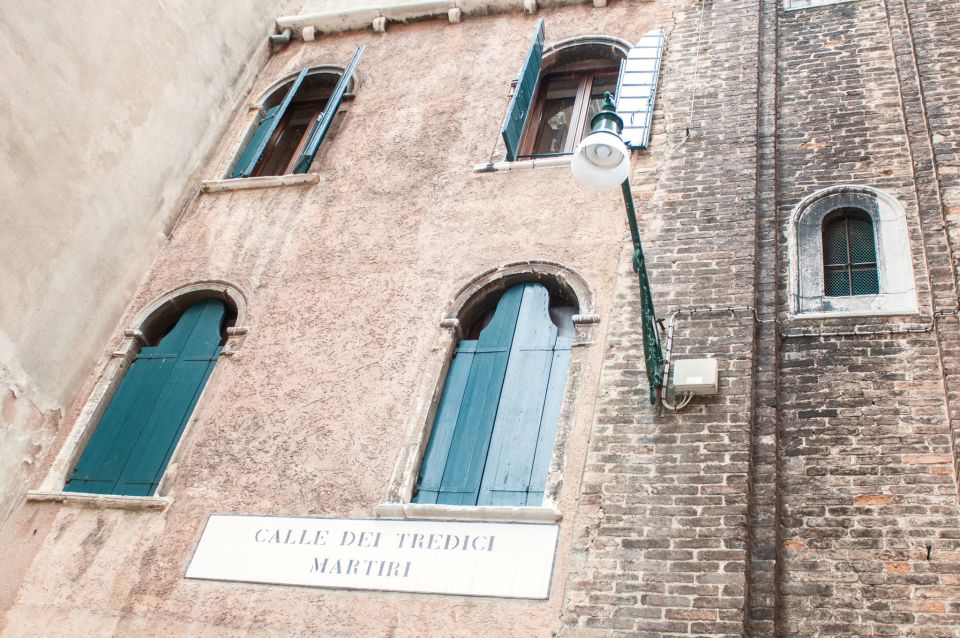
The heart of the tour is roughly 90 minutes of wandering on foot. You’ll move through little squares, down narrow canal-side streets, and past buildings where the details are the story. That’s what I like about this kind of guided loop: you’re not just seeing Venice—you’re learning how to read it.
Here’s the practical advantage. If it’s your first day in Venice, this walk helps you map the area fast. Several guests describe doing it early as a way to build confidence for later exploring, especially when you return to San Marco and realize the backstreets make sense.
You also get a more “Venice-sized” view of architecture. In the main-guidebooks, you tend to see the front door. On this tour, you’re more often noticing proportions, windows, courtyards, and the way Renaissance design adapts to tight urban space. That makes the sights feel less like checkboxes and more like a place with rules.
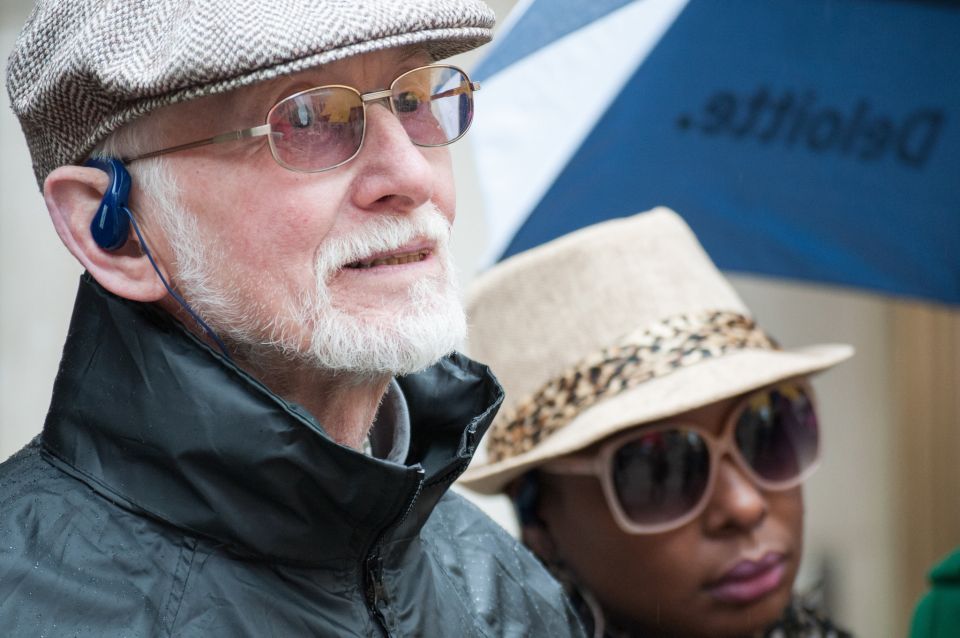
One more small detail that shows up in real-life experience: the group can stretch out in busy lanes. When headsets are used, it tends to make the guide easier to follow. Either way, it’s smart to stay close enough to hear and to let the guide pull you back together at each stop.
Fenice Theatre from the outside: a lesson in tragedy and restoration
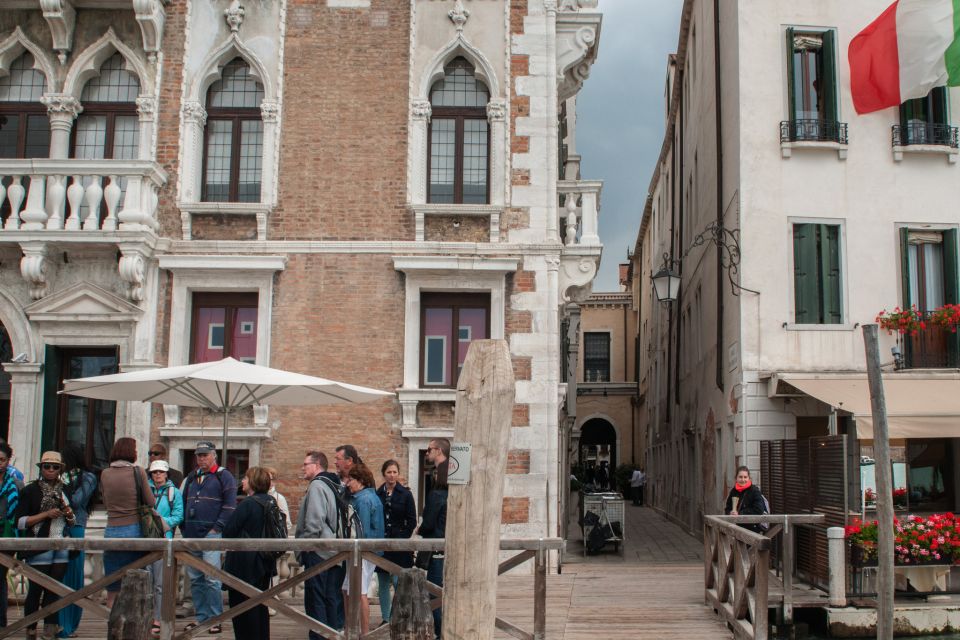
After you’ve oriented yourself on the quieter streets, the route heads toward the Teatro La Fenice. You don’t go inside on this tour, but you do get a strong external view paired with context—especially about the 1996 fire and how the theater was restored after it.
Why that matters: in Venice, buildings don’t just sit there. They reflect decisions made over time—what gets rebuilt, what gets preserved, and how a city chooses to move on. Seeing the Fenice from outside, then hearing how restoration works in practice, makes that big famous façade feel more human and less like a museum label.
Even if you’ve already walked past the Fenice at some point, this stop lands differently because you’re in a guided rhythm. You’re comparing forms, noticing restoration-related cues, and connecting the building to Venice’s love of art and its habit of bouncing back after disasters.
San Fantin Church: where Renaissance style has receipts
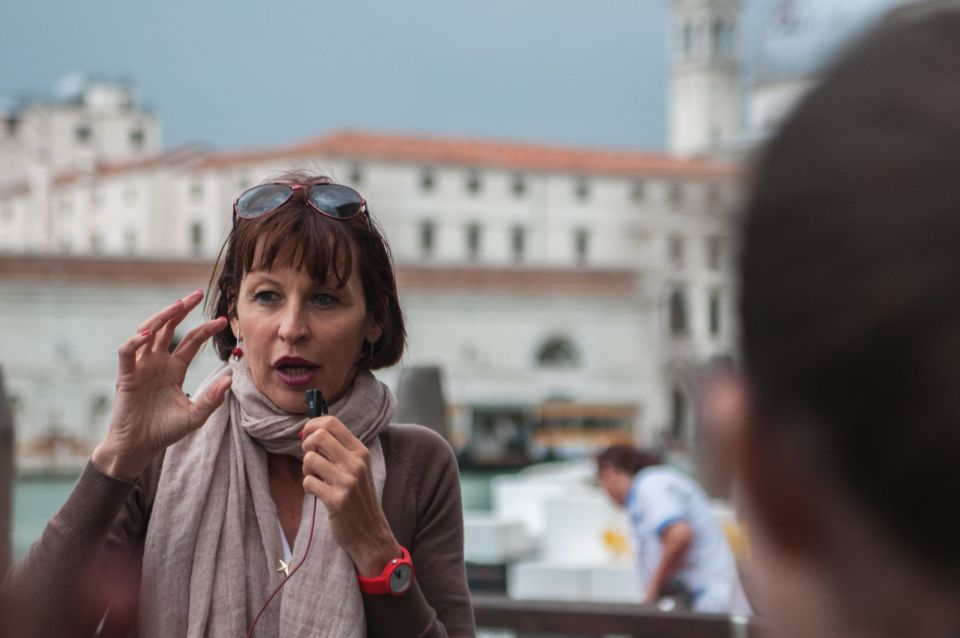
Next comes San Fantin Church, described as a harmonious Renaissance building that began with Scarpagnino and was extended by Sansovino. That’s the kind of detail you can’t really “get” just by walking by. On this tour, you’re taught to look for layers—how styles change not because taste changed overnight, but because construction often happens in phases.
I like that this stop gives you a different kind of architectural payoff. The Fenice is big and theatrical. San Fantin is more subtle. If you enjoy the feel of Renaissance design—balanced proportions, careful façades, and the sense of order—you’ll appreciate how the guide frames this as a living project rather than one finished moment.
Palazzo Contarini del Bovolo: the exterior spiral you don’t want to miss
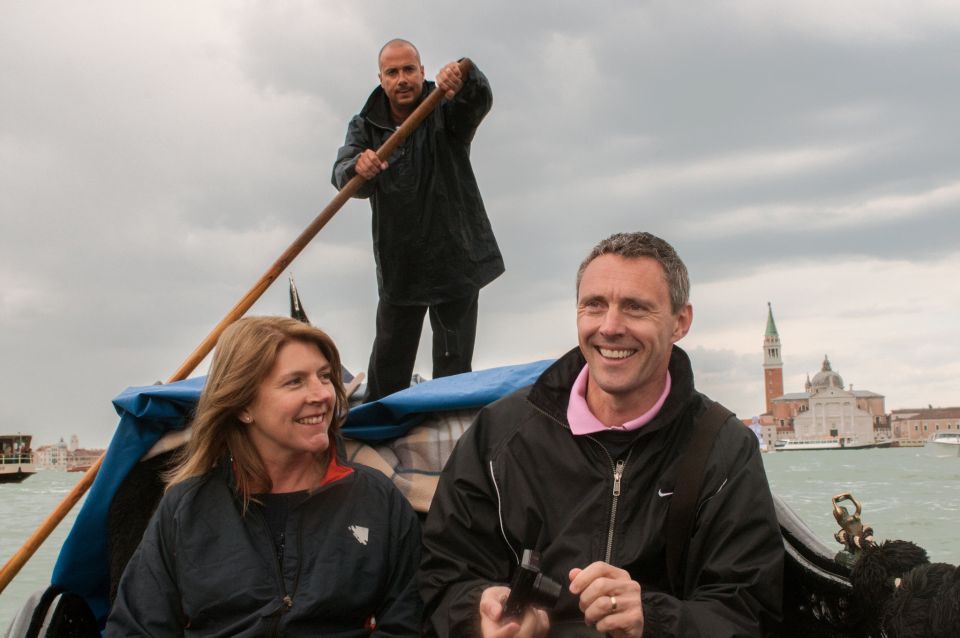
Then you arrive at Palazzo Contarini del Bovolo, known for its unusual spiral staircase. The emphasis here is on the exterior look, including how the stair overlooks a tiny courtyard. Even if you’ve never heard the name before, it’s the kind of structure that stops you mid-walk because it’s visually odd in a good way—at once decorative and functional.
This is one of the tour’s best “look up” moments. Venice streets often train you to look forward. This stop breaks that habit: you’re meant to watch the geometry of the stair, the way it wraps, and how the courtyard layout creates a small stage around it.
Also, this is the sort of stop where photos usually make sense. If you take your time, you can capture the spiral from different angles while staying out of the densest crowd zones.



Gondola time near San Marco: calm canals, variable timing
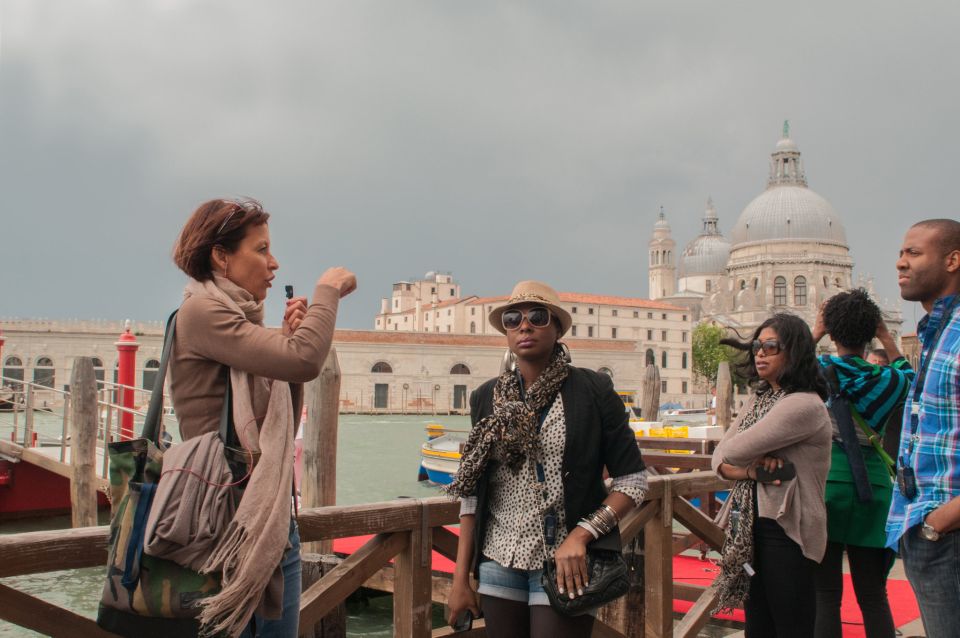
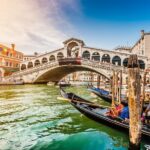
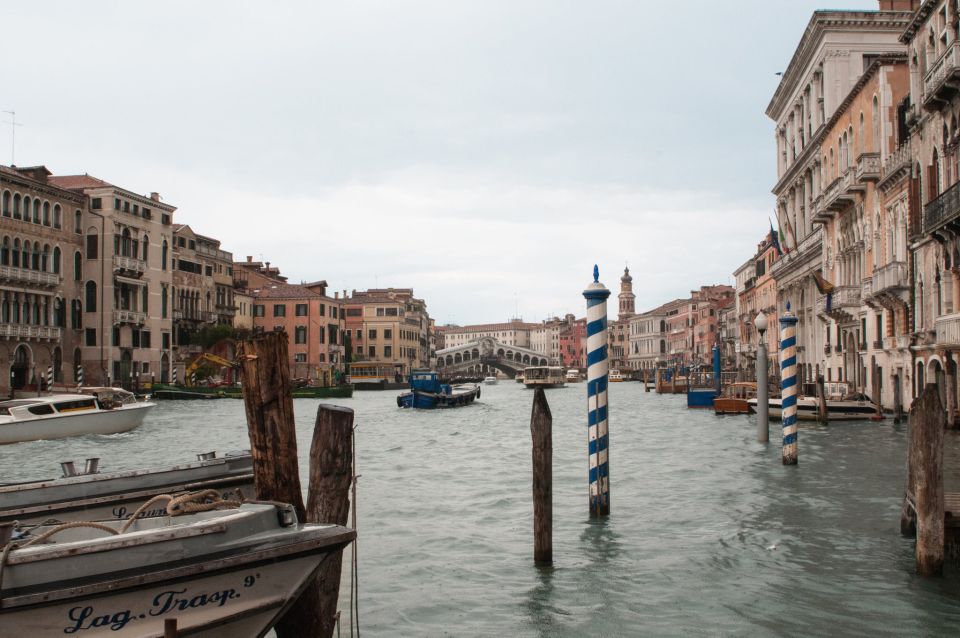
At the end, you swap land for water near San Marco Square. You’re scheduled for a gondola ride of about 30 minutes along some of Venice’s canals. In a perfect world, this is where you slow down, absorb the buildings, and let Venice do the talking.
Now for the honest part. Multiple accounts point out that the gondola portion can be closer to 20 minutes rather than a full half hour. That doesn’t ruin the experience, but it does change expectations—so plan as if you’ll get something in the 20–30 minute range.
What I’d do is treat it like a bonus that caps the walking portion, not a standalone main event. The ride is still worth doing because it shifts perspective: those narrow lanes and façades you’ve just learned to spot suddenly make sense from the water. And if you get the chance to glide past side canals rather than spending time jammed on the busiest stretches, it feels genuinely peaceful.
One more variable: the tone of the gondolier. Some guests describe a more animated, entertaining vibe; others say the rider seemed less warm. You can’t control personality, but you can control your mindset. Sit back, enjoy the scenery, and let the water level do the work.
Price and value: why $71 can feel fair (or not)
At $71 per person for a 2-hour tour that includes a guide and a gondola ride, this is priced as a blended experience: a guided orientation plus a classic Venice transport moment. You’re not only paying for the boat—you’re paying for someone to help you interpret what you’re seeing while you walk.
Where value really depends on you:
- If you want a quick, guided way to understand the San Marco area, this can feel like a smart use of time.
- If you expect the gondola to feel like a long, narrated highlight, you may wish for more time on the water than you end up getting.
For most people, the walking portion is the differentiator. That’s where the architecture stops, the Renaissance building context, and the “lesser-known Venice” angle come through. If that part clicks for you, the ride feels like the smooth closing chapter.
Who this tour suits best (and who should skip it)
This is a great fit if you:
- Want lesser-known Venice without giving up the beauty of Renaissance buildings
- Like walking tours with a guide who explains what you’re looking at
- Plan to explore San Marco after you learn the layout
- Enjoy humor in guiding (many praised guides are described as funny and entertaining, sometimes with a dry, wry edge)
It’s probably not your best match if you:
- Need step-free access (the tour is not suitable for wheelchair users or guests with mobility impairments)
- Are expecting a long gondola ride as the main event
- Dislike group pacing in busy, narrow streets
Also, if you’re traveling with a multilingual group, English is available for this specific option, and Spanish runs every day. German tours run only Monday and Friday.
Practical rhythm: what to do the day you book
To get the most out of this tour, think about flow. Since you start near San Marco and end near San Marco, it pairs well with other nearby plans—lunch, a museum visit, or a slower afternoon walk where you already know the street logic.
Timing helps too. In Venice, the city is at its busiest when everyone else is out. If your schedule allows, choose a slot where you’ll still enjoy walking but not suffer in peak crowds. And always bring the shoes you trust on old stone.
If you’re the type who likes asking questions, bring that energy. Guests describe guides who answer questions and keep things moving in a fun way.
One last tip: the gondola line at the end is usually organized, but you’re still relying on Venice logistics. If you’re strict about timing later that day, give yourself cushion after the tour.
Should you book Secret Venice & Gondola Tour?
Book it if you want a 2-hour, guided route that shows Venice beyond the most obvious streets, with architecture stops that actually mean something. The Fenice outside view, the San Fantin Renaissance context, and the Palazzo Contarini del Bovolo spiral stair make for a strong mix of “I didn’t know that” moments.
Skip it if your top priority is a long, private-feeling gondola experience or if mobility access is a concern. Also, set a realistic expectation for gondola timing—aim for a short canal glide, not a long romantic cruise.
If your goal is to walk away with better instincts for Venice and a calm water perspective at the end, this one earns its place.