REVIEW · VENICE
Prisons’ Palace: Maleficia, Inquistion torture tools
Book on GetYourGuide →Operated by CITY TOURS CO LTD · Bookable on GetYourGuide
Witchcraft history, told in a prison. This Prisons’ Palace visit turns Venice’s marble-and-legend setting into a place of evidence, punishment, and fear, focused on the Holy Office during centuries of persecution. You’ll see reproductions, old-style paperwork, and justice tools in a setting that’s part museum, part warning.
Two things I really liked: the audio guide keeps the story moving (and you can pause your pace), and the exhibition includes specific torture instruments rather than vague horror. One thing to think about before you go: this is a heavy, grim theme, and the visit is only about 1 hour, so if you’re hoping for lots of extra context beyond the objects, you may want more time.
In This Review
- Key Highlights You Should Know Before You Go
- Why Prisons’ Palace Turns Maleficia Into Something More Personal
- Getting There Fast: Finding the Correct Entrance Near Doge’s Palace
- Your 1-Hour Plan: How the Visit Typically Flows
- What You’ll Actually See: Garrote, Pillory, Head Crusher, Whipping Post
- The Maleficia Theme: Documents and Reproductions of the Holy Office
- The Women Accused of Witchcraft: A Cell That Changes the Mood
- “Original Maleficia Book” Prescribed Instruments: Why That Detail Matters
- Price and Value: Is $11 Worth an Hour in Prisons’ Palace?
- Practical Tips That Improve the Visit
- Who This Works Best For (And Who Should Skip It)
- Should You Book Prisons’ Palace: Maleficia?
- FAQ
- Where is the Prisons’ Palace meeting point?
- How long does the experience last?
- What’s included with the ticket?
- Are there audio guides, and what languages are available?
- What are the opening hours?
- Can I skip the ticket line?
- What will I see in the Maleficia exhibition?
- Is this suitable for people with limited mobility?
- What are the cancellation and booking options?
Key Highlights You Should Know Before You Go
- Prisons’ Palace location: right by San Marco Square, near Doge’s Palace (use the correct bridge approach)
- Maleficia Exhibition ticket included: you’re not just passing through; you’re entering the themed museum
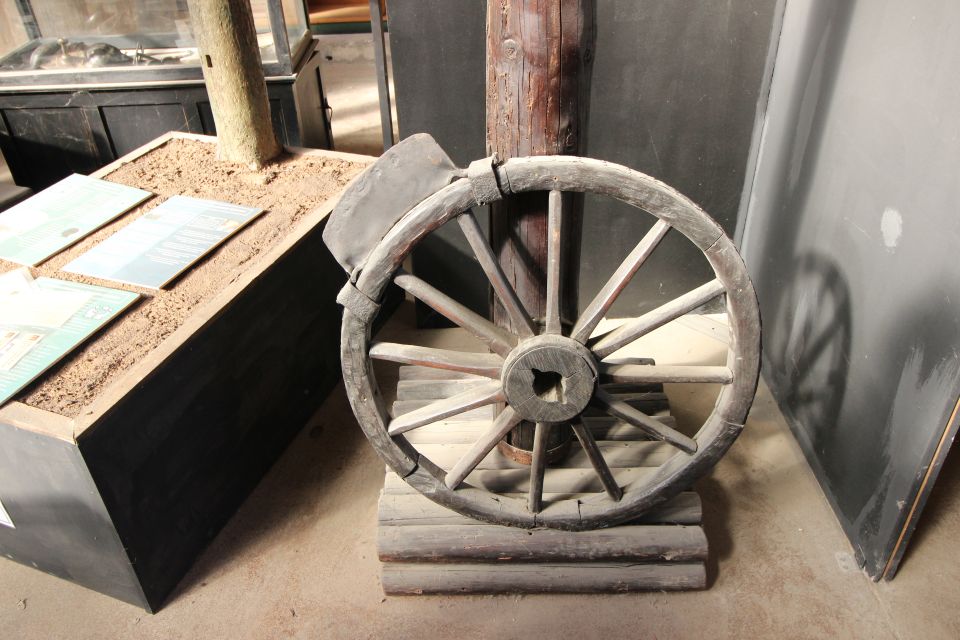
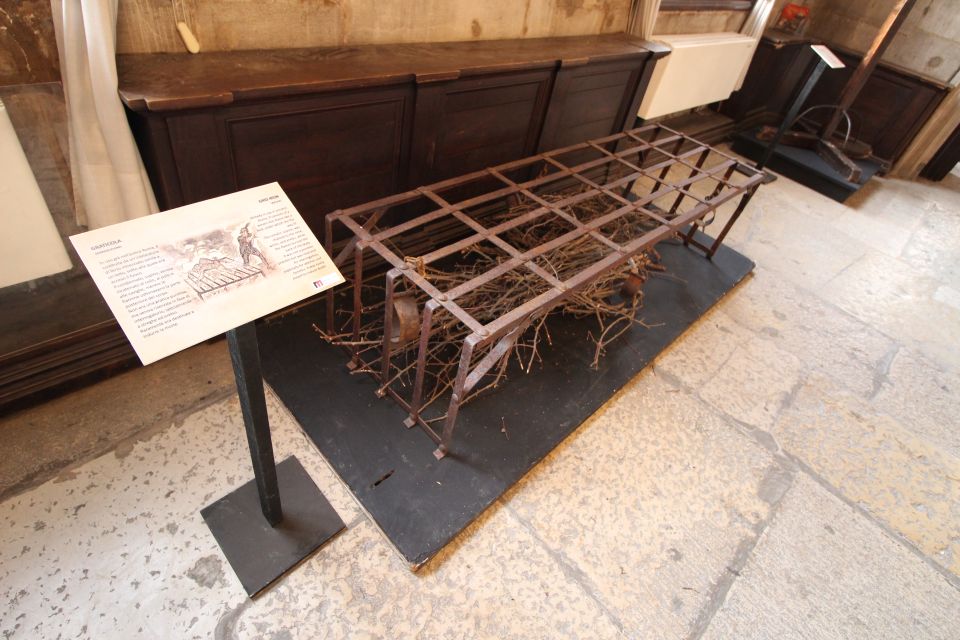
- Real-feeling justice tools: a garrote and pillory are shown as instruments of punishment
- More than one device: you can also see a head crusher and an authentic whipping post
- Holy Office documents and reproductions: the exhibition links objects to the tribunal that used them
- A cell for women accused of witchcraft: the display puts human lives into the story
Why Prisons’ Palace Turns Maleficia Into Something More Personal
Prisons’ Palace is already dramatic, even before you add the Maleficia theme. Walking in, you get that strong sense of confinement from the building itself, which makes the exhibition’s subject feel less like a theatrical gimmick and more like a system.
What I liked most is how the experience is structured around evidence and tools, not just scary images. You’re shown documents and reproductions connected to the Holy Office, and then you’re met with the physical reality of punishment through items presented as instruments of justice.
You can also read our reviews of more tours and experiences in Venice.


Getting There Fast: Finding the Correct Entrance Near Doge’s Palace
Meeting up is simple once you know the trick. The Prisons’ Palace is close to San Marco Square, beside Doge’s Palace, but you should not head to the Doge’s Palace entrance.
Instead, cross the bridge on the right side of the Doge’s Palace entrance to reach the Prisons’ Palace. It’s an easy way to avoid that frustrating loop where you end up at the wrong doors.
Your 1-Hour Plan: How the Visit Typically Flows
This experience is built for a quick, focused museum visit. Expect about 1 hour, and plan to use the audio guide as your main guide through the rooms and displays.
You’ll have a ticket to the Maleficia Museum and an audio guide commentary included. That audio component matters here because the exhibition is dense with objects, names, and context, and the voice helps you connect what you’re seeing to the broader narrative of persecution.
Also, you’ll skip the ticket line, which is a real time-saver in this part of Venice. With only an hour, saving even 10–15 minutes can change your comfort level.
What You’ll Actually See: Garrote, Pillory, Head Crusher, Whipping Post
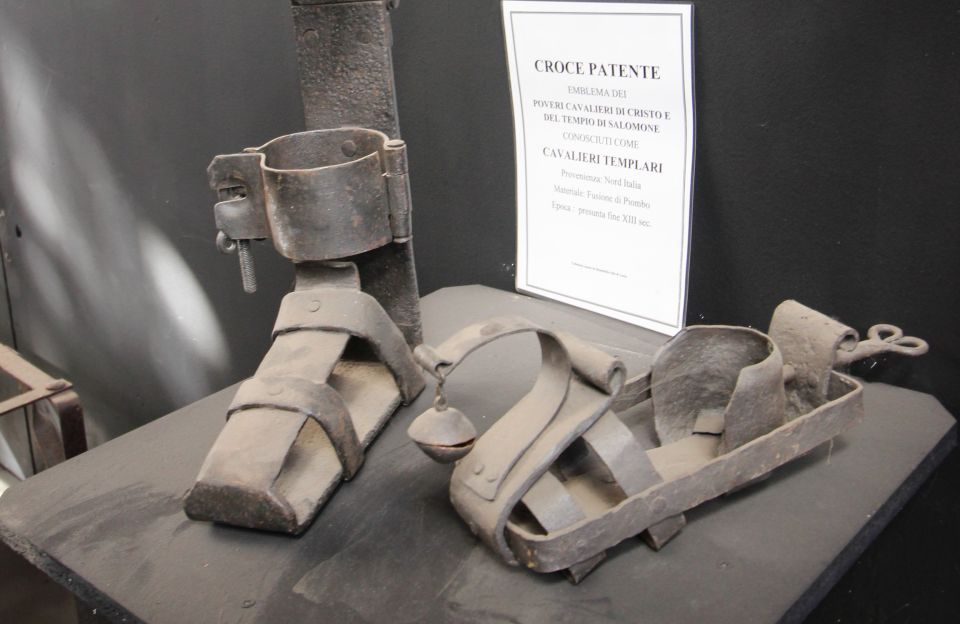
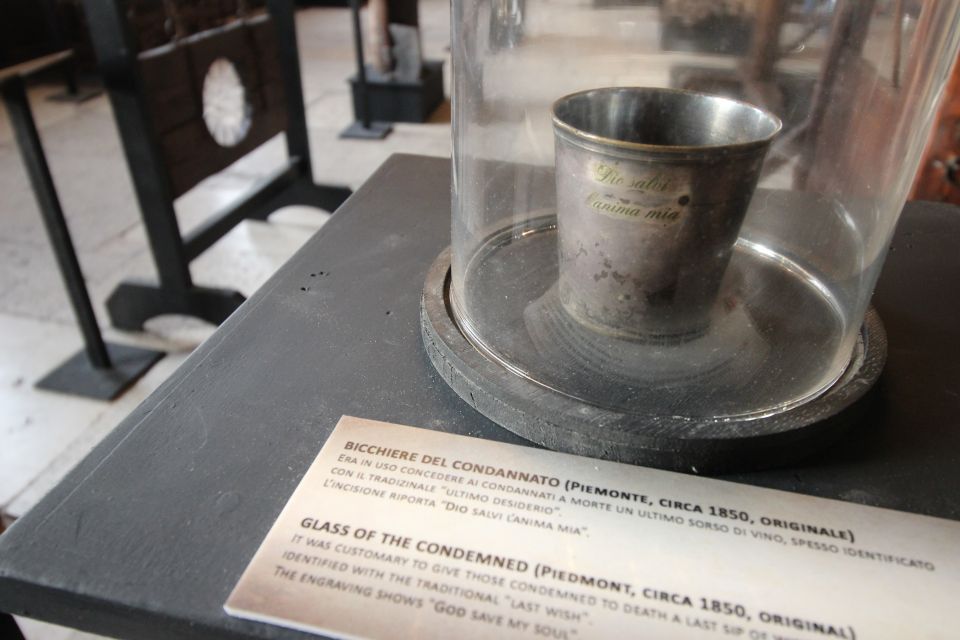
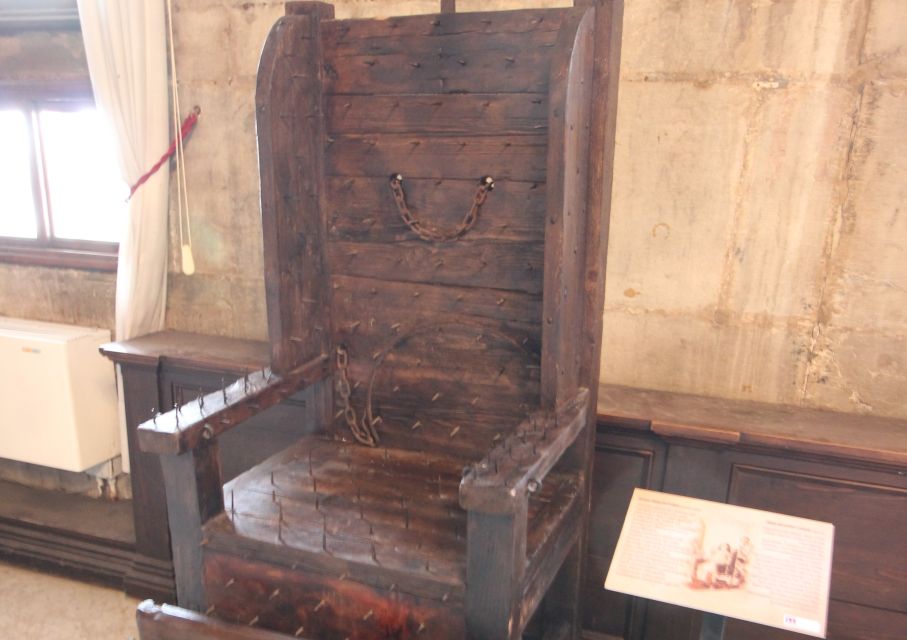
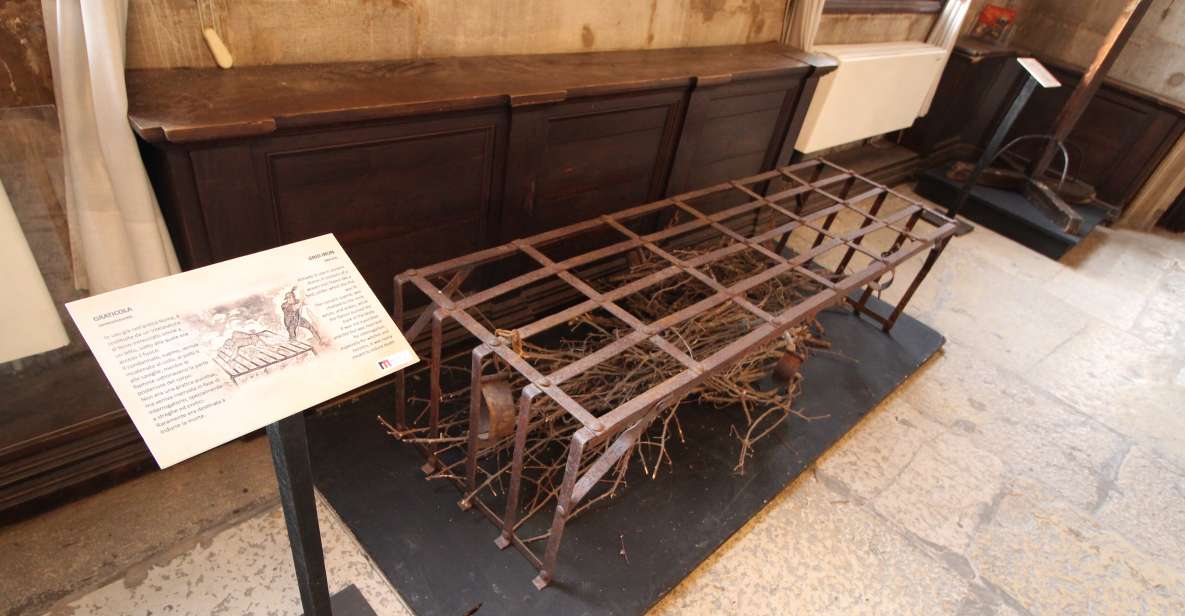
The centerpiece is the display of punishment devices presented as tools used by the Inquisition and the Holy Office in witchcraft persecution. The exhibition includes an instruments of torture section with specific items, so you’re not left wondering what people meant when they talked about torture.
You can see items presented as a garrote and a pillory, which makes the theme concrete and visual. The display also includes a head crusher, described as an instrument of punishment, and an authentic whipping post.
I found the way these objects are presented to be the key to the visit’s impact. Even if you’ve heard scary stories before, seeing multiple devices side-by-side makes it feel less like isolated incidents and more like a system.
The Maleficia Theme: Documents and Reproductions of the Holy Office
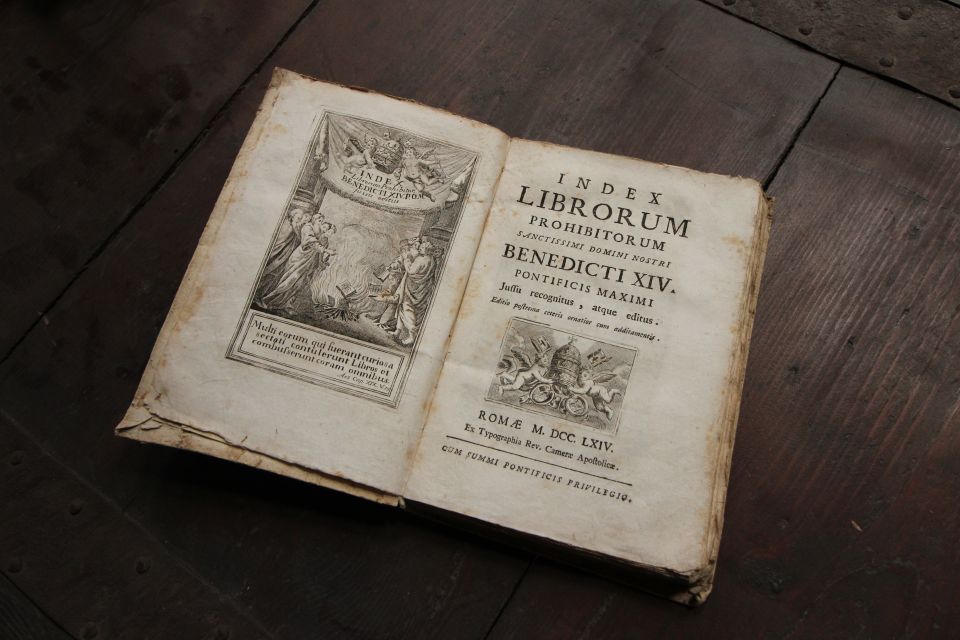
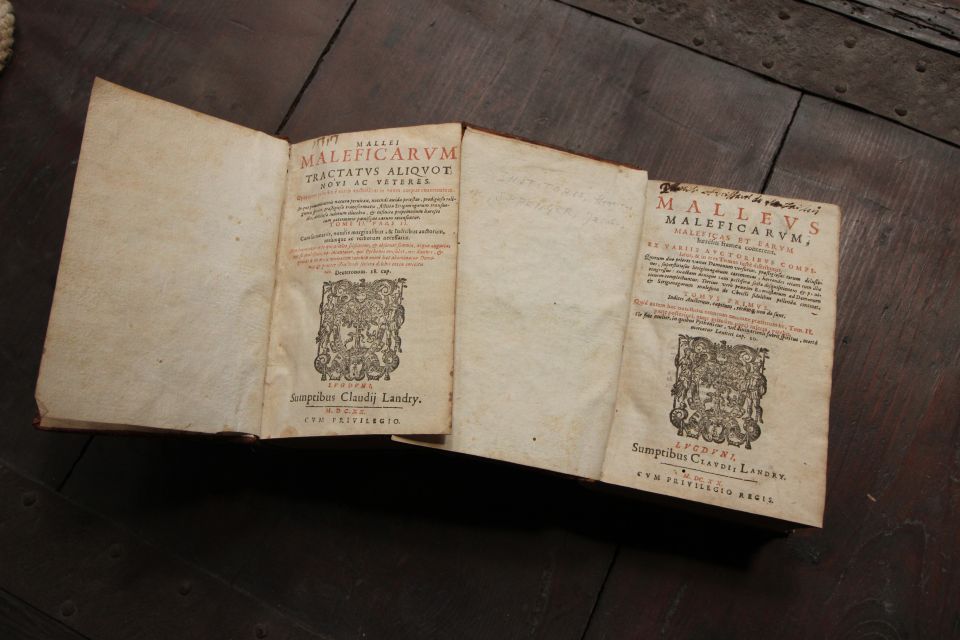
This isn’t only about tools. The exhibition also uses ancient documents and reproductions tied to the Holy Office, linking the punishment story to the paperwork-and-procedure side of control.
The display is framed around the centuries when the Tribunal of the Inquisition condemned people accused of evil spells and magical arts. The exhibit makes an explicit connection between justice mechanisms and witchcraft persecution, and it does it through the combination of artifacts plus the audio-guided interpretation.
One especially striking detail included in the presentation is the mention of Giacomo Casanova, who is cited as being accused of dabbling in magic and the occult. That’s the kind of name that helps you think beyond anonymous victims and remember that accusations could touch people with influence and fame.






The Women Accused of Witchcraft: A Cell That Changes the Mood
One display I’d treat as emotionally central is the cell for women accused of witchcraft. When you enter, the story stops being abstract. The setting pushes you to think about who these persecutions targeted, and how imprisonment was part of the process.
Even if you’re someone who usually powers through museum rooms, this is the place where you’ll probably slow down. The exhibition nudges you to reflect on suffering and punishment rather than just viewing objects as historical curiosities.
If you’re sensitive to grim historical themes, plan your timing. You might want to space this visit apart from lighter parts of your day so the emotional tone doesn’t stack.
“Original Maleficia Book” Prescribed Instruments: Why That Detail Matters
The exhibition describes instruments of justice as prescribed in the Maleficia tradition, including torture devices presented as part of what was used during the period of witchcraft persecution.
That might sound like just a label, but it changes the meaning of what you see. Instead of thinking of torture as random brutality, the show encourages you to see it as something written down, categorized, and authorized.
In a city like Venice, it’s easy to get wrapped up in beauty and pageantry. This exhibition pulls you back to the darker machinery that existed behind institutions of justice.
Price and Value: Is $11 Worth an Hour in Prisons’ Palace?
At $11 per person for an about-1-hour visit, this is priced like a focused museum stop rather than a full-day tour. The big value part is what’s included: your entrance ticket to the Maleficia Museum plus an audio guide in multiple languages.
If you want a quick, structured experience with skip-the-line convenience, the price-to-time ratio is strong. You’re paying for entry and interpretation, and you’re not stuck trying to translate your way through a themed museum.
Where value may feel weaker is if you’re expecting a wide-ranging Venice history narrative on top of the witchcraft-and-inquisition theme. The exhibition is object-driven, and the pace fits an hour.
Practical Tips That Improve the Visit
If you want to get more out of it, go in with the right expectations. This is not a casual stroll through decorative rooms. It’s an exhibition about justice as practiced through fear and punishment, shown through devices, documents, and a prison setting.
Bring a bit of mental readiness. The show includes instruments presented as torture tools and imagery tied to condemned people, including a women’s cell display.
Finally, use the audio guide actively. Don’t just leave it playing while you wander. Listen for the links between documents, the Holy Office, and the specific instruments you’re standing in front of, because that’s where the story becomes clearer.
Who This Works Best For (And Who Should Skip It)
This experience works well if you like museums that are specific and concrete. You’ll likely enjoy it if you’re interested in how institutions operated, and how accusations were documented and carried out.
It also makes sense as a Venice add-on if you’re already planning to spend time around San Marco and Doge’s Palace. It turns the same area from postcard Venice into a place where you understand the darker side of the justice system’s reputation.
On the other hand, this visit is not recommended for people with limited mobility, and it’s not suitable if you have mobility impairments. The exhibition also isn’t ideal if you dislike dark historical topics or prefer light sightseeing.
Should You Book Prisons’ Palace: Maleficia?
Book it if you want a short, focused Venice museum stop with included audio guidance and clear object-based storytelling. The combination of Prisons’ Palace setting plus Maleficia exhibition plus the specific punishment instruments makes it a memorable, unusual diversion from standard sightseeing.
Skip it if you’re sensitive to grim content, need easy accessibility, or you only have time for upbeat history. Also consider that it’s built as a one-hour experience, so if you want more background before and after the objects, you’ll need to add your own reading elsewhere.
FAQ
Where is the Prisons’ Palace meeting point?
Prisons’ Palace is close to San Marco Square beside Doge’s Palace. To reach it, cross the bridge on the right side of the entrance of Doge’s Palace, and do not go to the Doge’s Palace entrance.
How long does the experience last?
The duration is 1 hour.
What’s included with the ticket?
You get an entrance ticket to the Maleficia Museum and commentary by an audio guide.
Are there audio guides, and what languages are available?
Yes. The audio guide commentary is available in English, French, Italian, and Spanish.
What are the opening hours?
It runs from 10:00 AM to 5:00 PM.
Can I skip the ticket line?
Yes, skip-the-ticket-line access is included.
What will I see in the Maleficia exhibition?
You’ll see reproductions, ancient documents, and instruments of justice used by the Holy Office during witchcraft persecution, including devices presented as a garrote and a pillory, plus a head crusher and an authentic whipping post. There is also a cell for women accused of witchcraft.
Is this suitable for people with limited mobility?
No. This tour is not recommended for people with limited mobility, and it is not suitable for people with mobility impairments.
What are the cancellation and booking options?
Free cancellation is available up to 24 hours in advance for a full refund. There is also a reserve now & pay later option.