REVIEW · VENICE
Murano: In Depth Glass Factory Guided Tour
Book on GetYourGuide →Operated by Wave Murano Glass - Factory, Tours and Experiences · Bookable on GetYourGuide
Glass gets made right in front of you. This Murano workshop tour takes you through the real production workflow, with live explanations of how sand turns into finished glass. You’ll also see glass masters at work, not a staged demo. Real masters shape the pieces as you watch.
I especially like the step-by-step factory walkthrough. The guide moves you through the batch room, hotshop, and coldshop so you understand what each area does and why it matters. I also like the small group feel (limited to 8), which makes it easier to see what’s happening and ask questions without getting lost in the back.
One thing to consider: the tour is English-only. If English isn’t your comfort zone, you may struggle to keep up with the details.
In This Review
- Key points to know before you go
- Why this Murano glass factory tour feels real
- Getting there from Venice: timing and meeting point matter
- Batch room: where sand becomes future glass
- Hotshop: furnaces, molten glass, and live shaping
- Coldshop: carving, drilling, cutting, flattening, and polishing
- What 50 minutes really covers (and what it does not)
- Price and value: is $34 a fair deal?
- Practical rules you should plan around
- Who should book this Murano tour
- Should you book this Murano glass factory tour?
- FAQ
- How long is the Murano glass factory guided tour?
- How many people are in a group?
- Where do I meet for the tour?
- Is the tour guided in English?
- What should I wear, and what is included?
- Is the tour suitable for wheelchair users or people with mobility impairments?
- Are tours available on weekends?
- Is alcohol allowed during the tour?
- What cancellation options do I have?
Key points to know before you go
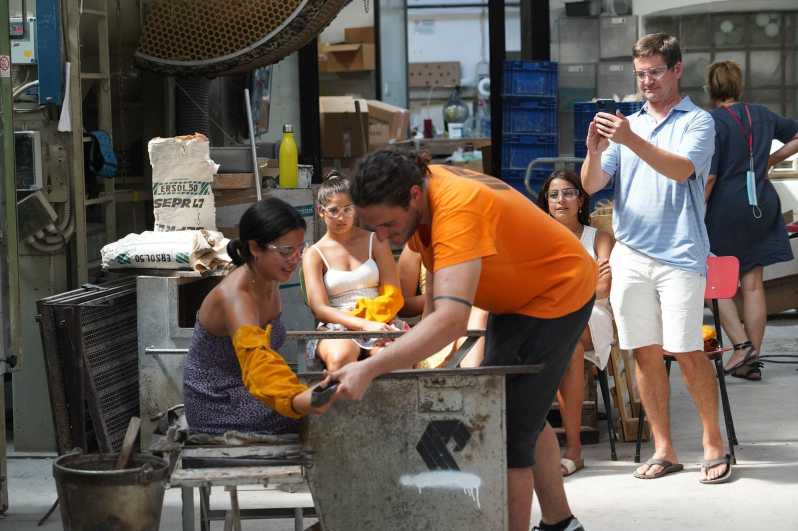
- You’ll tour three working areas: batch room, hotshop, and coldshop.
- It starts with mixing for the furnace at around 1400°C.
- You can watch live shaping close up by glass masters.
- Finishing tools are part of the show: drilling, cutting, flattening, and polishing.
- No pressure to buy: it’s a learning tour, not a sales stop.
- Wear closed-toe shoes and expect a bit of standing.
Why this Murano glass factory tour feels real
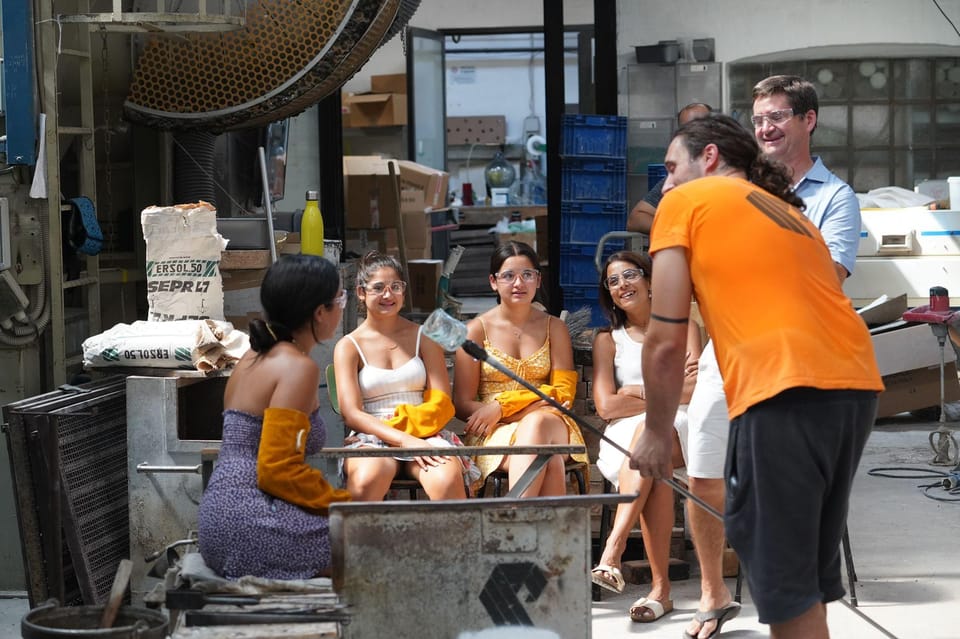
Murano has plenty of storefronts selling “Murano glass” and quick demos, but this tour targets the actual workshop rhythm. You’re not just watching pretty glass get made in isolation. You’re seeing the production chain in order, with the logic explained as you go.
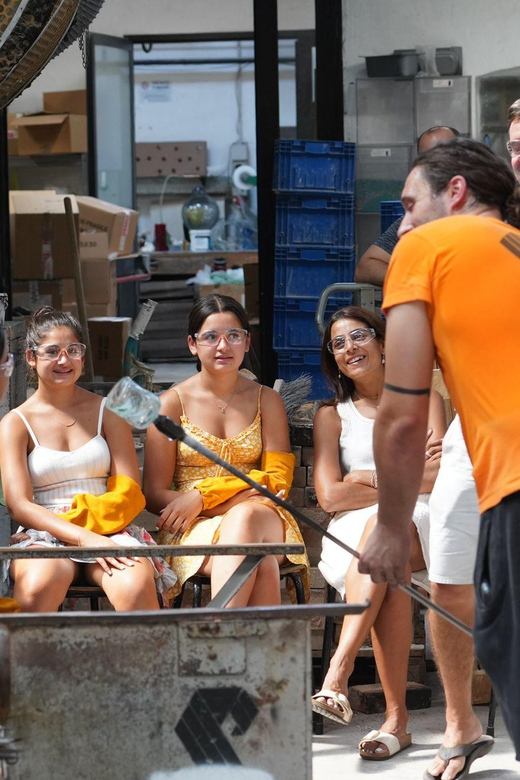
The best part is proximity. The tour format lets you stand near where the work happens, so you can connect the explanation to what your eyes see. That makes the process feel understandable instead of magical in a vague way.
I also like that it’s genuinely low-pressure. There’s no obligation to purchase anything, which changes the whole experience. You can pay attention to the craft, ask questions, and leave with a clearer sense of how Murano glass is produced.
You can also read our reviews of more guided tours in Venice


Getting there from Venice: timing and meeting point matter
Plan for the commute. Depending on where you start in Venice, the trip to Murano can take up to 50 minutes, so build in extra buffer time. You’ll also want to arrive 5 minutes early so you can check in without feeling rushed.
Here’s a practical detail that trips people up: the meeting point is in the gallery, not inside the factory. You check in there first, and then you’ll be led to the factory location afterward. If you assume you’re walking straight to the workshop door, you’ll waste time.
Comfort matters too. You’ll be required to wear closed-toe shoes and you can’t use sandals or flip-flops. Bring shoes you don’t mind wearing for an up-close viewing session, because you’ll likely stand and lean to see work happening.
Batch room: where sand becomes future glass
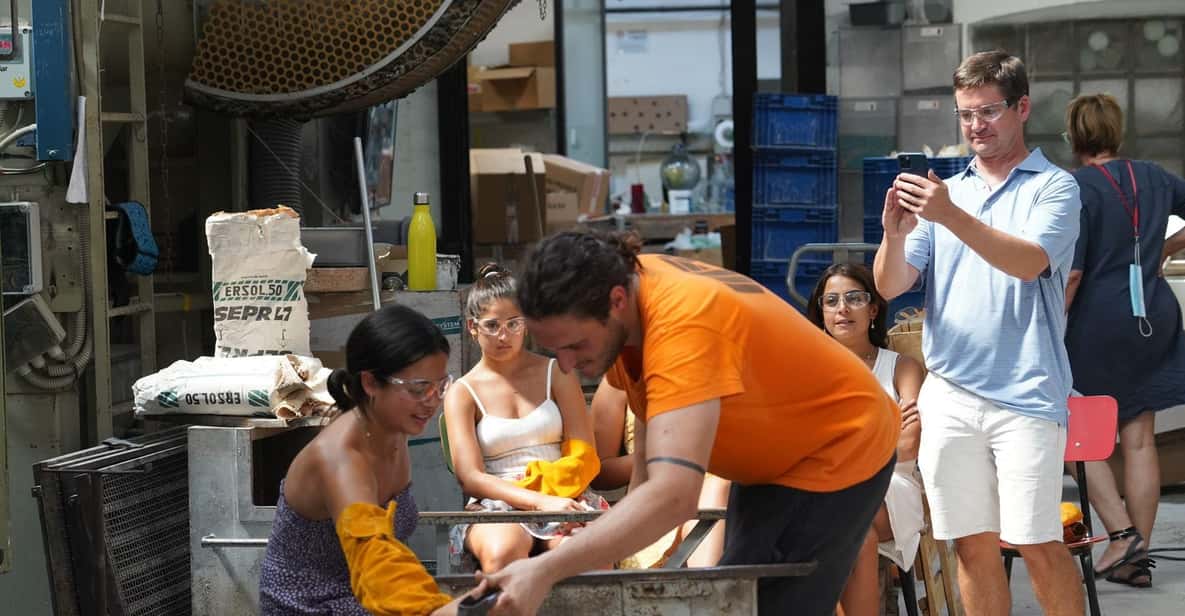
The tour starts in the batch room, the part of the process that happens before anyone starts blowing anything. This is where sand and other chemicals get mixed to achieve the right formulation for what comes next. It’s not glamorous, but it’s the foundation.
You’ll learn how the batch is prepared so it can melt into glass when it’s charged into a 1400°C furnace. That temperature detail helps you understand why this isn’t something you can fake or shortcut. Glass-making depends on getting the chemistry and timing right long before the hot glass touches tools.
This stop is also a good reality check. When people think of Murano glass, they imagine the dramatic hotshop moment. But the batch room is where consistency starts. If you care about craftsmanship (not just the final object), this is the part that connects the dots.
Hotshop: furnaces, molten glass, and live shaping
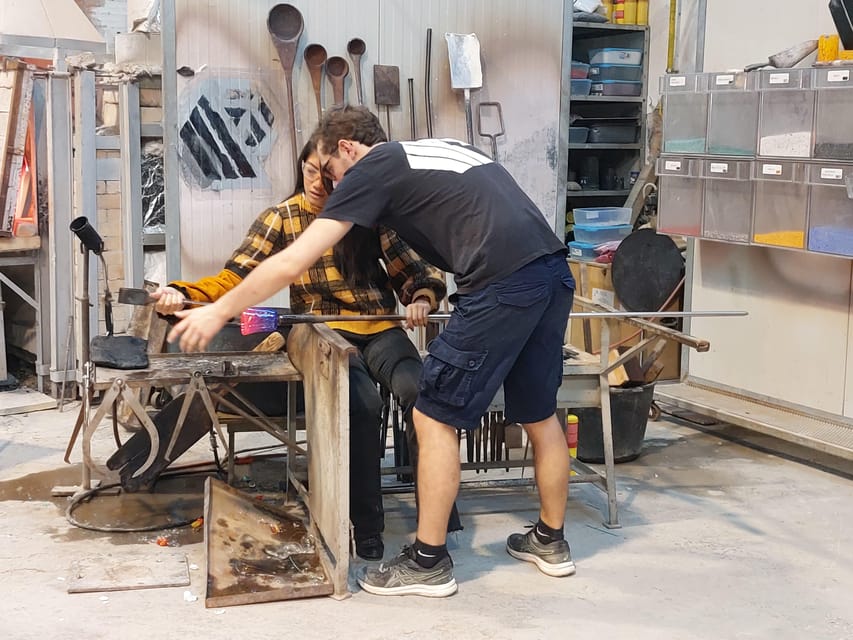
Next comes the hotshop, where the “magic” is loud and fast. This is the area where the guide explains how glass melting and shaping work as a process, not as a single trick.
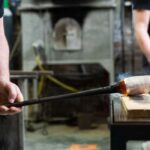
You’ll get an overview of how the furnaces work and what tools are used during shaping. Then you get to watch glass masters work in real time. Being able to see the shaping stage close up is a highlight for a lot of people, including families and people who want to understand what’s going on beyond the final design.
One thing I found useful is that the explanation covers how the glass changes as it cools and is formed. The idea of different cooling stages comes up in a way that helps you stop thinking of glass as one static material. It’s a living workflow from heat to shape to transformation.
If you’re bringing kids, this is usually the stop that grabs them. The action is visible, and the guide can answer questions as they watch the process unfold.
Coldshop: carving, drilling, cutting, flattening, and polishing
After the heat work, the tour shifts to the coldshop, where glass begins to “look finished.” This is where you see machines used to carve, drill, cut, flatten, and polish glass.
I like this stop because it balances the hotshop story. Blowing glass gets attention, but it’s the finishing and precision work that turns rough form into a refined piece. Even if you can’t catch every micro-step, you’ll see what kinds of machines exist and what they do.
The coldshop also makes the glass look more tangible. When a piece moves from molten shaping to cooling and then to finishing, you start to appreciate how much skill goes into surfaces, edges, and final clarity. It’s a different kind of craft, and the tour makes sure you don’t miss it.


What 50 minutes really covers (and what it does not)
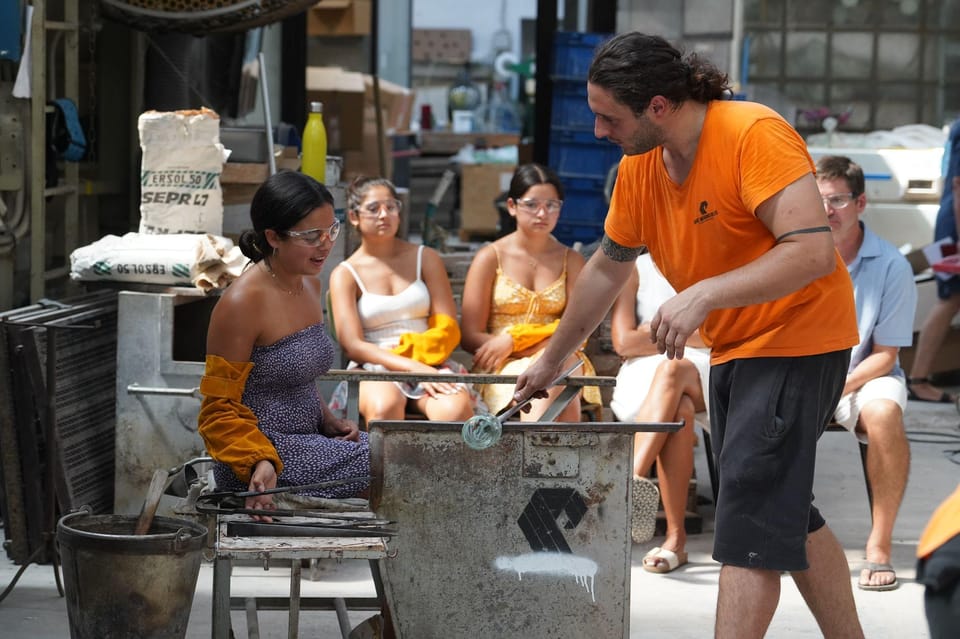
This tour is 50 minutes, live, and guided in English. In that time, you cover the core areas: batch room, hotshop, coldshop, with an explanation of how each stage contributes to the final result.
So what’s the trade-off? You won’t have time for a long deep technical session, and this isn’t framed as a hands-on workshop where you’ll take home a finished item. But that’s not a downside for most people. If you want understanding without committing a full half-day, the timing is a strong fit.
Also, the small group size matters here. Limited to 8 participants, the guide can slow down when questions come up and you don’t feel like you’re being marched through a lineup.
Price and value: is $34 a fair deal?
At about $34 per person for a 50-minute guided factory tour, you’re paying for three things: access to a working production space, a guided explanation that connects the workflow, and close viewing of glass masters at work.
You’re not paying for a showy theatre-style demo. You’re paying for real context: mixing in the batch room, the hotshop mechanics and tools, and the coldshop finishing methods. That’s why the value is better than many shorter “see glass” experiences that mostly focus on the end product.
The price also makes sense if you’re time-limited in Venice. If you’re only in the area briefly, this tour gives you something you can’t easily pick up by wandering shop to shop: a clear sense of how Murano glass moves from materials to finished work.
Practical rules you should plan around
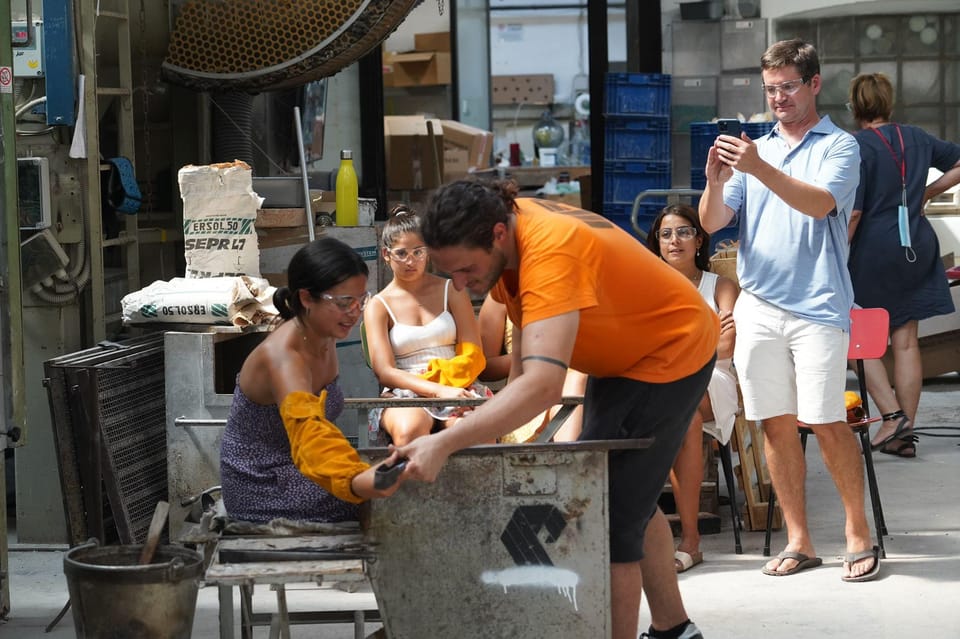
A few rules are in place, and knowing them early makes the tour smoother.
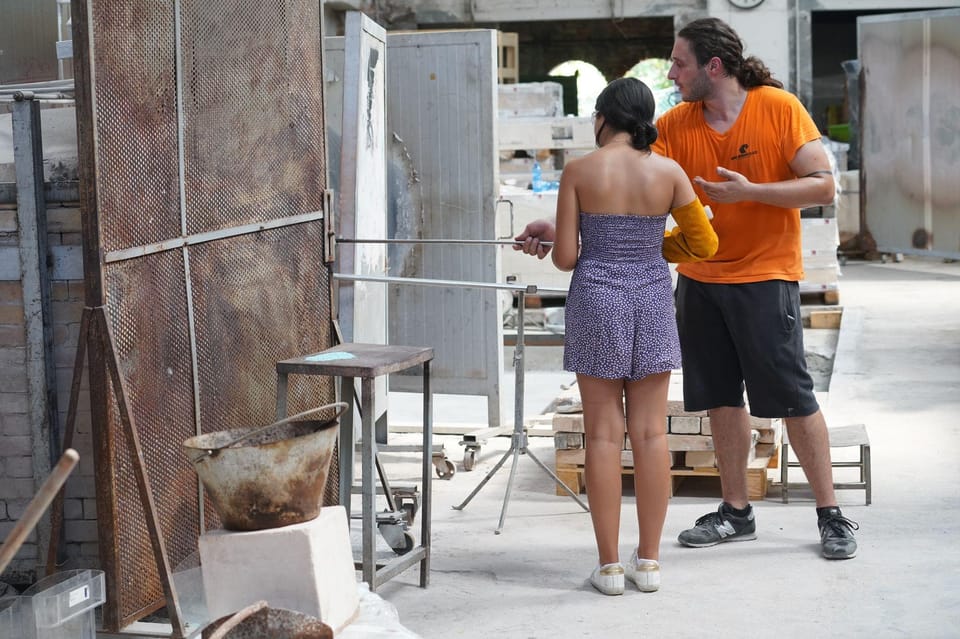
You’ll be provided safety glasses for all participants. Wear them when instructed and treat the workshop areas like you’re walking into someone’s workspace, not a museum set.
You also can’t bring alcohol or drugs. And you’ll need comfortable shoes because it’s a short tour that still asks you to be on your feet.
If you’re sensitive to health or equipment conditions, note that the tour is not suitable for people with epilepsy and it’s also not suitable for people with a cold. The tour is similarly not suited for wheelchair users or people with mobility impairments. If that applies to you, skip it and look for an alternative experience with better fit.
Who should book this Murano tour
You should book if you want more than surface-level souvenirs. This tour is great for anyone who enjoys craft, wants to see how the workflow actually functions, and likes learning through observation.
It’s also a strong choice if you want to experience Murano glass without getting pulled into a purchase pitch. The “no obligation to buy” approach lets you focus on learning.
I’d skip it if you’re looking for a hands-on class during the same session, or if you need a language other than English. This isn’t a multitple-language experience.
And if your plan includes weekends: the workshop isn’t open on Sunday, and they don’t organize tours on Saturdays and Sundays at the moment. Check your dates carefully before you commit.
Should you book this Murano glass factory tour?
If your goal is understanding, not just looking, I think this is an easy yes. You get a structured walkthrough of the process from batch room to hotshop to coldshop, with close viewing of glass masters and a guide who can explain each area.
Book it when you’re in Venice and you want a short, high-impact activity that feels authentic. Skip it if mobility needs, health considerations, or language requirements don’t match what the tour can support.
FAQ
How long is the Murano glass factory guided tour?
The tour lasts 50 minutes.
How many people are in a group?
The group is small, limited to 8 participants.
Where do I meet for the tour?
You meet at the company gallery for check-in. You will be led to the factory after check-in, and the meeting point is not inside the factory.
Is the tour guided in English?
Yes. The tour is only led in English.
What should I wear, and what is included?
Wear comfortable, closed-toe shoes. Sandals or flip-flops are not allowed. Safety glasses are included for all participants.
Is the tour suitable for wheelchair users or people with mobility impairments?
No. The tour is not suitable for wheelchair users or people with mobility impairments.
Are tours available on weekends?
The experience is closed on Sunday, and tours are not organized on Saturdays and Sundays at the moment.
Is alcohol allowed during the tour?
No. Alcohol and drugs are not allowed.
What cancellation options do I have?
You can cancel up to 24 hours in advance for a full refund, and you can also reserve and pay later.