REVIEW · VENICE
Murano: Glass Museum Entry Ticket
Book on GetYourGuide →Operated by Venezia Unica by Vela Spa · Bookable on GetYourGuide
Murano’s glass tells a story you can see. With this Murano Glass Museum entry ticket, you get a self-paced look at one of the strongest collections for Murano glass on the island—organized in a way that makes the techniques feel logical, not random.
I like two things right away: first, the museum’s chronological setup helps you trace how styles and methods changed over time, starting with older work like 17th-century pieces. Second, you’re not just staring at objects—you’ll also pick up the basics of Venetian glass techniques, including how glass blowing and making jewelry fit into the bigger picture.
One possible drawback: this is an entry ticket without a live guide, so if you want someone to explain every room in depth, you’ll need to slow down and read signs carefully (or add another guided option on top).
In This Review
- Key things to know before you go
- Murano Glass Museum: what you’re actually buying with the entry ticket
- Getting to Murano without turning it into a whole project
- The Venice Access Fee you might run into
- Inside the museum: how the collection helps you “read” Murano glass
- What you’ll likely notice first: craft details
- If you love Murano jewelry, this is your shortcut
- How long does it take, and how should you pace it?
- Value for money: $11 for Murano glass education
- Who should book this ticket (and who might want something else)
- Practical tips to make your visit smoother
- What the review rating suggests about the experience
- FAQ
- FAQ
- Is the Murano Glass Museum ticket self-paced?
- What’s included with the entry ticket?
- How long is the activity?
- Is there a live guide included?
- How much does it cost?
- Is the ticket refundable?
- Are there specific days when Venice has an Access Fee?
- Do I need to check opening times before I go?
- Is the museum wheelchair accessible?
- What languages are available for this activity?
- Should you book this Murano Glass Museum ticket?
Key things to know before you go
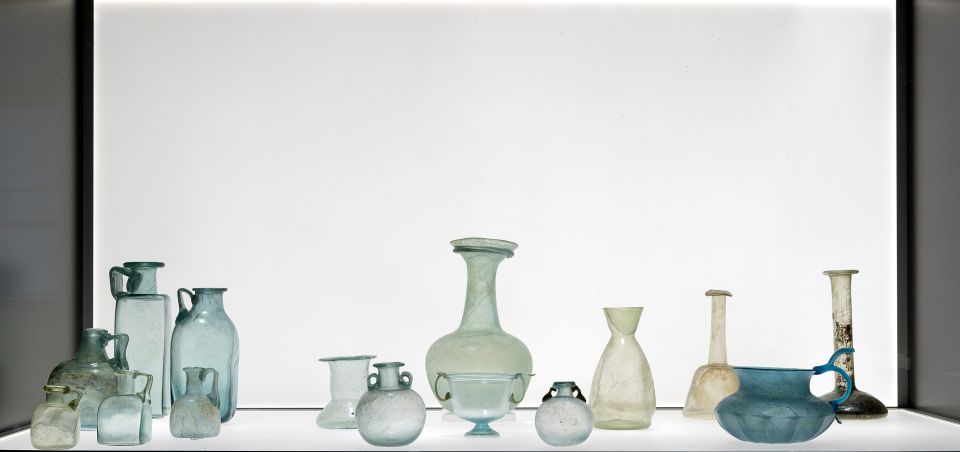
- Chronological displays: The collection is organized so you can retrace how Murano glass art developed over the centuries.
- Techniques, not just objects: You’ll learn about Venetian glass methods and glass blowing along the way.
- Big collection feel: It’s described as the largest historical collection of Murano glass in the world.
- Self-paced visit: Explore at your own speed instead of being rushed by a group schedule.
- No live guide included: You’re responsible for your own pacing and reading.
- Timing matters for Venice: Check the museum website for opening dates/times, and watch for Venice access fee rules in the stated 2025 dates.
Murano Glass Museum: what you’re actually buying with the entry ticket
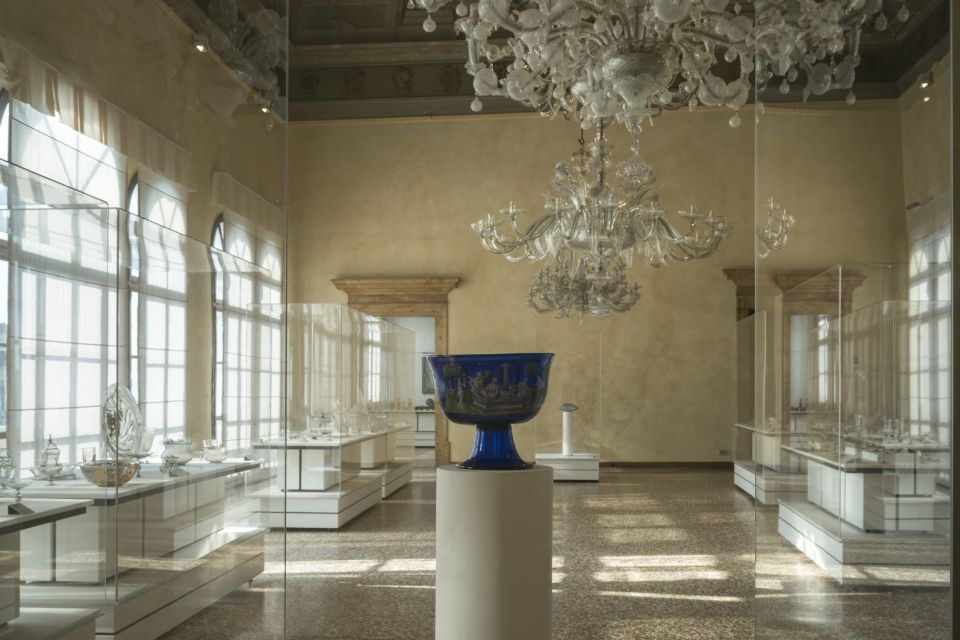
This ticket is a straightforward deal: you’re paying for admission to the Glass Museum on Murano—that small island in the Venetian lagoon that’s famous for glass. The experience lasts one day, but you control the pace once you’re inside. If you like to wander, this works well. If you only want a fast glance, you can still do it—just know you’ll likely miss details.
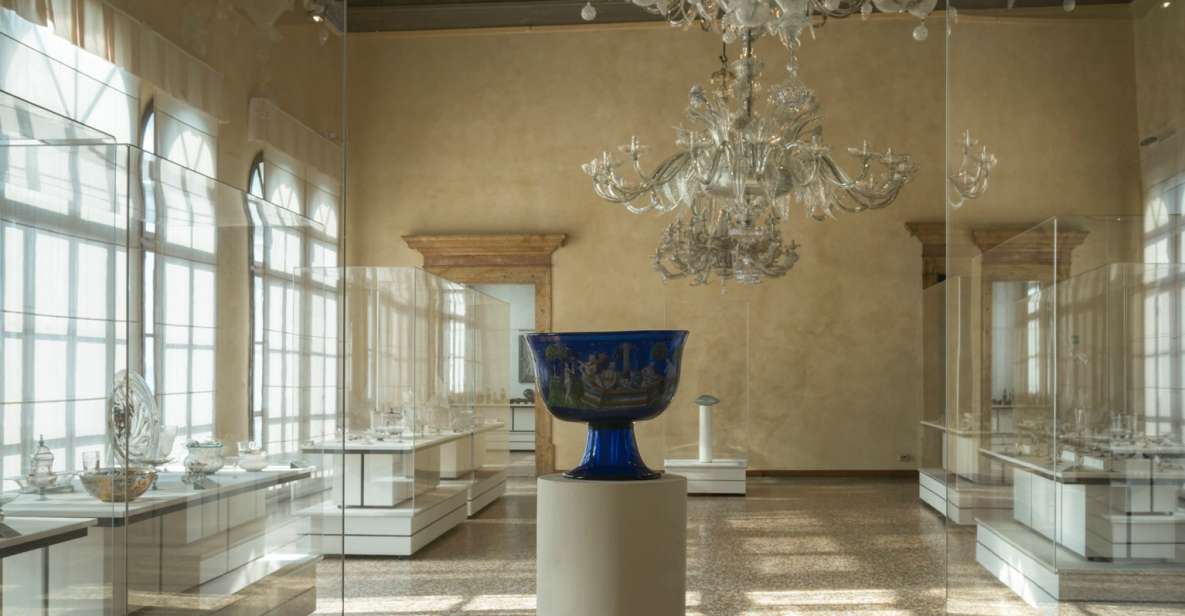
The museum is positioned as having the largest historical collection of Murano glass. That matters because “lots of glass shops” in Venice can feel like a wall of products. Here, you get history and craft organized into rooms, so you’re learning as you look. The museum also references 17th-century glasswork and world-famous masterpieces, which is a good sign that you’re not just seeing tourist-style displays.
Price-wise, it’s listed at $11 per person. For a museum visit tied to Venice’s most specific craft niche, that’s decent value—especially since you’re also allowed to explore the collection on your own schedule. The only thing you’re not getting in this ticket is a guide who explains everything out loud. For some people, that’s fine. For others, it’s the deciding factor.
You can also read our reviews of more tours and experiences in Venice



Getting to Murano without turning it into a whole project
You’re going to leave Venice and head to Murano. The activity includes admission, and it can also include a 1-day public transport ticket if you select that option. That’s useful because it removes at least one planning step.
Here’s the practical way to think about it: a museum ticket is only half the effort. The other half is the time spent getting there, plus deciding when to go. Since your ticket is valid for 1 day and you should check for starting times, I’d treat this as part of your day planning rather than an afterthought.
Also, check the museum website before you go to confirm opening dates and times. Museums can shift, and Venice schedules can be a moving target in certain periods.
The Venice Access Fee you might run into
Between 18 April 2025 and 27 July 2025, there’s a rule that every visitor to Venice pays an Access Fee directly to the City of Venice, with specific exemptions. You’ll need to confirm details on the official site (cda.ve.it), especially if you think you might qualify for an exemption or want to avoid surprises.
Inside the museum: how the collection helps you “read” Murano glass
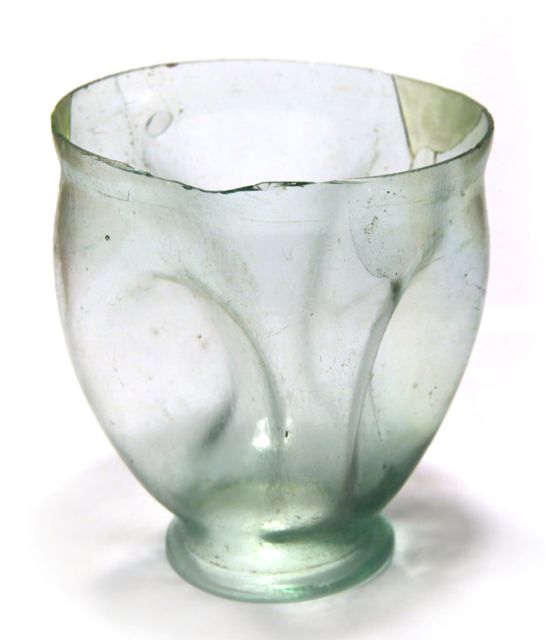
The museum experience is described as chronologically ordered, and that’s a huge part of the value. When collections jump around by theme, it’s harder to connect the dots. Chronology lets you see how Murano glass changed as tastes, tools, and knowledge evolved.
Expect to spend your time moving through rooms that build the story. You’ll see older work (including 17th-century glasswork) and then progress toward more recognizable styles and famous pieces. Even if you’re not a “glass expert,” this structure makes the museum feel like you’re learning a language, not just looking at objects.
What you’ll likely notice first: craft details
Even without a guide, you’ll probably start noticing the same patterns again and again:
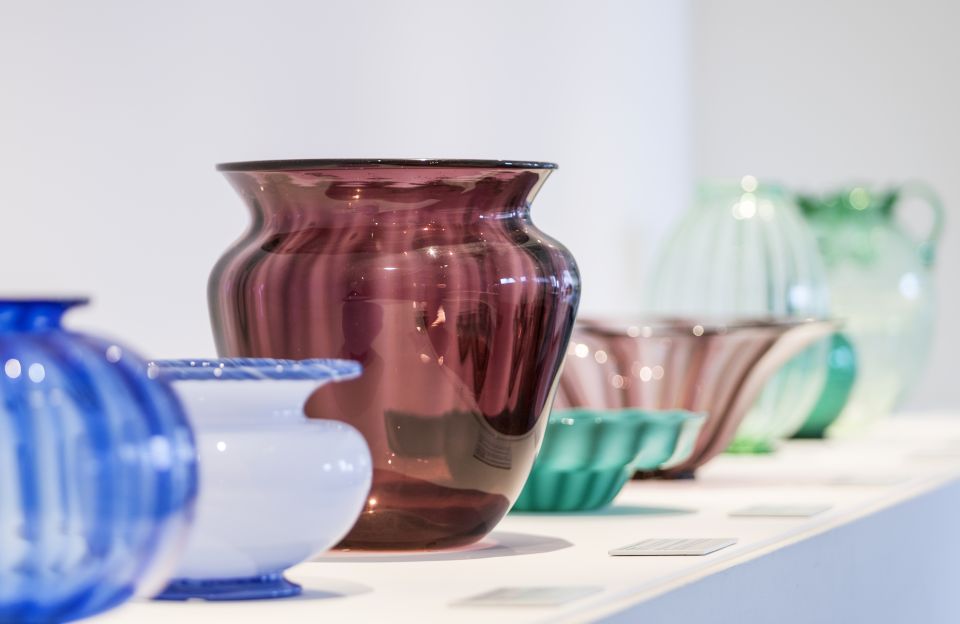
- shapes that show the maker’s skill and technique
- surface effects that look simple until you look closer
- how form and decoration shift over time
The museum is also described as showing the secrets behind glass blowing and glass blowing technique. That means your attention can go beyond surface beauty and into process—how the object gets made and why certain techniques show up repeatedly.
You can also read our reviews of more museum experiences in Venice






If you love Murano jewelry, this is your shortcut
If you’re obsessed with Murano glass jewelry, this is one of the better ways to spend time on the island. Instead of only seeing finished pieces, you’re learning what those pieces are built on. That helps you shop later with better instincts: you’ll recognize what’s “decorative” versus what’s tied to method and tradition.
If your goal is to understand what you’re looking at before you buy anything, this museum is a smart first stop.
How long does it take, and how should you pace it?
The activity is listed as lasting 1 day, and the museum itself is self-paced. Reviews also hint that the visit can feel fairly fast, yet still interesting. Translation: it’s possible to see a lot in less time than you’d expect, but you’ll get more from it if you slow down for the technique explanations and sign text.
My suggestion for pacing:
- Give yourself enough time to re-read the technique bits, not just rush the rooms.
- Stop at pieces that catch you and spend a couple extra minutes comparing shapes, colors, and finishes.
- If you’re short on time, prioritize the early historical displays first so you get the “origin story” of Murano glass.
Since there’s no live guide, your pace is your “custom tour.” Think of it like building your own mini curriculum: look first, then read what supports what you just saw.
Value for money: $11 for Murano glass education
At $11, this ticket is priced in a way that makes it feel low-risk. You’re paying for access to a museum that focuses on one highly specific subject: Murano glass history and technique. That’s the type of niche that usually costs more if it comes with a guide.
What makes it good value is the combination of:
- a major historical collection (the museum claims it’s the largest historical collection)
- chronological presentation (so you learn as you go)
- technique and glass-blowing explanations (so it’s not only pretty objects)
The one cost that’s not covered is time and attention. If you come in expecting a narration style experience, you’ll miss some of that. But if you’re the kind of person who likes reading, looking closely, and letting the craft details sink in, the price-to-learning ratio is solid.
Also, keep in mind the ticket is non-refundable, so pick a day you’re confident you’ll still want to go.
Who should book this ticket (and who might want something else)
This works best for you if:
- you love Murano glass and want history plus technique
- you like museums you can do at your own pace
- you want a high-signal stop on a Murano day instead of bouncing between shops only
- you’re the kind of person who reads the info panels
It might be less ideal if:
- you strongly prefer a spoken, guided explanation
- you want a tight, “everything in 60 minutes” style visit with no reading
Since the ticket includes entry but not a live guide, I’d treat this as the craft-understanding option rather than the storytelling-with-a-guide option.
Practical tips to make your visit smoother
Here are a few things that will help you get better mileage out of your time on Murano:
- Check the museum website for opening dates and times before you commit your day.
- Plan your Venice day with the possibility of the Access Fee in the stated 2025 window.
- If you’re using the optional 1-day public transport ticket, pick a plan that avoids running across the city at the last minute.
- Wear comfortable shoes. Even in a museum, you’ll likely move between rooms for a while.
- Since it’s self-paced, decide in advance how long you want to stay—then give yourself permission to stop when you’ve hit your goal.
What the review rating suggests about the experience
The overall rating is 4.4 based on 247 reviews. One comment calls it very worthwhile, and another notes the visit can feel fairly quick while still being interesting. That lines up with how the experience is set up: it’s easy to fit into a day, but it’s also interesting enough that slowing down a bit can pay off.
You’ll get the best outcome if you approach it as a focused museum stop, not just a quick photo break.
FAQ
FAQ
Is the Murano Glass Museum ticket self-paced?
Yes. You explore the museum at your own pace.
What’s included with the entry ticket?
Entry tickets to the Glass Museum on Murano island. A 1-day public transport ticket is included only if you select that option.
How long is the activity?
It’s listed as 1 day.
Is there a live guide included?
No. A live guide is not included.
How much does it cost?
The price is listed as $11 per person.
Is the ticket refundable?
No. It’s non-refundable.
Are there specific days when Venice has an Access Fee?
Yes. For 18 April 2025 to 27 July 2025, an Access Fee is required unless you qualify for specific exemptions. Check cda.ve.it for details.
Do I need to check opening times before I go?
Yes. You should check the museum website to confirm opening dates and times and also check availability for starting times.
Is the museum wheelchair accessible?
Yes, it’s listed as wheelchair accessible.
What languages are available for this activity?
The activity lists languages, but it does not specify which ones in the information provided.
Should you book this Murano Glass Museum ticket?
If you want Murano glass education you can control, I’d book it. $11 is a low commitment for a museum focused tightly on Murano glass history, with displays that help you follow how techniques evolved. It’s especially worth it if you’re into Murano glass jewelry and you want context before (or alongside) shopping.
If you’re expecting a guided experience with lots of spoken explanation, this ticket won’t fully meet that need since there’s no live guide. In that case, consider pairing this museum visit with another guided option for the parts you care about most—or plan to read the signs closely and take your time with the technique-focused sections.