REVIEW · MESTRE
Venice Mestre: M9 Museum Permanent Exhibition Entry Ticket
Book on GetYourGuide →Operated by M9 - Museo del '900 · Bookable on GetYourGuide
M9 in Mestre turns 20th-century Italy into something you can walk through, not just read. It’s a Museum of the 20th Century set up like a permanent workshop on contemporary life, so the ideas feel current and human.
I really love how the exhibits connect politics, culture, and everyday material life. I also like the way the museum uses audio, video, and images to keep the story moving without turning into a textbook. One thing to consider: this specific entry covers only the permanent exhibition, while temporary shows sit on the third floor.
In This Review
- Quick Take: Is This Ticket Worth It?
- Key Points You’ll Actually Care About
- M9 in Venice Mestre: What This Museum Is Really Doing
- The Permanent Exhibition Layout: First and Second Floors, Eight Theme Sections
- How the Museum Uses Tech to Tell 20th-Century Stories
- What I’d Prioritize on a 1-Day Visit (With the Permanent Ticket)
- Temporary Exhibitions and Events: What You’ll See With This Ticket
- Price and Value: Is $14 in Mestre a Good Trade?
- Getting There and House Rules: Revolving Door Entry in Mestre
- Who Should Book This Ticket (and Who Might Skip)
- Should You Book This M9 Permanent Exhibition Entry Ticket?
- FAQ
- What does the ticket include?
- Are temporary exhibitions included?
- Which floors are part of the permanent exhibition?
- Where do I enter?
- How long is the experience?
- When is the museum closed?
- Can I bring a backpack?
- Is the museum wheelchair accessible?
Quick Take: Is This Ticket Worth It?
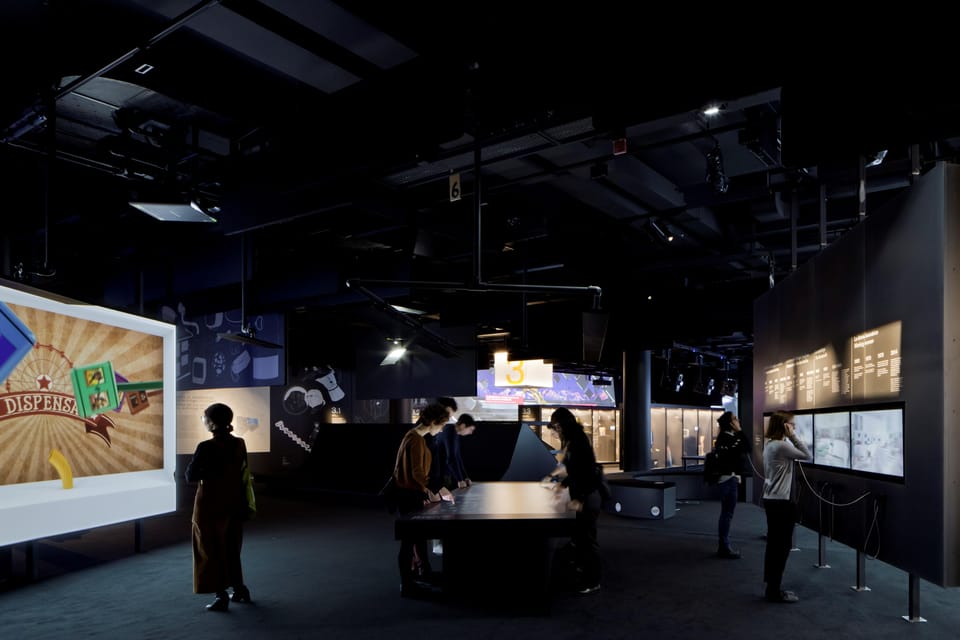
If you want a solid “first time” visit to M9, this permanent entry ticket is a smart way to start. It’s focused, you won’t get lost in extra events you didn’t pay for, and you can still sample the museum’s interactive style. The permanent collection is spread across the first and second floors, and it’s organized into eight theme sections.
If you hate museums that feel more like interactive media spaces than quiet halls, you might find the tech-heavy presentation less relaxing. Also, the museum is closed Mondays and Tuesdays, so plan around that.
Key Points You’ll Actually Care About
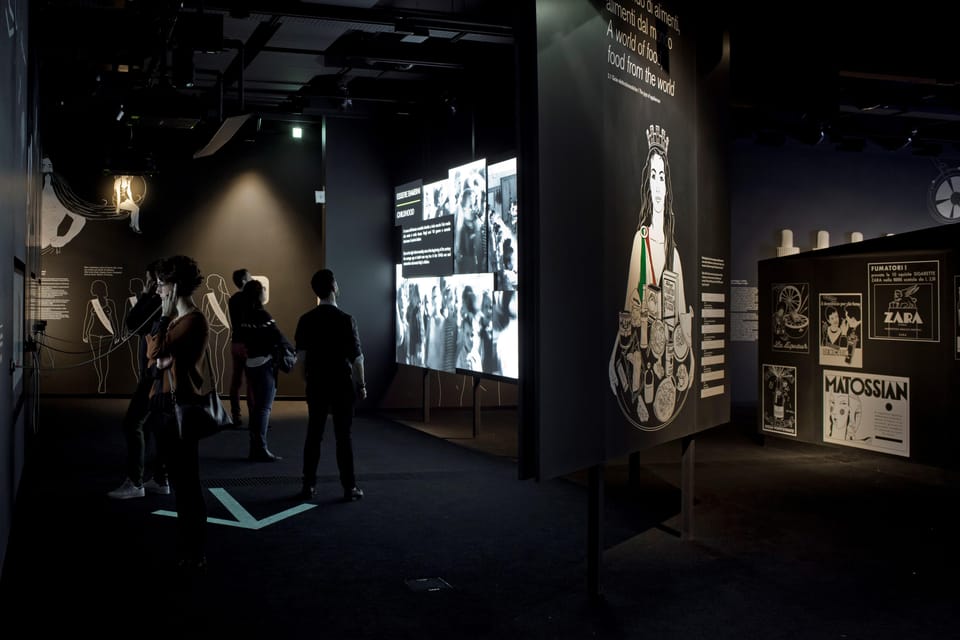
- Interactive technology helps explain social, economic, and political change across the 20th century in Italy
- The permanent collection spans 1st and 2nd floors, organized into eight theme sections
- It’s designed as a permanent workshop of contemporary life, not a classic, slow-moving gallery
- Temporary exhibitions are on the 3rd floor, but this ticket covers only the permanent show
- It uses images, audio installations, and videos to build an immersive-feeling visit without needing a guide
M9 in Venice Mestre: What This Museum Is Really Doing
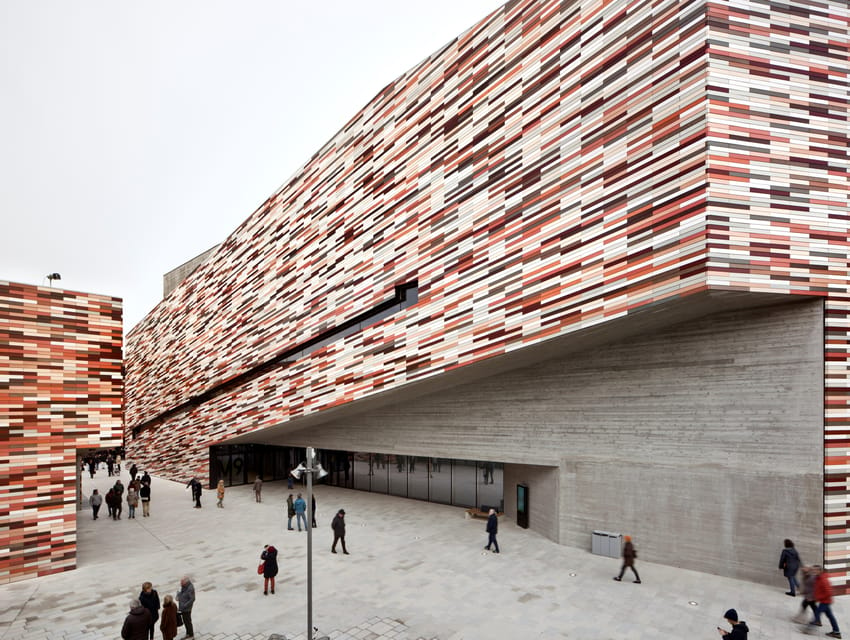
M9—officially Museo del ’900—is in Venice’s mainland district, Mestre. Don’t expect the usual Venice trap of one perfect view and a quick stop. This is a museum built to explain how Italy got from the early 1900s to today.
The key idea is that M9 is not a museum in the traditional sense. Instead, it’s a permanent workshop on contemporary life. That matters because it shapes your visit: you’re not only looking at objects; you’re learning how material things, social systems, and political choices shaped what people lived through.
For a lot of people, the biggest win is the museum’s broad scope. You’ll see the 20th century framed through demographic shifts, social and economic change, political conflicts, cultural movements, and environmental and landscape transformations (in the sense of how people and places were affected). The museum also addresses consequences and challenges—ambitions, threats, conquests, and opportunities—so it doesn’t treat history like a clean timeline.
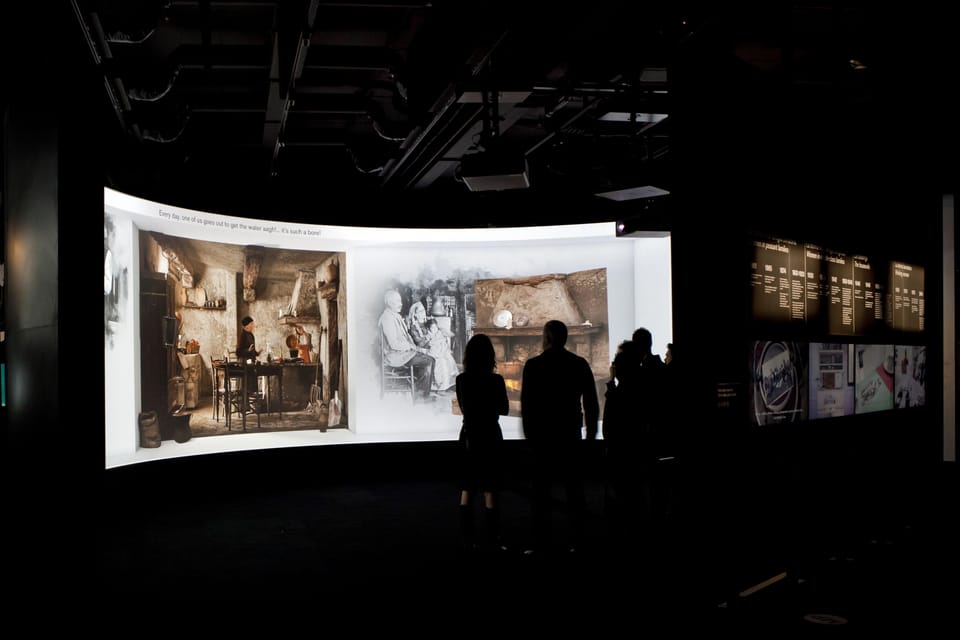
And yes, the building includes modern tech. The museum uses new technologies to narrate the story, and the presentations are built to encourage interaction. That’s a big part of why this works as a one-day experience: you get variety without switching locations.
The Permanent Exhibition Layout: First and Second Floors, Eight Theme Sections
Your permanent entry is aimed right at the core of the museum. The permanent collection occupies the first and second floors, and it’s divided into eight theme sections. You won’t be stuck wandering random rooms hoping the story makes sense. The museum structure is designed to guide you through a set of connected themes, so the experience builds like chapters.
Here’s what you can count on while moving through the floors:
- You’ll follow the museum’s theme sections rather than a narrow “timeline only” route.
- Each section relies heavily on visual and audio media, so you’ll get context quickly and keep momentum.
- The exhibits focus on the material legacy of 20th-century Italy—how cultural and social change shows up in objects, images, and media you can interpret.
One practical thing I like: the eight sections give you a natural stopping rhythm. If you only have a few hours, you don’t feel forced to “finish everything.” If you have more time, you can stay with a theme longer.
What I’d treat as a mild drawback: because the permanent show is built around media and interaction, you may want to go at a comfortable pace. If you rush, you’ll miss how the museum links themes together.
How the Museum Uses Tech to Tell 20th-Century Stories
M9 leans into technology. The museum makes extensive use of images, audio installations, and videos, and it’s clear this is meant to keep your attention while you learn.
This approach changes the way history lands. Instead of reading captions and trying to visualize the past, you get layered explanations. The museum’s tech doesn’t just decorate the content; it’s part of how the story is told—so you’re constantly nudged to connect social change, economic change, and political change to real human life.
A detail I think is worth your attention: the museum presents Italian 20th-century history through both cultural and material legacy. That combination is especially useful if you’re traveling with someone who likes history but doesn’t want only dates and names, or if you’re the type who likes objects and daily life more than speeches and dates.
Also, the museum’s design encourages interaction. That means you’re more likely to spend time thinking about what you see, instead of just walking past screens. It’s a different pace from classic gallery museums.
What I’d Prioritize on a 1-Day Visit (With the Permanent Ticket)
Since this entry ticket covers the permanent exhibition, your best strategy is to treat your day like a focused museum session with a clear goal: cover the permanent show on the first and second floors, then decide later if you want any extras (temporary exhibitions are separate).
If you’re planning your route, I’d do it like this:
- Start with the section that grabs you most—social change, politics, culture, or environmental impacts. The museum is built in themes, so you can choose your entry point without feeling like you missed the first page of a book.
- Move floor by floor, not room by room. The story is built around the floors and their theme structure.
- Slow down when a section feels personal. The museum is full of content that connects bigger events to how people lived.
One highlight I’d pay attention to: in at least one case, visitors pointed out seeing works associated with Renoir and Monet, specifically The Excursionist. Whether you’ll see that exact piece depends on what’s on view in the museum spaces during your visit, but the point is this—M9 can mix artistic references into the broader story, which helps break up the “just history” feel.
If you’re a “two-hour museum” person, you can still have a good visit. But if you’re curious and you like to watch and listen, give yourself more time. The museum’s format rewards staying with the media rather than treating it like background noise.
Temporary Exhibitions and Events: What You’ll See With This Ticket
This is where you should be clear with yourself before you go. Your ticket includes entry to the permanent exhibition only. Temporary exhibitions are not included.
Temporary exhibitions are on the third floor and spread across new museum spaces from 2021. There’s also a calendar of events for the general public and educational activities for schools, local residents, and groups connected to vulnerable communities. That’s part of the museum’s identity as an open house for the local area and for Italy, encouraging reflection on the present and the future.
So here’s the practical mindset: even if you love the museum, your entry ticket is designed to deliver a complete permanent-collection experience. If you want temporary shows too, you’ll need something beyond this ticket.
If you’re traveling with limited time and you want predictable value, this limitation can actually be helpful. It stops you from over-spending or wandering into extra spaces you didn’t plan for.
Price and Value: Is $14 in Mestre a Good Trade?
At about $14 per person, this permanent entry isn’t a high-cost, “wish I’d skipped it” type of museum ticket. For that price, you get a structured visit to the core permanent collection—across two floors—plus the museum’s heavy use of media and interactive elements.
Value here comes from three things:
- Scope: eight theme sections across the main floors
- Story format: images, audio, and videos that explain big changes in human terms
- Focus: since the ticket is permanent-only, you’re paying for the museum’s central mission rather than optional extras
Also, the experience has a strong overall rating of 4.4, with multiple top scores. That lines up with what you’d expect from a museum that takes history seriously while keeping it active and readable.
If you’re used to paying a lot for ticketed museums, you’ll likely feel this is straightforward. If you’re expecting a small, quiet art museum, you might find M9’s presentation style more energetic than you planned for—but that’s exactly what you’re buying.
Getting There and House Rules: Revolving Door Entry in Mestre
The meeting point is simple: look for the revolving door entrance. That’s the kind of detail that saves time, especially if you’re arriving a bit rushed.
A few other practical notes:
- The museum is closed on Mondays and Tuesdays.
- Backpacks are not allowed.
- The museum is wheelchair accessible.
These points sound minor, but they matter. Not allowing backpacks means you’ll want to travel light. And closing days can wreck a plan if you’re pairing M9 with other Mestre or Venice mainland stops.
Who Should Book This Ticket (and Who Might Skip)
This ticket fits best if you:
- want a 20th-century Italy experience that connects politics, culture, and everyday life
- like museums that use audio/visual tools and interaction rather than only static displays
- are staying in Venice but want a richer mainland break from the lagoon-and-arches routine
- have limited time and want a focused entry that covers the permanent show on two floors
You might skip or choose something else if you:
- only want temporary exhibitions and don’t care about permanent collections
- prefer a quiet, minimal-tech museum visit
- dislike media-heavy layouts where you spend time listening and watching
It also works well as a “travel day anchor.” Even if Venice proper is your priority, M9 gives you perspective on Italy in a way a shoreline walk can’t.
Should You Book This M9 Permanent Exhibition Entry Ticket?
I’d book it if you want a structured, tech-supported museum experience on the first and second floors, focused on the Museum of the 20th Century. At around $14, it’s a solid value for the range of themes the permanent collection covers—and it’s one of the more practical choices if you’re trying to make the most of one day in Mestre.
You should think twice if your goal is mainly art gallery-style wandering or if you’re hoping the ticket includes temporary exhibitions. This entry is about the permanent exhibition only, and that’s a good thing if you’re honest about what you’re paying for.
If you’re the kind of traveler who likes history that connects to how society works now, M9 is the kind of place that sticks with you after you leave the building.
FAQ
What does the ticket include?
Your ticket includes entry to the permanent exhibition.
Are temporary exhibitions included?
No. Temporary exhibitions are not included with this permanent exhibition entry ticket.
Which floors are part of the permanent exhibition?
The museum’s permanent collection is on the first and second floors.
Where do I enter?
Meet at the revolving door entrance.
How long is the experience?
It’s listed as a 1-day activity. You’ll want to plan enough time to move through the permanent exhibition at your own pace.
When is the museum closed?
The museum is closed on Mondays and Tuesdays.
Can I bring a backpack?
No. Backpacks are not allowed.
Is the museum wheelchair accessible?
Yes, the museum is wheelchair accessible.