REVIEW · MURANO
Murano: Glass Factory Experience with Tour and Demonstration
Book on GetYourGuide →Operated by Vetreria Artistica Colleoni · Bookable on GetYourGuide
Murano glass feels like watching magic at work. This short Murano glass-blowing visit takes you inside a working factory on the island, where you’ll see a master create glass using blowing and sculpting techniques, then walk through the shop/gallery with a €10 per-adult credit to spend.
What I really like is the payoff-to-time ratio. You get two clear demonstrations in one visit—first the blowing technique as the master builds an object, then a sculpting segment focused on glass animals—without dragging it out. I also appreciate the guide experience, since English, French, and Italian explanations happen live, and people often mention friendly, practical context from guides such as Fabio and Nico.
One thing to consider: the visit is only about 20 minutes, so it’s not the place to expect a long, deep story about the company or Murano traditions. Also, factories can run warm during active work, so bring a layer you can handle.
In This Review
- Key Things You’ll Notice at Vetreria Artistica Colleoni
- Finding the Factory Right on Murano
- Inside the Factory: What the Guided Part Feels Like
- The Glass-Blowing Demonstration: Where the Craft Comes Alive
- Sculpting Glass Animals: A Second Look at Technique
- The Shop and Gallery: Use That €10 Credit Like a Pro
- Practical Value: Price, Timing, and What You Get
- What to Watch For on the Day (Small Stuff That Changes the Experience)
- Who This Murano Glass Factory Visit Fits Best
- Should You Book This Murano Glass Factory Experience?
- FAQ
- How long is the Murano glass factory experience?
- Where do I meet the guide?
- What demonstrations are included?
- Is there anything included besides the tour and demonstration?
- What languages are the tours offered in?
- Is transportation to Murano included?
- Is it wheelchair accessible?
Key Things You’ll Notice at Vetreria Artistica Colleoni
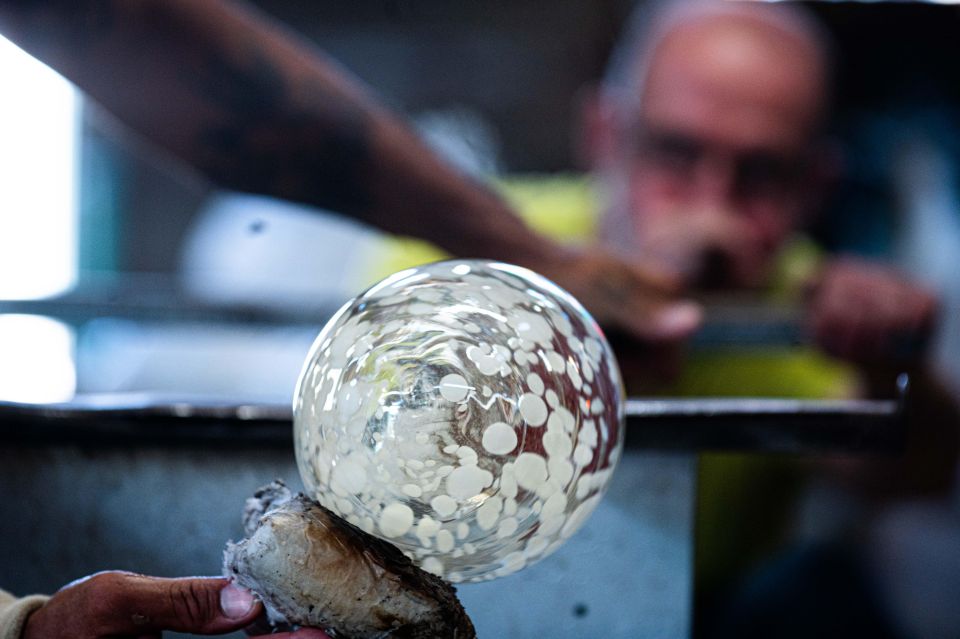
- Two techniques, one stop: glass-blowing creation plus a sculpting demo featuring glass animals.
- A real working moment: you’re watching skilled glass masters at the bench, not just seeing finished items.
- Short and focused timing: about 20 minutes, with a showroom walk at the end.
- Live guide in multiple languages: English, French, and Italian spoken during the tour.
- Shop credit that actually helps: €10 per adult credited toward purchases in the factory shop/gallery.
- Comfort basics onsite: there’s mention of toilets and water, which matters during a Venice island day.
Finding the Factory Right on Murano
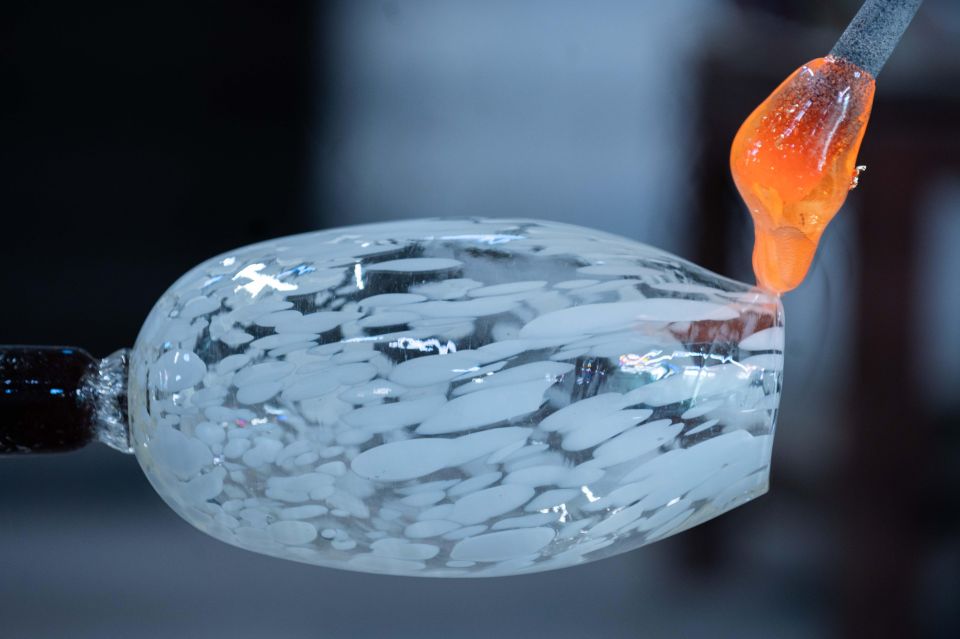
This experience is based at Vetreria Artistica Colleoni, at Vetreria Artistica Colleoni Snc, Fondamenta S. Giovanni dei Battuti, 12, 30141 Venezia VE, Italy. The meeting point is at the factory itself, and you should plan to arrive about 5 minutes early so the guide can get your group settled before the demonstration begins.
From a “day planning” point of view, this is a smart option. Murano days can balloon fast once you add ferry lines and wandering time. Here, the visit is about 20 minutes, so it fits nicely between other Murano stops or even as a mid-day reset when Venice feels like too much walking.
A small but useful detail: the shop/gallery is part of the experience, so you’re not left standing outside afterward wondering what to do next. You’ll see the working space, then shift into shopping and browsing mode.
If you want the best viewing angle, show up a few minutes early and don’t hover too late at the entrance. These demonstrations are set up for clear sightlines, and getting settled first helps you watch the glass creation start-to-finish.
You can also read our reviews of more tours and experiences in Murano.
Inside the Factory: What the Guided Part Feels Like
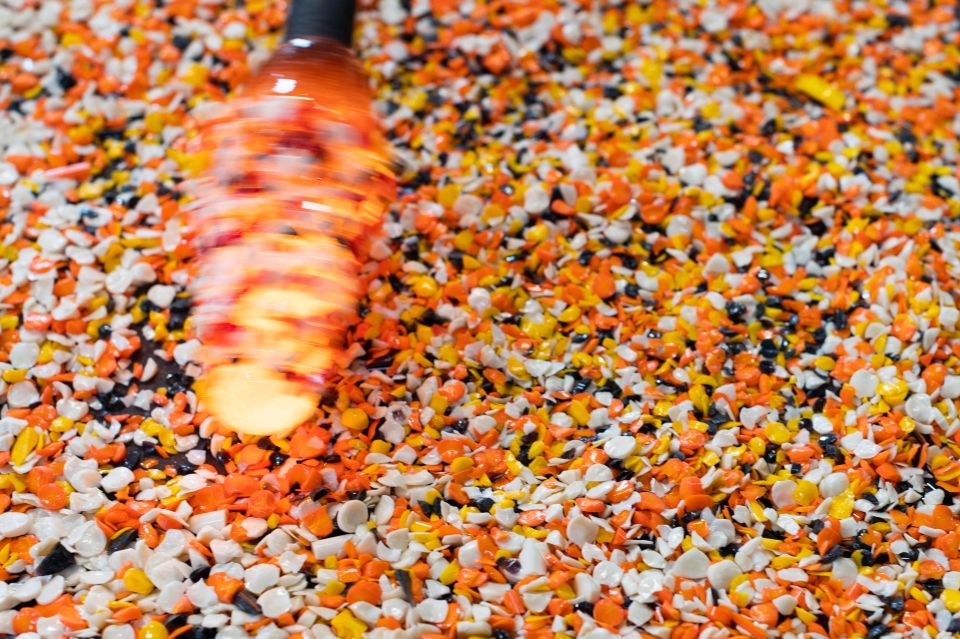
You’ll start with a quick meet-up with the guide, then move through the factory areas while the guide explains what you’re seeing. The guide’s role is practical: they point out how the process works, what the master is doing in each step, and what makes Murano glass techniques different from what you might be used to seeing in stores.
The live narration is part of the value. Even if you’re mostly there for the visuals, it helps you understand why the master’s timing matters and what’s happening during each stage of creation. Explanations are offered in English, French, and Italian, so you can pick the language that fits your group.
Some guides (including Fabio and Nico, based on past guest experiences) are specifically noted for being friendly and clear. You don’t need to speak Italian to enjoy this—just show up ready to watch and listen.
The Glass-Blowing Demonstration: Where the Craft Comes Alive
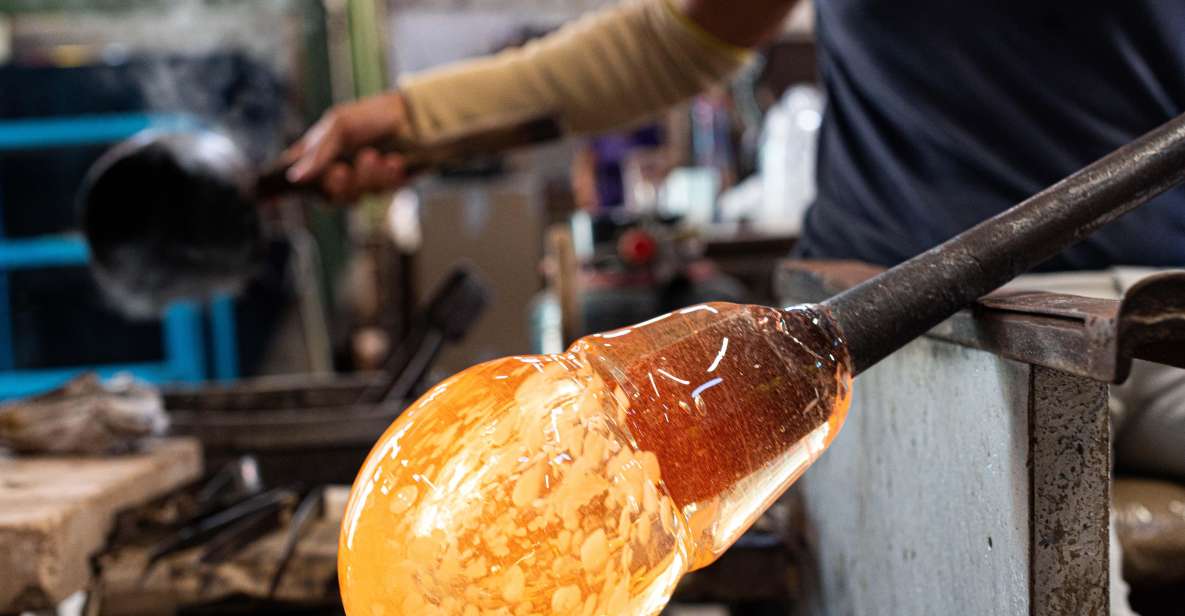
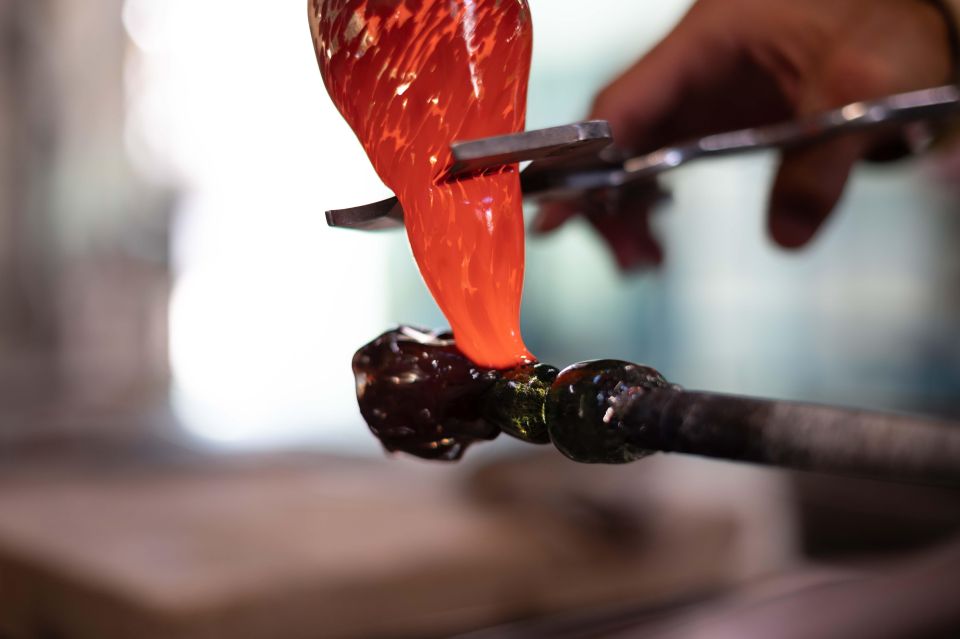
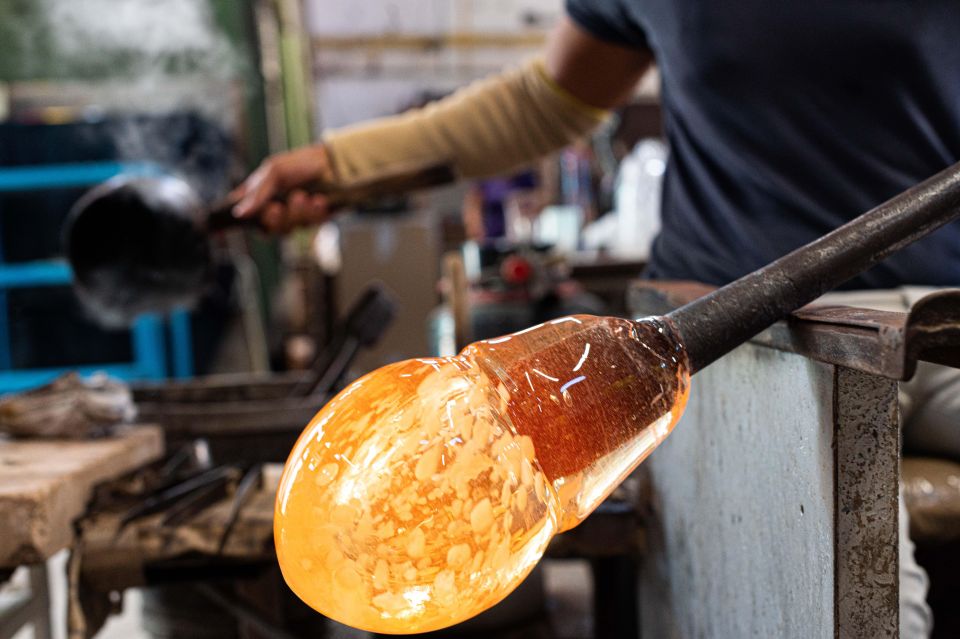
This is the main event, and it’s structured so you actually follow the work as it changes in front of you. A glass master creates an object using the blowing technique. That means you’ll see the real rhythm of the process: gather, shape, blow, and refine, all while molten glass stays workable only for a limited time.
Why this matters: it turns “pretty glass” into something you can respect. Finished chandeliers and sculptures look effortless in photos, but a demo shows the speed and control involved. Once you see how quickly adjustments have to happen, you’ll start noticing details you’d normally miss—like how shape holds, how thickness gets balanced, and how the master handles color and form.
Also, the demo isn’t just one tiny trick. The master’s work is meant to be visible and understandable from where you’ll be seated or standing. People often mention that the demonstration includes watching multiple creations rather than one short snippet, and that format is exactly what makes it feel worth your time.
Tip: keep your phone ready for photos if you want them, but watch first. The best moments are often the hands-on transitions—when the object changes shape quickly and you realize the master is responding to the material in real time.
Sculpting Glass Animals: A Second Look at Technique
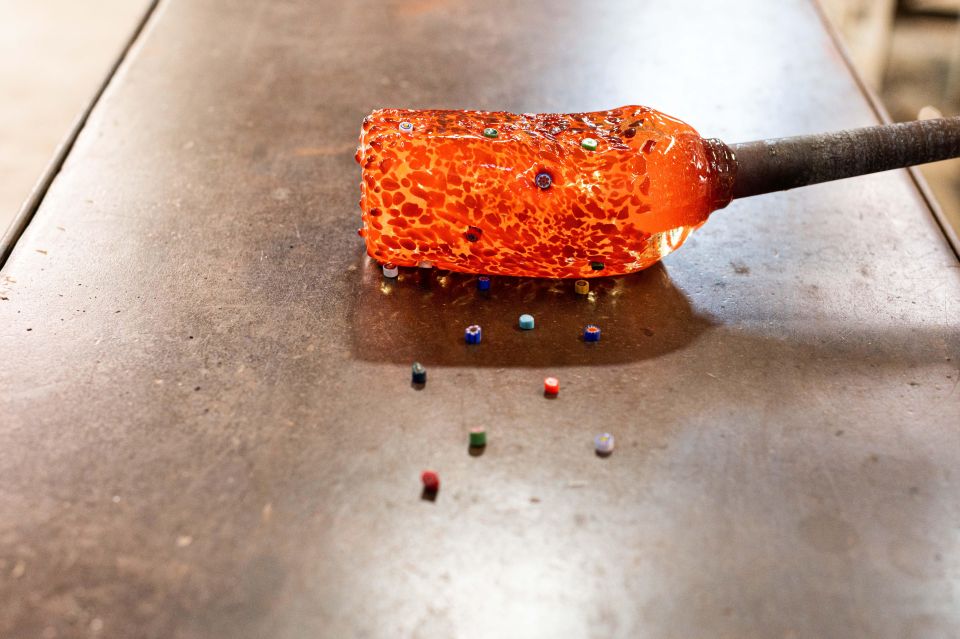
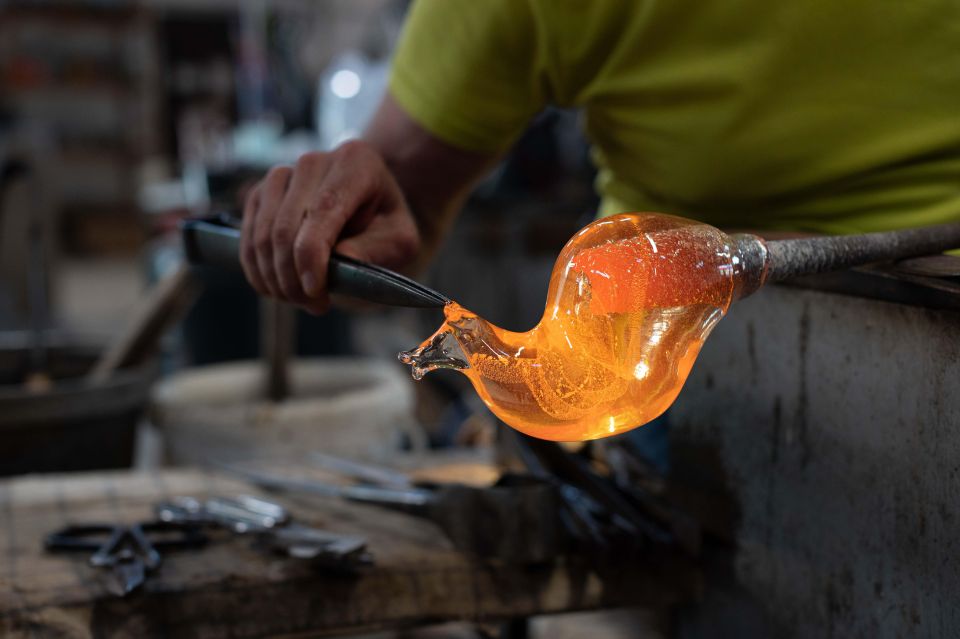
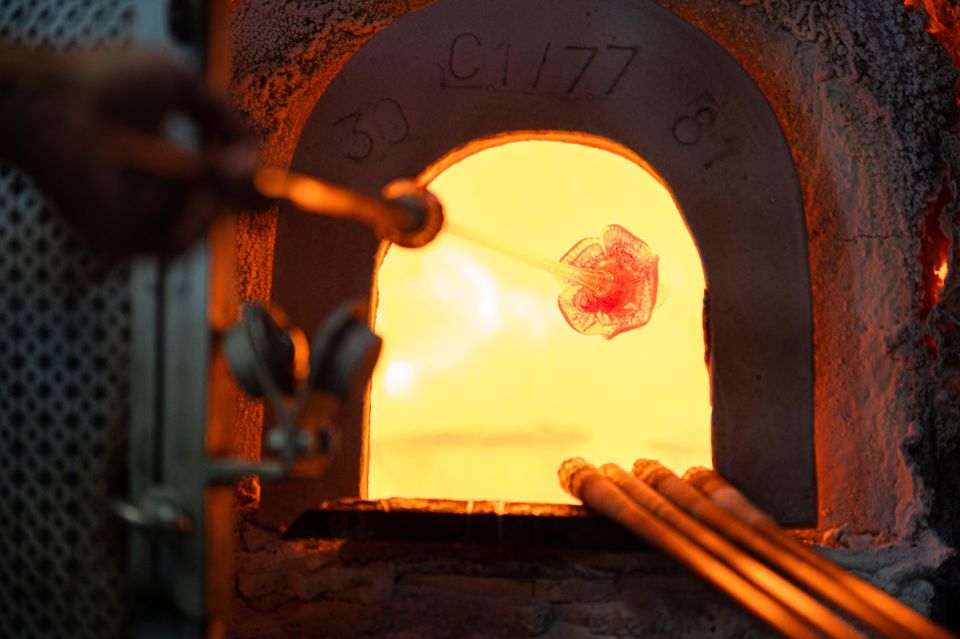
After the blowing segment, you’ll see a sculpting technique demonstration. This part focuses on how glass animals are made. The shift is important. Blowing is about forming a shape through air pressure and careful rotation; sculpting is more about shaping details, adding character, and building forms with a different kind of precision.
This second demonstration is one of the reasons the visit punches above its weight. Instead of repeating the same technique twice, you get a second craft method. That’s what helps the short duration feel satisfying rather than rushed.
It also makes the visit family-friendly in a practical way. When kids (and adults with curiosity) can track two different ways of making glass, it stays interesting longer than a single repetitive format.
If you’re a souvenir shopper, this segment also does something else: it helps you understand why animal figurines can be more detailed than they look. Once you see how those features come together, you’ll be better at spotting quality in the shop.
The Shop and Gallery: Use That €10 Credit Like a Pro
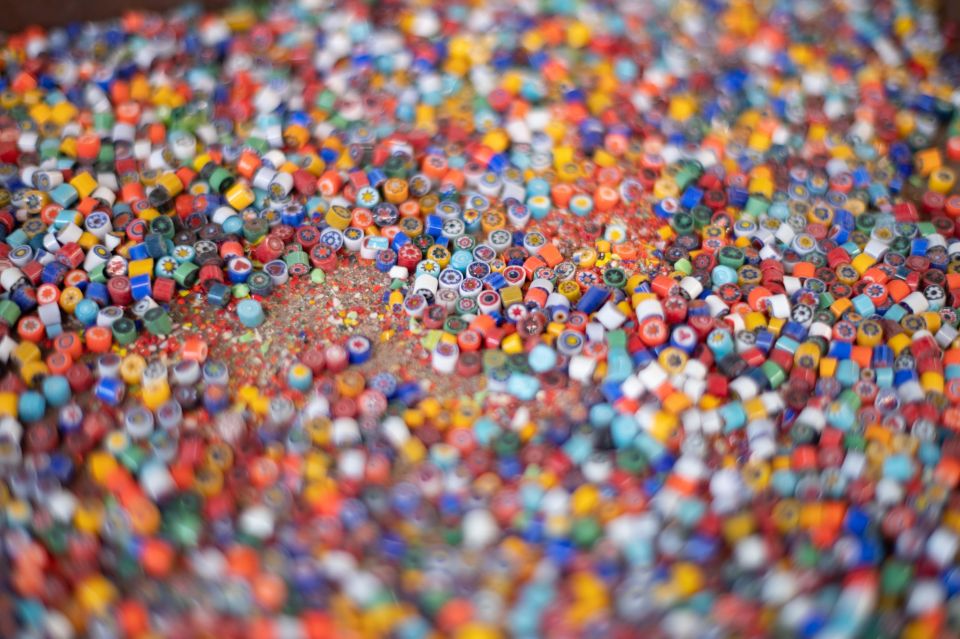
After the demonstrations, you move into the factory shop/gallery to admire products made at the workshop. You’ll typically see a mix of larger pieces—like chandeliers and sculptures—and smaller items such as jewelry.
Here’s the real value piece: you receive a €10 credit per adult on purchases made at the glass factory. In plain terms, it turns your ticket into something closer to a discount, especially if you plan to buy even one smaller souvenir.
A smart strategy is to browse with credit in mind:
- Decide whether you want something small enough to fit in a suitcase. Many items in the shop are gift-sized, and you can use the credit toward those.
- If you’re eyeing a bigger piece, remember the credit may not cover the whole cost, so treat it as “starter cash,” not full payment.
- If you’re traveling light, prioritize jewelry or small collectibles first, then look upward only if the prices fit.
Some people also mention that the store has items positioned around lower price points, which makes it easier to apply your credit without overthinking budgets. Either way, you’ll have a chance to look before you commit, which is important when you’re spending money in a factory shop.
Also, the gallery part feels like the payoff after seeing the work in motion. You’re no longer just watching hands—you’re matching technique to final product.
Practical Value: Price, Timing, and What You Get
The listed price is $11 per person, and the experience lasts about 20 minutes. On paper, that sounds short. In practice, that’s the point: this is an introduction that doesn’t ask you to sacrifice half a day.
Here’s the value math that matters: the €10 shop credit per adult can soften the cost of the visit if you plan to buy anything. Even if your souvenir is small, using the credit makes the ticket feel less like a standalone entertainment expense and more like part of your Murano shopping plan.
Is it “cheap”? No matter what you pay, Murano glass is labor-intensive. But the pricing is positioned to be accessible, and the demo format gives you something you can’t replicate by just browsing storefronts.
A realistic expectation: this is not a multi-hour workshop where you learn hands-on techniques. You’ll watch and you’ll learn context, but you’re there for the show and the gallery.
What to Watch For on the Day (Small Stuff That Changes the Experience)
A few practical notes will help you enjoy this more:
- Arrive a few minutes early. The meeting point is at the factory, so don’t plan to stroll in right at start time.
- Wear something you can handle if the workshop feels warm. One person specifically noted it gets hot in the factory.
- If you’re seated farther back, be aware that you may need to lean in to catch some guide details. The demonstrations are the main attraction, but hearing the explanation makes it easier to connect technique to craft.
- Bring cash or a flexible payment approach if you like negotiating or if your group wants quick decisions. People have mentioned cash use and negotiating at Murano shops, though your purchase options can vary by item.
And if you’re doing a Venice island loop, treat Murano glass demos like a focused stop. You’re going for a craft moment, not hours of wandering.
Who This Murano Glass Factory Visit Fits Best
This is a great fit if you:
- Want an easy Murano add-on without committing to a long tour.
- Love watching live craftsmanship and want to understand the process behind it.
- Travel with teens or kids who need active visuals rather than long lectures.
- Plan to shop for a souvenir and would rather see the making first.
If your top priority is a long, academic story about glass history or the full business behind the workshop, you might feel the time limit. This experience is short by design. You’ll leave with admiration and practical context more than with a book-length explanation.
Should You Book This Murano Glass Factory Experience?
Book it if you want a high-signal Murano stop: master glass-blowing on the spot, a second sculpting demo featuring glass animals, and a showroom where you can connect what you watched to what you can buy. The €10 per-adult credit makes it especially sensible if you’ll likely bring home a small piece.
Skip it only if you’re chasing a long, deep workshop-style lesson or you need a schedule that fills most of your afternoon. This one is built for short attention and big craft impact.
FAQ
How long is the Murano glass factory experience?
It lasts about 20 minutes.
Where do I meet the guide?
You meet at the glass factory at Vetreria Artistica Colleoni, Fondamenta S. Giovanni dei Battuti, 12, 30141 Venezia VE, Italy. You’re advised to arrive about 5 minutes before the start time.
What demonstrations are included?
You’ll see a glass-blowing demonstration by a master, followed by a sculpting technique demonstration focused on making glass animals.
Is there anything included besides the tour and demonstration?
Yes. The experience includes a live guide and a €10 credit per adult for purchases at the glass factory.
What languages are the tours offered in?
The guide provides live explanations in English, French, and Italian.
Is transportation to Murano included?
No. Transportation to and from Murano is not included.
Is it wheelchair accessible?
Yes, it is wheelchair accessible.