REVIEW · VENICE
The Murano Glass Museum in Venice
Book on Viator →Operated by Weekend in Italy · Bookable on Viator
A visit to Murano glass gets oddly addictive. The Murano Glass Museum (Museo del Vetro) is a tight, well-structured way to see how glass design and Venetian influence evolved over centuries, without getting stuck in ticket chaos. You get secure admission and a clear path through the collection, from early archaeological finds to famous later masterpieces.
I especially like two things about this experience: first, the museum’s chronological layout makes it easier to understand how styles changed, room by room. Second, you’re buying a simple ticket that helps you save time on-site, which matters in Venice when lines can eat up your day. One possible drawback: it is not an interactive museum, so if you’re hoping for hands-on fun, plan differently for younger kids.
In This Review
- Key things to know before you go
- Murano Glass Museum Basics: Museo del Vetro at a Glance
- What’s Included in Your Ticket (And What Isn’t)
- The Ticket Value: Paying for Time and Structure
- Follow the Glass Timeline: Roman Beginnings to Murano Masterpieces
- The Pace of the Visit: Audio Guide, Room-by-Room Stories, and Quiet Corners
- Garden and Museum Shop: Nice Extras, Not the Main Event
- Timing in Venice: Booking in Advance and the €5 Access Fee Reality
- Getting There Without Stress: Public Transit Friendly
- Who This Murano Glass Museum Ticket Is Best For
- The Fine Print You Should Know Before You Commit
- Should You Book the Murano Glass Museum Tickets?
- FAQ
- How long does the Murano Glass Museum visit take?
- What is included with the ticket price?
- Is the experience offered in English?
- What is not included in the ticket?
- When will I receive confirmation after booking?
- Is there a public transportation option nearby?
- Do I need to pay the €5 Venice access fee?
- Is the ticket refundable or changeable?
Key things to know before you go

- Timed, secure entry helps you avoid the worst waiting at the museum.
- The museum collection runs from Roman-era works (1st–3rd century A.D.) to major Murano glass pieces from the 15th–20th centuries.
- The experience is built for art history pacing, not games or activities.
- You’ll likely enjoy a garden pause, but it’s described as tranquil rather than large.
- The museum shop is small, though Murano’s broader shop scene makes that less of an issue.
Murano Glass Museum Basics: Museo del Vetro at a Glance
The Murano Glass Museum is all about context. It’s not just a gallery of pretty objects. The museum helps you connect the dots between early glass and the later skills that made Murano famous.
Your ticket is priced at $26.43 per person and is designed for a visit of about 1 to 3 hours. The experience is offered in English, and confirmation is typically sent within 48 hours of booking, depending on availability. It’s also near public transportation, which is a plus because Murano logistics can be as much about timing as it is about getting there.
If you’re trying to decide whether this is worth your time, think of it as a focused museum stop: you go in, you follow the story, you come out with a clearer sense of how Venetian glass craft evolved.
You can also read our reviews of more museum experiences in Venice



What’s Included in Your Ticket (And What Isn’t)
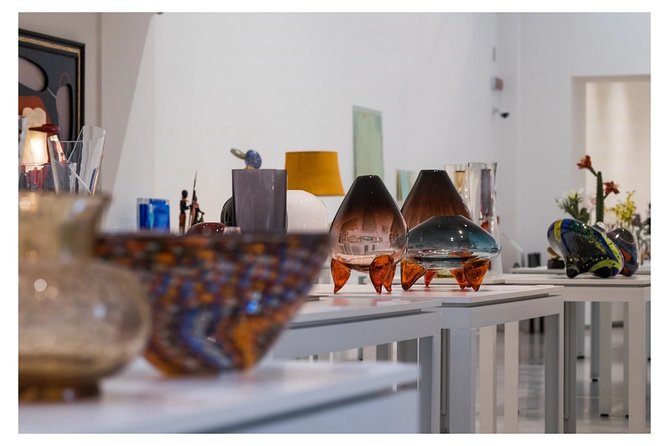
This is a straightforward ticket experience. Your admission includes entry to the Museo del Vetro collection. That’s it.
What you should plan on bringing or arranging yourself:
- Private transportation is not included. You’ll need to handle getting to Murano and back on your own.
- Snacks aren’t included, so if your visit might run toward the longer end (closer to 3 hours), have a snack plan.
- The museum language support is set for English, but the rest of your day is on you.
So the value isn’t in added perks like guided experiences. The value is in reduced friction: you’re buying secure access to one of Murano’s must-see attractions, which helps you protect your schedule in a city where time can disappear fast.
The Ticket Value: Paying for Time and Structure
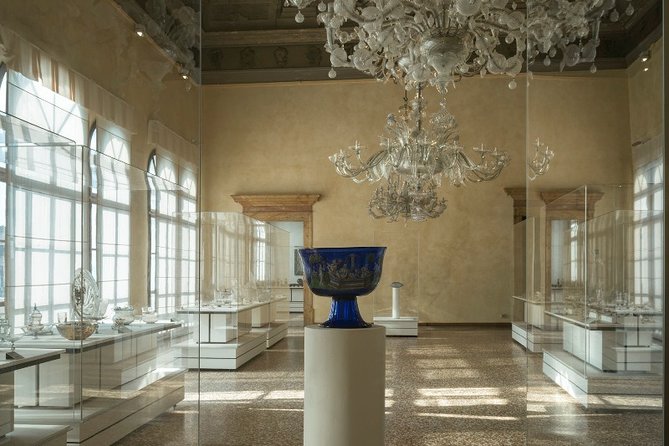
In Venice, the biggest hidden cost is often waiting. Even if you’re not in a hurry, queues can quietly ruin the day’s rhythm. That’s why this type of admission ticket can be a good match: it’s built to help you bypass potential ticket lines.
The other half of the value is the museum itself. You’re seeing what is described as the largest collection of Murano glass in the world, with pieces spanning from the 15th through the 20th century. That range matters because it turns Murano glass from a single style into a timeline. You start seeing repeat techniques, shifting tastes, and the push-pull between craft and design.
Price-wise, $26.43 isn’t a bargain, but it’s not inflated for a major museum experience either—especially if you’re visiting during peak seasons or you want a calm, planned visit without on-the-spot stress.
Follow the Glass Timeline: Roman Beginnings to Murano Masterpieces
The museum is organized so you can follow development without needing a lecture.
On the ground floor, there’s an archaeological section with Roman works dating from the 1st to the 3rd century A.D. This part sets a foundation. You’re not thrown directly into decorative objects; instead, you get early examples that help you understand glass as a material with deep roots, not just a Venetian fad.
Then the main story continues on the first floor, laid out chronologically. This is where you see what the museum is known for: the museum houses the largest historical collection of Murano glass, including pieces from the 15th to the 20th centuries. Many works are described as world-famous masterpieces, so you’re not just looking at local craft—you’re seeing key points in the craft’s evolution.
What I think makes this layout work so well is that it turns a museum visit into a simple narrative:
- early beginnings (Roman material)
- growth into refined Murano production
- later centuries where famous styles and techniques shine
If you like museums where the rooms guide your thinking, this is a strong fit.
The Pace of the Visit: Audio Guide, Room-by-Room Stories, and Quiet Corners
Most people don’t need a full day in this museum, and the design supports that. With a typical visit around 1 to 3 hours, you can take your time without burning half your trip.
One thing that can make the museum much more enjoyable is pacing with the right help. A reviewer highlighted that the museum offers a free audio guide in different languages. If you read labels and still feel like you want a bit more context, that audio track can be the difference between a quick glance and real understanding.
A key consideration: this is not an interactive space. A reviewer took a 10-year-old, and the child’s interest faded because the museum is not built for hands-on engagement. That doesn’t mean it’s boring—it just means it’s better suited to older kids and adults who enjoy design history, technique, and visual comparison.
Also, there’s a garden area. It’s described as tranquil, but not extensive. If you want a breather—somewhere to pause and regroup after rooms of glass display—this can help. If you’re expecting a big outdoor escape, set your expectations accordingly.






Garden and Museum Shop: Nice Extras, Not the Main Event
The garden is a pleasant add-on. Think of it as a quiet reset rather than a destination of its own.
The museum shop is described as small, which sounds disappointing until you remember Murano’s wider shop scene. You’re in an area where glass stores are everywhere, so a small museum shop usually isn’t a problem. For many people, the real takeaway is what you saw inside, then deciding whether to browse Murano’s broader selection later.
Timing in Venice: Booking in Advance and the €5 Access Fee Reality
Booking ahead is smart. On average, this kind of ticket is booked about 23 days in advance, which is a good sign that people plan Murano days carefully.
Then there’s the bigger Venice-picture issue: on certain dates, people staying outside Venice who are visiting for the day may need to pay a €5 access fee. The key part is that it only applies on some dates, and exemptions may exist. The official details are here: https://cda.ve.it
So here’s the practical advice:
- Check that page before you lock in your Venice itinerary.
- If you’re doing a day trip, factor it in early so you don’t get surprised later.
Getting There Without Stress: Public Transit Friendly
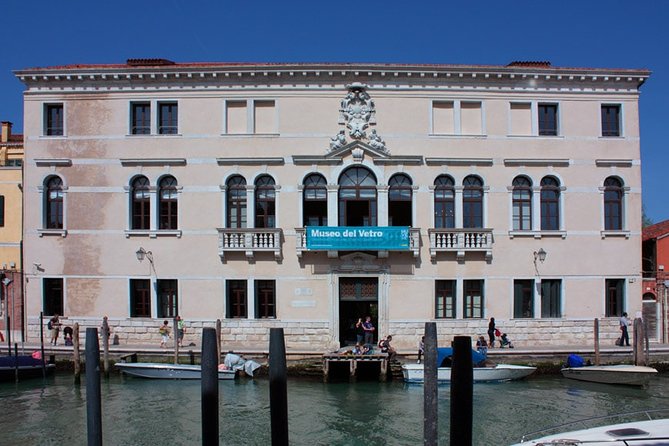
You don’t need a car for this stop. The experience is noted as being near public transportation, which helps a lot because Murano access is usually easiest by water routes and transit connections.
Plan for a little extra buffer. Even if your ticket is timed for entry, you still have to get to Murano and position yourself for the museum. Leaving a comfortable margin keeps you from sprinting through the day’s schedule.
Who This Murano Glass Museum Ticket Is Best For
This ticket is a strong choice if you like:
- museum visits that follow a clear timeline
- design history and how craft evolves
- seeing famous Murano glass works in a focused setting
It’s also a good fit if you want a serious but not overwhelming museum stop. About 1 to 3 hours is enough to see the main collection without turning it into your whole day.
If you’re traveling with kids, I’d match expectations to the format:
- Best with older kids who enjoy looking closely and reading labels.
- Less ideal for very young kids who need hands-on activities.
If your trip includes both art and wandering, you’ll probably love how this museum gives you a framework for what you’ll spot later in Murano’s glass shops.
The Fine Print You Should Know Before You Commit
This experience is marked as non-refundable and cannot be changed for any reason. If you’re someone who plans loosely, this is worth keeping in mind.
Confirmation is typically received within 48 hours of booking, subject to availability, so don’t book and then forget to confirm details before your travel day.
Finally, one practical caution: there have been issues in the past with third-party ticket delivery, including cases where access didn’t go smoothly unless payment was made again. The best protection is simple: keep your booking confirmation handy and double-check entry requirements before you head over.
Should You Book the Murano Glass Museum Tickets?
I’d book this if you want timed, secure entry to a top Murano stop and you enjoy museums that teach through structure. The museum’s chronological format—Roman-era beginnings on the ground floor, then the big Murano glass story upstairs through the 15th–20th centuries—makes the visit feel organized instead of random.
I’d think twice if your priority is interactive entertainment. This is mainly for people who like objects, design evolution, and reading up while you look.
If you can spare a few hours, this ticket is a solid value purchase because you’re paying for access and saving time, while still getting a collection that’s big enough to feel worth your trip to Murano.
FAQ
How long does the Murano Glass Museum visit take?
The experience is listed as lasting about 1 to 3 hours.
What is included with the ticket price?
Your ticket includes entrance to the Murano Glass Museum.
Is the experience offered in English?
Yes, the experience is offered in English.
What is not included in the ticket?
The ticket does not include private transportation or snacks.
When will I receive confirmation after booking?
Confirmation is typically sent within 48 hours of booking, depending on availability.
Is there a public transportation option nearby?
Yes, the experience is noted as being near public transportation.
Do I need to pay the €5 Venice access fee?
On certain dates, some visitors staying outside Venice who visit for the day may need to pay a €5 access fee. Check the rules and exemptions at https://cda.ve.it.
Is the ticket refundable or changeable?
No. The experience is non-refundable and cannot be changed for any reason.