REVIEW · VENICE
9-Day Private Tour of Venice, Florence and Rome
Book on Viator →Operated by Firebird Tours · Bookable on Viator
Private doors, quick trains, and art that lands hard. This 9-day private loop is built around private local guides, airport-to-hotel pickups, and mostly pre-planned sight time, so you’re not stuck figuring out how to see everything. I especially like how the route pairs Venice’s watery backstreets with Florence’s big Renaissance stops and Rome’s major ruins in a sensible order.
For your money, I also like the premium-class train rides between cities, which makes the long-distance days feel efficient instead of chaotic.
One thing to weigh: the price is high at $9,938.04 per person, and the booking is non-refundable, so this is best when your travel dates are locked.
In This Review
- Key highlights you’ll feel fast
- Venice arrival: water-taxi transfer and a hotel check-in that starts day one
- Rialto Bridge to St. Mark’s Square: Venice’s icons plus the quiet streets between
- The high-speed train to Florence: less travel friction, more room to enjoy
- Florence highlights with the Duomo complex: Baptistery, dome-area access, and David at the Accademia
- Day 5 in Florence: a real breather plus a food-first suggestion
- Rome orientation day: Trevi, Pantheon, Piazza Navona, and the Bernini-Borromini mix
- Roman Forum and the Colosseum: two sites, one ancient story
- Vatican Museums, Sistine Chapel, and St. Peter’s Basilica: one route, three emotional hits
- Pace, hotels, and practical value across 9 days
- Is it worth $9,938.04 per person?
- Should you book this private Venice–Florence–Rome trip?
- FAQ
- What cities are included in this 9-day private tour?
- Are pickup and transfers included?
- What’s included with the train rides?
- Is the tour private or shared with other travelers?
- What major sights are included in Rome?
- What’s included for Florence’s Duomo area?
- What happens if I cancel?
Key highlights you’ll feel fast
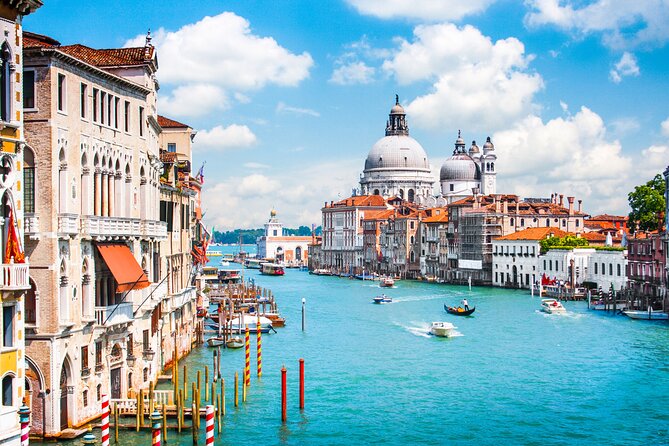
- Airport pickup plus water-taxi transfer on day 1, so you start in motion without guessing
- St. Mark’s Basilica viewpoints and a Venice walk that goes beyond the usual postcard corners
- Duomo “72-hour” museum ticket window in Florence, giving you flexibility around the main dome complex
- Michelangelo’s David at the Accademia plus a guided walk through Oltrarno craft streets
- Vatican Museums + Sistine Chapel + St. Peter’s under one guided flow, with Castel Sant’Angelo added as a photo stop
Venice arrival: water-taxi transfer and a hotel check-in that starts day one
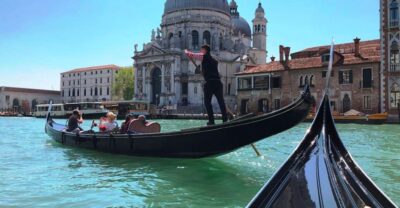
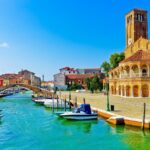
Venice can overwhelm you the moment you step out of the airport. What I like here is that you meet your driver in the arrival hall, then transfer by private vehicle and water taxi straight to your hotel for check-in. That removes the stress of figuring out boats, schedules, and which stop makes sense with your luggage.
Once you’re checked in, the rest of day 1 is intentionally light. You get time to reset from jet lag, wander without a clock, and figure out which streets cut through toward St. Mark’s Square. Venice rewards that kind of loose wandering. It’s also one of the best ways to avoid doing too much too soon.
You’ll want to be comfortable with walking and the slight unevenness of old Venice streets. If you’re traveling with mobility limitations, you should plan for steps, bridges, and crowds around major landmarks.
You can also read our reviews of more private tours in Venice
Rialto Bridge to St. Mark’s Square: Venice’s icons plus the quiet streets between
Day 2 is a classic Venice combo, but it’s done in a way that feels more grounded than a “see it, move on” circuit. You start after breakfast with your guide in the lobby and head out for a walking tour built around must-sees plus the spots that sit just outside the main visitor flow.
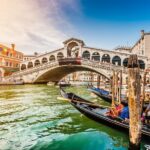
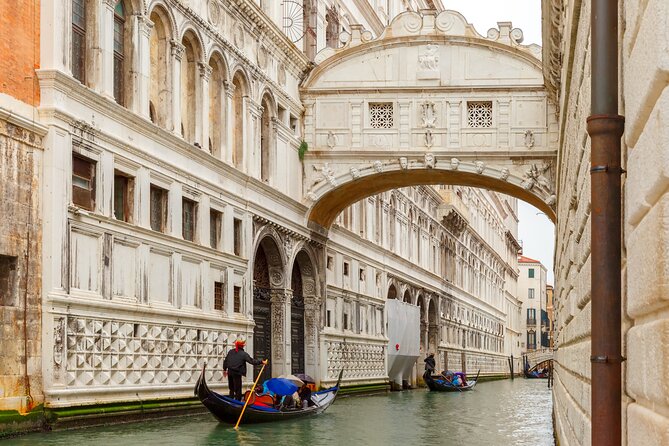
The Rialto Bridge and the Rialto fish market area are center stage. What matters most is that you don’t just stand and snap photos—you walk past calmer streets, peaceful canals, and parts of the city that most people never really slow down to notice. This is where Venice reveals its architecture details and the little street rhythms that make the city feel like a lived-in place.
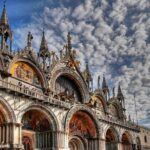
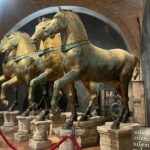
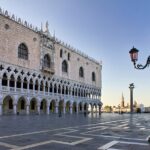
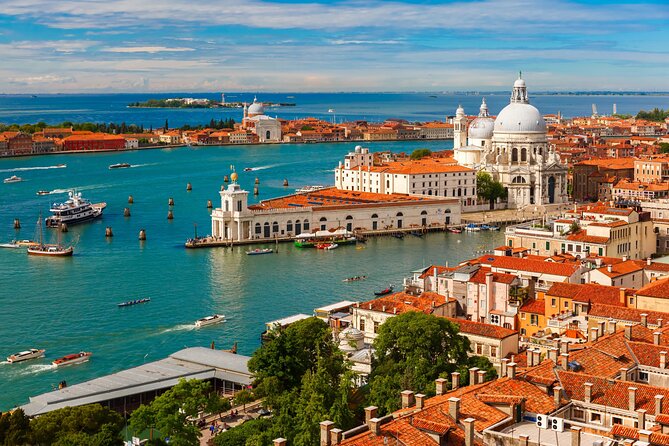
Later, the tour brings you to St. Mark’s Basilica. You’ll see the Pala D’Oro altar and you’ll also go up to the Loggia dei Cavalli for panoramic views over St. Mark’s Square. That viewpoint is one of the smart “bridge moments” in Venice: it lets you connect the square’s layout with the bigger city scale so the next hours feel easier.
The high-speed train to Florence: less travel friction, more room to enjoy
Day 3 turns the page with a private driver transfer from your Florence-bound train station. In about two hours, you arrive in Florence, then your private driver transfers you from the station to your hotel for check-in. The rest of the evening stays free, which is a good idea in Florence where dinner time can stretch and you’ll likely want to wander around your own pace.
I like this structure because it protects you from the “transit day” trap. You’re not just surviving the move—you’re using it as a transition between neighborhoods and walking patterns. Also, the hotels are a core part of the value here. One trip note praised the way they placed accommodations within walking distance of major attractions, which can save you time and decision fatigue.
If you’re the kind of traveler who likes to plan dinner, Florence’s free evening is perfect for doing that. Pick a place within walking reach, then adjust based on how tired you feel.
Florence highlights with the Duomo complex: Baptistery, dome-area access, and David at the Accademia
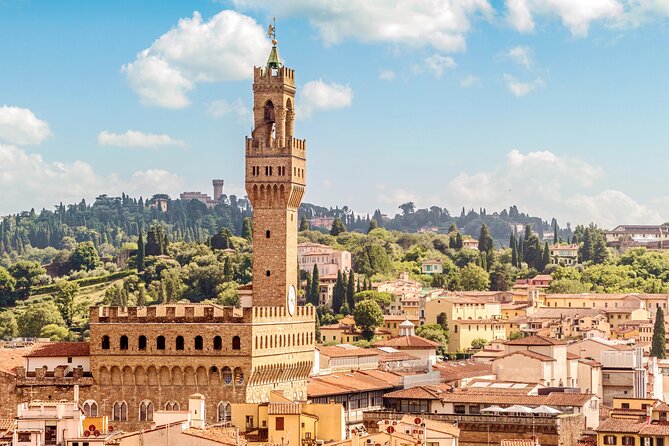
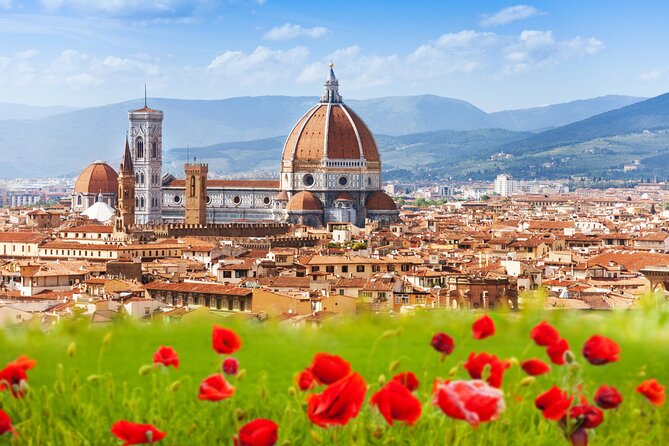
Day 4 is built like a Florence greatest-hits day, but with smart ticketing that gives you options. You meet your private guide after breakfast for a walk through the Piazza del Duomo area, starting with the Baptistery dedicated to St. John the Baptist.
The big value point is your Grande Museo del Duomo ticket, which isn’t just for one stop. It lets you visit multiple monuments of Piazza del Duomo—including the Cathedral, Dome, Bell Tower, and the Cathedral Museum—with access within a 72-hour window. That means if you want to come back for different light, or if your schedule shifts, you’re not boxed into a single tight moment.
After the Duomo area, you head toward Piazza della Signoria, passing key historic center spots like Piazza della Repubblica and the Strozzi Palace. The tour also includes via Tornabuoni, a street known for fine shops, which is a nice way to understand the “designer Rome vs. designer Florence” feel without turning it into a shopping-only day.
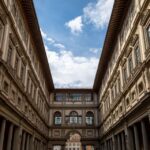
Then you move into a Florence art hit: the Galleria dell’Accademia for Michelangelo’s colossal David. From there, the guide crosses the Arno River on Ponte Vecchio to reach the Oltrarno district. Oltrarno is where Florence shifts from postcard views to something closer to daily life. You’ll see local craftsmen shops and the Santo Spirito Church and Convent, plus an early Michelangelo connection described as an early work dating back when he was just 17.
Day 5 in Florence: a real breather plus a food-first suggestion
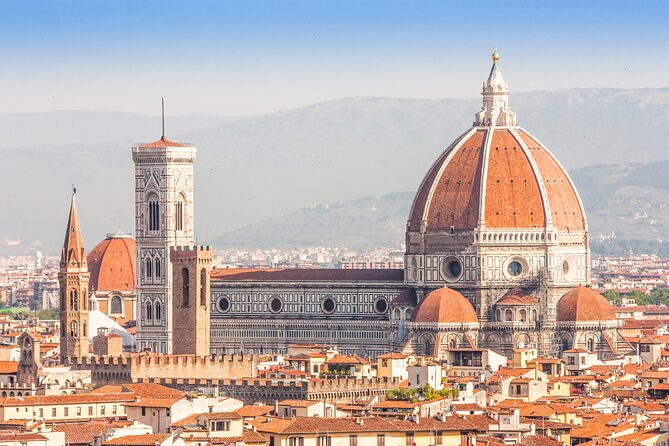
Day 5 is free time, which I consider a necessary ingredient in any Florence plan. With so many famous buildings, you need at least one day that isn’t scheduled to the minute, or your brain starts treating streets like a checklist.
If you want a practical anchor, I’d use it for food and local rhythm. A great suggestion in the planning notes is to visit Mercato Centrale for local foods. It’s a fast way to eat like a Florentine instead of like a visitor who’s only had gelato and espresso.
Use the free day to do one or two things you truly care about, not five “maybe.” Then take the rest as time to sit. Florence is one of the few places where a long café pause can feel like sightseeing.

Rome orientation day: Trevi, Pantheon, Piazza Navona, and the Bernini-Borromini mix
Getting to Rome on day 6 is similar to the Florence move: you check out, transfer to the train station, ride to Rome, and then meet your driver and hotel. After that, you meet your guide in the city for a 4-hour walking tour focused on the major ancient-to-Baroque pathway.
You’ll see the Spanish Steps, Trevi Fountain, Pantheon, and Piazza Navona, plus the Fountain of the Four Rivers. The route also points you toward masterpieces associated with Bernini and Borromini, which helps you understand the Baroque style as more than a name—think drama, sculpture-like architecture, and strong visual storytelling.
You also get dedicated Pantheon time within the same guided structure, which matters because the Pantheon’s interior experience is the whole point. The Spanish Steps portion is shorter, which keeps the day from turning into an endless line-and-photo loop.
Evening stays free afterward. That’s smart because Rome can be a late city, and you’ll want time to find dinner near your hotel instead of racing across town after a long day.
Roman Forum and the Colosseum: two sites, one ancient story
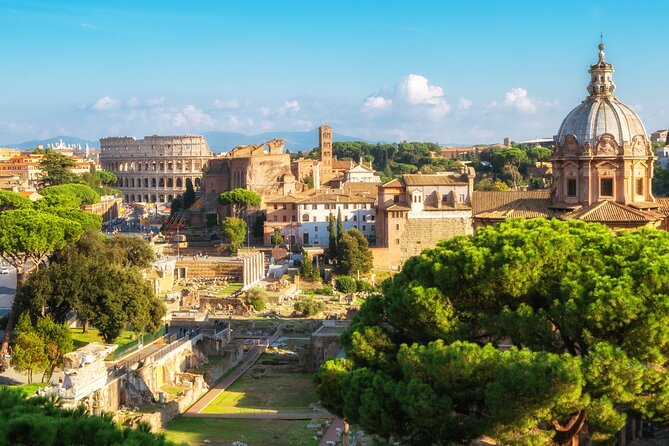
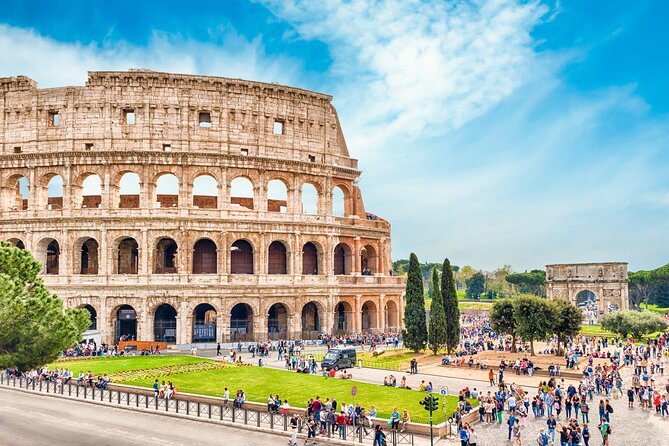
Day 7 starts with the Roman Forum, guided on foot. This area sits between the Palatine and Capitoline hills and functioned as a key political and ritual center in ancient Rome. Your tour focuses on the remains of temples, arches, and major structures, including the Temple of Caesar and the Arch of Septimius Severus, plus nearby Palatine Hill.
What I like about this pacing is that the Forum tour sets context before you hit the Colosseum. If you arrive at the Colosseum first without the Forum’s explanation, it can feel like a big ruin. With the Forum first, you start to see how the whole city operated.
Then you head to the Colosseum. The tour highlights it as the Flavian amphitheater—built as a massive arena, designed for gladiator fights, with room for up to about 70,000 spectators. Your included entry and reservation fees help here because timing and crowd flow can make or break the experience.
Wear comfortable shoes. Rome days often add up: stone floors, uneven paving, and lines even when you have a reserved plan.
Vatican Museums, Sistine Chapel, and St. Peter’s Basilica: one route, three emotional hits
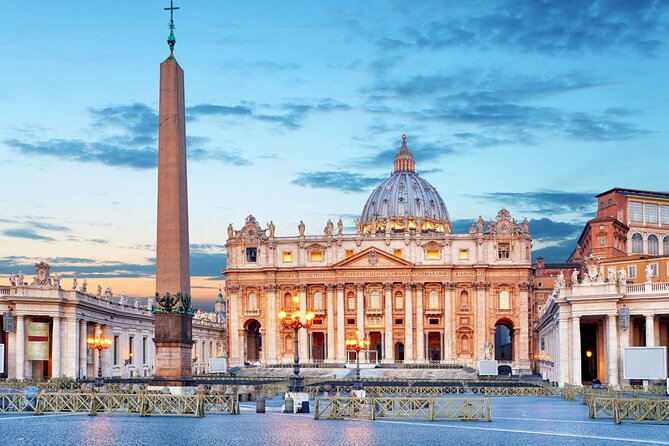
Day 8 is the heavy art day, structured as a guided flow rather than separate, disconnected tickets. You meet after breakfast and enter the Vatican area, visiting private apartments connected to Julius II and specific named stops like the Pinecone Courtyard and galleries devoted to maps and woven artwork, plus a Gallery of Candelabra.
Then you move to the Sistine Chapel, with enough time to see Michelangelo’s frescoes and to learn about the relationship between Pope Julius II and Michelangelo. After that, the tour continues into St. Peter’s Basilica, where you’ll see the Pietà and Bernini’s Papal Canopy. Your guide then finishes in St. Peter’s Square, where you can admire Michelangelo’s dome and Bernini’s colonnades.
There’s also a photo stop at Castel Sant’Angelo, built as a mausoleum and later used by popes as a fortress, refuge, and prison. Even as a quick stop, it gives you a sense of Rome beyond the “big two” of Vatican + ancient ruins.
This day can feel long, but the structure helps. You’re not constantly switching plans, and you’re not stuck guessing what to see first once you’re inside.
Pace, hotels, and practical value across 9 days
What makes this tour feel worth the money is the way it reduces everyday friction. You’re in private mode: private transportation, private guides in Venice, Florence, and Rome, and private arrival and departure transfers.
The included hotels are boutique 4-star stays in private rooms (single or double occupancy). That matters when you’re moving every few days; you want to sleep well and wake up near where you need to be. One trip note praised how the hotels were placed within walking distance of major attractions, which is exactly what you want for sightseeing days.
You’re also getting 8 breakfasts included. That’s a real cost saver and it helps you start earlier without hunting for food. Day 5 is free in Florence, and your breakfast inclusion can still help you avoid wasting time figuring out morning meals.
One more practical point: Venice uses a water-taxi element on day 1. If you’re sensitive to motion or have tight mobility needs, you should mention that early so the transfer plan works smoothly.
Is it worth $9,938.04 per person?
At this price, you’re paying for more than “a guide.” You’re paying for a private planning package that bundles hotel quality, train comfort, entrance fees, and the time-saving parts that usually cost the most energy to manage yourself.
Here’s the value math I see:
- Premium-class trains handle two long legs (Venice→Florence, Florence→Rome) with less stress.
- Entrance fees are included for key sights, and the Colosseum specifically comes with entry and reservation fees.
- You get professional local guides and private transport so you don’t lose time translating signs or figuring out routes.
The tradeoff is flexibility. This experience is non-refundable and cannot be changed for any reason, so I only suggest booking if you’re confident about your dates and your ability to travel.
If you want maximum sightseeing with minimum logistics work, this is a strong fit. If you want a flexible, budget-friendly trip you can reshuffle at will, you might prefer something less rigid.
Should you book this private Venice–Florence–Rome trip?
I’d book it if you like a structured plan, want private guiding in all three cities, and value not wrestling with transportation and tickets day after day. The route hits the major icons—St. Mark’s, Duomo area monuments, David, Trevi/Pantheon/Piazza Navona, Forum/Colosseum, and the Vatican—and it’s paced to keep you from doing only the “famous from outside” approach.
I wouldn’t book it if your dates aren’t stable or if a non-refundable commitment would make you anxious. Also, if you hate walking and lines, you’ll need to be strategic with rest and footwear, because all three cities demand it.
FAQ
What cities are included in this 9-day private tour?
This tour covers Venice, Florence, and Rome, with transfers between cities by high-speed train.
Are pickup and transfers included?
Yes. On arrival at Marco Polo Airport in Venice, your driver meets you in the arrival hall with a name sign and transfers you to the hotel. Private arrival and departure transfers are also arranged.
What’s included with the train rides?
The tour includes high-speed train travel in premium class seats for the Venice to Florence leg and the Florence to Rome leg.
Is the tour private or shared with other travelers?
It’s private. Only your group participates.
What major sights are included in Rome?
Rome includes a guided tour covering Spanish Steps, Trevi Fountain, Pantheon, Piazza Navona, and the Fountain of the Four Rivers, plus guided visits to the Roman Forum and the Colosseum. The Vatican Museums, Sistine Chapel, and St. Peter’s Basilica are also included.
What’s included for Florence’s Duomo area?
You get access tied to the Grande Museo del Duomo ticket, which allows visits to monuments in the Piazza del Duomo complex (including the Cathedral, Dome, Bell Tower, Baptistery, and related museum areas) within a 72-hour window.
What happens if I cancel?
The experience is non-refundable and cannot be changed for any reason.